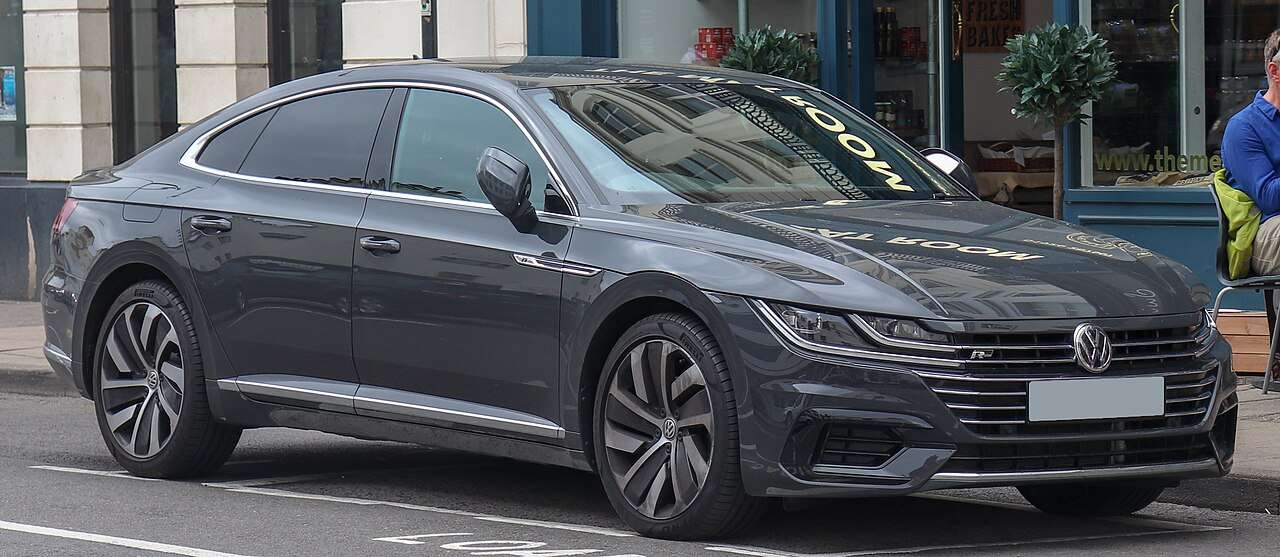
The Volkswagen Arteon 2.0 TSI is an appealing used alternative to a premium saloon: handsome, spacious and available with enough performance to make a long journey something to enjoy. The right car combines that ability with documented servicing, stable coolant levels and a healthy DSG transmission. The wrong one can conceal expensive cooling, drivetrain or equipment faults behind an attractive specification.
This guide covers the non-R 2.0-litre TSI petrol Arteon Fastback and Shooting Brake, including front-wheel-drive and 4Motion versions. It excludes the diesel TDI, 1.5 TSI, plug-in eHybrid and the separate high-performance Arteon R. R-Line is an equipment description; it does not turn every petrol Arteon into an R or identify its output, driven wheels or gearbox code.
For most buyers we would start with an unmodified 190 PS car on sensible wheels, with complete invoices and a clean inspection. A higher-output 4Motion is attractive if you want stronger acceleration and traction, but budget for its additional drivetrain maintenance. The best purchase is the car whose condition you can establish, rather than the advert with the largest power figure and least supporting evidence.
Affiliate disclosure: we may earn a commission from qualifying purchases through eBay links at no extra cost to you. Search results are not fitment confirmation. Check the VIN, engine code, gearbox code and brake specification before ordering parts.
Choose the right Arteon: petrol, output, body and driven wheels
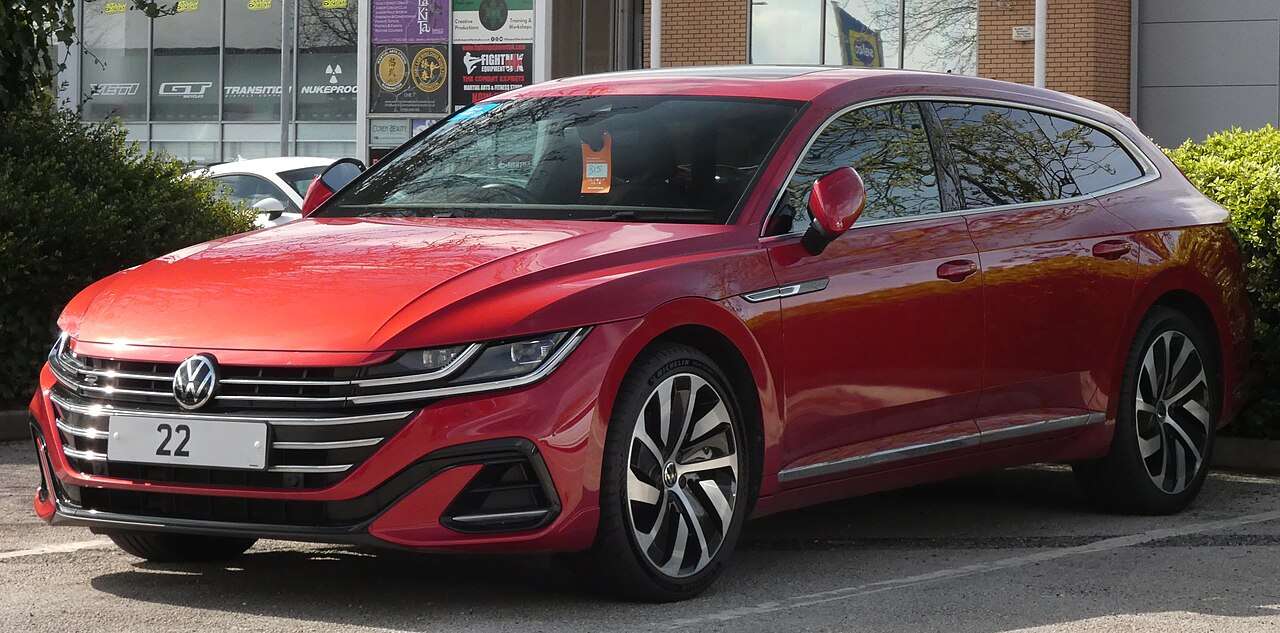
The Arteon’s appeal is its combination of a low roofline and a useful large tailgate. Volkswagen introduced the Fastback in 2017; the later Shooting Brake adds an estate-style roof and a different load-carrying proposition. The facelift period also brings changes in cabin controls, infotainment and equipment. Registration year alone is an imperfect guide: identify the build, model year and actual fitted specification.
Volkswagen’s original launch material confirms that front-wheel drive and all-wheel drive were offered across the range, and that the initial high-output petrol was rated at 280 PS. UK used cars also appear with different outputs, including 190 PS and 272 PS descriptions. Compare the registered specification and engine code, not an assumption that every 2.0 TSI has the same turbo, software, transmission or emissions hardware.
| Choice | Who it suits | Buying consequence |
|---|---|---|
| 190 PS 2.0 TSI | Everyday use, long journeys and buyers prioritising condition over maximum pace | Check drivetrain specification individually; do not infer it from R-Line trim |
| Higher-output 272/280 PS 4Motion | Buyers wanting stronger performance and all-wheel-drive traction | Assess coupling operation, rear drivetrain servicing, tyres and any tuning |
| Fastback | Those who like the original silhouette and a large hatch opening | Test rear headroom and actual boot access with your passengers and luggage |
| Shooting Brake | Family and luggage use with an estate-like shape | Check powered load-area equipment and compare like-for-like engines and trim |
| R-Line | Buyers who prefer its styling and associated equipment | It is a trim line, not proof of Arteon R mechanical specification |
Do not pay an equipment premium until you have checked that the equipment is present and works. DCC adaptive damping, panoramic roof, camera systems, audio upgrades, head-up display and seat functions can alter both enjoyment and repair exposure. A VIN-based build list is a better reference than a generic sales description copied from another car.
For an imported example, establish its original market, instruments, lighting, service record and insurance acceptability. Overseas engine outputs and equipment packages can differ from UK cars. A photograph of an apparently identical dashboard does not prove that a particular software update, service interval or optional feature applies to your vehicle.
Fastback or Shooting Brake: test the real-world difference
Bring the items that define your use: a pushchair, dog crate, mobility equipment or child seats. Check the shape of the opening, load lip, rear-seat folding and underfloor storage. An impressive brochure volume is less useful than discovering whether your actual luggage fits without obstructing visibility or damaging trim.
Sit behind the driver’s seat after adjusting it for yourself. Check head clearance, ease of entry and the shape of the rear door opening. The Shooting Brake’s extended roof can help passengers, but it should still be tried with the people who will use it. Also check parking practicality: the Arteon is a long car even if its styling disguises the length.
UK Arteon 2.0 TSI prices: use comparable cars and repair evidence
A broad 2.0-litre Arteon search mixes petrol and diesel, Fastback and Shooting Brake, outputs, driven wheels and seller types. Filter those distinctions before establishing a budget. Do not compare a high-mileage early petrol with a later estate, or treat a diesel’s asking price as the value of a TSI simply because both wear R-Line badges.
Current Auto Trader UK asking-price examples include petrol R-Line Edition Fastbacks at £14,998 and £17,199, a TSI R-Line Shooting Brake at £15,784, and a TSI 4Motion Fastback at £13,300. These are individual adverts with different histories and mileages, not a price guide or evidence of what cars actually sold for. Inspect the advert details and compare fresh examples when you are ready to buy.
Make a shortlist spreadsheet or simple paper comparison: registration, mileage, engine/output, driven wheels, gearbox, service dates, tyres, brakes, optional equipment, accident record and immediate work. Ask sellers to send invoice photographs before travelling. “Full service history” should describe an auditable sequence of work, rather than a set of dashboard entries with no explanation of which fluids or filters were changed.
The strongest negotiating evidence is a written repair estimate for a diagnosed fault. A coolant leak, DSG warning or failed adaptive damper should not be discounted at the price of a vaguely related component found online. Include diagnosis, fitting, consumables, VAT and any calibration in the comparison. A more expensive healthy car can be cheaper overall than a bargain awaiting several uncertain repairs.
What a convincing history looks like
Look for consistent dates and mileages, correct oil approval, sensible service spacing and invoices from identifiable workshops. Check spark-plug replacement separately from general servicing. For a 4Motion, distinguish DSG work from coupling and final-drive work. A single invoice headed “major service” does not automatically establish that every separate maintenance requirement was included.
Review MOT history for repeated tyre, brake, light and suspension issues. A clean latest test is useful, but it cannot confirm the condition of the timing drive, water-pump housing or gearbox clutches. Compare the physical wear of seats, pedals, luggage trim and wheels with the claimed mileage. None proves mileage alone; inconsistency is a reason to investigate.
The 2.0 TSI engine: cold-start, oil and ignition checks
Arrange a cold start and confirm the engine has not been warmed immediately before your arrival. It should start cleanly and settle without persistent misfiring, heavy smoke or an unexplained mechanical rattle. Modern direct injection has characteristic operating noises, so a brief video is not a reliable diagnosis. If something sounds abnormal, pay a specialist to identify the source before committing to the car.
Inspect the oil level using the vehicle’s prescribed procedure and ask how much oil the owner adds between services. A measured top-up history is more useful than “they all use a bit”. Repeated large top-ups, oily exhaust smoke, fouled plugs or unexplained oil loss should prompt investigation of leaks, breathing, turbocharging and internal engine condition. Do not assume a cheap breather valve will resolve every oil-consumption complaint.
Ask which oil approval was used and how it was documented. The viscosity printed on a bottle is only one part of the specification. Engine revision, emissions equipment and service regime matter. A service pack advertised for every 2.0 TSI, including different generations, is not proof that its oil and filters are appropriate for your Arteon.
PCV, misfires and boost symptoms
A rough idle, whistle or unusual crankcase behaviour can lead a specialist to examine the crankcase-ventilation system, but similar symptoms can have other causes. Proper testing should distinguish an air leak, ignition fault, injector issue or mechanical problem. Avoid improvised demonstrations that supposedly prove engine health by how strongly an oil cap is held in place.
Check acceleration progressively once the engine is warm. It should be smooth, without repeated hesitation, flashing warning lights or sudden loss of boost. Ask for stored and pending fault codes, misfire information and relevant live data if a symptom appears. Fresh spark plugs or coils can be sensible maintenance; repeated replacement without a diagnosis can conceal an unresolved fault.
Compare invoices against the correct plug specification and interval for the engine. A remapped car may have different servicing recommendations, but “colder plugs” and shortened intervals do not by themselves establish that the tune is safe or well developed. On a standard purchase, undocumented tuning is a reason to inspect more closely, not a bonus to add to the valuation.
Timing chain and auxiliary drive
The petrol 2.0 TSI’s internal timing drive must not be confused with a diesel cambelt schedule. Ask a workshop to identify the engine and maintenance requirements before ordering a timing kit. Persistent timing-related noise or fault codes require a diagnostic assessment, including the relevant mechanical checks. A fault-code label alone does not tell you which parts are worn.
Inspect accessible auxiliary belts, tensioners and pulleys for damage or abnormal noise. These are separate from the timing chain. If an alternator, water pump or other accessory has been replaced, understand exactly which assembly was changed and why. An invoice saying “belt done” is not a complete description of the engine’s maintenance.
Water pump, thermostat housing and coolant loss
Coolant loss is one of the most important practical checks on a used turbocharged petrol Arteon. Inspect the expansion tank safely when cold, ask about top-ups and look for staining, dampness or a sweet smell around accessible cooling components. A clean engine cover can hide leaks lower down. A workshop inspection with access beneath the intake and undertrays is more useful than a quick look from above.
The pump and thermostat/housing arrangement needs to be identified by engine code and part revision. Ask whether a previous repair changed the complete relevant assembly or only one component. Different sellers use “water pump kit” for different combinations of pump, housing, thermostat, seals and drive components. A low component price may describe substantially less work than the repair your car needs.
Have any leak pressure-tested and traced. Check hose connections, radiators, expansion tank and other possible sources rather than automatically declaring the pump guilty. Equally, do not accept an unresolved loss as “just a cap” because that is the cheapest explanation. Persistent loss after a previous repair needs a fresh diagnosis and a review of what was actually fitted.
Monitor temperature behaviour during the drive and check that the heater works consistently. Stop if the vehicle reports overheating or a serious coolant warning. Do not open a hot pressurised system. After the car cools, look for new evidence and ask a specialist whether further testing is required. Buying an overheated engine on the basis of a pump-only quote is a very different risk from buying a car with a properly diagnosed external leak.
Love cars you don’t see every day?
Get forgotten cars, surprising motoring stories and the most interesting finds from Unusual Cars by email.
Free to join. No spam. Unsubscribe whenever you like. See our privacy policy.
DSG gearbox: identify it, service it and test it warm
“Seven-speed DSG” is not a complete gearbox identification. Obtain the transmission code and the schedule applicable to the VIN. Different DSG families use different fluids, service procedures and internal arrangements. Do not copy a generic DQ200, DQ250 or DQ381 interval onto every Arteon because a garage webpage lists them together.
During the viewing, test initial engagement of drive and reverse, gentle parking manoeuvres, low-speed progression, normal upshifts and downshifts, and acceleration once fully warm. Note whether a problem appears only cold, after traffic or under load. A brief motorway run can miss the very conditions in which an awkward transmission reveals itself.
Investigate repeated shudder, delayed engagement, a heavy bang, warning messages or sudden loss of drive. Clutch wear, mechatronics, fluid level, software, mounts and other faults require different responses. A fluid service is maintenance, not a universal repair. Ask a gearbox specialist to diagnose the symptom before agreeing to a purchase based on a cheap oil-change promise.
A credible DSG service invoice should identify the gearbox and fluid, describe the procedure and record any filter or associated parts used. Ask whether temperature-controlled filling and any required checks were completed. A generic “gearbox oil” entry with no specification deserves clarification. The correct service can be undermined by an incorrect fluid or filling procedure.
4Motion and the rear drivetrain
On relevant non-R 4Motion versions, treat the all-wheel-drive coupling as a separate maintenance item from the DSG and rear final-drive oil. Ask whether the coupling pump’s strainer has been inspected or cleaned where appropriate. An invoice for a differential oil change does not automatically prove that the coupling was serviced, and vice versa.
Awesome GTI describes its Generation 5 service as an oil change and strainer clean, with a quote required. That is useful when discussing the scope of work. Its workshop interval recommendation is not a substitute for the Volkswagen schedule for your car. Ask the garage to state both the manufacturer’s requirement and any additional preventative recommendation.
Check that all-wheel drive actually works rather than assuming it does because there is no warning light. A safe road test and specialist diagnosis can investigate a car that behaves inconsistently under load. Inspect tyres, coupling control, pump operation and drivetrain faults as appropriate. Do not attempt an aggressive launch or unsafe wheelspin demonstration to prove the system.
Record all four tyre makes, sizes, specifications and tread depths. Suitable matching tyres with compatible rolling characteristics matter to handling and drivetrain assessment. Uneven wear may involve alignment, damaged wheels or worn chassis components. Replacing tyres without correcting the cause can leave a large recurring bill.
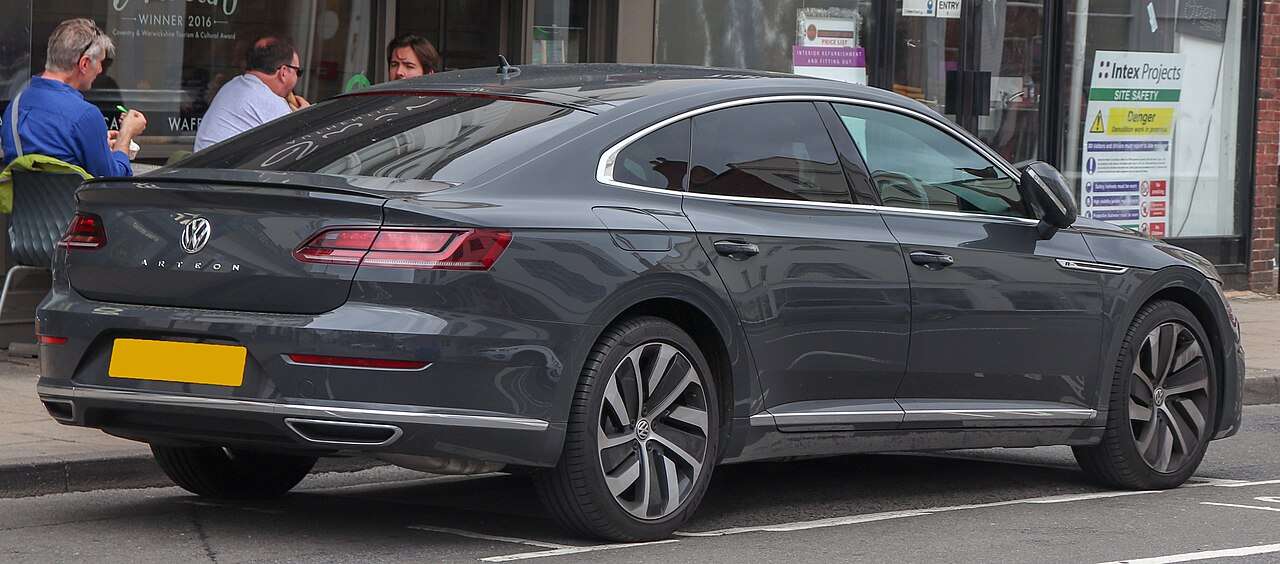
Suspension, DCC, steering and brakes
Drive the car over a variety of appropriate surfaces and check for knocks, creaks, steering vibration and unusual tyre noise. The Arteon’s long body and large wheels can disguise how much a poor road surface is influencing the ride. Compare cars on similar tyres before deciding that a particular damper or wheel combination is acceptable for daily use.
If DCC adaptive damping is fitted, test the available settings and check for warnings, leaks and uneven damping. Do not value a disabled or converted system as though it still offers its original functions. Replacing an electronically controlled damper can involve more than the price of a standard aftermarket shock absorber. Ask what the car actually has and whether the quote retains it.
Inspect wheel rims carefully for cracks, welds, buckling and poor repairs. Check tyre inner shoulders and look for evidence of repeated alignment work. A steering wheel that sits off-centre or a car that pulls requires explanation. Alignment should follow correction of worn or damaged components; it is not a cure for every vibration.
Brake progressively at legal speeds on a safe road. The car should stop straight and smoothly without grinding, strong pulsation or dragging. Inspect inner and outer disc faces and confirm remaining pad thickness physically. Brake size and parts selection need the vehicle’s equipment/PR codes, not just its wheel diameter or R-Line description.
Test the electronic parking brake and auto-hold functions. Ask whether rear brake work was completed using the correct workshop procedure. Quotes should identify discs, pads, consumables and any extra work for damaged calipers or seized hardware. A low advertised brake price may refer to one axle or a different brake specification.
Frameless windows, bodywork, cabin and electrical equipment
The frameless doors are part of the Arteon’s appeal and deserve a deliberate test. Open and close every door, check window drop and rise, and listen for excessive wind noise on the drive. Inspect seals, glass alignment and evidence of repeated adjustment. A poor seal is not necessarily cured by fitting new rubber if glass or door alignment is wrong.
Inspect paint and panel gaps in daylight, particularly around the large bonnet, bumper corners, lower sills and tailgate. Look for disturbed fasteners, overspray, mismatched trim and replacement lamps. A vehicle-history check is useful for recorded events, finance and mileage, but it will not identify every repaired accident. Use a body inspection if the physical evidence is inconsistent.
Check the boot floor and accessible storage areas for dampness, smells or water marks. Test the tailgate several times, including powered operation if fitted, and verify load covers, folding mechanisms and supplied accessories. Repairs to powered struts, locks or control systems are different from replacing a simple trim clip; establish the cause and scope.
If a panoramic roof is fitted, test it and inspect the surrounding headlining for staining. Ask about previous water ingress and repairs. Do not count a roof that has been permanently sealed shut as a desirable functioning option. A damp interior should be traced to its source before carpets are dried or electrical modules replaced.
Facelift controls, infotainment and assistance systems
Use the infotainment as you would on a normal journey. Pair a phone, try the navigation, audio, microphone, cameras and steering-wheel controls, and check whether the system restarts or loses functions. Software updates and replacement hardware solve different problems. Ask for the diagnosis and update history rather than accepting that every glitch is harmless.
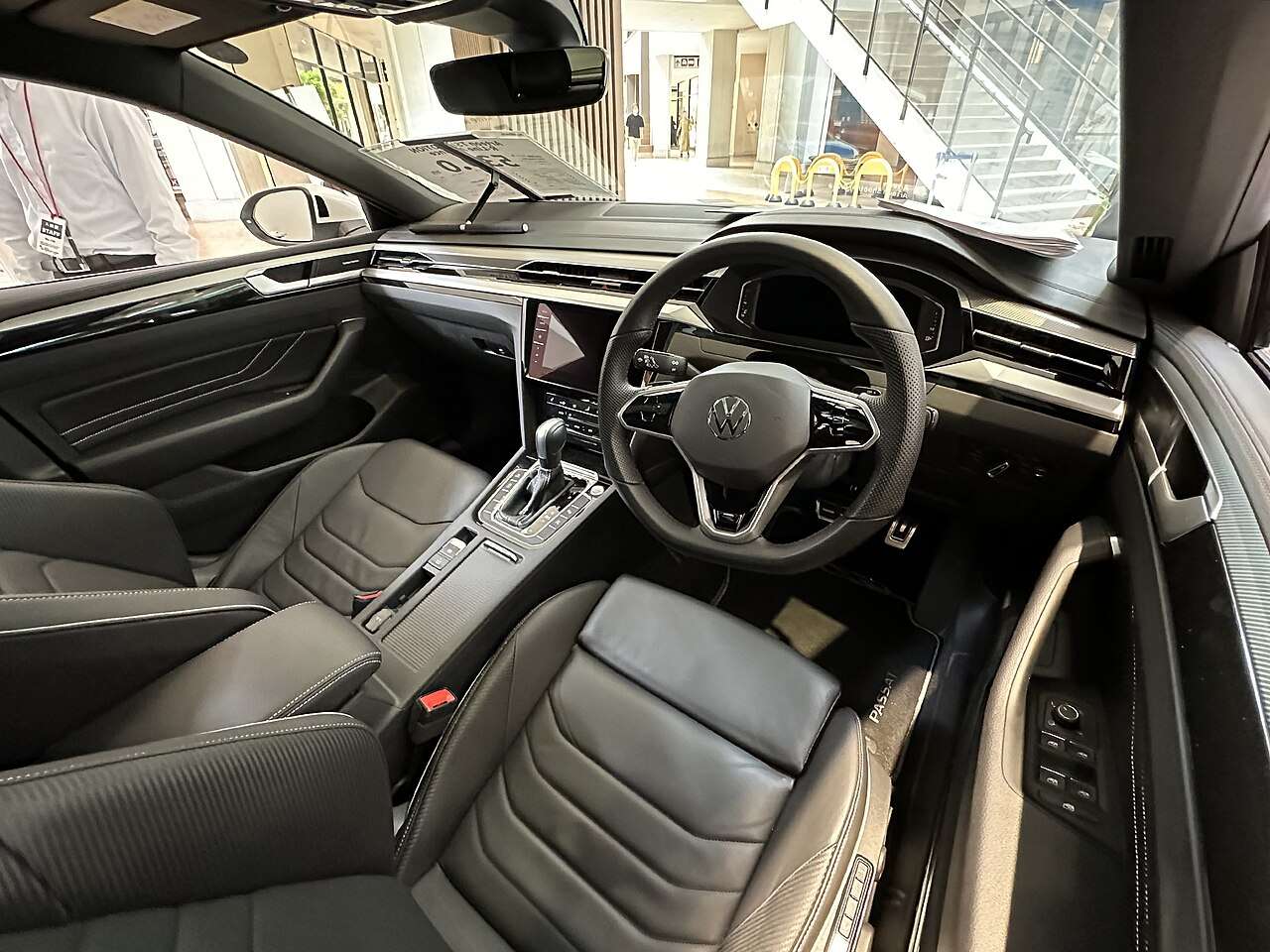
Facelift and earlier controls differ, so try the exact car rather than buying solely from photographs. Test climate functions on both sides, heated seats, memory functions and any massage or ventilation equipment present. A high specification is worth more only if it is useful to you and can be demonstrated working.
Check the instrument cluster for warnings, radar/camera messages and missing functions. Replaced windscreens, damaged bumpers or accident repairs may require alignment or calibration of relevant systems. Ask for supporting paperwork. A seller’s assurance that a warning will clear after driving is not the same as evidence that a repair has been completed.
A weak battery can contribute to electrical complaints, but it does not establish the cause of every fault. Have battery condition, charging performance and relevant wiring checked before ordering an alternator. If a replacement battery requires adaptation or registration, confirm that it was carried out correctly. Undocumented screen and audio retrofits also deserve inspection for wiring quality and battery drain.
Modified Arteons: decide what evidence you require
Establish whether the car has ever been remapped, even if it is currently described as standard. Ask about engine software, gearbox software, intake and exhaust changes, suspension alterations and wheel spacers. A return to standard software does not erase the maintenance or usage history. Invoices and a specialist assessment are more useful than a claim about a particular tuning stage.
On a tuned 4Motion car, consider how the power increase interacts with clutch capacity, cooling, tyres, brakes and servicing. A dyno graph is not a durability assessment. Do not treat a generic parts list as evidence that every supporting component was correctly chosen and installed. Check insurance acceptability before paying a deposit.
For a daily-driver purchase, a standard car with clear history is the simplest baseline. A modified car can be enjoyable when its work is documented and professionally checked, but the purchase price must leave room for diagnosis and restoration of any poor work. Removed emissions equipment and unexplained warning suppression should be treated as problems to resolve, not useful upgrades.
Arteon maintenance costs: parts, labour and fitted prices
Use the following as research anchors, not fixed quotations. Some published price tools group “2.0 R-Line” without separating petrol and diesel, output or brake size. Obtain a registration-specific quote and state that the car is a 2.0 TSI. Confirm VAT, parts brands, consumables, diagnostic time and whether the workshop will fit customer-supplied parts.
| Job | Parts-only evidence / shopping research | Fitted-cost evidence and labour scope |
|---|---|---|
| Oil/filter service and fuller maintenance | Compare 2.0 TSI service kits: observed oil/air kit £62; fuller oil/filter/plug examples £164.90–£175.27. Contents differ | Fixter’s model-level 2 R-Line table lists interim £92–£144 and full £130–£204; confirm TSI scope and actual scheduled items |
| DSG service | Research the correct DSG oil/service kit; confirm gearbox code first | VAG Manchester lists DQ381 seven-speed servicing at £260 and DQ250 six-speed at £265. Check applicability, VAT and included filter work |
| 4Motion coupling service | Compare relevant coupling service parts | Awesome GTI lists Generation 5 oil change and strainer clean as POA; obtain its current fitted quotation |
| Cooling pump/thermostat assembly | Compare pump and thermostat assemblies: observed aftermarket listings around £110–£239 | Full assembly replacement requires a specific quote. Do not substitute a small thermostat-only estimate for the complete job |
| Alternator | Compare TSI alternators: observed remanufactured examples £119.99–£149; check exchange deposit and output | Diagnosis and fitting additional; request belt/pulley, access and charging-test details |
| Rear discs and pads | Compare rear brake parts by PR code | Fixter’s 2 R-Line table lists £173–£271 for rear discs/pads with electronic parking brake. It is model-level guidance, not confirmation for every TSI |
For a meaningful labour comparison, request the hours and hourly rate or a fixed fitted total. For illustration, a £200 part plus three hours at £100 is £500 before any additional diagnosis or consumables; it is £560 at £120 per hour. Those are arithmetic examples, not book times or quotations for this car. A complete written scope is more useful than a headline hourly rate.
Timing kits, plugs and alternators: buy the right job
If a timing fault is diagnosed, 2.0 TSI timing-chain kit searches help establish the availability of parts, but not the total repair cost. Ask which revision is required and whether guides, tensioners, seals and associated checks are included. Do not apply a diesel cambelt kit or interval to the petrol engine.
For scheduled maintenance, price correct-specification spark plugs separately if they are not included in a service package. Coils and plugs should not be changed repeatedly without investigating a persistent misfire. Aftermarket tuning can affect the specified plugs and maintenance approach; confirm what the engine actually requires.
Alternator shopping requires more than a broad compatibility tick. Match the original number, electrical output, pulley and connections. Used, remanufactured and new units have different warranty and exchange arrangements. A correct charging-system diagnosis can prevent an unnecessary alternator purchase when the actual fault is the battery, wiring or control system.
Hidden ownership costs and the first-year budget
Several deferred jobs at once: add oil service, plugs, DSG work, 4Motion maintenance where relevant, brakes and tyres as separate lines. A recently completed engine service does not mean the gearbox and coupling are current. Compare the first-year total of each shortlisted car.
Wheels and tyres: large wheels can mean expensive tyres, rim repairs and a ride you dislike on local roads. Price a suitable matching set and check for inner-edge wear. Include alignment after necessary chassis repairs.
Optional systems: DCC dampers, powered tailgate equipment, panoramic roof and driver-assistance sensors can change repair exposure. Have faults quoted before paying a premium for the specification. One functioning key and one non-functioning key are not two working keys.
Insurance, tax and history: quote the exact registration and disclose modifications. Confirm recorded emissions, first registration and any applicable charges through official checks. Budget for an independent inspection and a proper history check rather than treating them as optional extras after a deposit.
Fuel and usage: calculate your own annual mileage and realistic fuel spending. A cheaper diesel advert is not automatically a better fit for repeated short journeys, while a higher-output petrol can make an attractive purchase price less meaningful if the running costs stretch the budget.
Downtime and recovery: complex cooling or transmission diagnosis may take longer than a routine service. Check breakdown cover and allow for alternative transport if the Arteon is essential family or work transport. Parts availability does not guarantee immediate workshop capacity.
Arteon viewing checklist: before, during and after the drive
Before travelling
- Confirm TSI petrol engine, output, build year, Fastback/Shooting Brake, driven wheels and gearbox code.
- Request service, plug, DSG and relevant coupling invoices separately.
- Ask about coolant and oil top-ups, warning messages, modifications and accident repairs.
- Arrange a cold start and permission for an independent inspection.
- Check insurance and compare genuinely similar current adverts.
At the car
- Match VIN and documents; inspect paint, lamps, wheels, tyre specifications and inner shoulders.
- Check cold fluid levels safely and watch the first start.
- Operate every frameless window and door; inspect seals and headlining.
- Look for dampness in the boot and cabin; test tailgate, seat folding and actual luggage fit.
- Test infotainment, climate, cameras, DCC and other fitted equipment.
On the road and at the workshop
- Check DSG engagement and low-speed behaviour cold and fully warm.
- Assess progressive acceleration, steering, brakes, ride and wind noise.
- Investigate coolant smells, warnings or loss of power rather than accepting a cheap explanation.
- Request a full-system scan and relevant live data, cooling-system inspection and underside access.
- Convert confirmed defects into written fitted quotes before making an offer.
Buy, investigate or walk away?
Buy when the specification is clear, history coherent, fluids stable and drivetrain/equipment healthy, with normal maintenance priced into the budget. Investigate a defined defect when the seller allows proper testing. Walk away from repeated coolant loss after undocumented repairs, serious DSG symptoms dismissed as normal, identity inconsistencies or refusal of independent inspection.
Volkswagen Arteon buying questions
Is R-Line the same as an Arteon R?
No. R-Line is a trim/equipment line. Identify the engine, output and drivetrain separately; the Arteon R is a different performance model outside this guide’s main scope.
Is every 2.0 TSI four-wheel drive?
No. Check the individual specification. Do not infer 4Motion from a sporty body kit or a seven-speed DSG description.
Does the 2.0 TSI use a cambelt?
Do not apply the TDI diesel’s cambelt guidance to this petrol engine. Identify the 2.0 TSI timing drive and any required work by engine code; auxiliary belts are separate.
Will servicing cure a DSG judder?
Not necessarily. Diagnose the symptom before assuming that fresh fluid will repair clutch, mechatronic or mechanical faults.
Is the cheapest coolant repair quote the best?
Only compare quotes for the same confirmed fault and assembly. Thermostat-only, pump-only and complete housing/module work can involve different parts and labour.
Which version would we buy?
A standard 190 PS car with strong records is our practical starting point. Choose a higher-output 4Motion for its performance when condition, drivetrain servicing and budget support it.
Sources and image credits
Model background and original 280 PS introduction: Volkswagen’s 2017 launch release (German-market launch; UK equipment differs). Body styles and UK model context: Volkswagen UK Arteon archive. UK asking prices: Auto Trader.
Workshop evidence: VAG Manchester DSG menu, Awesome GTI coupling service scope, and Fixter’s service and rear-brake estimates. Parts examples use the linked eBay searches. Model-level menus and seller compatibility labels require VIN-specific confirmation; inspection advice is editorial judgement, not measured failure-rate data.
Featured photograph: Vauxford / Wikimedia Commons, CC BY-SA 4.0; resized. Supporting photographs are credited beside each image. The cabin example is from an overseas market and illustrates layout rather than guaranteed UK equipment.
Volkswagen Arteon 2.0 TSI for sale on eBay UK

See more Volkswagen Arteon 2.0 TSI cars on eBay UK
Love cars you don’t see every day?
Get forgotten cars, surprising motoring stories and the most interesting finds from Unusual Cars by email.
Free to join. No spam. Unsubscribe whenever you like. See our privacy policy.