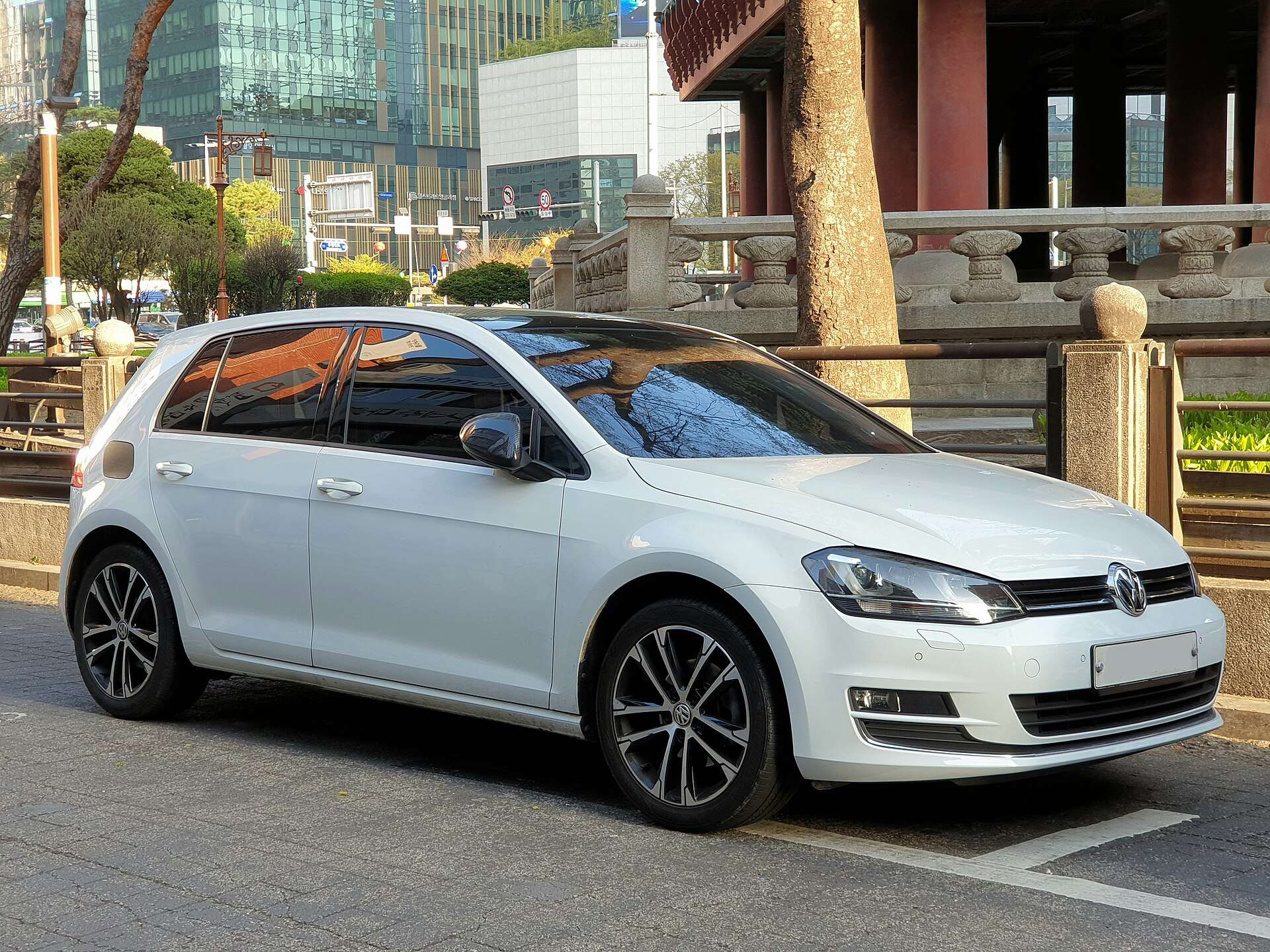
IN-DEPTH BUYING GUIDE · MK7 AND MK7.5 DIESELS · HATCHBACK AND ESTATE
A well-maintained Golf TDI is a convincing used family car for regular longer journeys. It combines a useful cabin with strong fuel economy and a wide choice of engines, gearboxes and body styles. The ordinary 2.0 TDI can be a better ownership proposition than a cheaper but neglected 1.6, while a genuine GTD adds performance and equipment without turning diesel servicing into an optional extra.
The important buying decision comes before choosing a trim: does a diesel suit your journeys? Repeated short, cold trips are a poor basis for buying a complicated emissions-equipped car simply because the advertised miles per gallon looks attractive. Compare our Golf 1.4 and 1.5 TSI guide if most of your driving is urban.
This guide covers the seventh-generation 1.6 and 2.0 TDI, including the 184 PS GTD and Estate derivatives. It excludes Mk6 and Mk8 diesels, petrol GTI/R, GTE plug-in hybrids and the e-Golf. Alltrack and 4Motion cars require additional drivetrain checks; an ordinary front-drive GTD is not a Golf R with a diesel engine.
The buying verdict
Our starting point is a documented 2.0 TDI 150 in a specification and gearbox that suit your use. Choose a 1.6 for its individual condition and purchase cost, rather than assuming every smaller engine saves money overall. Choose a GTD because you want the complete package and can afford its tyres, brakes and maintenance. Across all three, a clear belt and gearbox history, healthy emissions system and dry cabin matter more than a badge or large wheels.
Which Golf TDI: 1.6, 2.0 or GTD?
Volkswagen’s Golf VII engine archive lists several 1.6 outputs, the 150 PS 2.0 and the 184 PS GTD. Those are engine-family reference points, not proof of the specification of a UK registration. Read the build data and engine code, particularly on imports or modified cars.
| Version | What changes the buying decision | Checks to prioritise |
|---|---|---|
| 1.6 TDI | 105, 110 and later 115 PS are familiar UK-market variants; other markets had further versions. Useful for steady commuting, but test the loaded performance you actually need. | Confirm engine code, gearbox and emissions specification. Do not assume the cheaper car has a cheaper clutch or fault. |
| 2.0 TDI 150 | A useful everyday compromise, especially for regular motorway travel or an Estate. More relaxed performance can matter more than a small fuel-economy difference. | Maintenance evidence, cooling and emissions health; identify manual versus wet-clutch DSG. |
| GTD 184 | The performance diesel, offered as hatchback and Estate. Buy genuine identity and condition rather than a remapped ordinary TDI with badges. | Brake and wheel specification, tyre condition, tuning, gearbox history and evidence of hard use. |
| 4Motion / Alltrack | Additional traction and, on Alltrack, a different body/chassis proposition. Not fitted to every diesel Estate. | Rear coupling servicing, matching approved tyres, underbody impacts and actual tow/use history. |
Mk7 versus Mk7.5
The facelift reached UK customers in March 2017 according to Volkswagen UK’s press pack. It brought revised lighting, infotainment and equipment as well as drivetrain changes. Registration year alone cannot reliably separate an older-stock car from the later build. Compare actual controls, lamps, build date and factory equipment rather than a dealer’s use of “facelift”.
A later screen and digital instruments can be attractive, but their presence does not improve a worn clutch or remove diesel-system risk. Test every fitted function and price a good earlier example alongside a later car that needs work. If navigation, phone integration, cruise control or heated seats matter, confirm them on the vehicle: trim names and option packages changed.
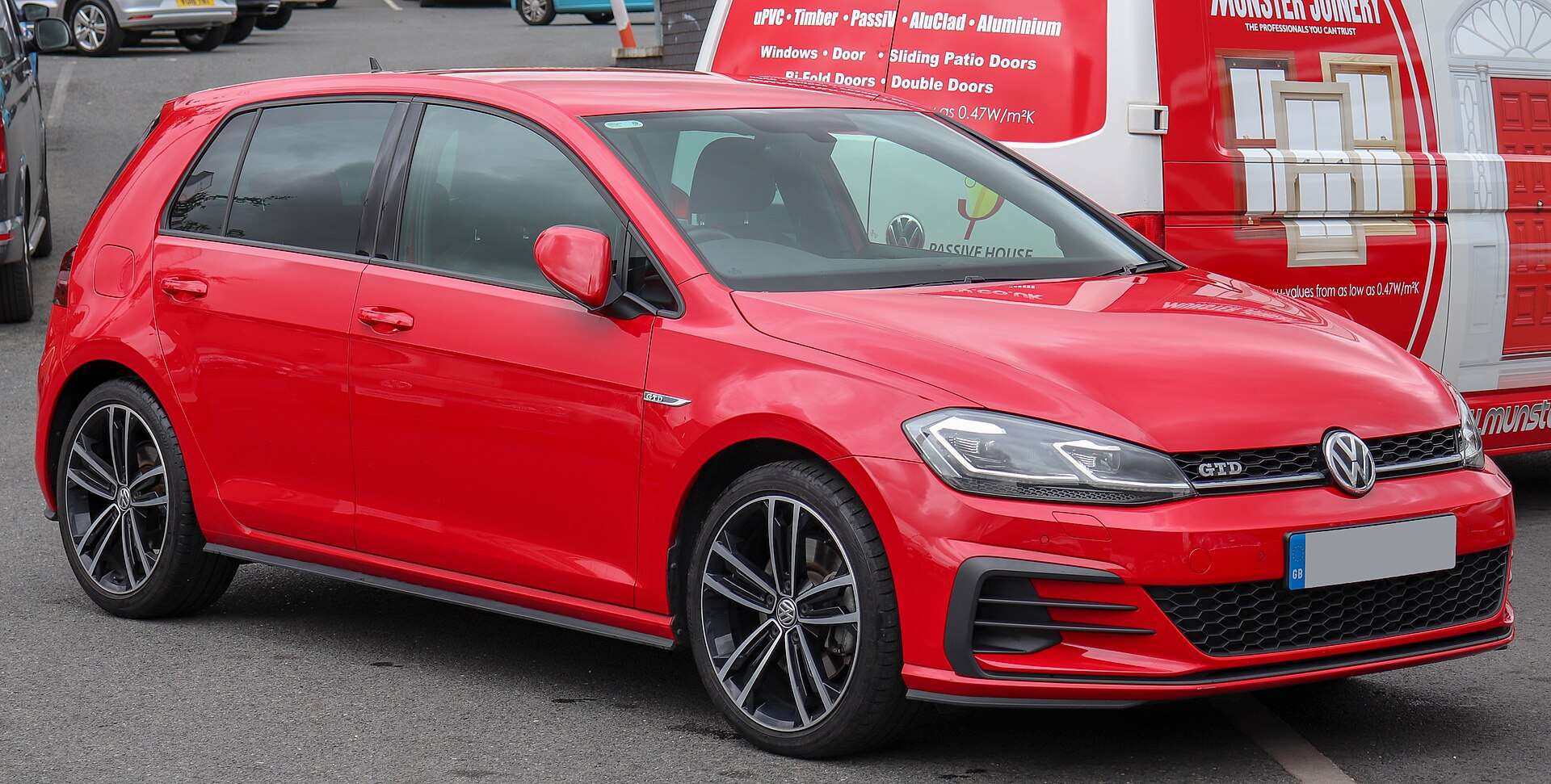
Hatchback, Estate and the right specification
Try the car as you will use it. Fit child seats, load your normal luggage and check rear access rather than judging the boot from a headline capacity. A three-door can be less convenient for family use, while an Estate deserves a careful check of its load area, rear seat release, tailgate and any towbar installation. Inspect trim for signs that the car has carried heavy equipment or animals, then decide whether that use is consistent with the rest of its history.
Large wheels and sports suspension can make a GTD feel different from an ordinary TDI on broken roads. Drive both where possible. Optional adaptive damping adds another system to test and another specification to identify when buying parts. A neatly presented car with four quality tyres and sensible wheels often makes a stronger everyday purchase than one wearing inexpensive oversized replacements.
UK prices: compare the exact car, not “a diesel Golf”
Live asking prices are useful for building a shortlist, but they are not completed sales. The Autotrader Golf TDI page mixes generations, mileages and condition. At our check it included a 2.0 TDI R-Line Edition advertised at £6,950 and a 2.0 TDI GT at £5,450. Those are attributed advert examples, not a Mk7 valuation range; verify each car’s generation, mileage and current description before comparing it.
A GTD advert on the same broad page described a Euro 5 car, illustrating why a familiar trim name cannot settle generation or emissions status. For a meaningful comparison, record build generation, engine output, emissions standard, body style, mileage, gearbox, seller type, history and immediate work. Keep GTDs separate from ordinary 150 PS cars and Estates separate where practicality drives a premium.
Price the first year before negotiating
Obtain written quotes for uncertain belt history, gearbox servicing, tyres, brakes and diagnosed faults. Add inspection, collection and your insurance quote. A dealer’s warranty needs to be read for exclusions, claim limits and pre-existing faults; it does not turn an unresolved cooling warning into an acceptable purchase. A private seller’s recent MOT is useful evidence of a test, not a guarantee of mechanical condition.
Do not deduct a speculative replacement EGR valve or turbo from the price without establishing the problem. The eventual bill can include diagnosis, access, related contamination, damaged fasteners and the original cause. Agree whether a repair will be completed and independently checked before collection, or buy with a clearly understood scope and budget.
Engine checks: cold start, cooling, turbo and diesel emissions
Read the history before opening the bonnet
Look for dated invoices showing the oil approval, filters, belt work and any cooling or emissions repairs. A digital service record is helpful but may not include work carried out outside the network. A stamp with no itemisation cannot prove that fuel filters, brake fluid or gearbox oil were changed. Ask for the underlying invoices and compare mileage with the MOT record.
Have the engine genuinely cold when you arrive. Check accessible oil and coolant levels with the owner’s permission, look for dried coolant and fresh cleaning, then observe starting, idle and warm-up. Persistent smoke, prolonged cranking, rough running or a level that repeatedly needs topping up warrants diagnosis. Do not dismiss a warning because the engine still produces its expected power.
Timing belt and water pump
The relevant TDI engines use a toothed camshaft belt. Treat the correct kit, tensioning components, water pump specification, coolant and installation procedure as a complete job. The petrol EA211 pump arrangement should not be copied into this diesel guide. A bill simply stating “belt” may not confirm the pump, rollers or necessary fixings.
Published age and mileage advice varies across workshops and changed manufacturer guidance. Ask Volkswagen or a competent specialist to confirm the current requirements for the actual VIN and engine, then compare the answer with dated work. A generic five-year statement is not a substitute for that check. If history is uncertain, make the inspection and preventive replacement plan before agreeing to drive a long distance home.
The belt is only one part of cooling assessment. Ask about previous pump replacement, thermostat work, unexplained coolant loss and overheating. A new expansion tank or freshly cleaned bay is a reason to ask what failed, not proof of a fault or proof of a cure. Never remove a hot coolant cap. If temperature rises abnormally during the drive, stop safely and seek workshop assessment.
DPF, EGR and regeneration
A diesel particulate filter needs the right operating conditions and control system to regenerate. Ask what journeys the car actually did, whether warning lights have appeared and what repairs followed. Repeated forced regenerations or a recent cleaning invoice need an explanation of the cause; a cleaned filter does not resolve a faulty sensor, poor combustion or a different system fault.
Request a VAG-aware diagnostic inspection, including relevant fault history and measured DPF data interpreted by someone who knows the engine. A low-looking number in a screenshot is not a health certificate. Clearing codes before a sale can remove useful evidence, while a generic reader may not reveal the full picture. Compare the scan with cold and hot running and the service record.
Do not prescribe a universal motorway drive as the cure for every DPF lamp. Follow the actual handbook instructions and warnings; some conditions require diagnosis before further use. Likewise, EGR-related codes need tests of the relevant valve, cooling and control systems. If emissions equipment has been removed or software altered, obtain specialist advice and check the legal and insurance implications before proceeding.
AdBlue, emissions status and recalls
Not every Mk7 diesel has the same after-treatment hardware. Establish what is fitted to the VIN and inspect any filler, display warnings and repair record. On a car with SCR, a countdown or no-restart warning is a substantial unresolved issue, not a small consumable bill. Topping up fluid cannot repair a diagnosed sensor or dosing fault.
Use official registration-based services to check the car’s clean-air-zone eligibility and outstanding recalls. Do not infer Euro 6 from a 2015 plate, GTD badge or a seller’s description. Treat emissions software campaigns and safety recalls as separate questions, and ask a dealer for VIN-specific completion evidence where needed. Imported cars require particular care over the recorded specification.
Turbo, injection and oil leaks
Once warm, assess smooth progressive acceleration without repeatedly loading a struggling engine. Investigate hesitation, limp mode, unusual whistle, smoke and oil loss before assuming a turbo alone is responsible. Intake leaks, control faults, fuel delivery and mechanical wear can overlap in their symptoms. An invoice should explain the diagnosis and repair, not simply record an expensive component.
Ask a specialist to inspect leaks around the engine, boost pipework and cooling system. An oily film and an active leak are different findings, but neither should be judged remotely from a photograph. Check that a replacement turbo or injector was matched and installed correctly and that any underlying issue was addressed. A very recent repair with no subsequent use deserves a proper retest.
Love cars you don’t see every day?
Get forgotten cars, surprising motoring stories and the most interesting finds from Unusual Cars by email.
Free to join. No spam. Unsubscribe whenever you like. See our privacy policy.
Manual and DSG: identify the transmission before judging it
“Seven-speed DSG” is not one gearbox. Lower-torque applications can use a dry-clutch unit, while higher-torque diesels use wet-clutch transmissions; the facelift introduced a newer seven-speed option on relevant engines. Volkswagen’s UK press pack explicitly distinguishes that change for TDI outputs from 150 PS. Confirm the gearbox code and current service requirements rather than ordering oil, a filter or a mechatronic repair on the basis of gear count.
How to test a manual
Check the pedal, bite and selection from cold, then repeat once warm. Try all forward gears at sensible speeds, reverse while stationary and ordinary hill starts where safe. Note judder, difficulty selecting, whine and engine speed rising without matching acceleration. Do not deliberately stall-test or abuse the clutch. A dual-mass flywheel, clutch, mounting or internal transmission problem can require a different repair scope.
Ask for invoices identifying the clutch and flywheel if replaced. An unusually heavy pedal or idle rattle needs assessment rather than a seller’s assurance that all diesels do it. Include removal and fitting labour, associated seals and any required flywheel work when comparing quotes. A cheap online clutch kit is not the cost of a completed job.
How to test DSG
Drive it cold and hot. Check prompt but controlled engagement of Drive and Reverse, gentle pull-away, low-speed manoeuvring, ordinary upshifts and downshifts, and a restart after a hot stop. Distinguish the normal character of a dual-clutch transmission from persistent judder, delayed engagement, banging shifts, warnings or loss of drive. Have the transmission scanned by a specialist if anything is abnormal.
For a wet-clutch unit, seek invoices showing the correct fluid, filter where applicable, date and mileage. A general engine service is not evidence of gearbox servicing. Dry-clutch and wet-clutch maintenance instructions are different, and specialist preventive advice may differ from the manufacturer’s schedule. Ask the workshop to explain which procedure applies to your code.
A software update or adaptation may be part of a legitimate repair, but it is not proof that worn hardware has recovered. Ask what was tested, what was changed and whether the fault returned. Avoid buying a gearbox problem on the promise of a fluid change unless a competent diagnosis supports that conclusion.
Bodywork, suspension, cabin and electrical equipment
Walk around the car in daylight, then arrange an underside inspection. Look for uneven paint, disturbed fasteners, mismatched lamps, poor panel alignment and repairs around load-bearing areas. Examine sills, jacking points, subframes, brake pipes and accessible suspension mounts. A shiny upper body can conceal damaged undertrays, poorly repaired impacts or neglected brake hardware.
Check tyres as a set: size, age, brand, damage and wear across the tread. Uneven inner-edge wear needs investigation of alignment, suspension and previous damage. Confirm that any non-standard wheels have suitable dimensions and load ratings. An Estate that has towed or carried heavy loads deserves close inspection of its rear suspension, tyres and towbar wiring.
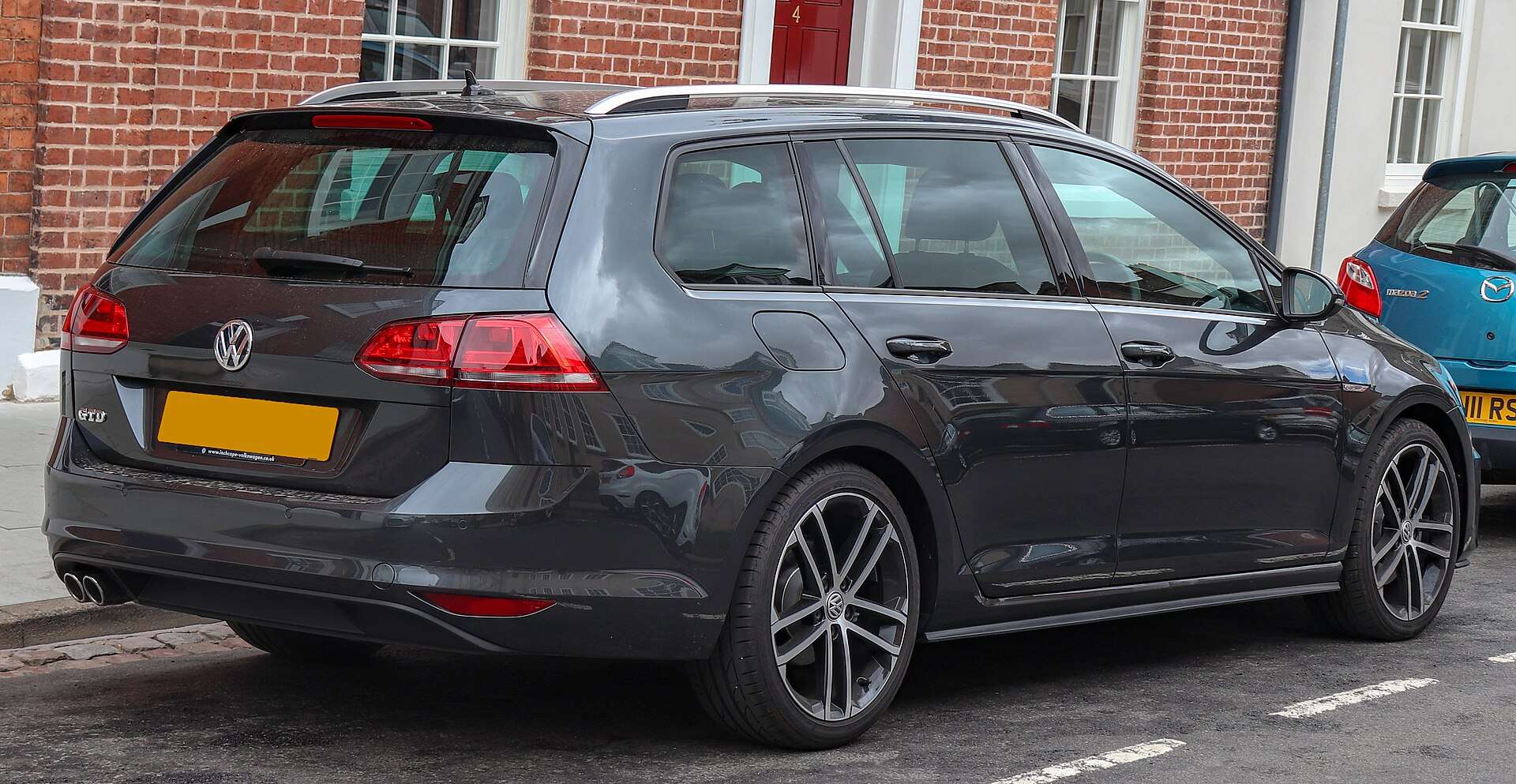
GTD chassis and brakes
Confirm brake fitment by the car’s build/PR codes and physical dimensions, not a GTD badge alone. Check disc condition, braking consistency, electronic parking brake operation and evidence of sticking calipers. A brake service should distinguish pads from discs, hoses, calipers and fluid. On adaptive-damper cars, cycle the modes and investigate leaks, warnings or uneven response.
During the drive, listen for knocks over ordinary road imperfections and assess straight braking and steering self-centring. Allow for diagnosis before replacing a list of bushes. If the seller says the car simply needs tracking, ask why the tyre has worn or the steering wheel is displaced; alignment alone cannot repair damaged components.
Water entry, infotainment and assistance systems
Feel carpets and inspect beneath the boot floor where accessible. Check around door seals, tailgate and any panoramic roof for dampness, staining or musty smells. A roof that opens normally can still leak. Ask what caused any water entry and whether wet insulation or affected electrical components were addressed, rather than accepting a receipt for sealant as a complete repair.
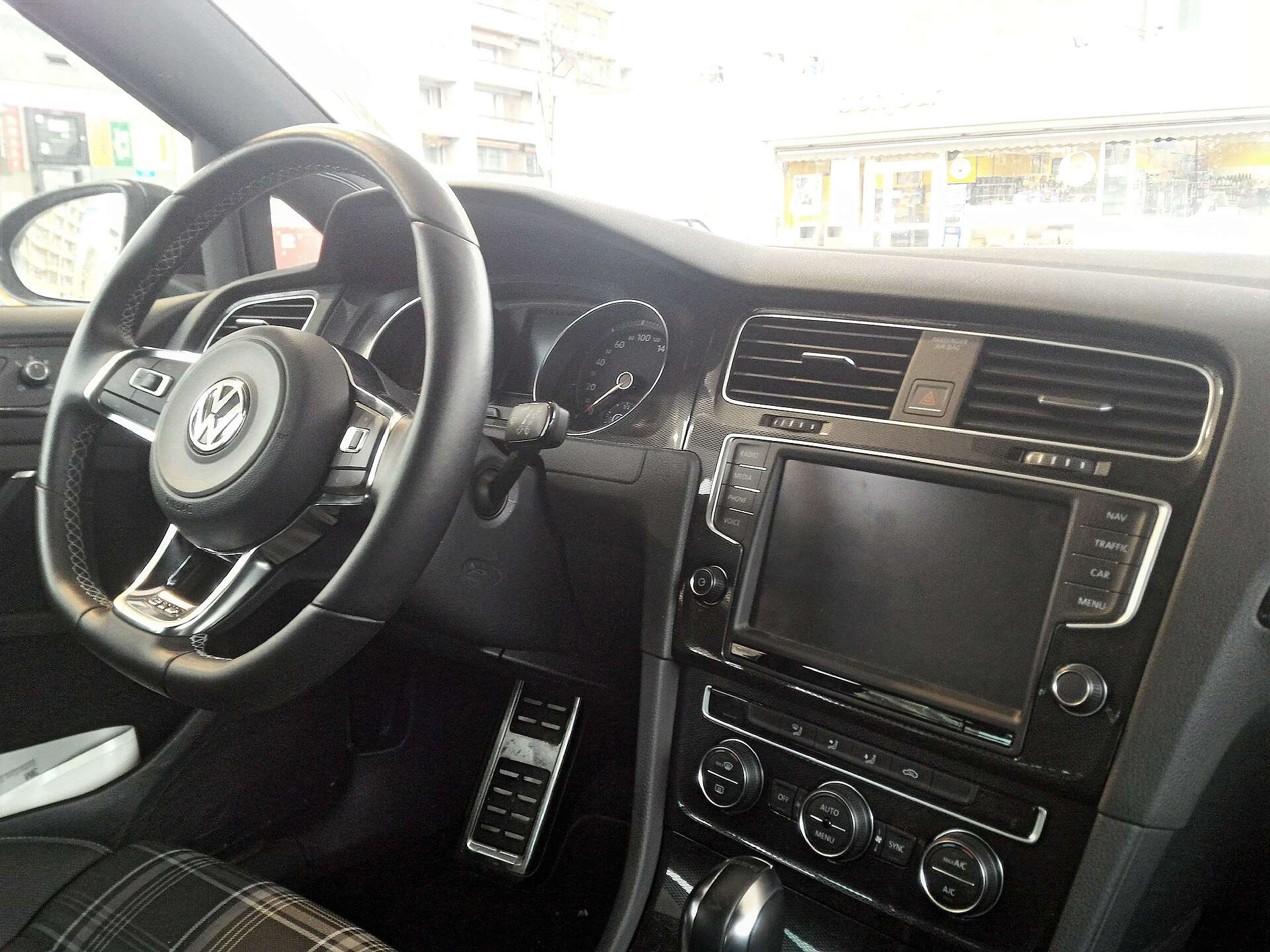
Pair your phone, test charging and audio, operate navigation if fitted and confirm that the screen responds throughout. Check climate control at different temperatures and fan speeds, every window and lock, mirrors, lights, wipers, parking sensors and camera. Inspect the driver’s seat bolsters and steering controls and check that both keys work. Retrofitted infotainment needs a clear installation record.
Have radar, camera and assistance warnings investigated. A recently replaced windscreen or front-end repair may require calibration; request evidence appropriate to the fitted system. A warning-free dashboard during a short viewing cannot certify that every assistance feature works. Never provoke a collision-avoidance function to test it.
UK maintenance costs: parts, labour and fitted totals
These are dated published references, not a universal quote. JBS’s timing menu lists £615 including VAT for a 1.6/2.0 TDI CR EA288 belt-and-water-pump job using genuine parts. It describes tensioners, rollers and fresh coolant. Its stated workshop time is a broad 3½–7 hours across models, not an exact labour time for every Golf.
| Job and application | Parts reference | Labour / fitted reference | How to use it |
|---|---|---|---|
| EA288 belt and water pump | Gates kit listing example: £126.95 parts only | JBS: £615 including parts, fitting and VAT. Labour is not separately itemised. | The eBay example is an advertised aftermarket kit, not the genuine kit in the JBS package. Do not subtract one from the other to invent a labour charge; verify pump type, kit contents and VIN fitment. |
| DQ250 wet six-speed DSG service | Correct oil and filter where specified; quote contents must be confirmed. | JBS: £285 incl VAT; published general gearbox service time 1–1½ hours. | Use only for the identified gearbox. It is routine service, not clutch or mechatronic repair. |
| DQ381 wet seven-speed DSG service | Specify the correct fluid and service procedure. | JBS: £355 incl VAT; general 1–1½-hour service description. | Do not transfer this price or procedure to a dry-clutch seven-speed transmission. |
| Six-speed manual gearbox oil | Correct oil and quantity for the actual code. | JBS menu: £150 incl VAT. | This is an oil service, not a clutch/flywheel replacement. Confirm applicable gearbox. |
| Brake fluid and alignment | Fluid and adjustment scope need confirmation. | JBS services menu: brake fluid from £65; alignment from £45. | Starting prices, not full brake refurbishment or guaranteed correction of worn suspension. |
The £126.95 kit advertisement was visible in the model-specific eBay search when checked, before any coupon. Stock, seller, delivery and prices change. Its broad application text is not fitment confirmation. Other much cheaper listings in the same results used inconsistent descriptions, which is why a result count or low headline price is not a recommendation.
The gearbox references come from JBS’s gearbox menu; the additional starting prices appear in its services menu. Confirm current VAT treatment, exact car and scope when booking. Where a supplier does not publish a labour-only charge, we have left it as included rather than inventing a split.
A useful first-year calculation
If a confirmed DQ250 car needs the quoted belt/pump job, gearbox service and brake fluid, those three published references add to £965 (£615 + £285 + £65). With a DQ381 service reference instead, the same calculation is £1,035. These are worked examples, excluding engine servicing, tyres, inspection, repairs, insurance and collection. They are not a claim that every Golf needs all three jobs immediately.
Request separate quotes for a clutch/flywheel, EGR/cooling fault, DPF work or suspension repair. State whether diagnosis, parts, labour, VAT, fluids, alignment and road testing are included. A workshop that needs to inspect before quoting is recognising the scope; a remote price without diagnosis is often less useful than it appears.
Golf TDI service-parts table and eBay searches
Affiliate disclosure: these links use our eBay affiliate campaign. We may receive a commission on qualifying purchases, at no extra cost to you. Results are searches, not an endorsement of every seller or a guarantee of compatibility. Match engine and gearbox codes, PR codes, part numbers, production date and the hardware fitted.
| Maintenance item | Check before ordering | Model-specific eBay search |
|---|---|---|
| Oil and filter service kit | Use the oil approval required by the exact engine and emissions system; quantity and viscosity alone are insufficient. | Compare TDI service kits |
| Air filter | Confirm engine, housing and production date. A petrol kit is not automatically suitable. | Compare air filters |
| Fuel filter | Correct element and housing; follow the proper priming procedure after replacement. | Compare fuel filters |
| Cabin filter | Match the housing and filtration type; replacement does not cure a water leak. | Compare cabin filters |
| Timing belt and pump | Correct EA288 kit, pump configuration, rollers and required fixings. Verify against VIN. | Compare timing kits |
| Auxiliary belt and tensioner | Inspect the drive and identify the fault before replacing the belt alone. | Compare auxiliary-drive parts |
| Alternator | Output, pulley, connections and stop/start specification; check exchange deposit and warranty. | Compare alternators |
| Battery | Correct technology and capacity, with any required battery management procedure. | Compare batteries |
| Discs and pads | Verify axle, PR code and dimensions, especially GTD or converted brakes. | Compare brake parts |
| Clutch and flywheel | Match manual gearbox code and engine; establish whether the flywheel needs replacement. | Compare clutch and flywheel kits |
| Wet DSG service kit | DQ250 and DQ381 differ. Do not buy on seven-speed wording alone. | Compare identified DSG kits |
| Suspension arms and bushes | Confirm chassis, axle and adaptive/standard equipment, then budget alignment. | Compare suspension parts |
Hidden ownership costs
Diesel economy does not pay every bill. Factor in your actual mileage, fuel cost, parking and local-zone rules. Obtain insurance quotes for the actual registration and declared modifications. A remap can affect the risk you are buying as well as insurance; ask whether the gearbox calibration, emissions equipment and hardware remain standard.
Allow for a matched tyre set, brake hardware beyond pads, two working keys, any infotainment or assistance calibration and the cost of resolving water entry. Collection, inspection and alternative transport during repairs belong in the budget. Exchange parts can require a refundable core deposit and return postage. A warranty or service-plan monthly payment needs to be compared with its exclusions and total cost.
On a towbar-equipped Estate, verify the towing limit for that exact model and the condition of the electrics. Do not use an advertising headline to establish the weight you can tow. On 4Motion/Alltrack derivatives, add the appropriate rear-drive servicing and tyre compatibility checks; the front-drive maintenance example is incomplete for those cars.
A practical viewing and test-drive checklist
Before travelling
- Obtain registration, VIN/build information, engine output, gearbox, mileage and an honest fault description.
- Read MOT history and request oil, belt, pump and transmission invoices. Confirm recall and emissions-campaign status separately.
- Ask for cold start, a legal insured test drive, diagnostic access and underside inspection.
- Check clean-air-zone eligibility for the actual car and obtain insurance quotes before a deposit.
At the car
Start with identity, documents and body condition. Examine cold fluids, visible leaks, tyre specifications and water entry. Test every fitted cabin function and both keys. A missing engine warning-lamp check or a seller unwilling to allow a proper scan is a reason for further investigation, not an assumption that the system is healthy.
Drive from cold to fully warm, assess progressive performance, steering, brakes and the appropriate gearbox tests, then stop and check hot restart, new leaks and warnings. Have a specialist interpret fault codes and measured values in context. Do not clear faults yourself and mistake their absence afterwards for a repair.
Buy, investigate or walk away?
Worth pursuing: coherent history, a suitable journey pattern, correctly identified drivetrain, dry cabin and normal hot/cold operation. Investigate: a specific maintenance need with a clear repair scope and quote. Stop: unresolved overheating, persistent smoke, loss of drive, identity concerns, disabled emissions equipment or refusal to permit the checks that determine value.
Frequently asked questions
Is the 2.0 TDI better than the 1.6?
For frequent longer journeys or a loaded Estate, the extra performance can be useful. Condition and history still decide: do not exchange a sound 1.6 for an undocumented 2.0 simply for its badge.
Does every Golf TDI have AdBlue?
No. After-treatment differs by engine and production specification. Identify the actual system from build data and manufacturer information rather than assuming every Euro 6 car has identical hardware.
Is a GTD a diesel Golf R?
No. Treat it as its own model. A normal front-drive GTD does not share the Golf R’s complete drivetrain or maintenance requirements.
Are all seven-speed DSG services the same?
No. Identify the transmission code; dry- and wet-clutch designs, fluids, filters and schedules differ. The DQ381 price example must not be applied to every seven-speed car.
Should I buy a high-mileage example?
Only after judging maintenance, operating pattern and condition. Low mileage does not eliminate cold-trip wear, corrosion, ageing fluids or emissions-system concerns. A comprehensive record is more useful than an odometer target alone.
What is our preferred purchase?
A correctly specified 2.0 TDI 150 with documented maintenance and no unresolved faults is our starting point. Test the 1.6 and GTD alternatives too, and buy the best-understood car that fits your journeys and total budget.

Love cars you don’t see every day?
Get forgotten cars, surprising motoring stories and the most interesting finds from Unusual Cars by email.
Free to join. No spam. Unsubscribe whenever you like. See our privacy policy.