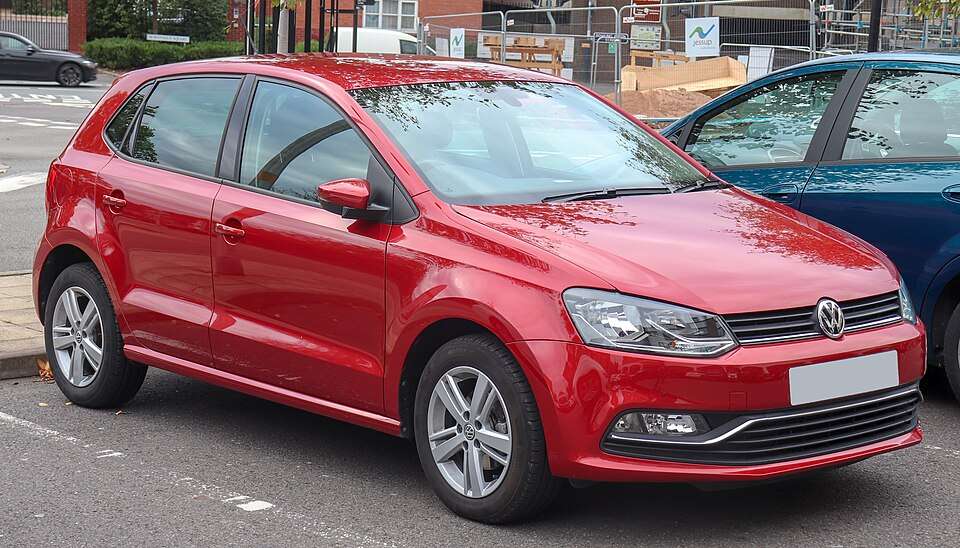
A used Volkswagen Polo 6R or facelift 6C petrol can be a useful everyday purchase: compact dimensions, a familiar cabin and a large market in cars and parts. The ordinary petrol versions deserve the same careful buying advice as the GTI, particularly when a first-time buyer is stretching the budget to obtain a Volkswagen badge.
This guide concentrates on the 1.0 MPI and 1.2 TSI. It separates earlier and later engine families rather than assuming that every 1.2 TSI uses the same timing drive. It does not cover the GTI, BlueGT, diesel models or the later AW generation as interchangeable applications. An earlier naturally aspirated 1.2 is also a separate engine choice, even when an advert loosely calls it a petrol Polo.
Our recommendation: start with a well-kept 1.0 MPI manual for modest local performance needs, or a correctly identified, documented 1.2 TSI where extra flexibility is useful. Buy on cold-start condition, service evidence and total catch-up costs. A basic car with good tyres and invoices can be better value than a sporty-looking example with unresolved engine or DSG symptoms.
Choose the engine before choosing the trim
| Choice | Why consider it? | Essential qualification |
|---|---|---|
| 1.0 MPI manual | A sensible starting point for modest performance needs. | Naturally aspirated MPI is not the turbocharged 1.0 TSI; order its own parts. |
| Earlier 1.2 TSI / EA111 applications | Useful flexibility at potentially attractive prices. | Verify engine code and chain history/condition rather than applying a later belt package. |
| Later 1.2 TSI / EA211 applications | A worthwhile shortlist where the complete history is good. | Confirm belt-drive application and current maintenance requirements by VIN. |
| DSG-equipped car | Convenient in traffic when functioning correctly. | Identify the transmission; dry and wet-clutch servicing advice is different. |
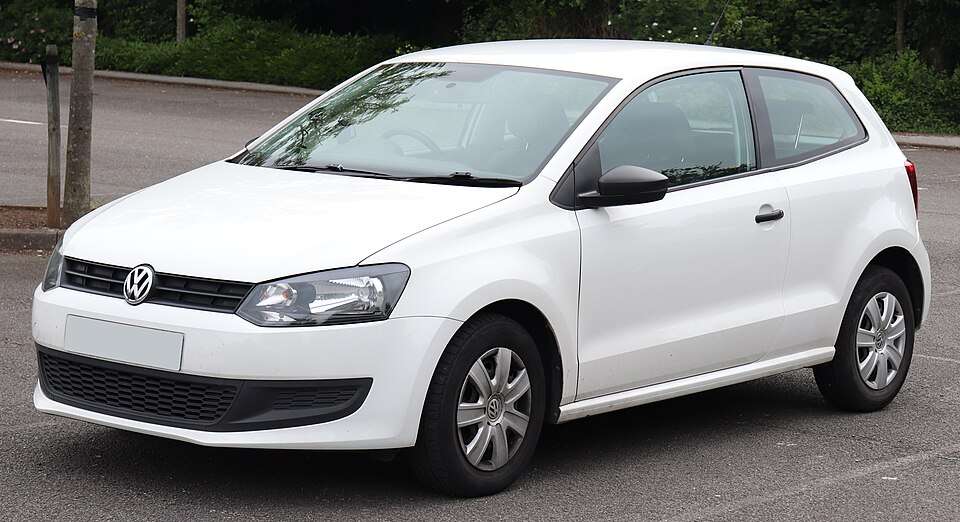
| Three- versus five-door | Different access needs in a small car. | Try rear entry, child seats and the room needed to open the doors. |
Get the engine and gearbox codes checked against the VIN and vehicle data. Facelift appearance, a registration date or a replacement engine cover is not sufficient identification. Around model changes, an advert may use an approximate year range or data from another derivative.
The distinction between MPI and TSI is more than a badge. The naturally aspirated 1.0 and turbocharged 1.2 have different performance, servicing and parts requirements. If you regularly carry passengers or drive on faster roads, test the actual car on a suitable route rather than assuming that any small petrol will feel the same.
Volkswagen’s EA211 technical background describes the newer engine family and its belt drive. That archive is family context, not proof that an individual early 1.2 TSI has been converted to it, nor a current UK service schedule. Identification comes first; maintenance advice follows.
Trim, equipment and first-car budgeting
Match and other well-equipped versions can be appealing, but verify the actual features. Check air conditioning, phone connection, parking aids and the number of keys. A list automatically populated by an advert platform can include mistakes, and a replacement screen does not guarantee factory functionality.
Obtain insurance quotes for the registration before travelling, especially for younger drivers. Declare modifications, including wheels, lowered suspension and engine software where applicable. A lower purchase price is not a saving if insurance, tyres and immediate repairs exceed the budget.
How to compare prices without being misled
Compare the same engine family, transmission, door count, age band and approximate mileage. Separate dealer and private adverts, and read what any warranty actually covers. Asking prices do not establish completed sales; their value is in helping you find comparable cars to inspect.
Before travelling, ask for the oil, timing-drive, clutch or DSG invoices and the reason for recent repairs. Build a first-year total from the asking price, inspection, insurance, tax and written estimates for identified work. A car costing several hundred pounds more can make sense if the difference buys verified work rather than cosmetic extras.
Timing drive: do not buy a kit from the badge alone
Earlier chain-driven 1.2 TSI applications
Arrange a genuine cold start and listen for abnormal rattling or mechanical noise. A seller warming the engine before an agreed viewing removes useful evidence. A brief listening check is not a full chain assessment, so ask a VAG specialist to investigate concerning noises or related fault codes.
For claimed previous work, request an invoice identifying the engine, mileage, workshop and components. Ask why the repair was needed, whether associated guides, tensioner, hardware and seals were included and whether any consequential damage was found. “Chain done” without a date or scope is weak reassurance.
A quiet start does not guarantee unlimited remaining life. Conversely, not every noise comes from the timing drive. Have the source diagnosed before accepting either a cheap repair explanation or an expensive worst-case estimate. A chain-kit listing is not the fitted bill.
Later EA211 belt-driven 1.2 TSI applications
Check the current Volkswagen requirements for the actual VIN, age, mileage and market. Historic press descriptions and a workshop’s general recommendation can differ from current vehicle-specific advice. Ask the workshop to explain what is due and why rather than copying a universal interval from another engine.
JBS publishes separate EA211 timing-belt and water-pump/drive-belt menu items. This matters when comparing quotes: a belt change and a separate pump job are not automatically one combined kit-and-labour package. Request the complete component list, fluids, hardware, labour, VAT and exclusions.
Use the same identification discipline for the 1.0 MPI. Do not assume a menu price labelled 1.0 TSI certifies the MPI application. Missing evidence should lead to a VIN-specific inspection and quote, not an indiscriminate purchase of the cheapest 1.0 timing kit search result.
Water pump, thermostat and coolant loss
Inspect the coolant level cold, look for staining and ask about top-ups, overheating and inconsistent cabin heat. During a normal road test, monitor stable temperature and heater performance. Do not open a hot system; pressure testing belongs in the workshop.
A leak can come from several components and may not fall directly beneath its source. Ask what diagnosis supports a proposed pump or thermostat replacement. Correct coolant and the bleeding procedure matter; repeated topping up or sealant is not evidence of a lasting repair.
Confirm whether a previous timing job included cooling work or whether the invoice concerns a separate drive. This is a practical reason to read the line items rather than merely the total. A small pump listing is not comparable with a complete fitted cooling repair.
Starting, oil, ignition and turbo checks
Check the warning-light sequence, cold idle, acceleration and hot restart. Persistent misfire, smoke, unusual knocking or hesitation deserves investigation. On the 1.0 MPI, some three-cylinder character is normal, but that is not an explanation for a recurring warning or severe uneven running.
Read oil invoices for the correct Volkswagen approval and quantity for the engine and service regime. Viscosity alone is not the full specification. Ask about oil use between services and seek quantified answers over distance. A recently reset service display does not establish when or how the last service was performed.
For misfires, have plugs, ignition components, wiring, intake leaks, fuelling and mechanical condition checked as the evidence requires. A cylinder code identifies where a symptom was detected, not automatically the part to buy. Ask whether compression or other testing is justified if symptoms remain unexplained.
On the 1.2 TSI, assess smooth, repeatable response under safe normal load. Hoses, actuators, sensors and the turbo itself can contribute to boost complaints. Do not assume a boost-related code means a replacement turbo, or that a seller’s claim of a cheap actuator repair is already a diagnosis.
Look for oil and coolant leakage from above and on a lift. Undertrays conceal evidence, and fresh cleaning makes the post-drive check useful. Record fault information before clearing codes and request a written interpretation rather than a photograph of a scan screen with no explanation.
Manual versus DSG
Manual clutch and selection
Try all gears and reverse cold and warm. The clutch should take up consistently without repeated shudder, slipping under normal safe load or abnormal noises as the pedal is operated. Do not provoke slip with an abusive stall test.
Difficult selection can involve the clutch, release system, linkage, mounts or gearbox itself. Have the actual cause assessed before accepting a kit price as the solution. A clutch quotation should identify the transmission, release components, fluids, seals and hardware and state what additional work may be required.
DSG: identify the unit and test it properly
DSG is not one universal gearbox. Establish the code and clutch design before using an interval, oil specification or service-kit listing. A wet-clutch DQ250 service price is not automatically appropriate to the dry-clutch DSG applications relevant to small petrol Polos.
Test forward/reverse engagement, gentle pull-away, slow parking, ordinary acceleration and fully warm traffic behaviour. Repeated judder, flare, delay, harsh engagement or warning messages need a specialist assessment. An adaptation or fluid change cannot be promised to cure worn clutches or a control-system problem.
Ask for invoices for previous clutch, mechatronic or software work, including what prompted it and whether the repair solved the complaint. Verify recall or service-campaign status for the actual VIN with Volkswagen. Do not apply every DSG campaign reported for another model or country to every Polo.
Drive a dual-clutch car using the correct normal procedure. Avoid holding it on an incline with throttle or unnecessarily prolonged creeping during a test. Good driving habits help assess the car fairly but cannot certify its previous use or remaining component life.
Steering, suspension, brakes and wheels
Check straight tracking, steering assistance, return towards centre and knocks over normal road surfaces. On a lift, inspect springs, dampers, bushes, joints and wheel bearings. An alignment should follow diagnosis and repair of worn or damaged parts rather than substitute for it.
Look across the full tyre width, including inner shoulders, and inspect sidewalls and wheel condition. A small car may have encountered repeated kerbs and potholes without obvious exterior damage. Check approved sizes and ratings before valuing aftermarket wheels or budgeting replacements.
Assess braking stability, pedal feel, vibration, dragging and noise. Rear brake arrangements and component sizes vary with specification, so do not order from the model name alone. A sticking caliper, wheel cylinder or parking-brake fault can change the scope beyond routine friction parts.
Investigate ABS, stability or steering warnings with both suitable diagnostics and physical checks. A weak battery can complicate electrical behaviour, but it should be tested rather than used to dismiss several warnings. Save diagnostic evidence before clearing it.
Body, cabin and water leaks
Compare panel gaps, paint shade, overspray and accessible seams. Inspect the boot floor, jacking points and underside for damage or corrosion. A paid history check adds useful information but cannot guarantee that every previous repair was minor or well executed.
Check carpets, boot well, door seals and surrounding trim for moisture and odours. Ask what caused previous dampness and whether it was repaired; a recently dried carpet is not proof of a cure. Check door locks, window regulators and the tailgate repeatedly.
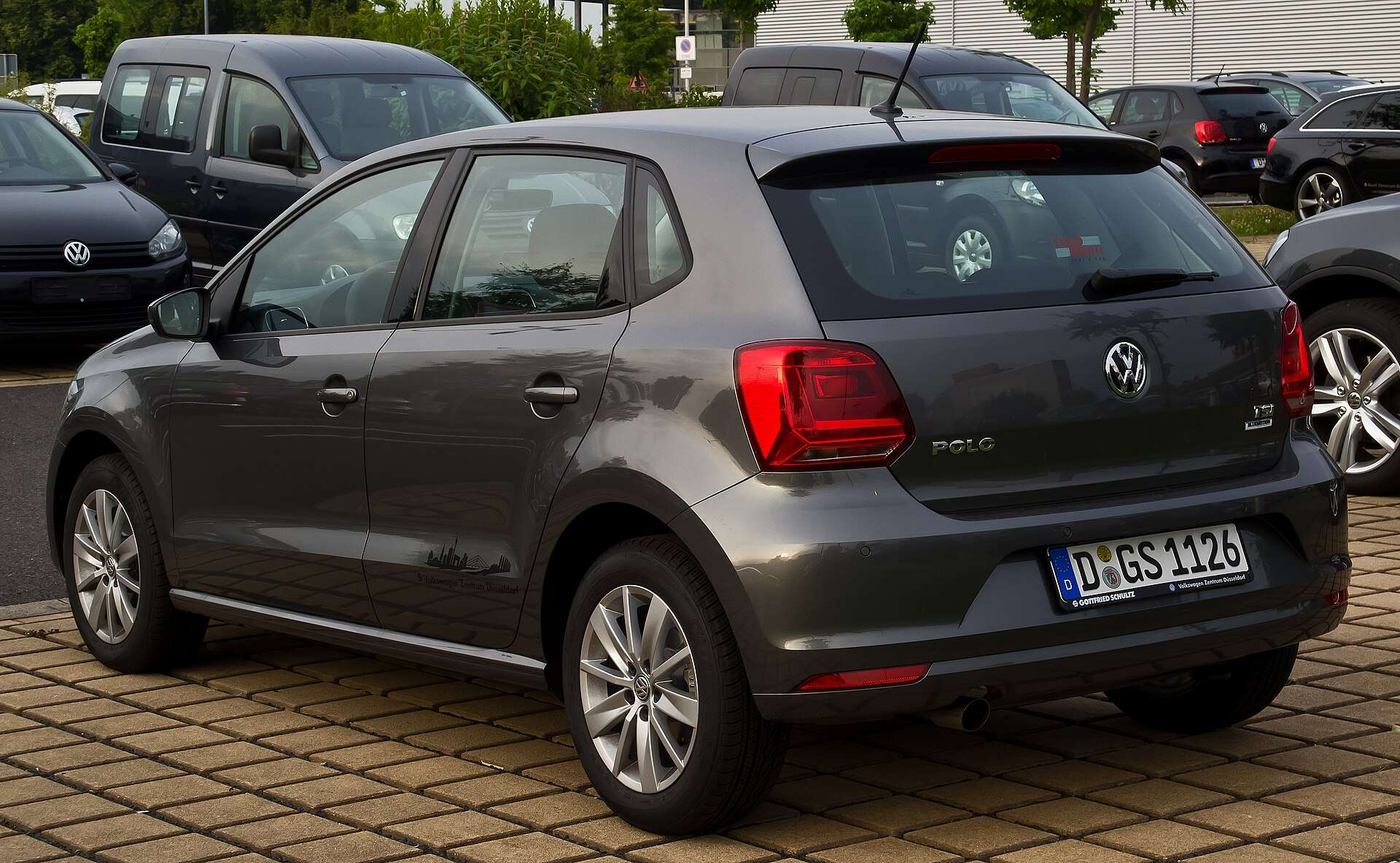
For a three-door, try the seat-release mechanisms and rear access. In either body, fold the seats and check the luggage cover, floor equipment and tyre-repair kit or spare where applicable. Price missing items before committing the whole reserve to cosmetic improvements.
Love cars you don’t see every day?
Get forgotten cars, surprising motoring stories and the most interesting finds from Unusual Cars by email.
Free to join. No spam. Unsubscribe whenever you like. See our privacy policy.
Electrical equipment and daily usability
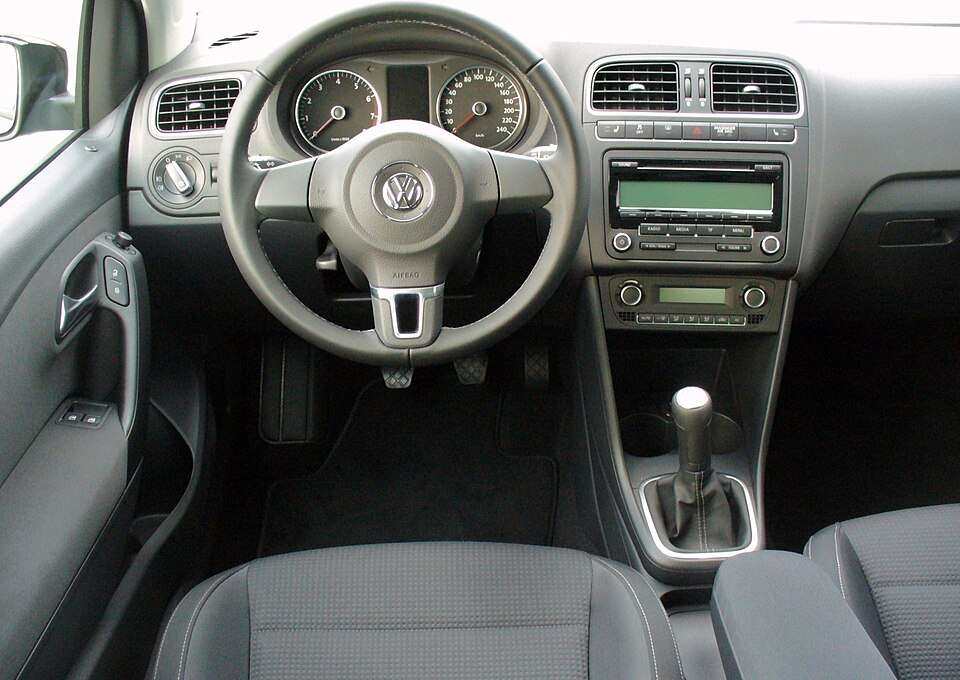
Operate the fan at every speed and test sustained air-conditioning cooling. “Only needs a regas” is a claim requiring system checks, not a costed diagnosis. Test mirrors, heated equipment, central locking, rear wiper, washers and both keys.
Pair your phone where permitted and check audio, sockets and any navigation or parking equipment you expect to use. Early and later systems differ, and a large aftermarket display can conceal poor wiring or missing original functions. Ask who installed it and whether all controls still work.
Check battery age, condition and charging performance. Stop/start technology and vehicle specification affect the correct replacement. A cheap battery search result does not include diagnosis or any configuration required for the installed system.
Polo petrol viewing checklist
- Before travelling: confirm 6R/6C, engine and gearbox codes, door count and modifications. Ask for dated oil and timing-drive invoices and agree a cold start.
- Paperwork: match VIN and registration, compare MOT and service mileage and use an appropriate provenance check.
- Cold inspection: assess fluid levels safely, leaks, tyres, damp and the warning-light sequence. Listen and observe idle without repeatedly revving a cold engine.
- Road test: use an insured route with normal manoeuvres, cruising, braking and moderate acceleration. Check manual or DSG behaviour cold and fully warm.
- Workshop: request a lift inspection and VAG-capable scan, with explanation of timing, cooling or gearbox concerns and any further tests needed.
- Before payment: confirm campaigns and obtain itemised fitted quotations. Keep a reserve beyond known work and agree promised repairs in writing.
Which findings change the decision?
Routine servicing, tyres, brakes, missing accessories and cosmetic wear can be negotiating items if the underlying car is sound. Price them properly and check whether a claimed recent service actually included the due items.
Investigate abnormal timing noise, coolant loss, repeated misfire, DSG symptoms or persistent warnings before agreeing a price. Oil-pressure or overheating warnings, serious undisclosed structural damage and refusal of reasonable identity or inspection checks are reasons to stop unless properly resolved.
UK maintenance costs: parts, labour and complete scope
JBS publishes inclusive VAG workshop menus. These are comparison points, subject to confirmation for the exact Polo, engine and work due. Where parts and labour are bundled, no hourly rate or parts subtotal is invented.
| Job | Published scope / labour evidence | Price example and limit |
|---|---|---|
| Petrol service up to 1.5 litres | JBS uses VAG parts/fluids and lists inspection/diagnostic checks. Confirm filter and plug contents. | Minor £145; intermediate £215; major £380, including VAT. |
| 1.2 TSI EA211 timing belt | Separate engine-family menu item; broad vehicle-dependent workshop duration is not an exact Polo labour allowance. | Genuine-parts option £540; OE-parts option £425, including VAT. |
| EA211 water pump and drive belt | Listed separately from the timing-belt job. | £330 including VAT; confirm exact application and coolant/hardware scope. |
| Earlier EA111 chain or DSG repair | Diagnosis, exact engine/gearbox and full component scope required. | Obtain a specific quote; later belt and wet-clutch DSG menus do not establish this cost. |
| 1.2 TSI 6C service-kit comparison | Observed eBay oil/filter package examples around £53–£64; contents vary. | Parts only; no fitting, inspection or guaranteed fitment. |
| 1.0 MPI timing/cooling work | Confirm engine-specific requirements. | Do not transfer the supplier’s 1.0 TSI price to MPI without eligibility confirmation. |
Read the service menu and timing/pump menu. The latter’s general prose and interval wording must be reconciled with its engine-specific rows and the current Volkswagen requirements for the actual VIN. Ask for a written scope, particularly where pump and timing work are separate.
A worked catch-up example
For an eligible EA211 1.2 TSI needing the £145 minor service and £540 genuine-parts timing-belt job, the menu arithmetic is £685. A separately required £330 pump/drive-belt job would take that to £1,015, before any overlap or additional work is agreed. Do not add it automatically if it is not due or if your combined quotation already includes it.
The numbers exclude tyres, insurance, tax, faults, DSG repairs and unlisted extras. Compare complete quotes with the work documented on another car. A parts-only kit should not be added on top of a workshop package already supplying the same components.
Polo petrol eBay service-parts table
Affiliate disclosure: the searches use campaign 5339238906 and may earn commission from qualifying purchases. Results can mix generations and engine families. Confirm VIN, engine/gearbox code, original part number, oil approvals and kit contents with the supplier.
| Item | What must match | eBay search |
|---|---|---|
| 1.0 MPI service kit | Naturally aspirated engine application and approved oil. | 1.0 MPI kits |
| 1.2 TSI service kit | EA111 versus EA211 application and oil requirement. | 1.2 TSI kits |
| Spark plugs | Exact engine, specification and quantity. | Spark plugs |
| Air / cabin filters | Airbox and cabin-filter specification. | Air / cabin filters |
| Earlier timing-chain kit | Confirmed EA111 application and complete diagnosed job. | Chain components |
| Later timing-belt kit | Confirmed EA211 engine and correct hardware. | Belt components |
| Water pump / drive | Separate drive layout and diagnosed cooling fault. | Cooling parts |
| Auxiliary belt / tensioner | Exact routing and pulley condition. | Auxiliary-drive parts |
| Alternator | Output, pulley, connector and engine. | Alternators |
| Battery | Size, capacity, technology and setup. | Batteries |
| Brakes | Axle, dimensions and rear arrangement. | Brake parts |
| Manual clutch | Transmission code and release components. | Manual clutch kits |
Hidden ownership costs
Insurance and keys: get the actual registration quoted before buying and ask about the cost of a missing key, including programming. Declared modifications can change insurance even when they look cosmetic.
DSG diagnosis: routine maintenance, clutch work and mechatronic repair are different scopes. A low-price service advert does not establish the cost of curing a repeated shift complaint. Read repair-warranty terms and exclusions.
Tyres, wheels and suspension: inner-edge wear, damaged rims and worn joints can create a larger first bill than expected. Get fitted prices and repair the cause before alignment.
Age and equipment: air conditioning, locks, windows, damp carpets and poorly installed screens can need attention even when the engine runs well. Low mileage does not stop seals, tyres or fluids ageing.
Verdict: sensible transport needs precise engine identification
A documented Polo petrol can be a useful everyday car. Choose 1.0 MPI for the performance needs it can comfortably meet, or a sound 1.2 TSI for greater flexibility. The best example is the one whose condition and first-year budget make sense, rather than the one with the most fashionable trim.
Confirm chain versus belt application, inspect cooling and oil history, and test the actual transmission properly. Keep the GTI, BlueGT and other engine advice separate. That discipline makes the maintenance table useful and prevents a familiar badge from hiding an unsuitable parts order.
Frequently asked questions
Does every Polo 1.2 TSI have a timing chain?
No. Identify the engine family and code. Earlier chain and later belt applications require different checks and parts; registration year alone is insufficient.
Is 1.0 MPI the same as 1.0 TSI?
No. MPI here is the naturally aspirated application. Do not transfer turbocharged-engine parts or prices without confirming fitment.
Does a timing-belt job include the water pump?
Not automatically. The cited EA211 menu separates the timing belt from the pump/drive-belt job. Request the full written work list for your car.
Can I use a DQ250 service price for any Polo DSG?
No. Confirm the transmission code and clutch design. A wet-clutch service menu does not establish the appropriate work for a dry-clutch unit.
Is low mileage more important than service history?
It does not replace service evidence. Time, use, correct fluids, engine identity and physical condition all matter.

Love cars you don’t see every day?
Get forgotten cars, surprising motoring stories and the most interesting finds from Unusual Cars by email.
Free to join. No spam. Unsubscribe whenever you like. See our privacy policy.