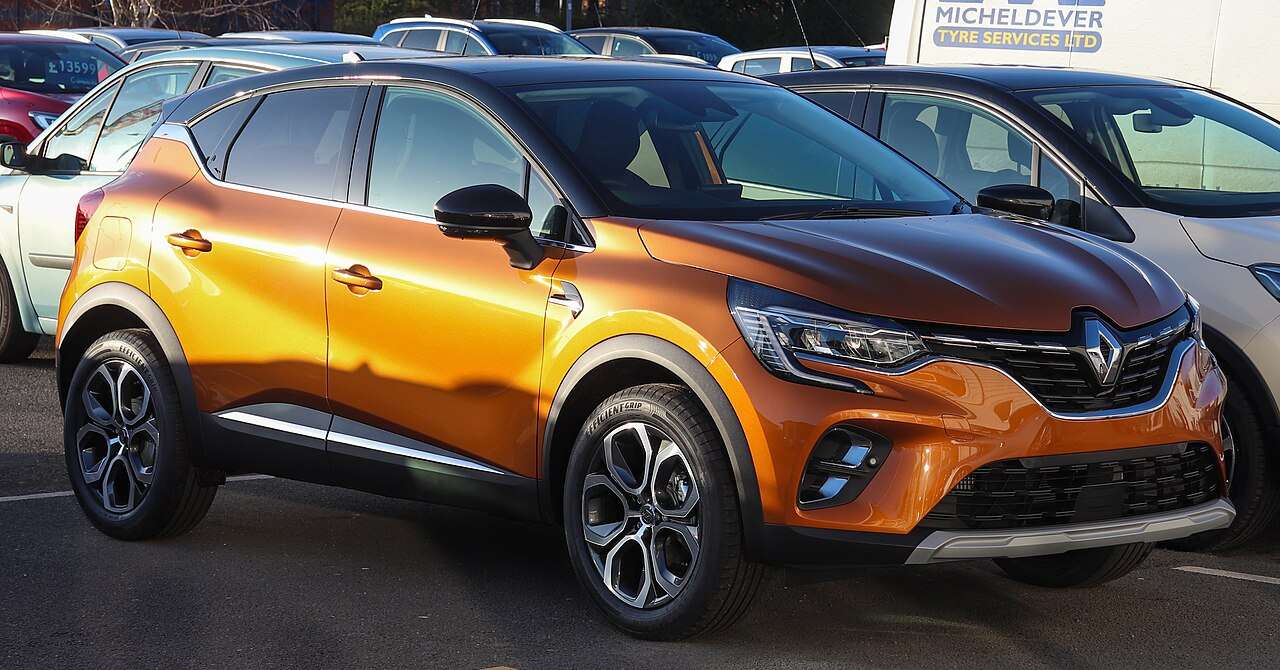
A used Renault Captur Mk2 can be a sensible family car without needing a diesel commute or a hybrid premium. The conventional TCe petrol versions are the focus here: a smaller 1.0 for lighter duties, a stronger 1.3 for regular loaded journeys, and a choice of manual or EDC automatic depending on engine and year. The best purchase is the combination that suits your use and comes with convincing maintenance evidence.
This guide covers the second-generation Captur introduced around the 2019/2020 changeover, concentrating on the established 1.0 and 1.3 TCe petrol cars. It does not apply the older 1.2 TCe’s reputation or maintenance requirements to every newer Captur. Nor does it treat the E-Tech full hybrid, plug-in hybrid and later mild-hybrid derivatives as mechanically identical. Buying the original model? Start with our Captur Mk1 buying guide.
Affiliate disclosure: we may earn a commission from qualifying eBay purchases. Search links help you compare availability; they do not guarantee a part fits your car.
Quick verdict: which Captur petrol should you buy?
- Mostly local journeys: a well-maintained 1.0 TCe manual is the natural starting point. Test it with passengers and on an uphill road before assuming the smallest engine meets your needs.
- Regular motorway and family use: compare a 1.3 TCe manual with a good EDC example. Its appeal is accessible performance, rather than a need to chase the highest output.
- Automatic essential: buy on the quality of the EDC test drive and diagnostic inspection. A smooth demonstration on a flat forecourt is insufficient.
- Lowest purchase risk: a standard car with dated invoices, matching tyres, two functioning keys and no outstanding warning messages beats a more elaborate trim with a patchy story.
Our default choice is the nicest documented 1.3 TCe you can afford, provided the insurance quote and gearbox suit you. Choose the 1.0 if its performance genuinely works on your route. Do not pay extra for a large screen or attractive wheels while leaving no reserve for tyres, brakes and a proper first service.
Identify the generation, engine and gearbox first
Registration year is not enough at the changeover. A 2020 registration can still describe an older-generation car, and a search for “Captur petrol” brings together several unrelated powertrains. Establish the VIN, engine capacity, power output, transmission and original specification. Compare the V5C with the car, the service invoices and a Renault dealer’s record. If an advert describes a car as both a conventional TCe and an E-Tech, resolve the inconsistency before travelling.
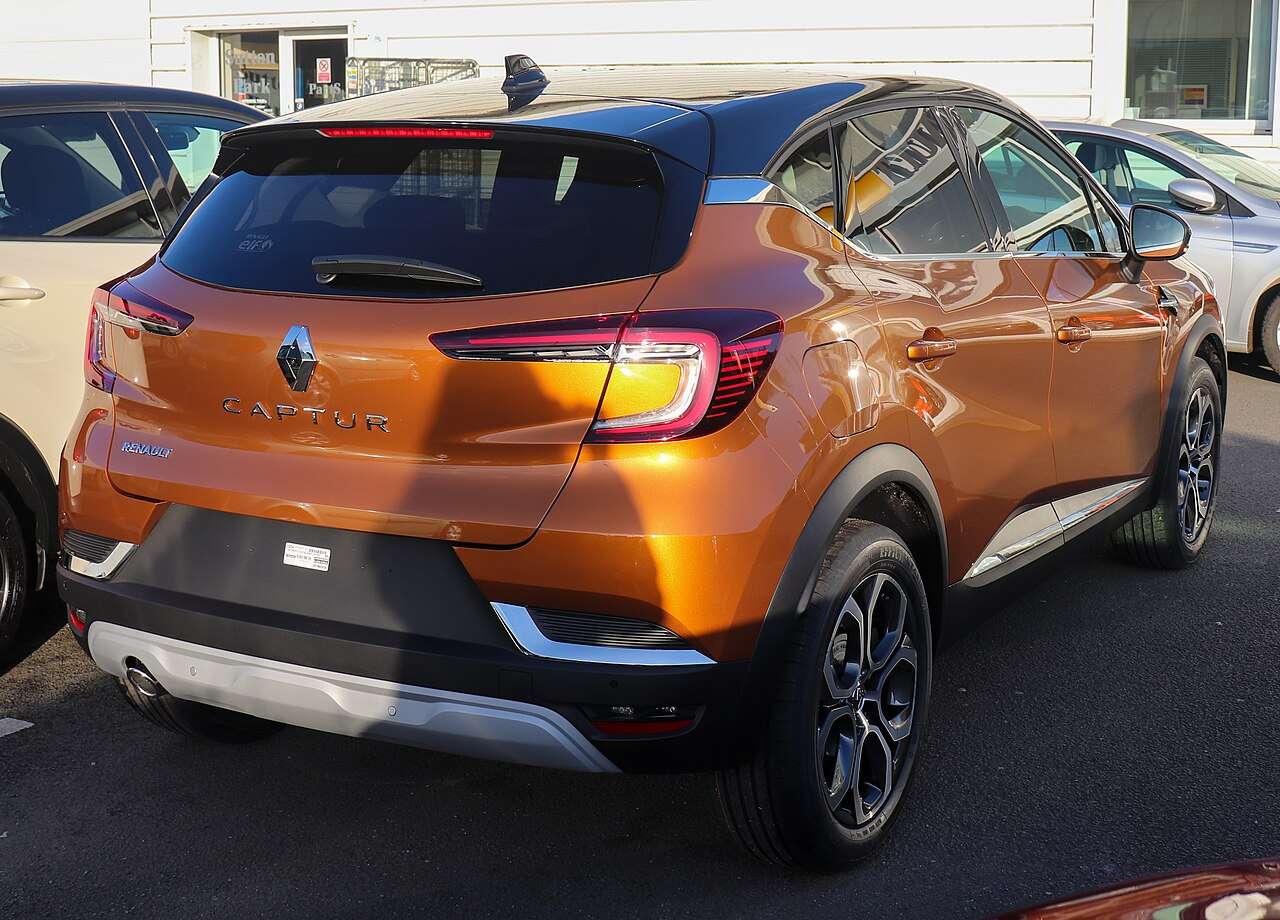
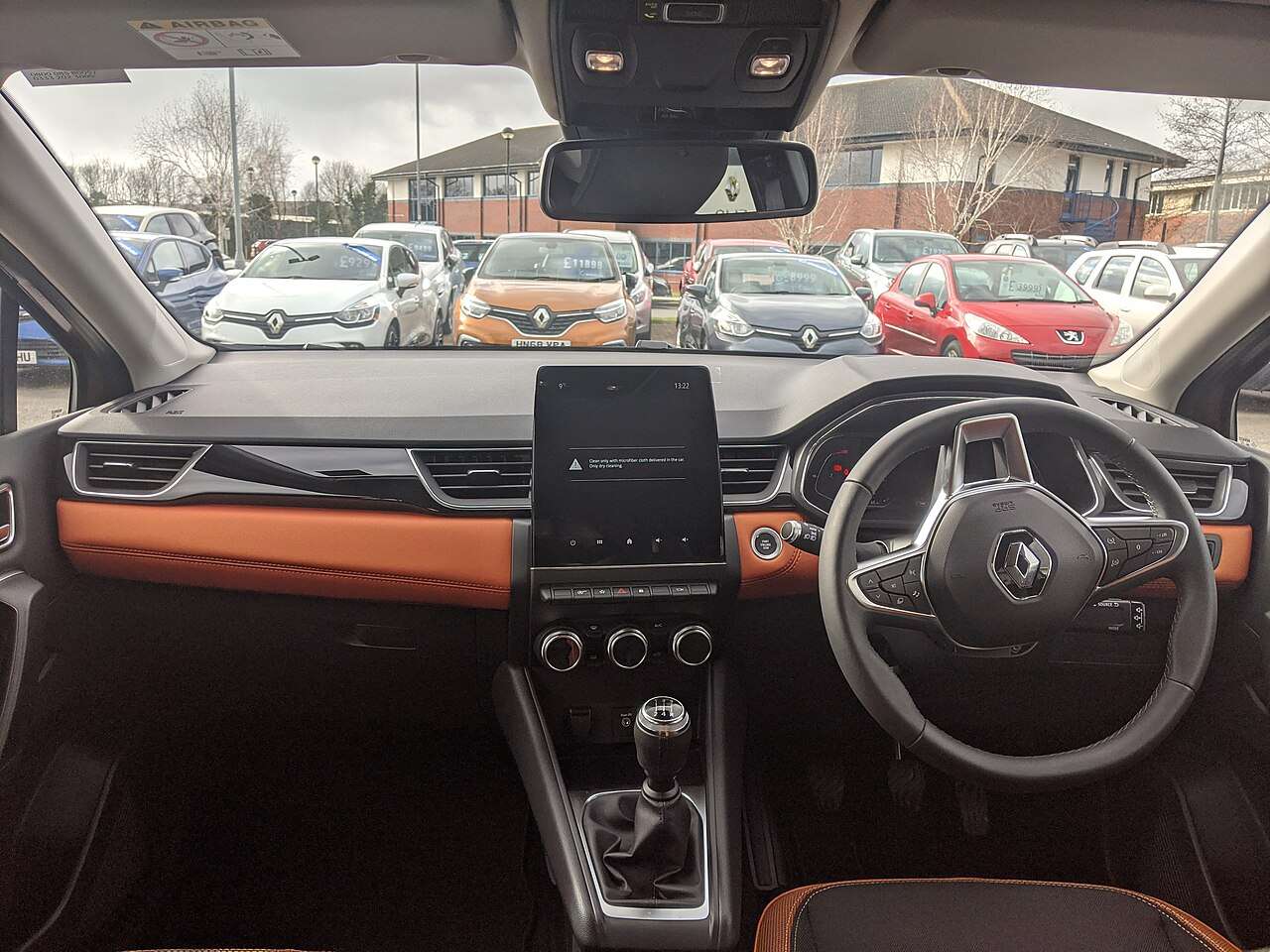
The Mk2’s more substantial cabin, revised dashboard and rear-seat arrangement distinguish it from the original Captur. Use interior and body photographs alongside documents. Do not identify an engine solely by a boot badge: badges can be removed, changed or described incorrectly. A 1.3 TCe and the older 1.2 TCe are not interchangeable when assessing service parts or faults.
| Version to compare | Why it may suit you | What changes the buying decision |
|---|---|---|
| 1.0 TCe manual | Local use, lighter loads, buyers prioritising a straightforward specification | Real-world hill starts, overtaking reserve, clutch condition and the exact year’s output and gear count |
| 1.3 TCe manual | Mixed journeys and regular family loads | Oil-service records, clean acceleration, clutch operation and insurance |
| 1.3 TCe EDC | Drivers wanting an automatic for mixed use | Cold and hot manoeuvres, delayed engagement, judder and gearbox-specific history |
| Later facelift petrol | Buyers valuing newer cabin technology and appearance | Do not assume it has the early 1.3 engine or the same infotainment system |
Renault’s July 2024 UK information describes the facelift’s 1.0-litre TCe 90 petrol alongside the separate E-Tech full hybrid. It also documents a sliding rear bench with up to 16cm travel. Its headline boot volume is an “up to” figure, dependent on configuration. This is why a single specification copied across every Mk2 advert is misleading.
1.0 versus 1.3 TCe: buy for your actual journeys
Start the 1.0 from cold, let it settle and then drive it normally once warm. A three-cylinder engine has its own sound and vibration characteristics; persistent misfiring, a flashing warning light or violent shaking still needs diagnosis. Try a familiar hill in a suitable gear. If you need repeated downshifts or dislike its loaded response, buying it for a theoretical fuel saving is unlikely to make you happy.
The 1.3 deserves the same disciplined inspection. A stronger engine can disguise a slipping clutch or an intermittent hesitation during a gentle drive. Accelerate progressively through the middle of the rev range on a safe road. It should pull cleanly without cutting out, surging or producing warning messages. Ask the seller whether it has ever needed repeated coolant top-ups, oil top-ups between services, ignition repairs or emissions-related work. Ask for invoices supporting the answer.
Do not confuse an inspection checklist with proof that every Captur suffers a particular failure. We would investigate poor running, fluid loss and unexplained noises on either engine; the result of that investigation determines whether there is a problem. Internet reports about another Renault engine are not a substitute for identifying this one.
For short journeys, compare your expected annual fuel bill with the purchase price and likely maintenance. A modest economy difference can be overwhelmed by one neglected set of tyres or a gearbox repair. For repeated long trips with luggage, prioritise comfortable cruising, overtaking response and seat comfort. Drive both engines if you are uncertain, using similar roads rather than two very different sales demonstrations.
Service history: what convincing evidence looks like
Ask for the maintenance schedule applicable to the VIN and check dates as well as mileage. A low-mileage car can still need time-based work. Look for the correct oil approval on invoices, not simply “synthetic oil”. A receipt for a bottle of oil does not prove a complete oil and filter service, and a dashboard reminder reset does not establish that the work was done.
Separate routine servicing from additional operations. Spark plugs, brake fluid, filters and gearbox work may not all be included in a basic service package. Renault’s A and B service descriptions make this distinction particularly important: the A service’s checks and cabin-filter work are not the same as the petrol B service’s engine-oil and filter work. A file of annual A-service receipts alone needs checking against the complete schedule.
Check the last completed mileage against MOT records and previous invoices. Question a sequence with unexplained gaps, a sudden change of mileage or repeated recommendations that never turn into paid repair bills. A dealer saying the history is “online” should be able to show the relevant record with the seller’s agreement. Have the workshop identify the timing system and required checks for the exact engine; do not order a generic “Captur timing belt kit” based only on the model name.
Engine, cooling and underbonnet inspection
Arrange a genuinely cold viewing. Check the temperature display and carefully feel for an already warm engine without touching hot or moving components. An engine warmed before your arrival is not automatically faulty, but it removes useful evidence. If the seller cannot provide a cold start, arrange another opportunity or make an independent inspection part of the purchase.
With the engine cold, inspect the coolant level and look for staining around connections and the expansion tank. Freshly cleaned surfaces should prompt a closer look after the test drive. Check for oil leaks, loose intake plumbing, damaged wiring and improvised repairs. If the coolant is low, establish why before assuming topping it up solves the problem. Never open a hot cooling system.
Listen at start-up and after the engine has settled. Persistent metallic noises, irregular idle or a warning light are reasons to diagnose, not to accept a confident explanation about “normal Renault behaviour”. On the road, check that the heater remains effective and the temperature stays stable. After stopping, inspect again for new drips or strong smells. A clean scan without an explanation for obvious symptoms is not a clean bill of health.
Ask about battery replacement and periods off the road. A weak 12-volt battery can contribute to odd electronic behaviour, but blaming every warning on the battery is equally unhelpful. A specialist should check battery health and charging, then investigate any remaining fault codes. Avoid buying a car on a promise that a replacement battery will definitely cure an unidentified problem.
Love cars you don’t see every day?
Get forgotten cars, surprising motoring stories and the most interesting finds from Unusual Cars by email.
Free to join. No spam. Unsubscribe whenever you like. See our privacy policy.
Manual clutch and EDC automatic checks
On a manual car, assess the clutch bite, pedal consistency and selection of every gear. A high bite alone is not a diagnosis. Look for the combination of slipping under load, difficulty selecting gears, judder when setting off and unusual noises with the pedal pressed or released. Try reverse after a full stop. A sales drive that never leaves first and second gear tells you very little about the drivetrain.
An EDC automatic needs a longer test. From cold, select drive and reverse with your foot on the brake and allow the transmission to engage normally. Try gentle parking manoeuvres, a slight slope, stop-start traffic and normal acceleration. Repeat manoeuvring once fully warm. Persistent shudder, banging into gear, warning messages or repeated hesitation followed by a lurch require a gearbox specialist’s assessment.
Dual-clutch operation should not be assessed by expecting a torque-converter automatic’s creeping behaviour in every situation. Equally, the seller should not use “they all do that” to explain severe judder. Identify the transmission code and ask Renault what maintenance applies to it. Do not import an interval, oil specification or repair estimate from an unrelated Renault or Volkswagen gearbox.
Request invoices for software updates, clutch work or gearbox repairs. A successful previous repair with a proper invoice can be reassuring; an unexplained recent code reset is not. Make any purchase subject to an inspection that includes both road testing and diagnostics. A generic warranty’s headline limit may be far below the cost of a major transmission repair, and wear-related exclusions matter.
Cabin, Easy Link and electrical equipment
Test the screen from a cold start rather than accepting a photograph showing it illuminated. Pair your own phone, make a call, play audio, check the microphone and try the phone-projection features fitted to that specific car. Use both a known-good cable and the appropriate socket where required. An early Easy Link-equipped Captur and the later facelift’s OpenR Link system should not be advertised as the same technology.
Operate the heating and air conditioning at both ends of the temperature range. Test fan speeds, demisting and air direction. If the air conditioning is weak, ask for a diagnosis rather than budgeting only for a regas. A leak or failed component changes the bill. Check the reversing camera and sensors, heated equipment where fitted, electric windows, mirror adjustment and the instrument display.
Check both keys and keyless functions away from the seller’s hand. Establish what is included in a lost-key replacement quotation: supplying the key, programming it and removing a missing key from the vehicle may be separate concerns. Ask the seller to remove personal accounts and explain any connected-service subscription rather than assuming every online function remains free.
Look under mats and in the boot for damp, odour or staining. Lift accessible storage covers and inspect around the spare-wheel or repair-kit area. Move the rear bench through its travel and check that it locks securely. Fold the backrests and test the load floor. A seized or damaged seat mechanism is particularly frustrating if the flexible interior was your reason for choosing the Captur.
Suspension, tyres, brakes and accident damage
Drive over a rough surface at low speed and listen for repeated knocks. On a faster, smooth road, note vibration, wandering and steering that fails to centre naturally. Inspect the inner as well as outer tyre shoulders; a shiny exterior does not reveal uneven wear on the hidden edge. Ask about alignment work if one tyre has been replaced much earlier than its opposite number.
Check all four tyre sizes against the car’s approved specification. Larger wheels can look attractive while making replacement tyres and kerb damage more expensive. Compare the price of a complete set before paying extra for a trim. A mix of mismatched tyres, low tread and battered rims is useful negotiating evidence, but it can also suggest the owner has economised elsewhere.
Brake from normal road speeds on a safe stretch. The pedal should feel consistent, the car should remain stable and the steering should not shake repeatedly. Inspect disc condition and ask a workshop to measure wear if uncertain. Brake warnings need diagnosis. If an electric parking brake is fitted, check it holds and releases normally and include the correct service procedure in any rear-brake quotation.
Look along the body for mismatched paint, uneven panel gaps and overspray on seals. Inspect the windscreen, lamp units and camera or sensor areas. Ask for repair invoices after any accident. Where a screen or bumper repair involved driver-assistance equipment, establish whether the required checks or calibration were completed. A freshly painted panel is not automatically a reason to reject the car; an evasive explanation and poor repair quality are.
UK maintenance costs: parts, labour and fitted prices
Use the following as sourced reference points, then obtain a registration-specific quotation. Renault’s published fixed-price page lists maximum retail prices at participating dealers, including parts, labour, oil where relevant and VAT. Eligibility and additional operations matter: the offer excludes diesels, vehicles outside the A/B schedule and several other categories. Supplementary work can cost more when booked separately. Confirm the current price and exact scope before authorising work.
| Work or item | Published price | What the figure means |
|---|---|---|
| Petrol A service | £209 fitted package | Checks and cabin-filter work; do not assume an engine-oil change is included |
| Petrol B service | £314 fitted package | Engine oil, filter and checks under the eligible schedule |
| Combined A and B | £399 fitted package | Check whether mileage-related extras are due as well |
| Front brake pads | £205 fitted reference | Published Renault wear-and-tear operation; confirm applicability and standalone booking price |
| Front pads and discs | £399 fitted reference | Obtain a written quote for the exact car and any additional work |
| Diagnostics | £130 for up to one hour | Diagnosis allowance, not a promise to find and repair every fault within an hour |
| 1.0/1.3 TCe three-filter service kit | £26.99 parts-only listing | Observed eBay search example; verify actual contents and fitment |
| Different filter kit including engine oil | £62.99 parts-only listing | Not the same basket as the filter-only kit; verify oil approval and quantity |
The eBay examples came from the Captur Mk2 TCe service-kit search. Listings change, and a search also returns older Captur parts. Renault’s page does not separate the labour element from its fitted packages. We have therefore not invented a labour-only figure or subtracted an unrelated eBay kit from a dealer bill. For a clutch, EDC fault or alternator, ask the workshop to itemise diagnosis, correct parts, labour, fluids, coding and VAT.
Renault also lists four-cylinder spark-plug replacement at £179 and brake-fluid work at £100 as supplementary operations. These are reference prices with eligibility and booking conditions, rather than automatic additions due at every service. Establish what is due on the VIN’s schedule. Paying for a cheap basic service and ignoring the additional schedule is not the same as maintaining the car properly.
Model-specific service-parts shopping table
Choose the 1.0 or 1.3 search that matches your car. Ask the seller to confirm compatibility against the VIN, engine code and part number. Oil approval, plug specification, brake dimensions and battery type matter more than the word “Captur” in a listing title.
| Service item | Model-specific eBay search | Before ordering |
|---|---|---|
| Oil and filter service kit | Compare oil and filter service kit | Check oil approval, quantity and all filter references |
| 1.0 TCe service kit | Compare 1.0 tce service kit | Do not substitute an older 0.9 TCe kit |
| Air filter | Compare air filter | Match engine and airbox |
| Cabin filter | Compare cabin filter | Check standard or activated-carbon specification |
| Spark plugs | Compare spark plugs | Correct plug reference and quantity |
| Front pads and discs | Compare front pads and discs | Verify brake size and fitted system |
| Rear brakes | Compare rear brakes | Identify the actual rear-brake arrangement |
| 12-volt battery | Compare 12-volt battery | Confirm battery technology and fitting requirements |
| Alternator | Compare alternator | Check output, connectors and exact application |
| Auxiliary belt kit | Compare auxiliary belt kit | Auxiliary drive parts are not timing-system parts |
| Clutch kit | Compare clutch kit | Manual gearbox code, flywheel and labour scope |
| Wiper blades | Compare wiper blades | Check lengths and mounting type |

Hidden ownership costs worth budgeting before purchase
Tyres and wheels: obtain fitted prices for the actual sizes, including balancing, disposal and any alignment investigation. A car that needs four tyres immediately is not equivalent to one with a recently renewed matching set. Check whether a spare wheel or repair kit is present and usable, rather than assuming either is supplied.
Keys, batteries and diagnosis: a missing second key, weak battery and intermittent warning can consume a useful part of your first-year reserve. Price each separately. Do not assume an aftermarket warranty pays for exploratory diagnosis, software or wear. Read the policy’s exclusions and claim limit before treating it as protection against an expensive EDC repair.
Technology and repair work: damaged LED lamps, a screen fault, parking sensors or camera-related accident repairs can cost much more than a routine filter service. Check operation at the viewing and get a real quotation for anything already faulty. A seller’s estimate is not a workshop commitment.
Tax, insurance and finance: check the exact registration’s current vehicle-tax position and obtain an insurance quotation before leaving a deposit. Compare finance using the total amount payable and any final payment. A higher monthly payment can disguise differences in deposit, term and optional extras. Establish whether the car carries outstanding finance and complete the appropriate history checks.
Used prices: compare like-for-like Capturs
A filtered UK listing search showed a 2022 1.3 TCe SE Edition manual advertised at £11,393, a 2024 1.0 TCe techno at £13,566 and a 2025 1.0 TCe evolution at £13,795. These are individual asking prices, not completed-sale values or a valuation for every example. Mileage, accident history, dealer cover and preparation can change the comparison substantially.
The same search also returned a 2020 0.9 TCe, demonstrating why year filters do not reliably separate generations. Check photographs and engine details. Do not use the cheapest result to value a different-generation car, and do not compare a full hybrid with a conventional petrol without accounting for the powertrain difference.
Build a shortlist of genuinely comparable cars, then add immediately due maintenance to each asking price. Record the number of keys, tyre condition, last oil service, required repairs and what the dealer will put in writing. A more expensive car can be the cheaper first-year proposition if it has already had the work the bargain car needs.
A practical viewing and test-drive sequence
- Before travelling: obtain registration, VIN confirmation, engine and gearbox details, service invoices and an assurance that you can see it cold.
- Documents first: reconcile the seller, vehicle identity, mileage sequence, outstanding finance and recorded damage. Check the official recall service and ask Renault about VIN-specific campaigns.
- Cold start: check fluids safely, warning-light self-tests, idle and unusual noises. Photograph any concerns with permission.
- Equipment: test phone connection, climate control, keys, windows, cameras, sensors and the sliding rear seat.
- Road test: use parking manoeuvres, rough roads, a hill and a faster road. Repeat EDC checks when warm.
- After driving: recheck leaks, smells and warning messages. Obtain a diagnostic inspection where symptoms or history justify it.
- Agree the deal: specify repairs, service scope, key supply and warranty terms in writing. Do not exchange a proper repair for an unexplained warning reset.
When to negotiate and when to walk away
Worn tyres, a routine service due soon or cosmetic wheel damage can be priced if the rest of the car is convincing. Unresolved coolant loss, serious gearbox symptoms, identity discrepancies or a seller preventing an independent inspection are different. You need an explanation and repair quotation before a discount becomes meaningful.
Be particularly wary of a car presented with a recently cleared warning and no invoice establishing the cause. Ask what was repaired, not just whether the light is now out. If the vendor cannot show the service history promised in the advert, reconsider the price and risk on the evidence actually available.
Renault Captur Mk2 petrol FAQs
Is the 1.3 TCe the same as the old 1.2 TCe?
No. Identify the exact engine before applying buying advice or ordering parts. A shared TCe badge does not establish a shared engine design, timing system or maintenance schedule.
Should I choose manual or EDC?
Choose the transmission you want to use, then inspect that particular car properly. A manual needs clutch and gear-selection checks; an EDC needs cold and hot manoeuvring tests, diagnostics where indicated and the correct gearbox-specific maintenance evidence.
Does the sliding seat mean every car has the largest quoted boot?
No. Seat position, load-floor arrangement and powertrain affect usable space and published capacity. Bring your pushchair, luggage or mobility equipment and test the arrangement you will actually use.
Is a basic annual service enough?
Only if it fulfils everything due under the car’s schedule. Oil, cabin filters, plugs, brake fluid and other additional operations are not necessarily bundled together. Check invoices and the VIN-specific maintenance requirements.
What would we buy?
A documented, standard 1.3 TCe with a clean inspection is our all-round starting point. A good 1.0 manual is a sensible choice for lighter use if it feels comfortable on your route. Condition and maintenance evidence should decide between closely priced examples.
Renault Captur Mk2 cars for sale
Compare asking prices, then check generation, engine, gearbox and condition. Advertisements can be misclassified; asking prices and auction bids are not completed-sale values.

Love cars you don’t see every day?
Get forgotten cars, surprising motoring stories and the most interesting finds from Unusual Cars by email.
Free to join. No spam. Unsubscribe whenever you like. See our privacy policy.