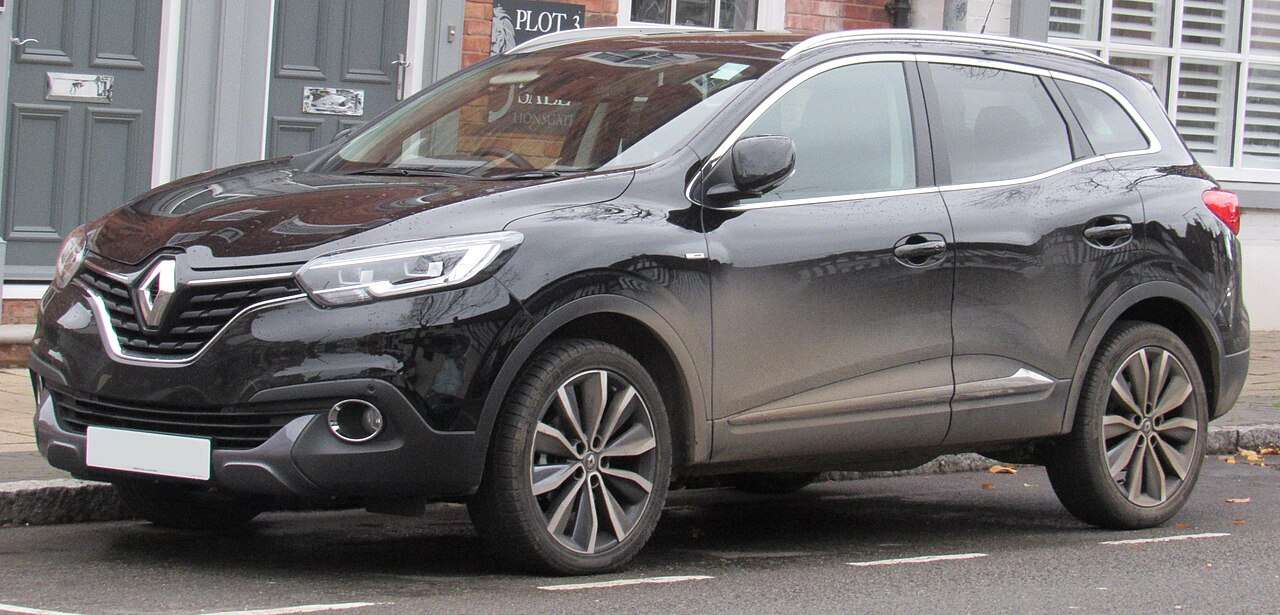
The Renault Kadjar deserves a place on an affordable used-family-SUV shortlist because there is an active market across petrol, diesel, manual and automatic versions. It can offer useful space and equipment for the money, but the engine badge, build period and maintenance record matter more than a low asking price. An early TCe and a later Blue dCi are not the same ownership proposition.
This guide covers the 2015–2022 Kadjar, including the facelift delivered in the UK from 2019 and the later range changes. It separates earlier TCe and dCi engines from the later 1.3 TCe and Blue dCi families. It is a used-car buying guide, not a service schedule: confirm the exact engine, transmission and current requirements with Renault using the VIN.
Affiliate disclosure: qualifying eBay purchases may earn us commission at no extra cost to you. Search results may contain incompatible engines, generations or components. Check original part references and the actual vehicle specification before ordering.
The buying verdict
For mixed family driving, begin by comparing well-maintained later 1.3 TCe examples; consider a documented diesel where sustained longer journeys suit your use. That is a shortlist preference, not a claim that one engine is immune to faults. An older car with excellent evidence can be a better purchase than a newer example with missing servicing, warning messages or poor repairs.
Do not choose solely by trim. A car with modest wheels, good tyres, working climate control and a coherent history can be more useful than one with a panoramic roof and unresolved mechanical doubts. If you prefer an automatic, budget for a proper EDC assessment and test it both cold and warm. If you need four-wheel drive, verify that the actual car has it rather than inferring it from SUV styling.
Identify the engine and build period
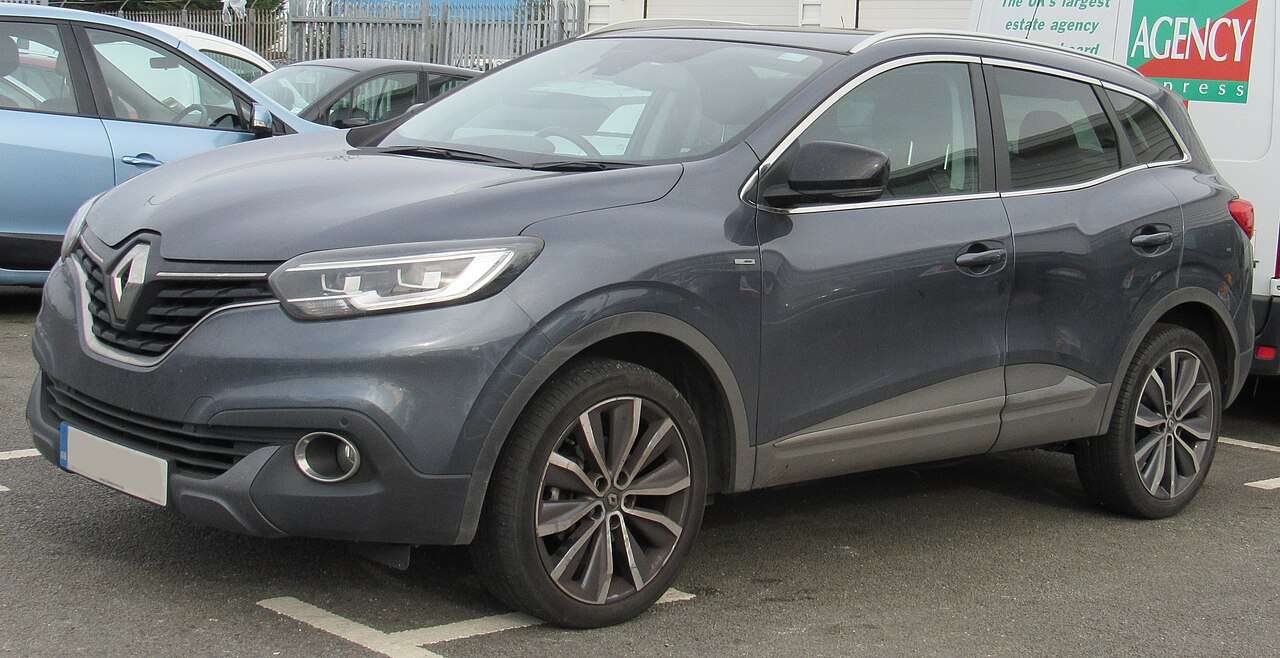
Renault’s model archive distinguishes the original Kadjar from the updated range sold in the UK from January 2019, with deliveries commencing the following month. The update included revised styling, cabin changes and a different engine line-up. A registration date close to the changeover does not establish which version you are buying. Check the engine capacity, code and equipment directly.
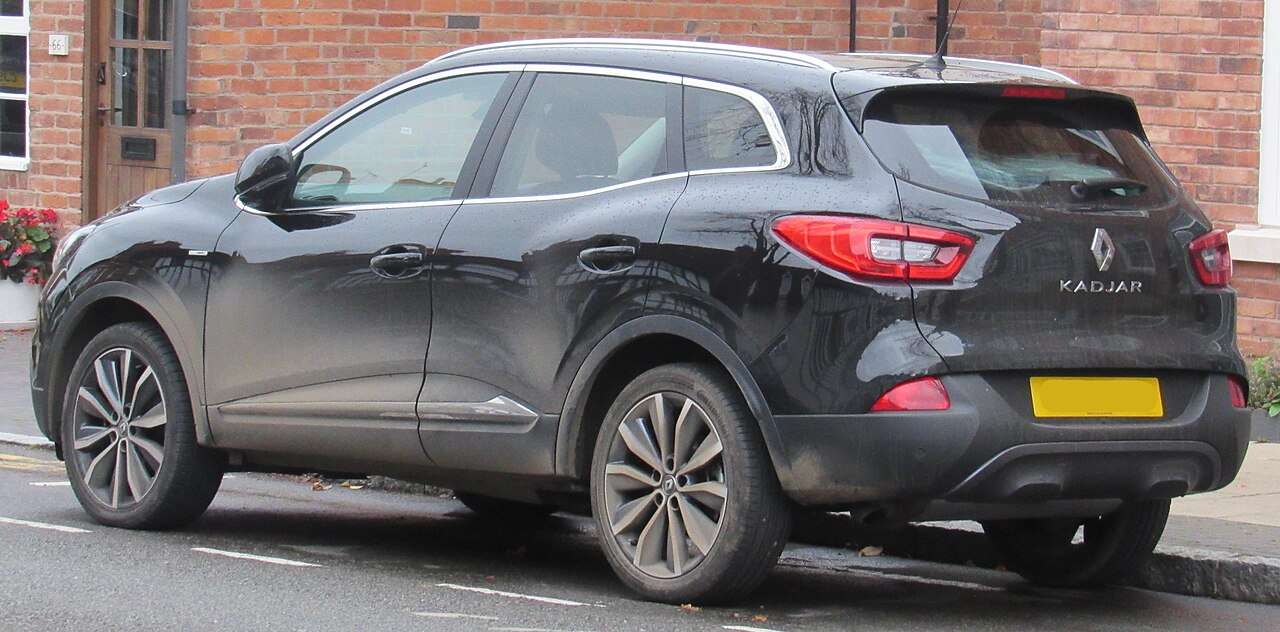
Earlier used cars include 1.2 TCe petrols and 1.5 and 1.6 dCi diesels, with other versions appearing according to year. The later archive identifies TCe 140 and TCe 160 four-cylinder petrols and Blue dCi diesels at 115 and 150 hp. Do not use these later output figures as a specification for an earlier dCi 110 or TCe 130 advert.
The late range changed again. Renault’s December 2021 UK release describes Equilibre and Techno trims, both with the TCe 140 petrol and either a six-speed manual or seven-speed EDC automatic, with deliveries from February 2022. These cars should not be confused with the full earlier diesel and 4×4 line-up merely because they share the Kadjar name.
| Version family | Why compare it? | Questions before purchase |
|---|---|---|
| Earlier TCe petrol | Lower purchase prices can be attractive. | Exact engine, oil-use history, cold start, service evidence and appropriate timing-system checks. |
| Later 1.3 TCe | Our initial comparison for mixed family use. | Actual output, manual or EDC, oil/cooling condition and complete maintenance record. |
| 1.5 dCi / Blue dCi | Appropriate longer-distance use and fuel economy. | Timing history, emissions equipment, exact engine generation and journey pattern. |
| 1.6 / later larger diesel variants | Different performance and selected drive-layout choices. | Do not borrow a 1.5 timing or parts schedule; verify engine, gearbox and 4×4 fitment. |
Why we would start with the later petrol
The later 1.3 TCe provides a focused comparison for someone moving from an ordinary family hatchback and using the car in a mixture of town and open-road driving. Test it with your normal load and on a representative hill. Judge how the manual or EDC suits you rather than assuming the highest output or most expensive trim is necessary.
That preference should not turn into blind confidence. Ask about oil additions, coolant loss, misfires and warning messages, and review the invoices for correct fluids and intervals. A seller’s statement that the engine is the good one is not a substitute for history. If the car has been remapped or otherwise modified, consider the quality, supporting work and insurance implications carefully.
What to establish on an earlier TCe
Be especially precise about oil-use history and previous engine work. Ask how much oil has been added, over what distance and since which service, and compare the answer with invoices and any diagnostic reports. Do not treat an unexplained low oil level as an ordinary feature of a cheap car. Equally, one anecdote is not proof that every engine in the family will fail.
Persistent startup noise, misfire, smoke when warm, loss of performance or evidence of significant oil consumption calls for a specialist assessment before purchase. Compression, leakage or other mechanical tests should be selected by the technician based on the symptoms. Do not negotiate a fixed repair allowance before the cause and extent are understood.
Which diesel suits your use?
A diesel can be a sensible option for sustained journeys, but the previous use matters as much as the next owner’s mileage. Ask about actual routes, repeated short trips and emissions-system warnings. A high odometer reading is not proof of easy motorway work, and a low reading does not eliminate time-dependent servicing.
Separate ordinary dCi from Blue dCi in the paperwork and parts catalogue. Ask what DPF, EGR, SCR or AdBlue-related work applies to the exact engine and whether it has been diagnosed and completed. Do not assume a refill will fix a persistent emissions warning, or that a later sensor or service kit fits an earlier diesel. Have the car assessed with its required emissions equipment intact.
Engine and timing-maintenance checks
The 1.5 dCi’s timing-belt history is a major purchase question. Obtain dated, mileage-specific invoices describing the job and components, then ask Renault for the current requirements for the VIN. A belt-kit receipt without fitting evidence is not the same as a completed service. Low mileage does not remove the need to consider the age of time-dependent components.
Ask whether a timing quote includes tensioners, pump where appropriate, bolts, seals, auxiliary drive and fluids. Different engine families use different systems, so do not describe every Kadjar as requiring the same belt job. Generic online estimators can mix applications. Confirm the engine code and a specialist’s written scope before accepting either a due date or a price.
Inspect a genuinely cold engine and check oil and coolant safely before starting. Look for leaks around accessible housings, listen for persistent mechanical noise and watch warning lights and idle quality. After a proper drive, recheck for leaks, overheating signs and warning messages. A car warmed before arrival provides less evidence, even if it sounds smooth when you get there.
Service history should identify the correct oil specification, not merely a viscosity. Ask about unusually long gaps, repeated top-ups and repairs following overheating or oil-pressure warnings. The absence of a light on the day cannot rule out earlier damage. If a seller mentions engine replacement, request the supplier, scope, mileage, warranty and evidence that the original cause was addressed.
Love cars you don’t see every day?
Get forgotten cars, surprising motoring stories and the most interesting finds from Unusual Cars by email.
Free to join. No spam. Unsubscribe whenever you like. See our privacy policy.
Manual and EDC transmissions
The manual should select every gear cleanly, with consistent clutch action and no unexplained noise. Test from cold and again after warming. Check reverse engagement while stationary, pedal return and how the car pulls away on a normal incline. A clutch that slips, judders or engages inconsistently needs diagnosis rather than a promise that adjustment will make it right.
During safe progressive acceleration in an appropriate gear, watch whether engine speed and road speed rise together. Do not deliberately overload or abuse the engine to test the clutch. Noises can come from mounts, flywheel, clutch or transmission, so have the cause established before negotiating around a guessed repair. A parts kit is only one element of a fitted clutch bill.
EDC is a dual-clutch automatic, and different Kadjar engines and periods should not be assumed to use identical gearbox hardware or maintenance. Identify the application and ask Renault or a specialist for the current requirements. Generic advice for another Renault or Nissan automatic may be wrong. The late TCe 140 release specifies a seven-speed EDC, but that does not identify every earlier car.
Test forward and reverse engagement, stop-start traffic, parking and a warm open-road run. Repeated shudder, delayed drive, harsh changes, slipping sensations or warnings require explanation. Some low-speed characteristics differ from a torque-converter automatic, but unfamiliarity must not become an excuse for ignoring a genuine symptom. Drive a sound comparison car if necessary.
Ask for invoices for any gearbox investigation, software update, fluid work or mechanical repair. Find out what the original complaint was and whether it returned. A recently cleared fault memory gives less evidence than an untouched diagnostic report. The inspection should include the relevant transmission module with appropriate equipment where concerns arise.
Four-wheel drive and towing
Most Kadjar viewing decisions do not require 4×4, and an SUV body or selectable grip feature is not proof that the rear wheels are driven. Confirm the drivetrain against the VIN and actual hardware. If you need four-wheel drive, verify the operation of the correct system with a specialist rather than assuming a short dry-road test establishes it.
Inspect rear-drive components for leaks and damage and ask about their maintenance requirements. Check tyre size, specification and wear on all four corners and follow the manufacturer’s compatibility rules. Four-wheel assistance can help traction but cannot make up for poor braking grip or worn tyres. A car used on tracks deserves an underside inspection even if its body is clean.
For towing, use the actual plated vehicle and train weights, handbook and applicable current rules. Payload, trailer weight and towball load are separate limits. Ask what the previous owner towed and inspect the towbar, electrics, rear suspension, clutch or transmission history accordingly. A removable towball stored neatly in a bag does not prove light use.
Suspension, tyres, brakes and underside
Try the Kadjar over ordinary broken surfaces and a faster road, listening for knocks and checking steering consistency. Trim and wheel size affect comfort, so compare similar specifications when possible. Larger wheels may be appealing visually while bringing a firmer ride and a higher tyre cost. Decide whether that trade-off suits the roads you use.
Inspect wheel rims and the full tread width, including inner shoulders. Uneven wear can involve pressure, geometry, worn components or a previous impact. New tyres may hide the old pattern, so ask why they were replaced. A professional inspection should identify the cause rather than assuming a simple balance or alignment will resolve every vibration.
Examine discs and pads, fluid history, hoses and the electric parking brake. Braking should be consistent on a safe test, without pulling, vibration or abnormal pedal behaviour. A shiny outer disc face cannot establish the condition of the inner face or caliper. Quote the complete axle job, including any seized hardware, rather than budgeting only for a cheap set of pads.
On a lift, inspect brake pipes, suspension mounting points, exhaust, undertrays and leaks. Look for rough-road impacts and poorly repaired damage. Surface ageing and serious corrosion are different findings; fresh coating should not prevent a proper assessment. Never crawl beneath a car supported only by its emergency jack.
Cabin, key cards and electrical equipment
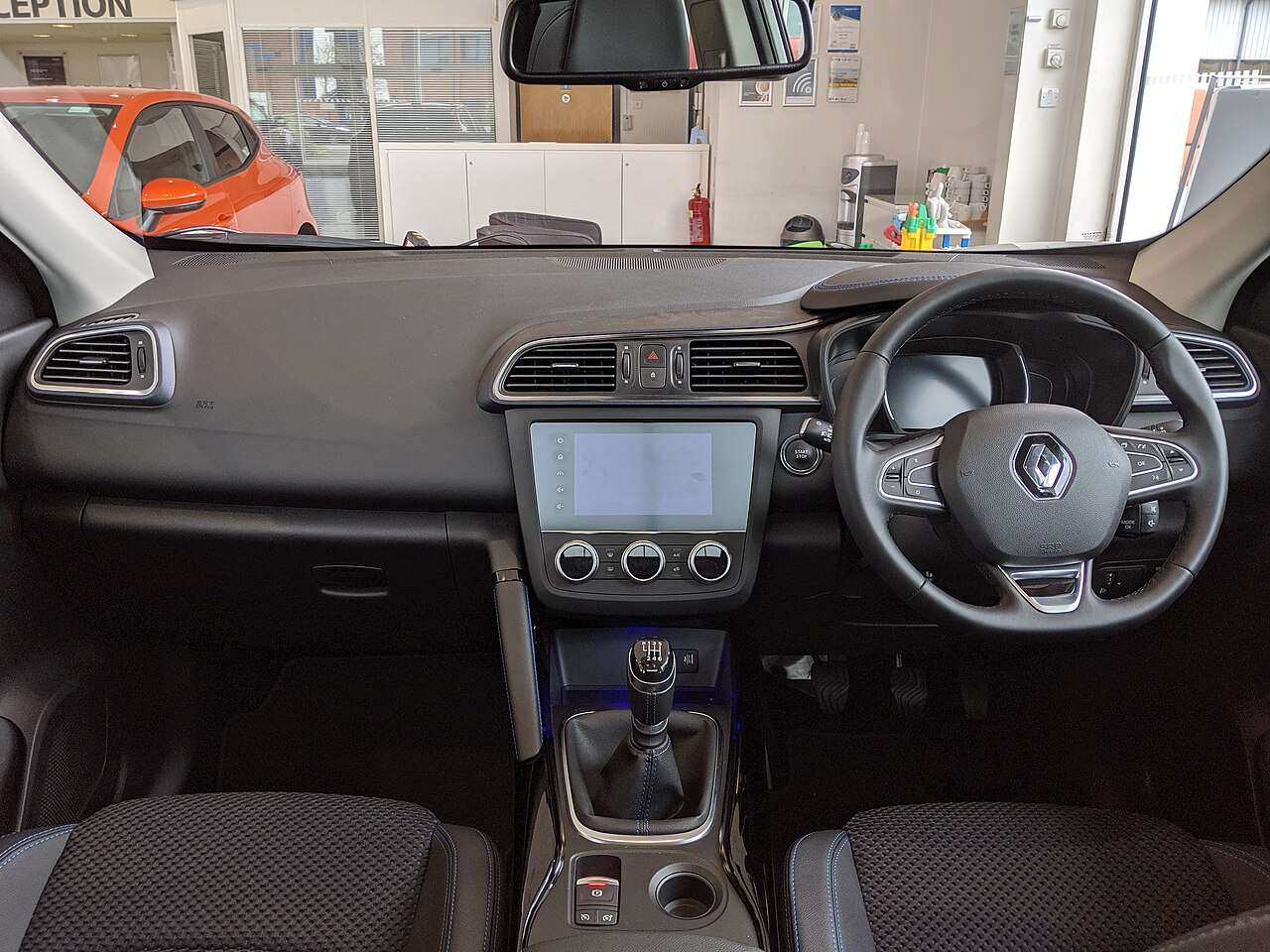
Check every key card supplied with the vehicle, including locking, unlocking and normal starting. A second card is useful only if it actually works with the car. Ask for an exact replacement and coding quote if one is missing, and include it in the purchase budget. A weak card battery and a vehicle-side fault are different problems, so do not assume the cheapest explanation.
Inspect the instrument warning sequence and try all windows, mirrors, lights, locks and seat adjustments. A weak 12V battery can cause confusing symptoms, but it should be tested rather than blamed for every warning. Ask whether the car has stood unused, been repeatedly jump-started or had recent electrical diagnosis. Keep any reports with the service evidence.
Test R-LINK, navigation, Bluetooth, USB and your own phone connection. Smartphone compatibility and equipment vary with year and software; an advert’s generic description may not apply. Check the camera and parking sensors in normal use, and try physical controls rather than accepting that every function works because the screen lights up.
Run the air conditioning at several settings and confirm it cools consistently. A seller’s statement that it only needs a regas is not a diagnosis. Leak testing or component repair can change the bill. Also test demisting, fan speeds and rear ventilation where fitted, because a short viewing with open windows may conceal a weak system.
Look under mats and accessible boot panels for damp or staining. Check around the panoramic roof and headlining if fitted, asking about any leak history. Water ingress can involve several routes and consequences, so avoid assuming one common internet explanation proves the cause. Persistent damp and electrical symptoms justify further inspection.
Body condition and family practicality
View the car in daylight, preferably dry, and look along panels for mismatched paint, ripples or inconsistent gaps. Inspect bumper fittings, lights and visible structural areas for poor repair. Ordinary scratches are different from distorted mounting points or badly restored collision damage. A history check is useful but cannot replace physical examination.
Bring child seats and normal luggage. Check rear access, driving position, seat folding, boot-floor arrangements and the shape of the loading opening. Try the car in a parking space comparable to your own if possible. A family SUV should solve your actual daily problems rather than simply provide a higher seat and a longer equipment list.
Check that the luggage cover, floor panels, tools, tyre-repair equipment or spare arrangement are present and suitable. Inspect the age and condition of any sealant. Missing accessories can be priced, but do not assume replacements will be included after the sale. Confirm everything agreed before collection.
A practical Kadjar viewing sequence
- Confirm engine capacity/code, output, gearbox, drive layout, build period and essential equipment.
- Compare VIN, V5C and seller details, then review MOT mileage and obtain appropriate finance/write-off checks.
- Request service invoices, timing evidence on the relevant engine, oil-use information and any emissions or EDC repairs.
- Start a cold car, inspect fluids safely and observe warnings, idle, smoke and noise.
- Test key cards, climate, screen, phone connection, parking aids and family fit.
- Drive until warm through parking manoeuvres, traffic, hills and a faster road; repeat gearbox checks.
- Arrange a suitable module scan and underside inspection, with specialist diagnosis for unresolved symptoms.
- Obtain written exact-car repair quotes and agree the scope of pre-sale work.
An MOT pass does not establish timing maintenance, oil-consumption history or EDC condition. Use repeated advisories to focus the inspection and compare them with invoices. Pause for unresolved oil-pressure or overheating warnings, persistent misfire, serious transmission symptoms, uncertain identity or refusal of a necessary inspection. A bargain is only a bargain once the uncertainties are costed.
UK maintenance: parts, labour and fitted examples
Build a maintenance plan from the actual VIN, age, mileage and engine, not a schedule for a broadly similar Qashqai or another Renault. Record the last date and mileage for engine servicing, timing requirements, brake fluid, filters, plugs and transmission work. Ask a Renault retailer or experienced specialist to identify anything missing and provide an itemised catch-up quote.
Renault’s published passenger-car menu distinguishes an A service at £209, a B service at £314 and a combined A&B at £399 for eligible petrol and E-Tech hybrid applications. Importantly, the page’s terms exclude diesel engines, as well as vehicles outside the relevant schedule and other categories. Do not apply these prices to a dCi Kadjar.
The page describes A as cabin-filter work and checks, and the petrol B service as engine oil/filter work and checks. This is why a minor-service receipt does not necessarily establish an oil change. Confirm the applicable operation and exact total for the registration. Published terms describe participating-dealer maximum retail prices including parts, labour, oil and VAT, with possible additional operations or charges.
For a named diesel timing example, Fixter lists Kadjar 1.5 Dynamique Nav belt replacement at £295–£464, with a labour-time estimate of 3 hours 45 minutes to 4 hours 19 minutes. This is an application-specific estimate requiring confirmation, not a price for every Kadjar. Establish whether pump, auxiliary components and fluids are included.
Current eBay examples include a 1.5 dCi 2015–2018 oil/air/cabin-filter kit at £64.99 and a differently described oil-and-filter package at £60.99. The contents and brands differ; check whether oil or the fuel filter is included. Neither is a fitted service price, and a seller’s compatibility description does not override the car’s original references.
| Job | Published example | Scope and labour check |
|---|---|---|
| Eligible petrol A service | Renault menu £209. | Cabin filter/checks; confirm exact application. Not a diesel quote or necessarily an oil change. |
| Eligible petrol B / A&B | Renault menu £314 / £399. | Confirm scheduled content and extras; participating-dealer terms apply. |
| 1.5 Dynamique Nav timing belt | Fixter £295–£464 fitted estimate. | Labour time 3h45–4h19. Separate labour-only cash price not established. |
| 1.5 dCi filter parts | Example eBay filter kit £64.99. | Parts only; verify contents, oil and fuel-filter needs. |
| Manual clutch / EDC repair | Diagnosis and exact gearbox identification required. | Quote parts, labour, related hardware, VAT and warranty separately. |
| Brakes, climate or emissions fault | Inspect and identify the actual repair. | A generic refill or consumable price cannot establish the complete fitted cost. |
Do not create a labour-only price by subtracting an unrelated retail kit from an estimator’s total. Different components, procedures and warranties can make that calculation misleading. Ask for the same complete job to be quoted by each garage, with diagnostics, disposal, consumables and VAT made clear. A low headline is not necessarily the lowest complete bill.
Typical service parts and eBay links
Use these searches for maintenance planning, then verify fitment with the fitter. Results can include different engines or Nissan applications, and some advertised kits use broad year ranges. Correct references and lubricant approvals are more important than an attractive price or a compatibility tick.
| Service item | Model-specific eBay search | Before buying |
|---|---|---|
| 1.3 TCe service kit | Compare 1.3 tce service kit | Correct engine and oil approval; confirm refill quantity. |
| 1.2 TCe service kit | Compare 1.2 tce service kit | Do not interchange with the later 1.3. |
| 1.5 dCi service kit | Compare 1.5 dci service kit | Earlier and Blue dCi applications may differ. |
| 1.6 dCi service kit | Compare 1.6 dci service kit | Match engine code and filter references. |
| 1.5 timing kit | Compare 1.5 timing kit | Confirm full kit, pump and ancillary job scope. |
| Petrol spark plugs | Compare petrol spark plugs | Correct application and heat range. |
| Cabin filter | Compare cabin filter | Check dimensions and filter type. |
| Front brakes | Compare front brakes | Match axle, dimensions and brake specification. |
| Rear brakes | Compare rear brakes | Correct electric-parking-brake procedure and components. |
| 12V battery | Compare 12v battery | Correct technology, size and setup requirements. |
| Alternator | Compare alternator | Verify original reference, output and connector. |
| Manual clutch kit | Compare manual clutch kit | Manual only; diagnose flywheel/hydraulic issues and quote fitting separately. |
Hidden ownership costs
Cheap purchase, expensive catch-up: timing work, neglected fluids, brakes and tyres can arrive together. Put confirmed jobs beside the purchase price before comparing cars. An attractive low-mileage diesel may still have age-dependent work outstanding, and a recent basic service may not cover it.
Oil use and unresolved engine symptoms: repeated topping-up, persistent noise or misfire requires diagnosis before you can budget reliably. Do not assume a service, additive or sensor will resolve an unknown mechanical problem. A specialist report can prevent a small discount becoming a much larger repair commitment.
EDC and diesel emissions equipment: these systems need application-specific assessment. A code clear, software update or AdBlue refill is not a universal repair. Choose an engine and gearbox suited to your routine, and investigate present symptoms before paying a deposit.
Wheels, keys and comfort equipment: a tyre set for larger wheels, a coded key card, air-conditioning repair or roof leak can change the first-year bill. Ask for exact replacement prices and include missing items in written negotiations. Equipment is useful only when it works and you are willing to maintain it.
Insurance, tax and inspection: obtain a quote for the registration and declared modifications, check current tax using official vehicle details and allow for a professional inspection. Historic tax figures and a generic insurance group cannot tell you your actual cost. Keep a reserve rather than spending the whole budget on the car.
Frequently asked questions
Which Kadjar would you shortlist first?
For mixed use, we would compare well-documented later 1.3 TCe cars first. A diesel can fit sustained longer journeys, but its history and emissions-system condition matter. This is a starting preference; condition can reverse the order between individual cars.
Does every Kadjar need the same timing-belt job?
No. Engine families use different timing systems and requirements. The named 1.5 dCi belt example is not a schedule for every TCe or larger diesel. Confirm the VIN, engine code and current Renault guidance before ordering parts or accepting a due date.
Is EDC the same as every other Renault automatic?
No universal assumption is safe. Identify the exact gearbox and its maintenance needs. Test from cold to warm and investigate repeated shudder, delayed engagement or warnings with an appropriately equipped specialist.
Can I use Renault’s petrol service menu for a diesel?
No. The current menu terms exclude diesels. Ask for a registration-based dCi quotation and compare the included operations, rather than borrowing a petrol price because the car has the same body.
Is a clean MOT enough?
No. It helps with roadworthiness history but cannot verify oil use, timing work or EDC health. Combine it with invoices, a proper test drive and a suitable inspection. Negotiate known consumables; pause for unresolved major faults.
The final purchase decision
The Kadjar can offer useful family transport at an accessible price when the engine, gearbox and condition fit your needs. Identify the exact version, demand evidence for important maintenance and evaluate it cold and warm. Compare the complete first-year cost, including tyres, timing requirements and any diagnosed faults. Buy the car whose records and inspection support its price.
Renault Kadjar cars for sale
Compare current asking prices, then verify the generation, engine, gearbox, history and condition. Advertisements can be misclassified; auction bids are not completed-sale values.

Love cars you don’t see every day?
Get forgotten cars, surprising motoring stories and the most interesting finds from Unusual Cars by email.
Free to join. No spam. Unsubscribe whenever you like. See our privacy policy.