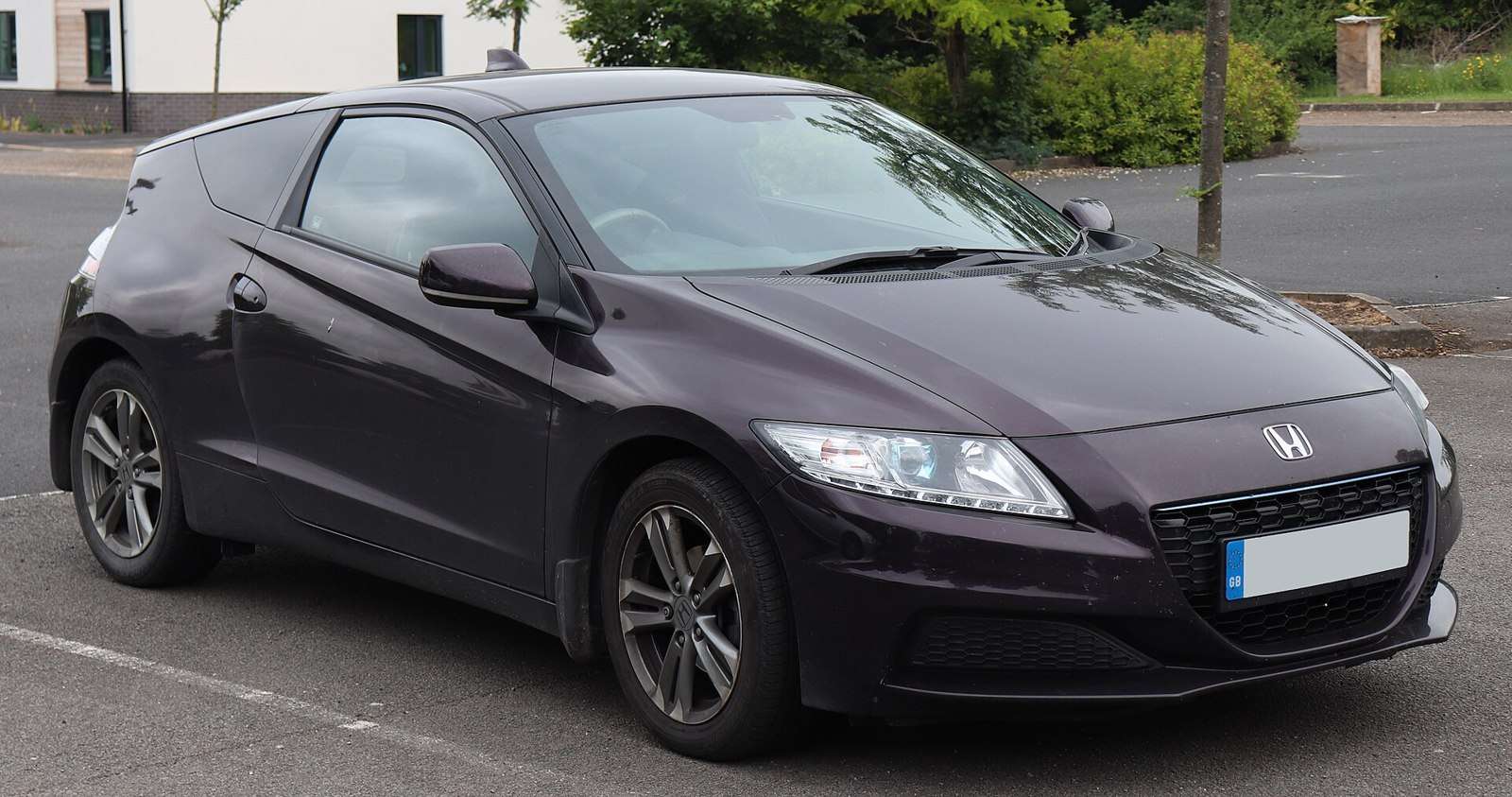
Honda’s CR-Z asked a question few manufacturers were willing to ask in 2010: could a petrol-electric hybrid also be a small coupé that a driver wanted to shift manually?
1. The six-speed manual was the headline
European launch cars paired Honda’s hybrid assistance with a six-speed manual gearbox. The clutch pedal was the feature that set the CR-Z apart from the automatic hybrids most drivers had encountered.
2. IMA meant Integrated Motor Assist
An electric motor sandwiched between the petrol engine and transmission could assist the 1.5-litre four under load. It also helped recover energy under deceleration, putting electricity to work without requiring a plug.

3. It invited the CR-X comparison
The short tail, split rear glass and compact roofline recalled the earlier CR-X. The stylistic connection gave Honda enthusiasts something familiar while the hybrid drivetrain made the engineering story considerably different.
4. There were three modes to choose from
Sport, Normal and Econ used different control calibrations. Honda let drivers select the response they wanted with dashboard buttons, and the instrument display reinforced the change with different colours.
Love cars you don’t see every day?
Get forgotten cars, surprising motoring stories and the most interesting finds from Unusual Cars by email.
Free to join. No spam. Unsubscribe whenever you like. See our Privacy Policy.
5. Britain’s car had a small rear bench
European-market cars used a two-plus-two layout, whereas the American CR-Z was sold as a two-seater. The small back seats make sense as occasional space or a place to fold down for luggage.
6. It had regenerative braking even with a manual gearbox
The hybrid motor recovered energy on deceleration. Drivers could still change ratios and use the clutch in the usual way, making the car feel mechanically familiar while the instrument display showed its electrical activity.
7. Some markets also had a CVT
The six-speed was central to the European pitch. Other markets offered a continuously variable transmission as well, so imported reviews and specifications sometimes describe a markedly different experience.
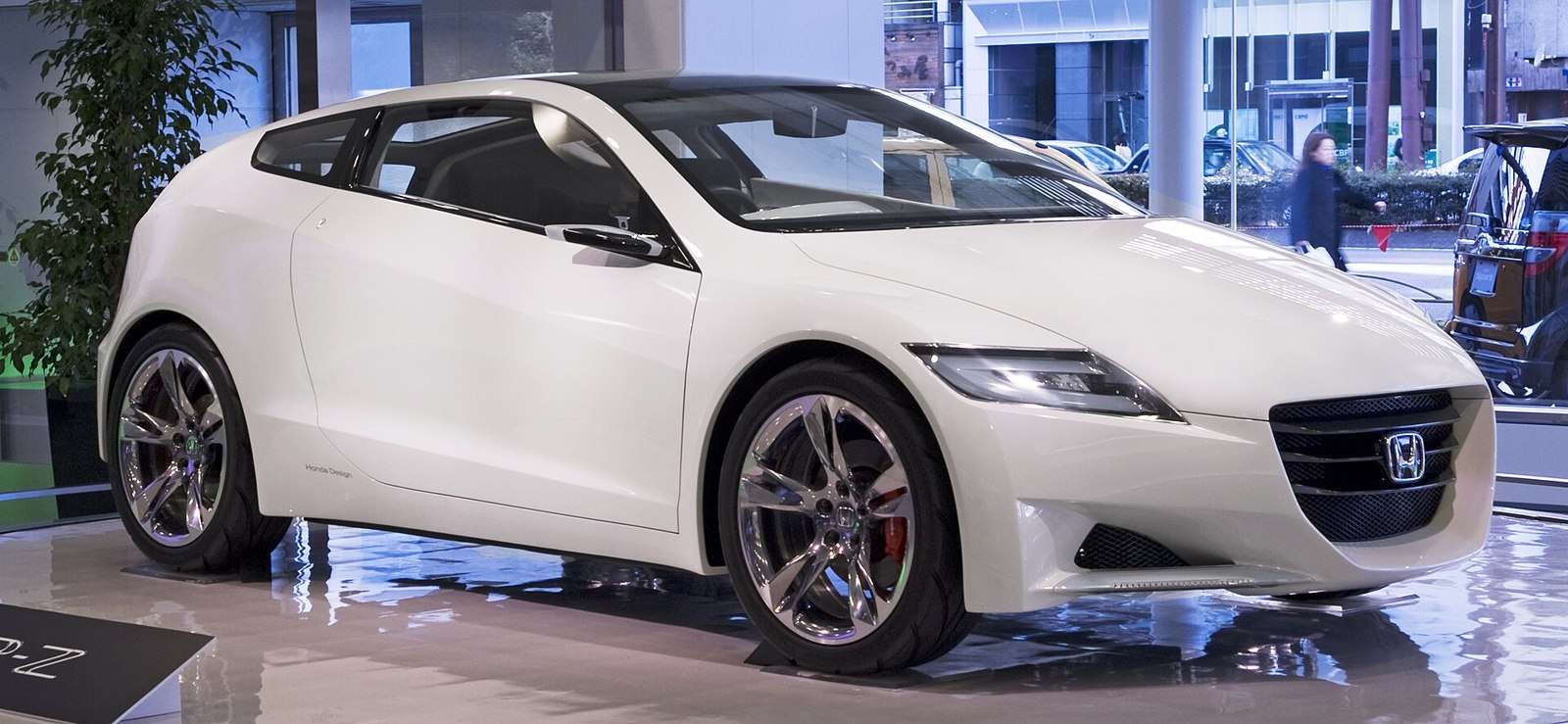
8. The facelift changed the battery chemistry
The original hybrid battery was nickel-metal hydride. Honda’s update switched to lithium-ion and increased the system’s available output. Registration year and market both matter when applying a specification to a particular car.
9. Later cars added a short boost function
On suitably equipped updated cars the Plus Sport button requested extra electric assistance, subject to conditions including charge. It made the hybrid motor’s role something the driver could deliberately call on.
10. Its name spelled out Honda’s intention
Honda expanded CR-Z as Compact Renaissance Zero in its launch material. The name suited a clean-sheet attempt to combine a low, striking coupé body with an efficiency technology most people then associated with conservative transport.
Explore more 10 Things articles
Browse the Unusual Cars 10 Things hub.
Sources and further reading
Featured image: Honda CR-Z Sport-T hybrid coupé. Photo by Vauxford via Wikimedia Commons (CC BY-SA 4.0, resized).
Join the Unusual Cars Club
Get more forgotten performance cars, surprising motoring stories and new 10 Things articles by email.
Free to join. No spam. Unsubscribe whenever you like. See our Privacy Policy.