The second-generation Superb could be ordered with a 3.6-litre six-cylinder engine, four-wheel drive and a dual-clutch gearbox. The surprising part was how much of that hardware went into a car designed around quiet, spacious travel.
1. The flagship arrived with the second generation
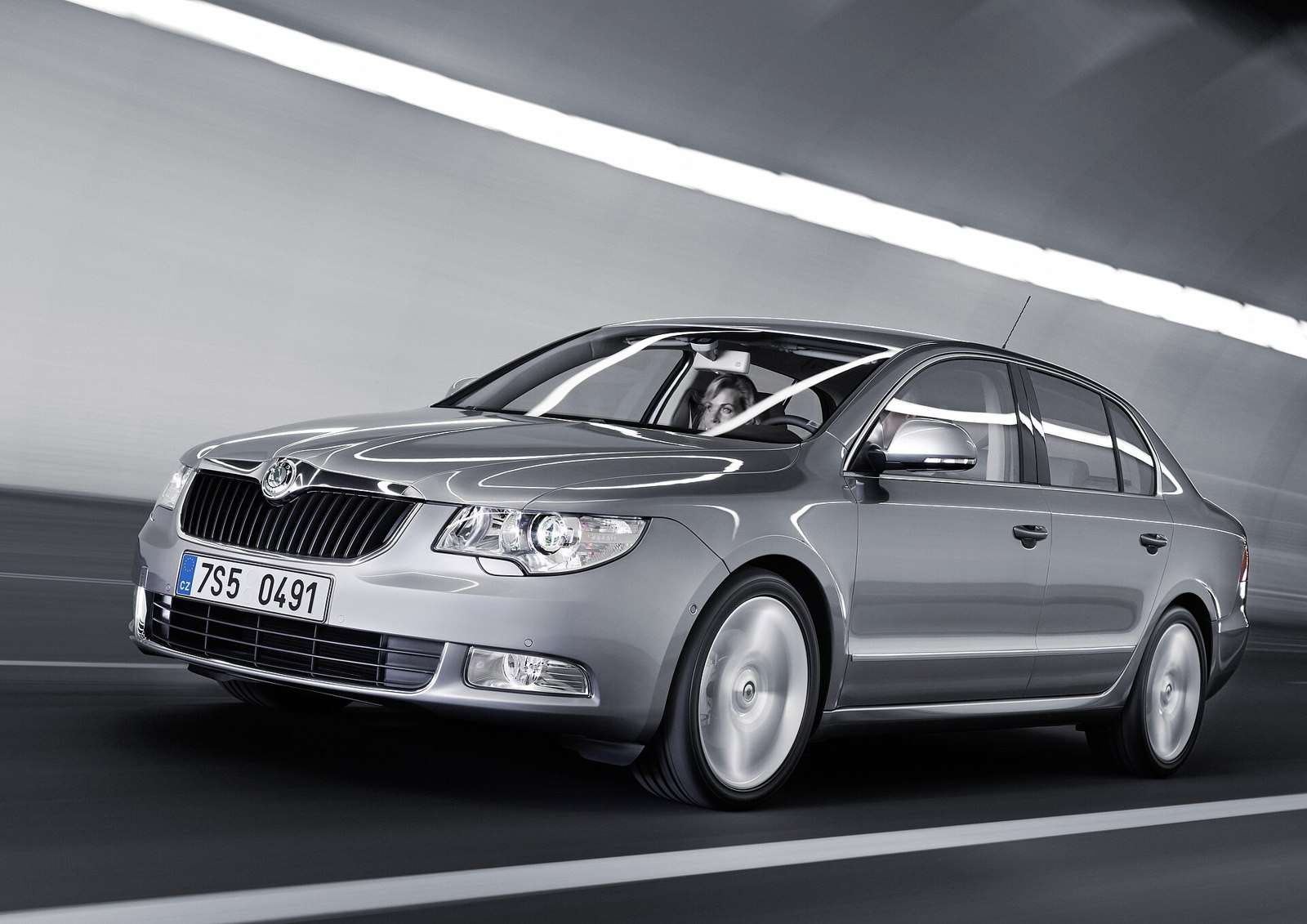
Škoda unveiled the Mk2 Superb in Geneva in 2008. Its top engine was a 3.6-litre six, quite a departure from the economical diesels that most people associate with the shape.
2. The V6 was a narrow-angle six
Its Volkswagen Group engine used the VR layout, with a small angle between the cylinder banks and a shared head. That arrangement helped package six cylinders transversely in an engine bay designed for a broad range of engines.
3. The UK called it a 260 in its brochure
The launch brochure listed the 3.6 V6 4×4 as a 260 model. Read period British horsepower labels carefully: the underlying factory figure is 191 kW, equivalent to about 260 PS or 256 bhp.
4. Four-wheel drive was part of the specification
The flagship paired the engine with an electronically controlled multi-plate coupling and a driven rear axle. For a car whose primary job was long-distance transport, the extra traction was as meaningful as the extra power.
Love cars you don’t see every day?
Get forgotten cars, surprising motoring stories and the most interesting finds from Unusual Cars by email.
Free to join. No spam. Unsubscribe whenever you like. See our Privacy Policy.
5. Six gears came from a dual-clutch gearbox
Škoda paired the 3.6 with a six-speed DSG. Two clutches allow the next ratio to be prepared in advance, so the automatic experience was achieved with different hardware from a conventional torque-converter gearbox.
6. The back of the liftback could open two ways
Škoda’s TwinDoor arrangement let the driver raise a conventional-size boot lid or lift the rear glass with it. The second option made loading large items substantially easier while the first preserved the saloon-style opening.
7. The estate added a second route to discreet speed
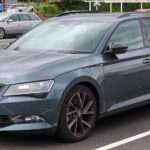
Škoda added the Superb Combi to the generation. In six-cylinder four-wheel-drive form, it put the same unusual drivetrain into a body that looked entirely at home doing a family holiday run.
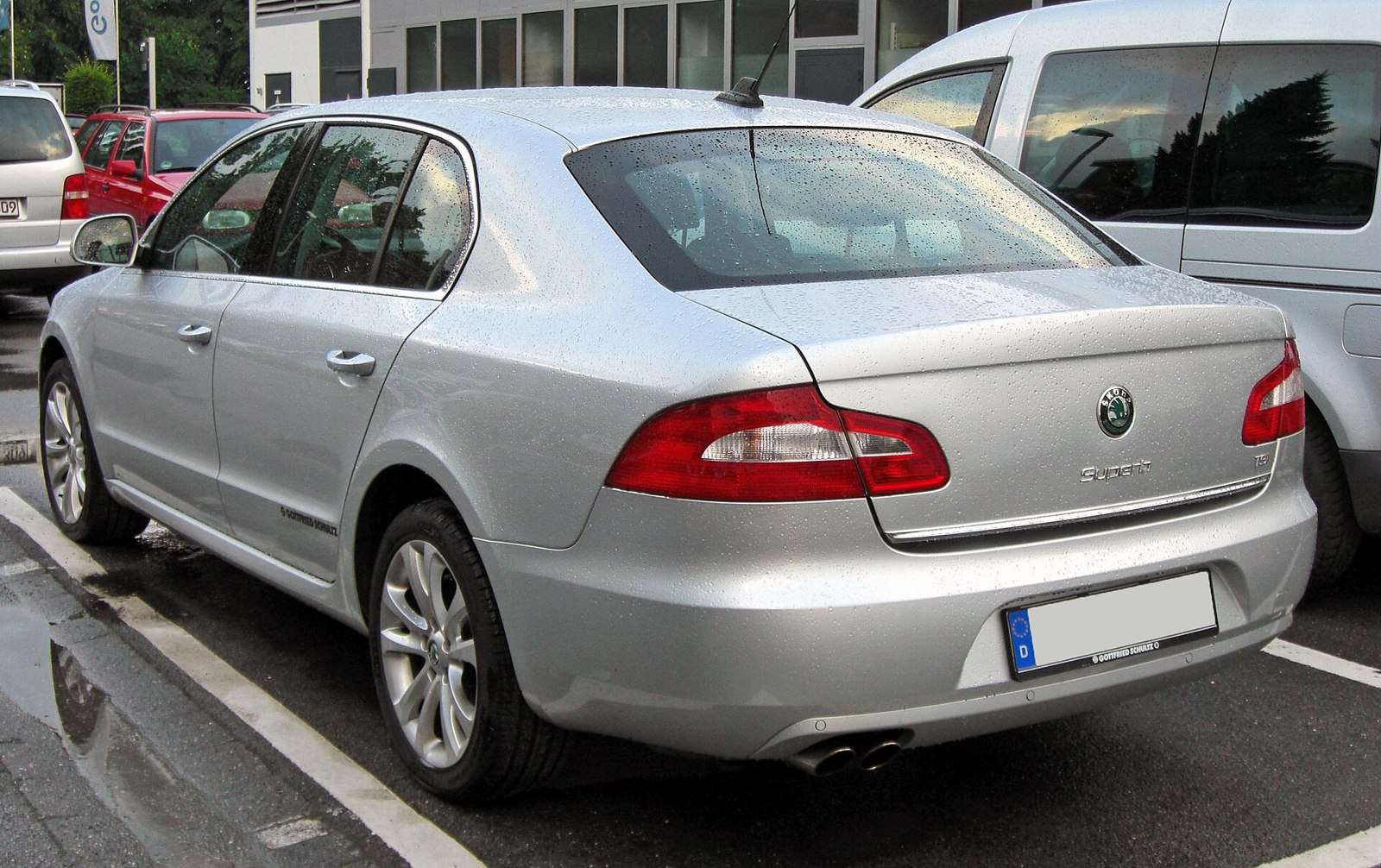
8. Rear space remained the defining luxury
The Superb’s long cabin gave rear passengers generous legroom. The six-cylinder version added performance without turning that long-wheelbase package into a harder-edged sporting derivative.
9. It shared its discreet appearance with lesser models
Identification from a small photograph can be difficult because the ordinary Superb used the same basic body. Rear badging, drivetrain details and original registration or build records are more informative than trim alone.
10. The successor took a different engine route
The third-generation Superb’s powerful petrol versions used turbocharged four-cylinder engines. The 3.6 remains a distinctive chapter in the model’s story, particularly if you remember a time when a big naturally aspirated six was the obvious flagship choice.
Read the full Unusual Cars model and buying guide.
Explore more 10 Things articles
Browse the Unusual Cars 10 Things hub.
Sources and further reading
Featured image: Škoda Superb Mk2 Combi 4×4 V6. Photo by Alofok via Wikimedia Commons (CC BY-SA 3.0, resized).
Join the Unusual Cars Club
Get more forgotten performance cars, surprising motoring stories and new 10 Things articles by email.
Free to join. No spam. Unsubscribe whenever you like. See our Privacy Policy.