UNUSUAL CARS MODEL GUIDE
The Ferrari 456 GT and GTA were front-engined, four-seat V12 grand tourers produced from 1992 until 2003. Pininfarina’s restrained body hid a 5.5-litre engine, rear transaxle in manual cars, active aerodynamics and a cabin intended for real long-distance travel.
Quick answer: the 456 is mechanically robust by Ferrari V12 standards, but neglected examples are expensive. Check timing-belt history, window fit, self-levelling rear suspension, cooling, sticky trim, electrical equipment and the correct operation of the six-speed manual or four-speed automatic.
Featured image: dark-blue Ferrari 456 GT rear three-quarter. Photograph by Charles from Port Chester, New York, CC0, via Wikimedia Commons; locally hosted.
Ferrari returns to the front-engined 2+2
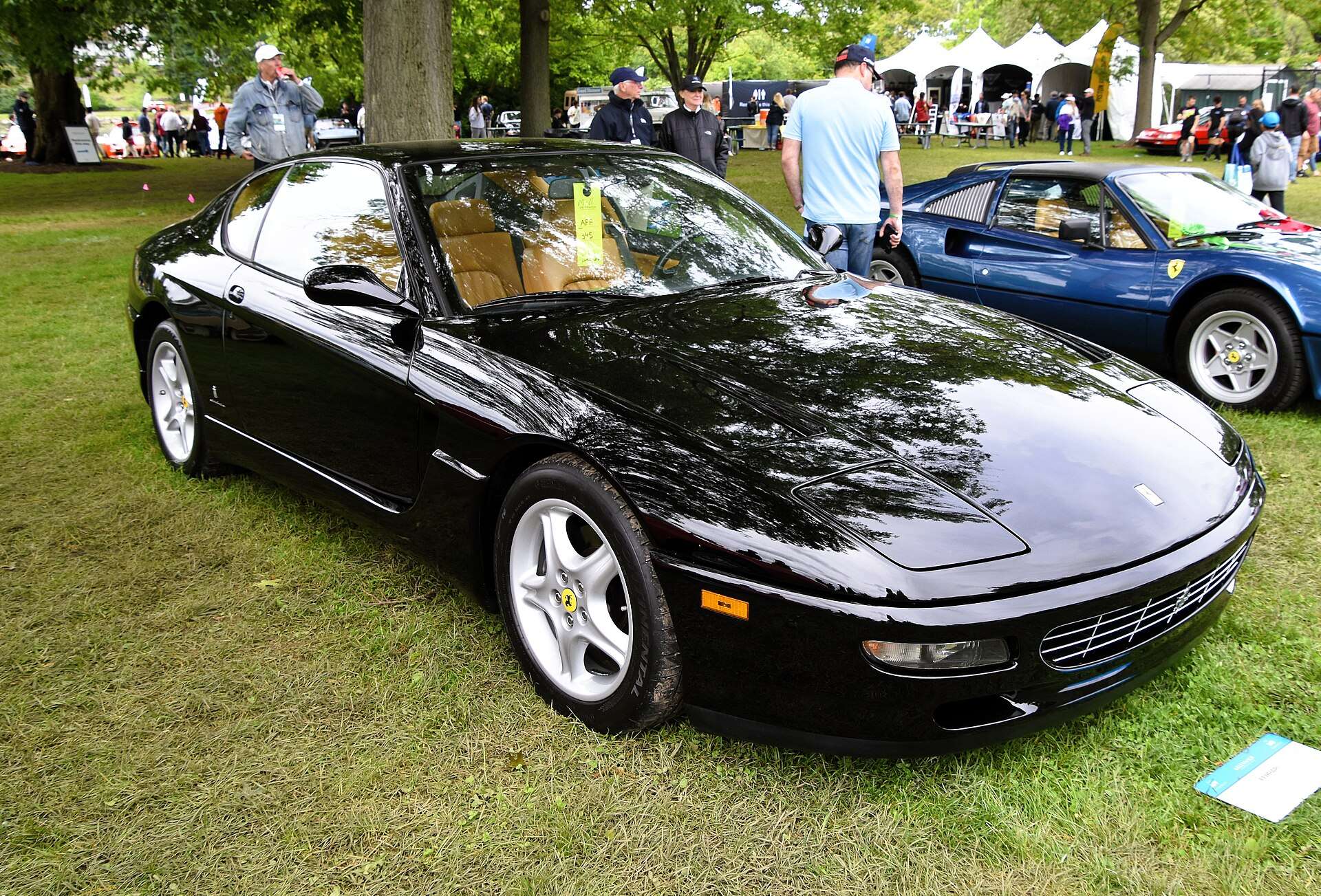
Ferrari revealed the 456 GT in 1992 after three years without a front-engined V12 2+2. Pietro Camardella’s Pininfarina design referenced the 365 GTB/4 Daytona through its long bonnet, retractable headlamps and fastback tail, but the result was modern rather than retro.
The all-new 5,474cc 65-degree V12 was related to Ferrari’s later 550 unit and produced 442hp in European specification. A six-speed manual transaxle sat at the rear for balanced weight distribution, while an automatically deployed rear spoiler altered airflow with speed.
GT, GTA and 456M
| Version | Transmission | Key distinction |
|---|---|---|
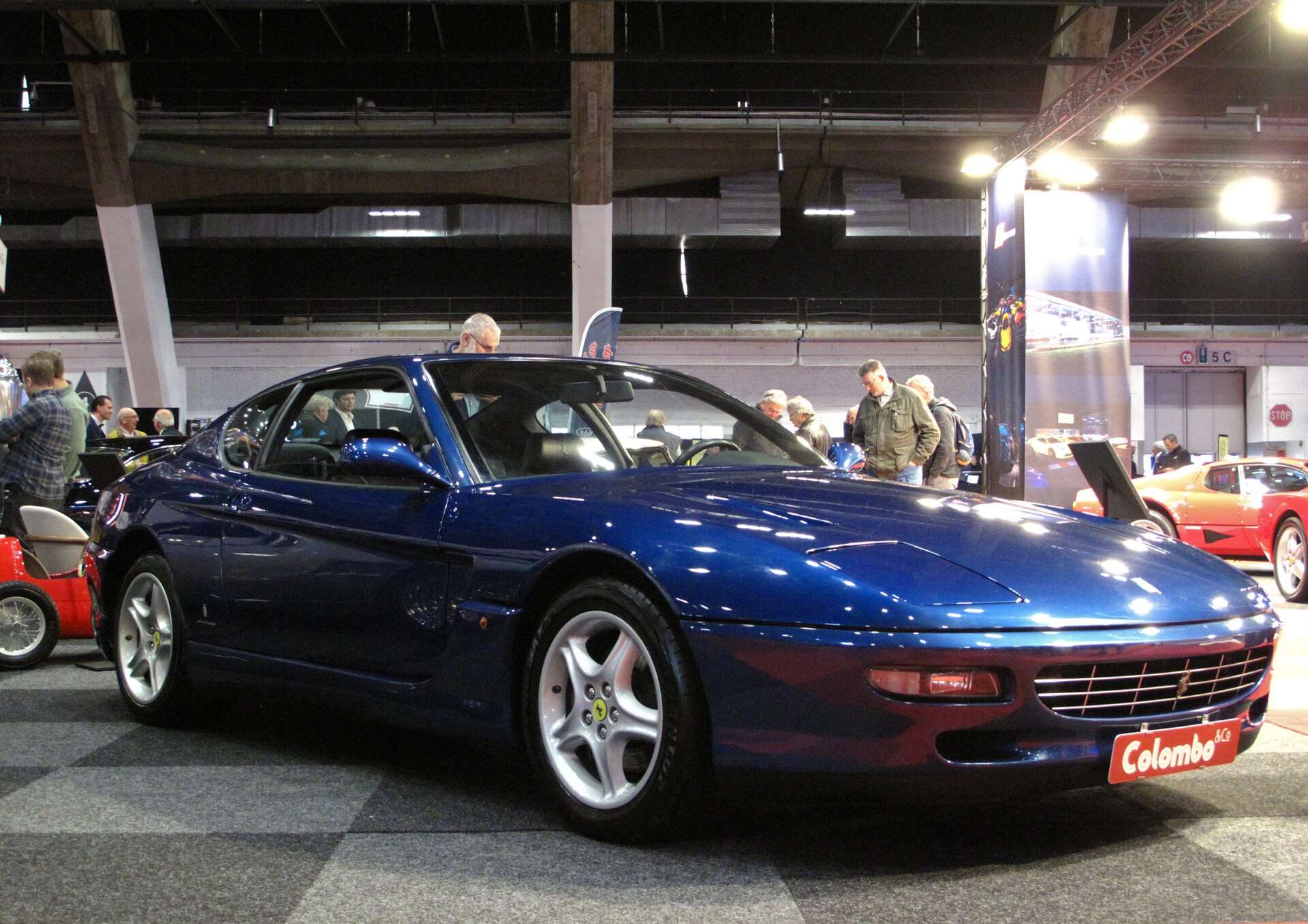
| 456 GT | Six-speed manual transaxle | Original 1992 design and gated manual |
| 456 GTA | Four-speed automatic | Introduced in 1996 for more relaxed grand touring |
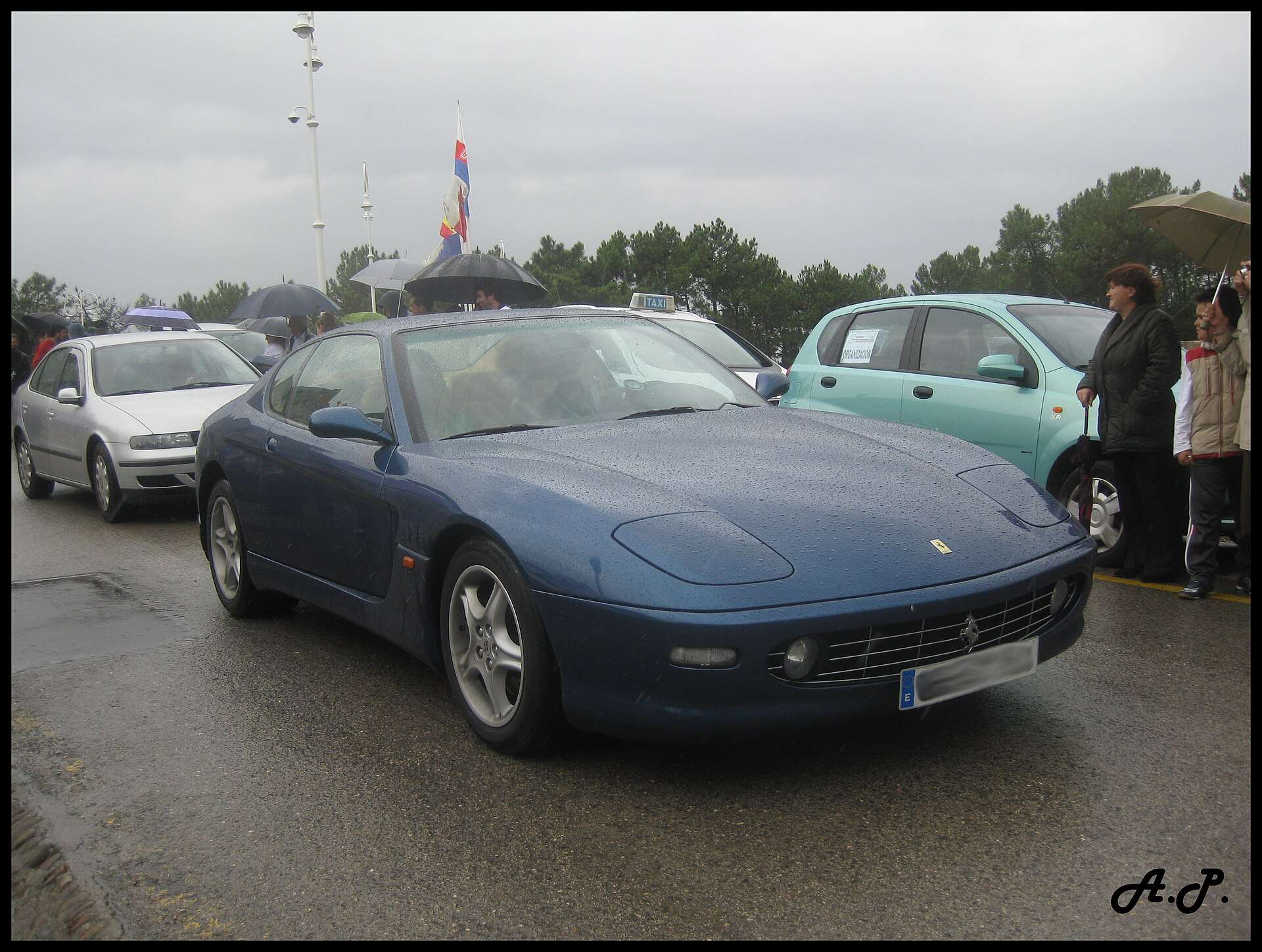
| 456M GT / GTA | Manual or automatic | 1998 facelift with revised grille, bonnet, cabin, cooling and chassis detail |
The automatic sits at the front rather than using the manual car’s rear transaxle. It changes the weight distribution and character, but a healthy GTA remains a credible GT rather than a compromise. The 456M moved the fog lamps into the grille, lost the bonnet vents and received important detail improvements to windows, seals and interior.
Love cars you don’t see every day?
Get forgotten cars, surprising motoring stories and the most interesting finds from Unusual Cars by email.
Free to join. No spam. Unsubscribe whenever you like. See our privacy policy.
V12 and timing-belt checks
The F116 V12 is capable of high mileages if serviced correctly. Demand invoices for timing belts and tensioners, then check oil pressure, compression, cold-start behaviour, exhaust smoke, leaks and cooling-system stability. Belt age matters even on rarely used cars.
Inspect radiators, hoses, fans, pumps and the valley between the cylinder banks. Fuel hoses, engine mounts and exhaust components age with heat. A specialist diagnostic scan and a long road test from cold to fully hot are essential; a short showroom demonstration proves little.
Windows, body and interior
Frameless windows should drop and rise cleanly when the doors open and close, then seal evenly against the roof. Regulator wear, glass alignment and tired seals can create wind noise and water leaks. Check the aluminium body for corrosion around dissimilar-metal joints, bubbling, poor paint and previous accident repair.
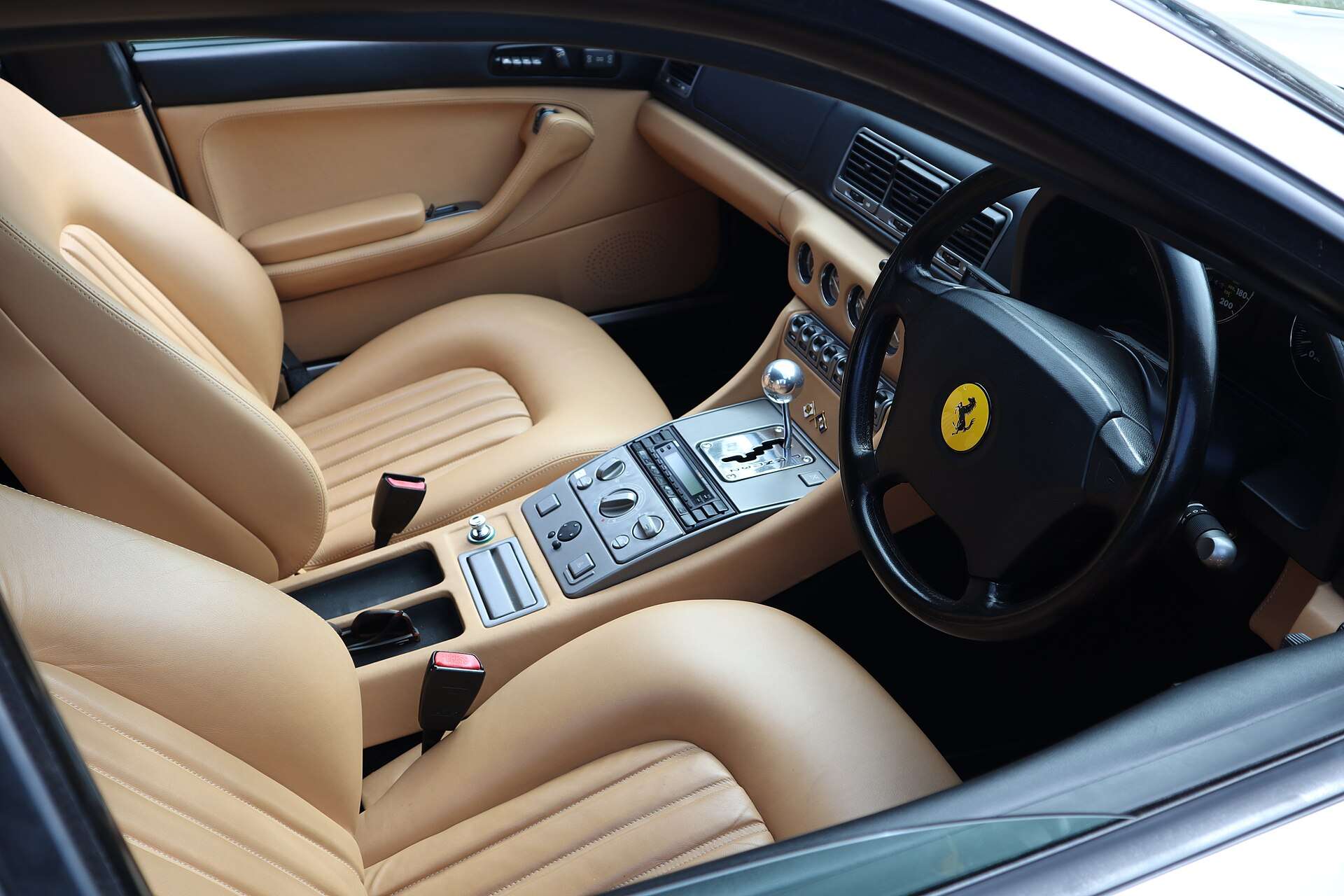
Inside, inspect seat motors, air conditioning, instruments, locks, alarm, radio and every switch. Soft-touch coatings can turn sticky, particularly on later cars, while leather shrinks around the dashboard and rear shelf. Original tools, books and fitted luggage add useful evidence of careful ownership.

Rear suspension, steering and brakes
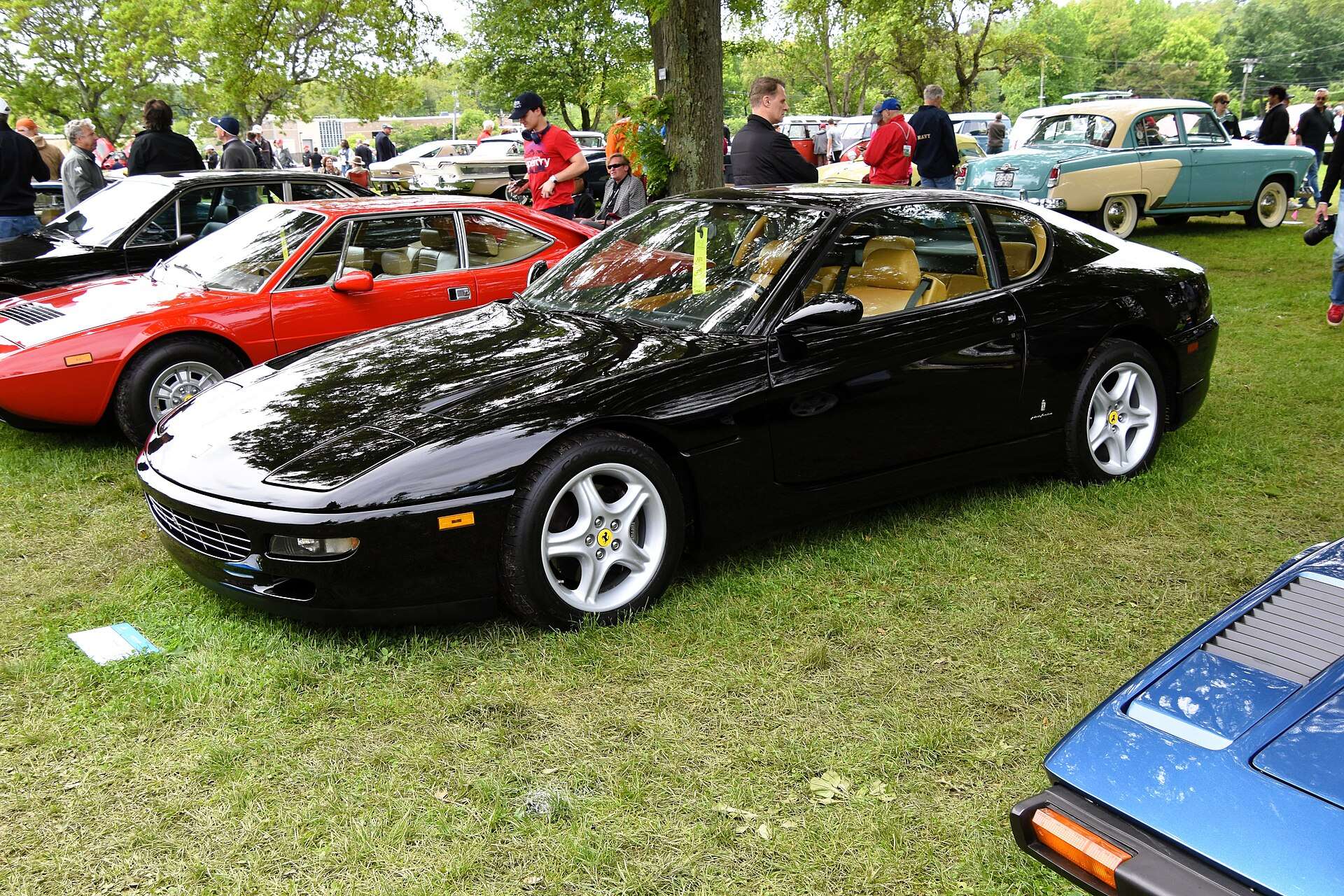
The self-levelling rear suspension uses hydraulic dampers and accumulators. Leaks, failed spheres or incorrect ride height can produce a harsh, bouncing car and costly repair. Check damper actuators, bushes, ball joints, steering rack and tyres, then inspect the active rear spoiler mechanism beneath the tail.
Brakes should be powerful and straight without vibration. Uneven wear may indicate alignment or suspension problems. Wheels are vulnerable to damage, and tyre age is particularly important on a heavy car capable of nearly 300km/h.
Manual or automatic?
The manual is rarer and more interactive, with the transaxle central to the car’s engineering appeal. The automatic suits urban and long-distance use but must shift smoothly when cold and hot without delayed engagement, slipping or harshness. Specialist support for the four-speed unit and its control system should be established before purchase.
Condition remains more important than transmission. The best 456 is a complete car that has been driven and maintained continuously, with window, suspension and cooling work already documented. A neglected manual is not automatically a better buy than an excellent GTA.
Sources and further reading
- Ferrari: development and launch of the 456 GT
- Ferrari: 456 GTA factory specifications
- Classic & Sports Car: Ferrari 456 GT buyer’s guide
- Classic Driver: Ferrari 456 GT buying guide
Continue the Ferrari story
Explore the complete Ferrari hub. Continue with the Ferrari 400, 400i and 412 and Ferrari Mondial.
Frequently asked questions
What engine does the Ferrari 456 use?
It uses a 5,474cc, 65-degree V12 producing a factory-rated 442hp in European specification.
What is the difference between 456 GT and GTA?
The GT uses a six-speed manual rear transaxle. The GTA uses a four-speed automatic mounted at the front and was introduced in 1996.
What changed on the Ferrari 456M?
The 1998 Modificata update revised the grille, bonnet, lighting, interior, cooling, windows, seals, steering, brakes and suspension details.
Can adults use the rear seats of a Ferrari 456?
The 456 is a genuine 2+2 and its rear seats are more usable than those of many sports coupés, though comfort still depends on front-seat position and journey length.
What are the main Ferrari 456 buying checks?
Check belt history, V12 health, cooling, window regulators and seals, rear self-levelling suspension, body repairs, sticky trim, electrics and gearbox operation.