UNUSUAL CARS MODEL GUIDE
The Reliant Robin is the light three-wheeled British economy car introduced in 1973 as the successor to the Regal. Its glassfibre body, aluminium engine and motorcycle-licence accessibility made it famous, but the real model history is broader and more technically interesting than its television caricature.
Quick answer: The Robin was built in several distinct generations from 1973 to 2001, followed briefly by licensed BN production. Buyers should distinguish Mk I, Mk II and Mk III cars, then prioritise chassis condition, correct tyres, steering and front-suspension health, cooling and documentary identity.
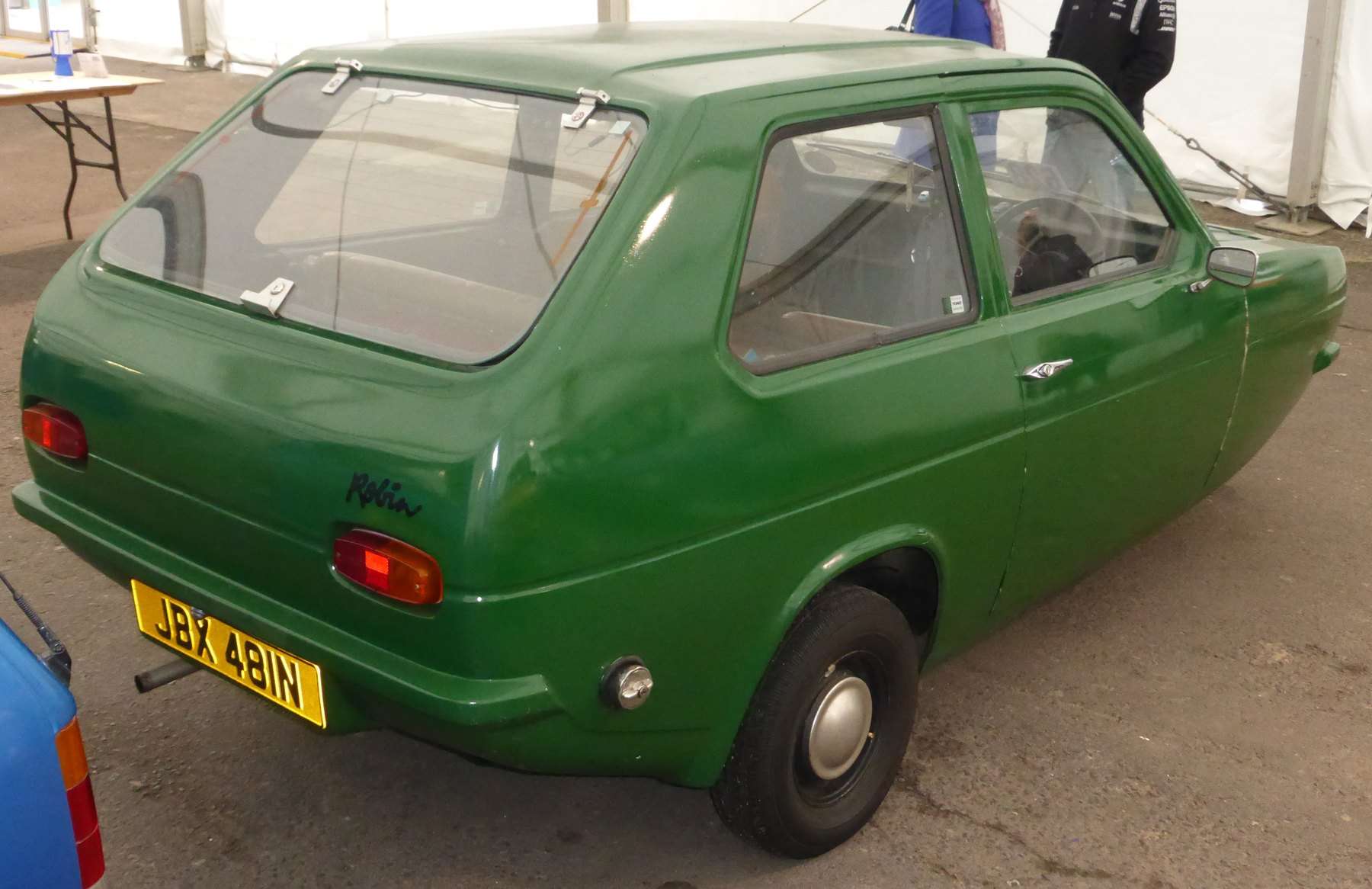
Featured image: Reliant Robin. Photograph by andreboeni, CC BY 2.0, via Wikimedia Commons; locally hosted.
From Regal replacement to national icon
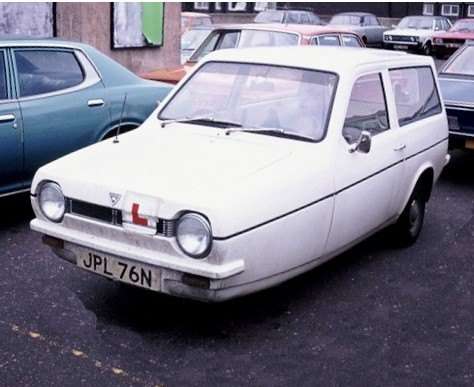
Reliant introduced the Robin in November 1973 to replace the Regal 3/30. Ogle Design developed the TW8 shape around a separate steel chassis and a one-piece glassfibre body. A large opening rear window and folding back seat gave the little car unusual carrying ability, while an anti-roll bar helped control the single-front-wheel layout.
The earliest cars used Reliant’s water-cooled 748cc four-cylinder aluminium engine, rated by the Reliant Motor Club at 32 bhp. The larger 848cc engine arrived during the 1970s and became the familiar Robin power unit. Saloon, estate and van forms gave the range a practical purpose that tends to be forgotten behind its comic reputation.
Mk I, Mk II, Mk III and BN cars
| Version | Years | Main distinction |
|---|---|---|
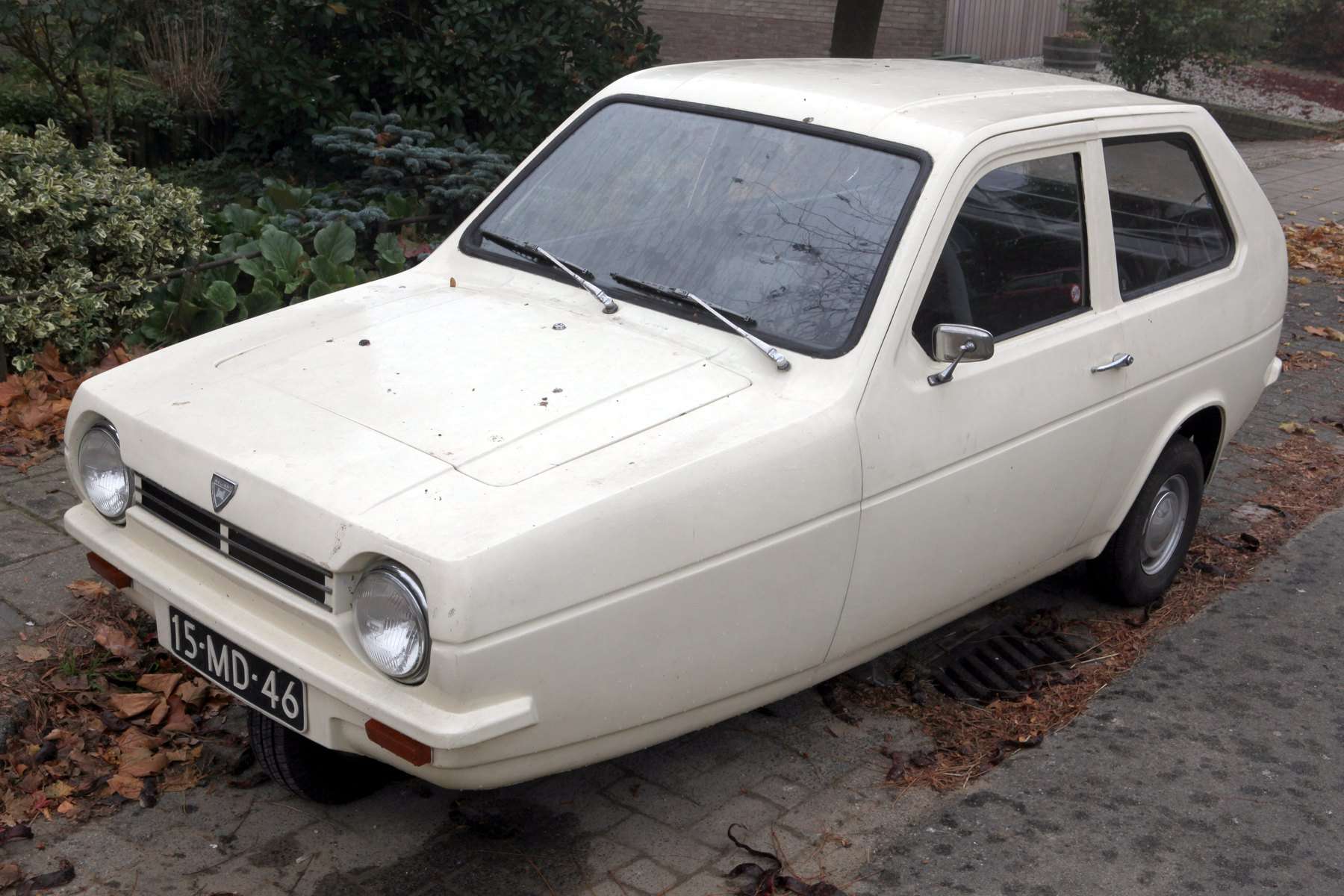
| Robin Mk I | 1973-1981 | Original Ogle-designed body; 750cc then 850cc engines; saloon, estate and van. |
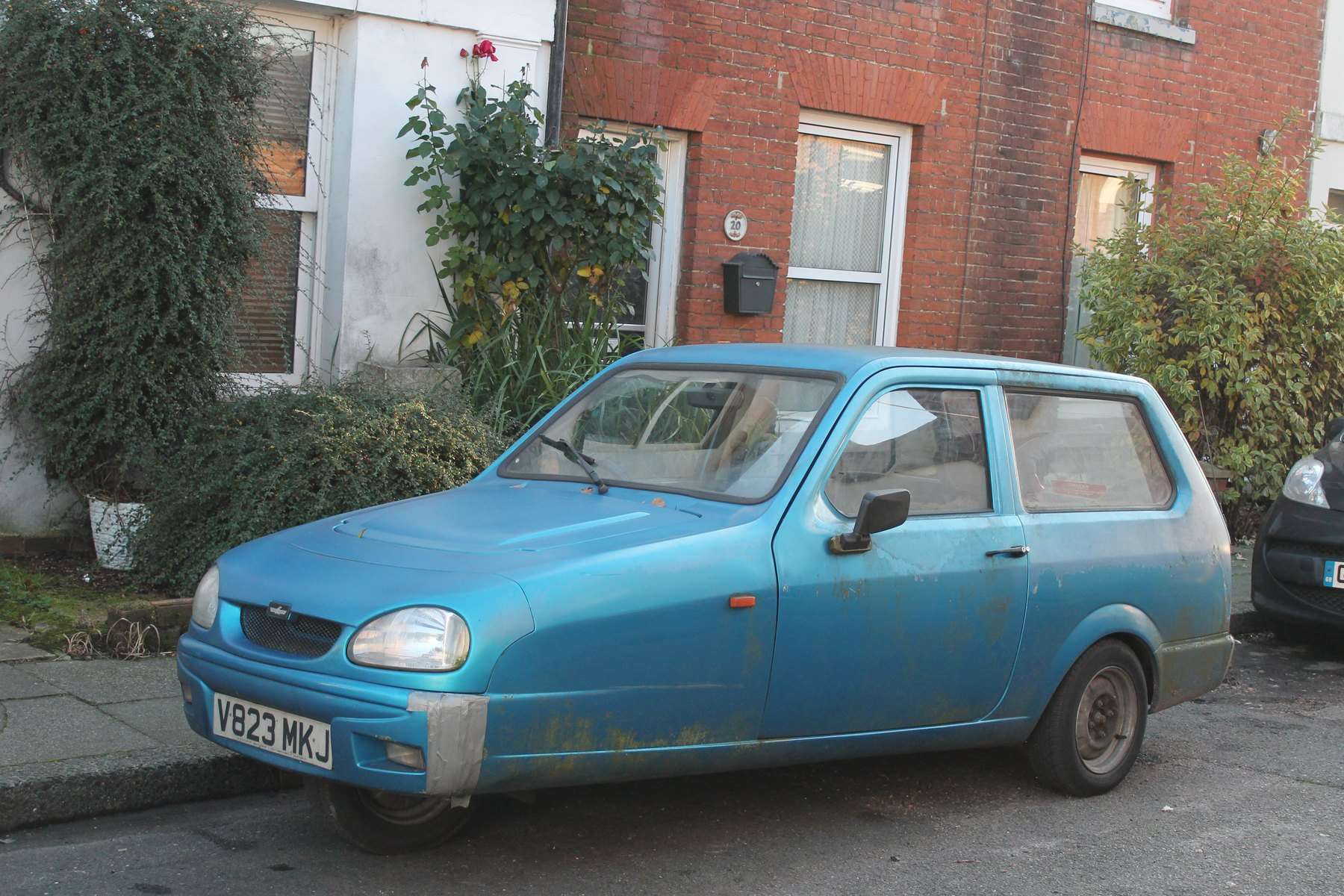
| Robin Mk II | 1989-1999 | Robin name revived after the Rialto era with a more angular body and numerous trim updates. |
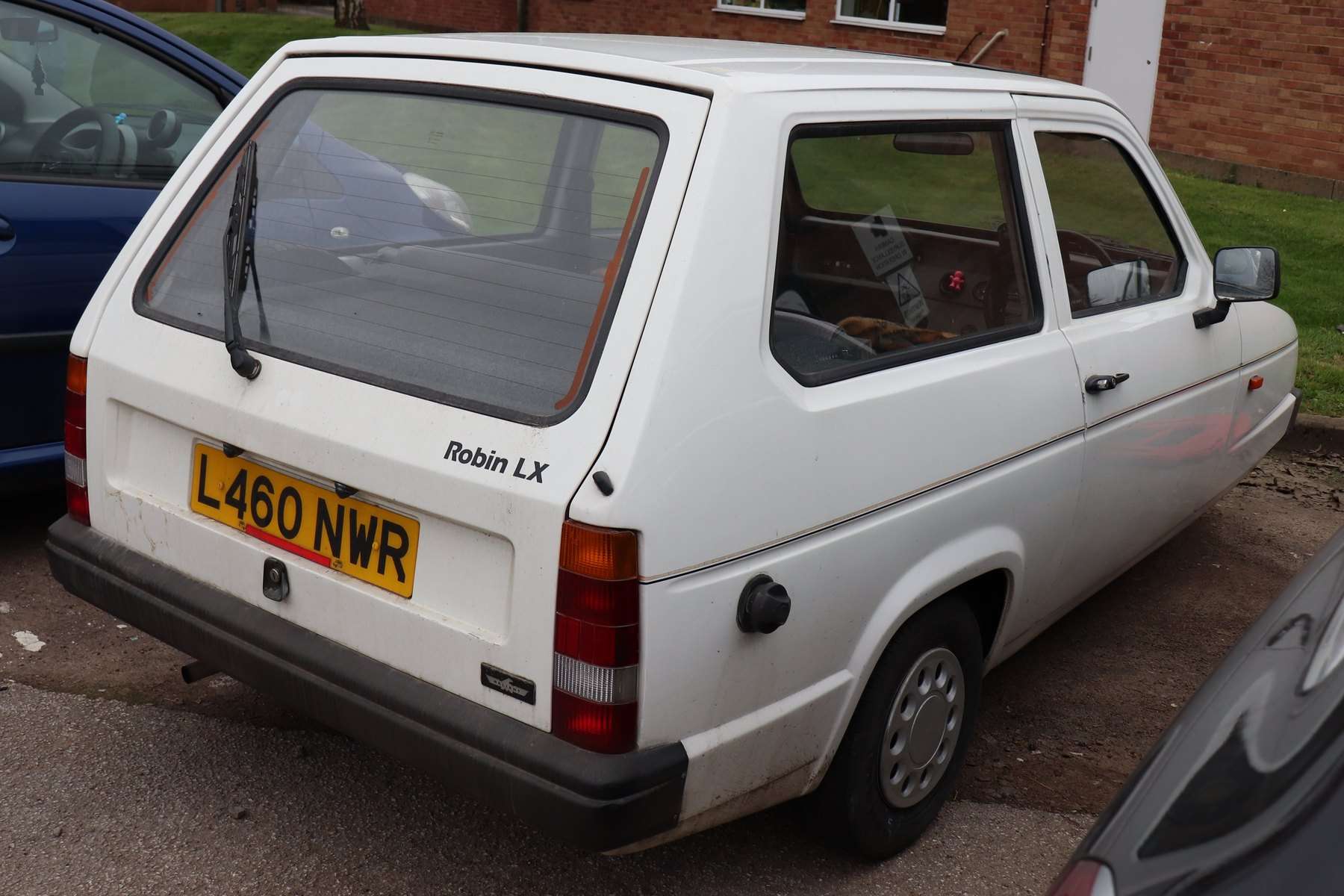
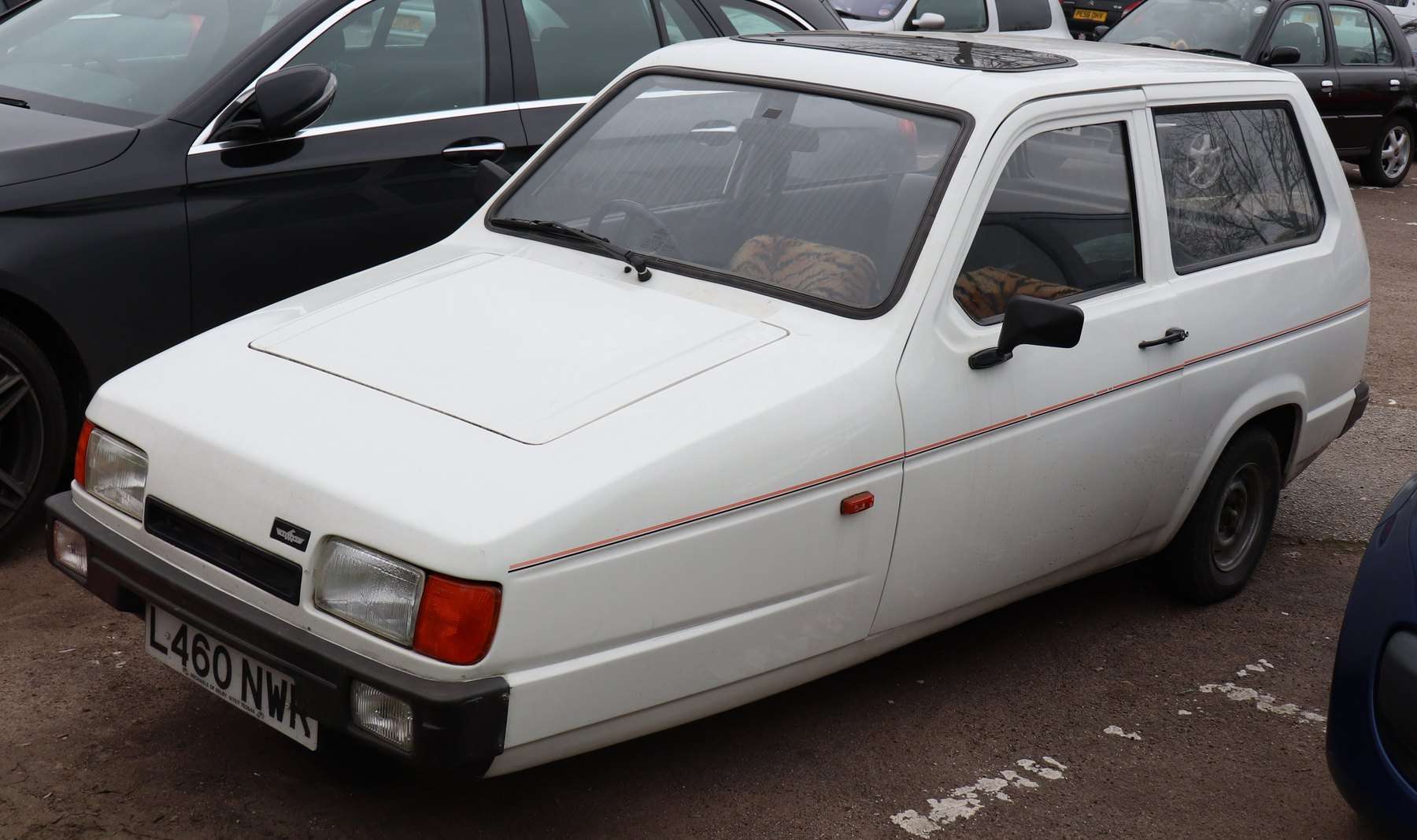
| Robin Mk III | 1999-2001 | Rounder final Reliant-built shape, ending with the numbered Robin 65 edition. |
| BN-1 and BN-2 | 2001-2002 | Licensed continuation by B&N Plastics with revised cabin and equipment. |
Names and production dates overlap in informal accounts because Reliant continued to update equipment in small batches. The factory announced the end of its own three-wheeler production in 2000; the last Reliant-built Robin was collected in February 2001.

Love cars you don’t see every day?
Get forgotten cars, surprising motoring stories and the most interesting finds from Unusual Cars by email.
Free to join. No spam. Unsubscribe whenever you like. See our privacy policy.
Engine, transmission and economy
The Reliant engine is an unusually light, water-cooled overhead-valve unit with an aluminium block and head and removable wet liners. The 748cc version used in the early Robin produced 32 bhp, while the later 848cc unit gave more useful torque. Drive passes through a four-speed manual gearbox to the rear axle.
Start a prospective purchase from cold. Check oil pressure, crankcase breathing, exhaust smoke, coolant stability, water pump, fan belt, carburettor and fuel hoses. Long storage can create more trouble than regular use: stale fuel, corroded tanks, sticking clutch hydraulics or cable mechanisms and perished hoses all need attention before the car is driven hard.
Chassis, body and stability
The glassfibre shell cannot rust like a steel body, but the separate chassis certainly can. Inspect the front crossmember, suspension and steering mounts, outriggers, seat and belt anchorages, rear spring areas and previous repairs. Later galvanised frames resist corrosion better only while their coating remains intact.
A healthy Robin should not feel uncontrollable. Correct front geometry, sound kingpin and steering components, properly operating dampers and springs, matching tyres and sensible tyre pressures are essential. Accident damage or careless jacking can distort the chassis. Body crazing is repairable, but cracks around hinges, screen apertures and mounting points can reveal stress or structural movement.
Brakes, cabin and documentary checks
Inspect every brake pipe, hose, cylinder and drum, then test for pulling, grabbing or a weak handbrake. Wheel bearings and universal joints should be quiet and free from excess play. Electrical systems are simple, but old connectors, grounds, charging components and aftermarket accessories can still produce intermittent faults.
Cabin trim differs considerably between generations and special editions. Missing gauges, switches, lamps, mouldings and late-model fittings may be harder to source than routine engine parts. Match the VIN and chassis number to the registration document, confirm body type and seating, and tell the insurer exactly what the vehicle is and how it is licensed.
Choosing the right Reliant Robin
The best Robin is structurally sound, correctly identified, regularly used and supported by invoices rather than novelty value. Drive it through all gears, test it at full temperature and listen to the differential and propshaft both under power and on the overrun. A specialist inspection is particularly valuable if the car has been modified.
Early Mk I cars have the strongest period character, Mk II examples offer the widest choice, and Mk III or Robin 65 cars appeal to collectors of the final production chapter. Condition outweighs generation: rebuilding a weak chassis or incomplete late interior can quickly cost more than buying a sound car.
Sources and further reading
- Reliant Motor Club: Robin history
- Reliant Motor Club: Reliant engine specifications
- Reliant Motor Club document library
Continue the Reliant story
Explore the complete Reliant hub. Continue with Reliant Rialto, Reliant Kitten.
Frequently asked questions
When was the Reliant Robin made?
Reliant introduced the Robin in 1973 and ended its own production in 2001. B&N Plastics then built licensed BN-1 and BN-2 cars until 2002.
What engine does a Reliant Robin use?
Early cars use Reliant’s 748cc aluminium four-cylinder engine; the later and much more common version is 848cc.
Can a Reliant Robin be driven on a motorcycle licence?
Licence entitlement depends on when the licence was issued and the vehicle’s legal classification. Owners should check the current DVLA rules for their individual licence rather than relying on folklore.
Does the glassfibre body mean a Robin cannot rust?
No. The outer shell is glassfibre, but the separate steel chassis, fasteners and many mechanical parts can corrode.
What should a buyer inspect first?
Chassis condition, front suspension and steering, tyres, brakes, cooling, driveline noise, identity documents and model-specific completeness.