UNUSUAL CARS MODEL GUIDE
The Lada Niva arrived in the late 1970s as a compact, purpose-built four-wheel-drive car with a monocoque body, independent front suspension, permanent four-wheel drive, low range and a lockable centre differential. British buyers later knew the better-equipped Cossack, while later 1.7-litre cars added fuel injection and a deeper tailgate.
Quick answer: A sound Niva is an exceptionally capable, characterful compact 4×4. Buy on body-shell structure, transmission condition, cooling, steering and documentation rather than shiny paint or accessories; the UK-market Cossack is desirable, but imports must be correctly identified.
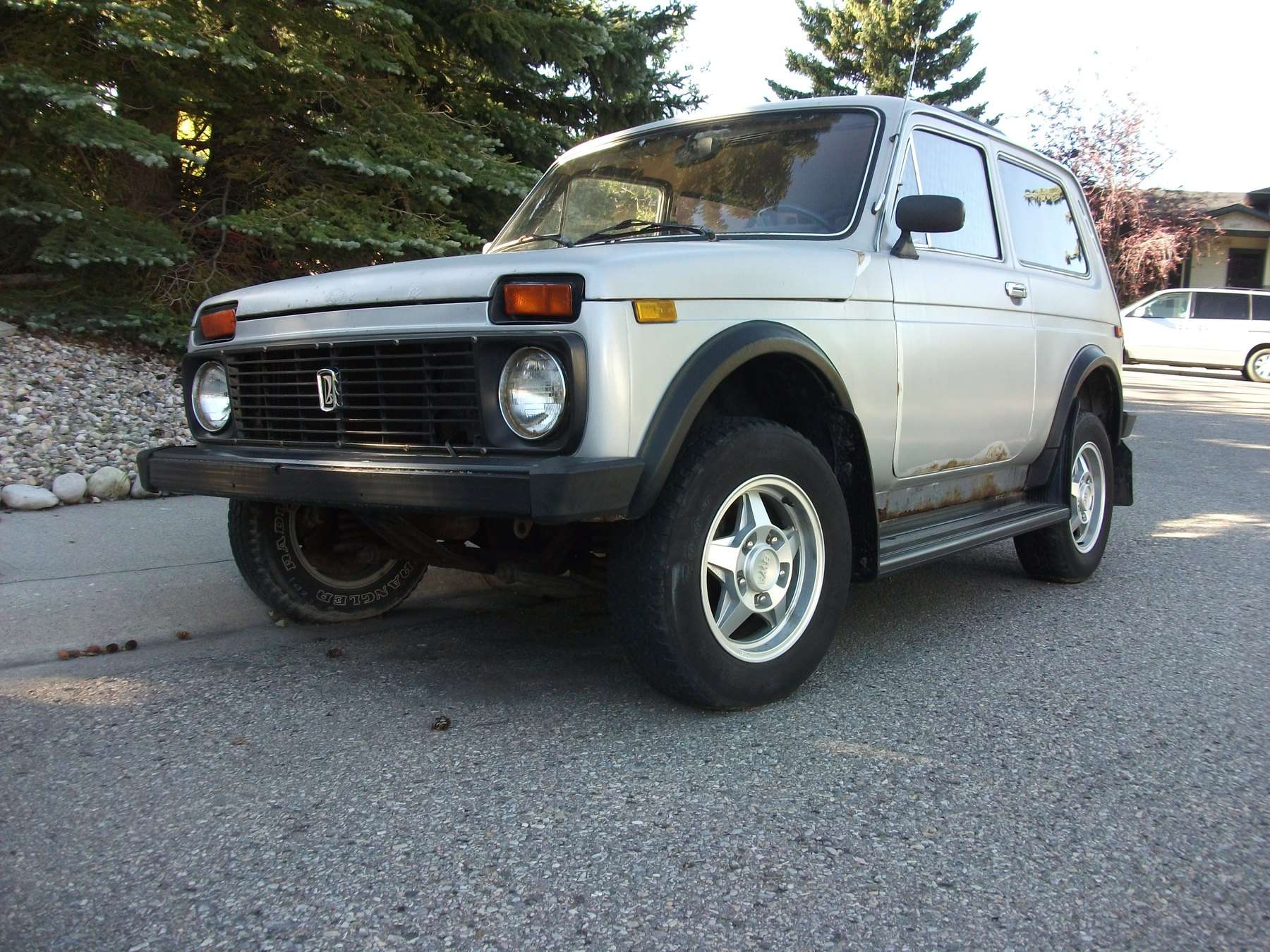
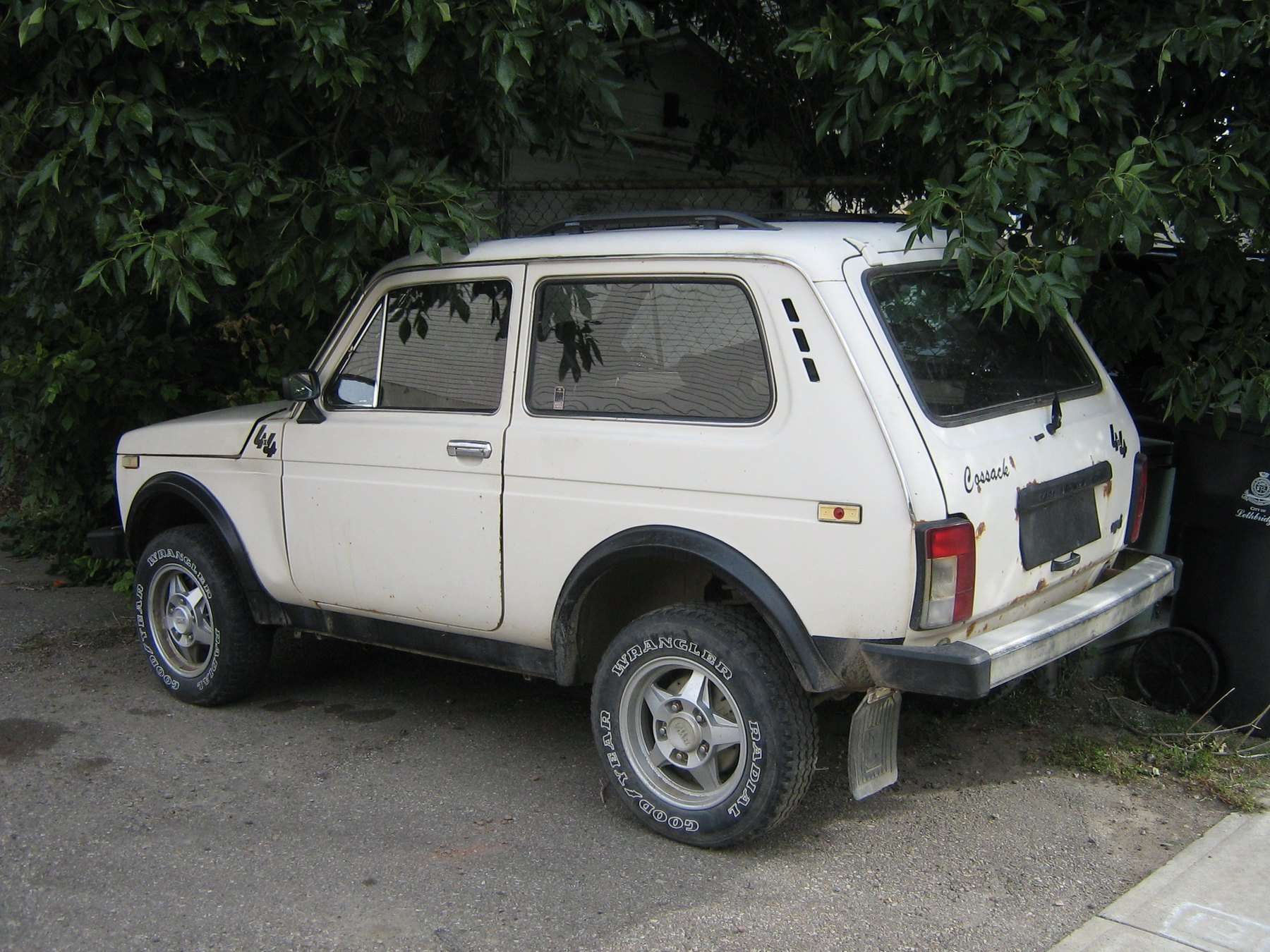
Featured image: Lada Niva and Cossack: History, Specifications and Buying Guide. Photograph by dave_7, CC BY 2.0, via Wikimedia Commons; locally hosted.
A clean-sheet rural 4×4
AvtoVAZ developed the VAZ-2121 for rural work rather than simply converting a saloon. It borrowed proven engine and transmission ideas from the rear-wheel-drive Lada range, but wrapped them in a compact three-door monocoque with its own body and a full-time four-wheel-drive system.
Production began in 1977. The combination of light weight, short overhangs, independent front suspension and a separate low-range transfer case gave the Niva unusual ability for its size. Unlike a selectable system, drive remains connected to both axles; the centre differential lock is for loose or slippery surfaces, not routine dry-road use.

British Niva, Cossack and Hussar models
Right-hand-drive Nivas were sold in Britain, where their low price and genuine off-road ability appealed to farmers, rural users and buyers who found larger 4x4s excessive. The Cossack name identified better-equipped UK editions with graphics and, depending on year, items such as alloy wheels, roof rails, side steps, spot lamps or a rear-mounted spare.
For 1995, the British range paired a basic Hussar with a facelifted Cossack. Both gained the 1.7-litre engine and the later body with a deeper tailgate. Official UK imports ended in the late 1990s, although independent imports later brought new left-hand-drive Nivas back to British roads.
Love cars you don’t see every day?
Get forgotten cars, surprising motoring stories and the most interesting finds from Unusual Cars by email.
Free to join. No spam. Unsubscribe whenever you like. See our privacy policy.
Engines, transmission and specifications
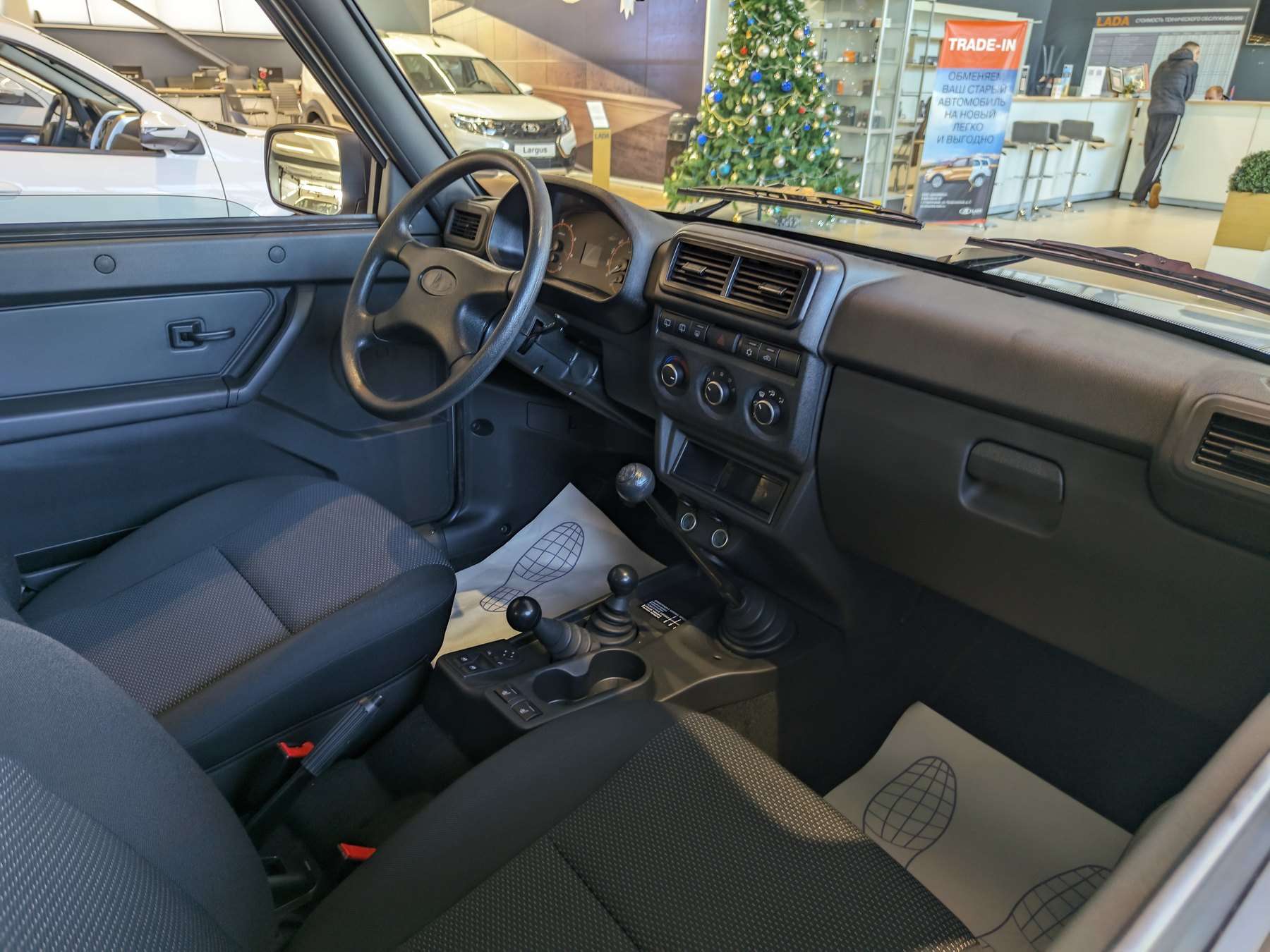
Early UK cars use the 1,568cc overhead-cam petrol four-cylinder engine, normally with a four-speed and later five-speed manual gearbox. Later 1.7i versions use a 1,690cc engine with fuel injection. Exact outputs vary by market and emissions equipment, so an engine number and registration record are safer than assumptions based on trim.
Every classic three-door Niva uses a two-speed transfer case and centre differential lock. Test all ratios on a loose surface, listen for bearing howl and driveline clunks, and check that the selector linkages move positively. Some gear whine is characteristic; heavy vibration or jumping out of gear is not.
Rust and body inspection
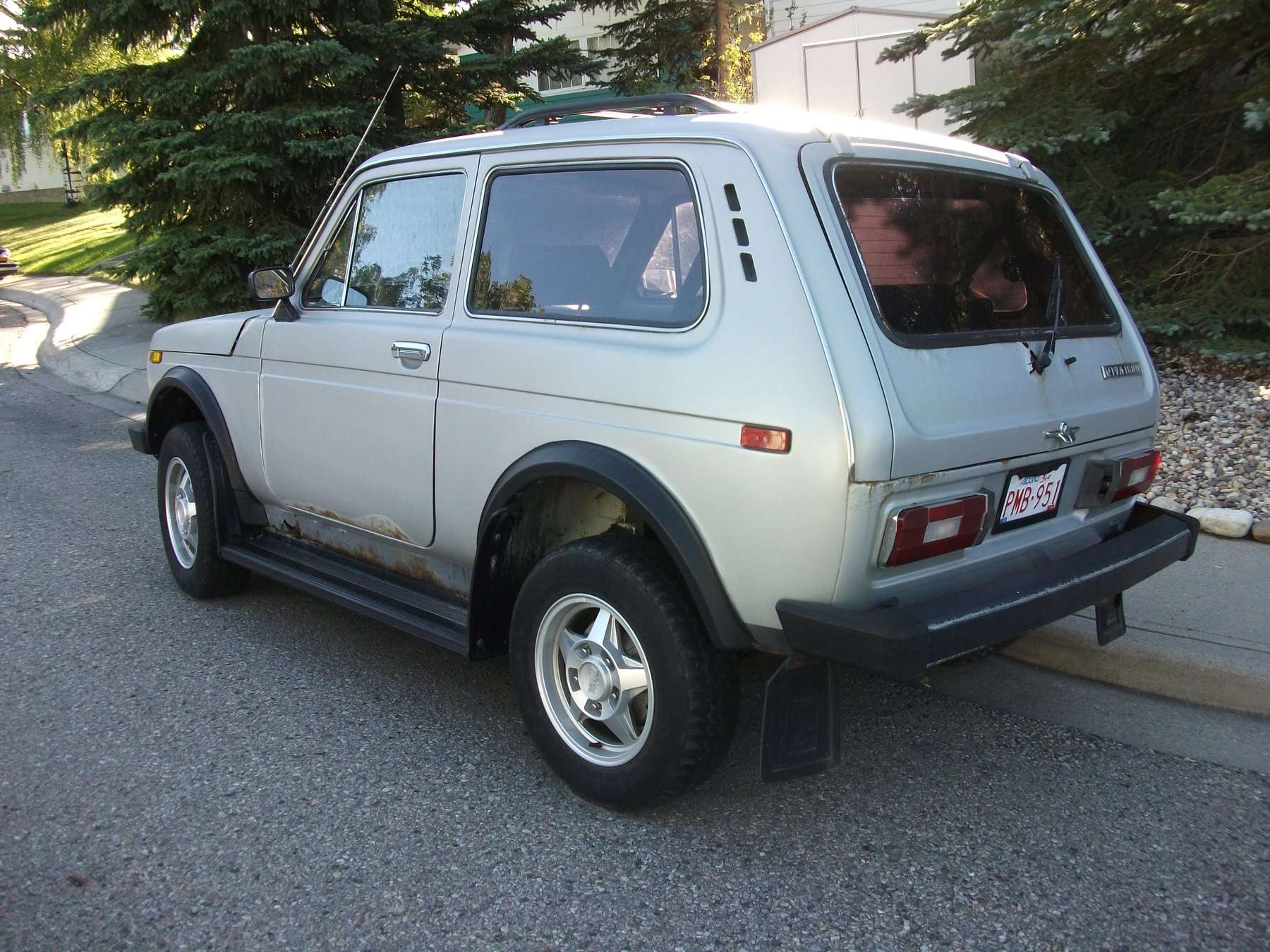
Corrosion is the decisive buying issue. Inspect inner and outer sills, floors, jacking points, front chassis legs, suspension and steering mounts, screen surround, door bottoms, wheel arches and the rear spring and damper areas. Lift carpets and examine seams from inside as well as underneath.
Paint can hide previous welding, filler and accident damage. Check door and tailgate gaps, roof gutters and the spare-wheel area. A cosmetically tired but straight, solid shell is a safer basis than a freshly painted car with uncertain structural repairs.
Mechanical and driving checks
The simple engine responds well to regular oil, coolant and ignition service, but overheating can damage the cylinder head and gasket. Check the radiator, heater, fan operation, water pump and hoses, then look for oil in coolant or persistent pressure from cold.
Heavy steering at parking speed is normal on early cars, but wander, knocks or uneven tyre wear point to worn ball joints, bushes, steering joints or poor alignment. Confirm that the brakes pull up squarely and that wheel bearings, universal joints and prop shafts are quiet.

Choosing and owning one in Britain
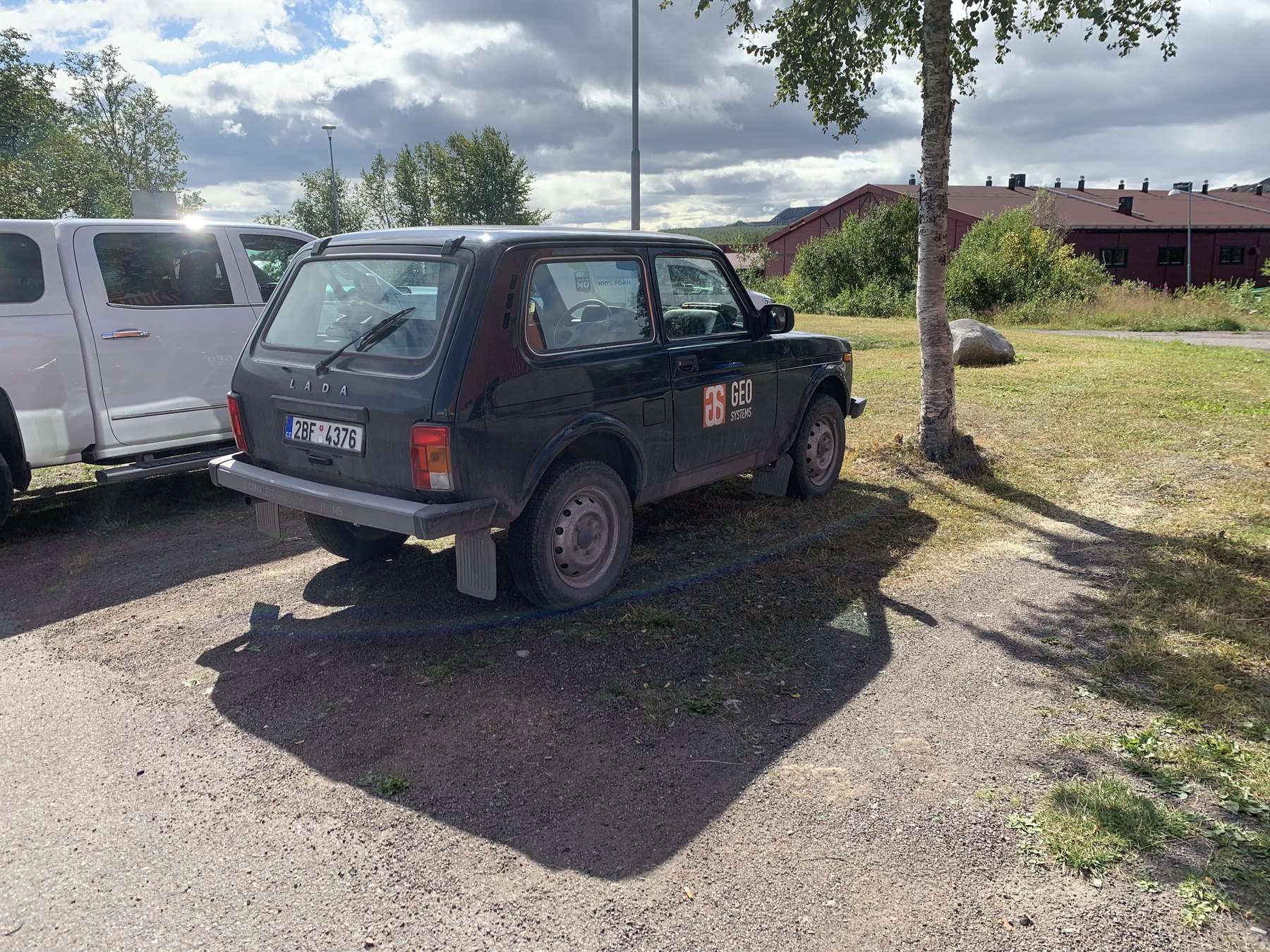
A genuine UK right-hand-drive Cossack has nostalgic appeal, but a carefully imported later left-hand-drive car may be younger and better preserved. Confirm the VIN, registration history, engine specification and emissions requirements before comparing prices.
Parts support is stronger than the car’s rarity suggests because the design remained in production for decades, yet UK-specific trim and conversion pieces can be scarce. Join an owners’ group, budget for preventive rust protection and use the transfer controls regularly to keep them free.
Continue the Lada story
Explore the complete Lada hub. Continue with Lada Riva and Lada Samara.
Frequently asked questions
Is the Lada Niva permanent four-wheel drive?
Yes. The classic Niva drives both axles through a centre differential and also provides low range and a centre-differential lock.
What is a Lada Niva Cossack?
Cossack was a better-equipped export and UK-market edition, usually identified by additional trim and graphics; equipment varied by year.
When did the Niva reach Britain?
The model appeared in Western export markets in the late 1970s and remained an official UK offering until the late 1990s.
What is the biggest buying risk?
Structural corrosion is the main risk, followed by neglected cooling systems and worn transmission or steering components.
Can a later Niva be imported to the UK?
Later left-hand-drive examples have been imported, but buyers must verify registration, emissions compliance and the individual vehicle’s documentation.