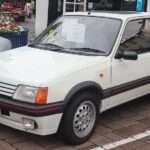
The Volkswagen Lupo GTI is a convincing small enthusiast car when its lightweight bodywork, naturally aspirated engine and original equipment are intact. Buying one well means looking beyond the six-speed badge: establish the shell’s condition, timing-belt history, gearbox behaviour and the cost of any missing GTI-specific parts. This UK buying guide covers early five-speed cars, later six-speeds and Japanese imports.
The buying verdict
Buy the best complete, structurally sound example with credible maintenance evidence. A six-speed is attractive, but a properly maintained five-speed can be a better purchase than a neglected later car. Allow money for a specialist inspection and an initial service baseline. Treat damaged aluminium panels, defective xenon lights and undocumented imports as buying decisions to investigate, rather than small jobs to dismiss.
For regular use, a largely standard car on appropriate tyres with working air conditioning, sound cooling and a healthy clutch makes the strongest case. For collecting, add verifiable specification, original trim and a consistent history. A modified car needs a documented plan, competent installation and a price reflecting the actual car.
Which Lupo GTI are you buying?
Volkswagen’s archive records a 1.6-litre, 125 PS GTI introduced in 2000, with a six-speed gearbox becoming standard in 2001. The factory quotes 0–100km/h in 8.2 seconds and a 205km/h top speed. These are period reference figures, not a performance test of any surviving car. The important distinction is that this is a naturally aspirated GTI; a turbocharged conversion needs a different assessment.
The factory also identifies aluminium front wings, doors and bonnet, flared arches, 15-inch wheels, lowered suspension, central twin exhausts and distinctive cabin details. Those features help describe the car, but appearance does not authenticate it. Match identification numbers and documents, establish the original build specification, and investigate replacement engines, gearbox changes and significant accident repairs.
| Version | Reason to consider it | What to verify |
|---|---|---|
| Early five-speed | The original specification; potentially good value if condition is strong. | Build date, actual gearbox, maintenance and originality. Do not reject it solely for having five ratios. |
| Later six-speed | The most familiar enthusiast choice, with an extra ratio. | Shift quality cold and warm, clutch, gearbox identity and any replacement history. |
| Japanese import | A further source of right-hand-drive cars, sometimes with appealing body condition. | Japanese records, export and UK registration documents, kilometre/mile history, conversion work and individual specification. |
| Modified example | Can suit an owner wanting a different chassis or engine character. | Full parts list, insurance acceptance, geometry, clearance, wiring and compatibility. |

Five-speed versus six-speed: what actually matters
The six-speed change did not turn the engine into a higher-output version. Choose on the road behaviour you prefer and the condition you can demonstrate. Drive both if possible. A gearbox should select consistently at sensible speeds; crunching, reluctance to engage or jumping out of gear should be investigated before a purchase is agreed.
Do not infer the build specification from first registration alone. Imported cars can have a long gap between manufacture and UK registration. An advert may also contain a mistaken gearbox field. Read the records, count the ratios during a proper drive and ask a specialist to establish the installed components if anything is inconsistent.
UK car or Japanese import?
An import is neither automatically better nor worse. Ask for the original export certificate and usable translations of service and mileage records. Establish when the speedometer was converted and whether the odometer continues in kilometres or has been changed. Compare dates and units explicitly; a number displayed on the dashboard is not necessarily lifetime mileage in miles.
Look for evidence of the first UK inspection and any work to lighting, speed display or other equipment. Check insurability using the actual registration and declared specification before paying a deposit. A claim that a Japanese car is rust-free needs the same lift inspection as a UK car. Storage, repairs and subsequent British use can matter as much as country of origin.
UK Lupo GTI prices: interpret the adverts
The live Car & Classic search inspected for this guide contained a 2000 five-speed in Romford advertised at £4,500 with 88,000 miles stated; a 2003 Japanese-import six-speed in Macclesfield at £8,495 with 125,000 kilometres stated; and a 2005 import in Middlesbrough at £5,495 with 82,000 miles stated. A dealer example near York appeared at £9,991, with duplicate listings. These are seller asking prices and attributed descriptions, not verified condition reports or achieved sales.
The same results included an ordinary 1.4-litre Lupo. Exclude that car, duplicates and overseas examples before drawing UK comparisons. The small sample demonstrates why “a Lupo costs this much” is less useful than a carefully matched shortlist. Equipment, history, body repairs, import records and immediate work can explain differences that mileage alone cannot.
Write down the total entry cost: purchase, inspection, collection, overdue servicing, tyres and repairs. A car needing belts, lighting work and corrosion repairs may be more expensive to establish than a higher-priced, documented example. Conversely, an expensive advert does not establish originality or guarantee that the important maintenance has been done.
Use completed sales when available, separating hammer price, published inclusive result and buyer’s fees. For a private purchase, negotiate against diagnosed defects and written estimates. A seller’s assertion that a warning light only needs a cheap sensor is not equivalent to a fault report. Keep copies of the advert and the written description of any agreed work.
Rust, aluminium panels and previous repairs
The aluminium panels are central to the GTI’s character and to its restoration economics. Inspect their edges, paint condition, alignment and signs of damage. Aluminium does not develop ordinary red steel rust, but it can corrode and requires suitable repair methods. A general statement that the car has aluminium panels says nothing about the steel structure beneath it.
Club Lupo’s owner-compiled fault register highlights roof gutters, rear arches and sills, plus GTI spoiler deterioration. Its reports are useful inspection leads, not a measured failure rate. Examine seams in good light, look for bubbling and compare both sides. A historic corrosion warranty mentioned in an old discussion should not be treated as cover for a car today.
Arrange a lift inspection of the sills, jacking areas, floor, suspension mounting areas and brake and fuel lines. Check metal around previous welding and look for fresh coatings concealing the extent of repairs. Ask for restoration photographs showing preparation and sound metal. Surface tidiness and a recent MOT cannot replace an assessment of structural condition.
Examine the front and rear crash areas, luggage floor, panel seams and door apertures for inconsistent repairs. Different paint texture, overspray, disturbed fasteners and uneven gaps are reasons to ask questions. A repaired car can be a good purchase if the work is understood. An unclear story about a replacement front end deserves investigation before any deposit.
Open both doors fully and gently. Check alignment, hinge condition and the check straps; clicking and dropped doors need a diagnosis. Inspect the lower edges and adjacent paint for contact damage. Price the actual repair, including paint and any scarce parts, rather than assuming an ordinary Lupo door is a direct substitute.

Rear spoiler, wash/wipe and water entry
Examine the spoiler for swelling, cracked or bubbling paint and a working high-level brake light. Owner reports describe water-related deterioration. A repaint alone may not solve the cause. Ask how any previous repair was carried out, whether the light was renewed and whether suitable replacements can be obtained.
Operate the rear washer while checking where the water goes. Club Lupo describes detached washer plumbing and deterioration inside the rear wiper assembly. Inspect the luggage compartment, battery area where fitted, under the rear seat and beneath accessible carpet for damp. A working pump with no water at the glass is not a harmless cosmetic issue if it is filling the car.
Investigate moisture before discussing a new carpet or a dehumidifier. Water can travel away from its entry point and remain in sound insulation. Check seals, washer plumbing and any disturbed bodywork as appropriate. Ask whether electrical faults began after a leak and inspect repaired wiring rather than assuming drying the visible surface cured everything.
Love cars you don’t see every day?
Get forgotten cars, surprising motoring stories and the most interesting finds from Unusual Cars by email.
Free to join. No spam. Unsubscribe whenever you like. See our privacy policy.
AVY engine checks and timing-belt evidence
Identify the installed engine before ordering parts. AVY is the code used by the GTI-specific parts listings inspected here. Do not accept a generic Lupo service kit, a diesel kit or the wrong 1.4-litre installation because the catalogue search includes the same body model. If the engine has been changed, document the replacement and establish which ancillaries and management remain.
Arrange a genuinely cold start. Check oil and coolant safely before starting, watch warning-lamp operation and listen for abnormal mechanical noise. Look for persistent smoke, unstable idle, misfire and leaks. A brief viewing cannot distinguish every possible cause, so record symptoms and let a suitable specialist diagnose them. Avoid interpreting one noise as proof of a specific failed component.
Belts, tensioners and water pump
Ask for an itemised invoice showing date, mileage, both relevant timing belts and associated tensioning components, rather than relying on a handwritten sticker. Club Lupo’s maintenance discussion gives 40,000 miles or four years as owner-community preventative practice. That should be described as community advice, not presented as a newly verified universal factory instruction. Confirm the applicable schedule and sensible age-based plan with a GTI-experienced workshop.
If the history is missing or the scope unclear, agree a replacement plan before regular use. Ask the installer to confirm the complete belt-drive kit, water pump, coolant, required fasteners and any related seals. A receipt for one belt is not necessarily a full timing service. Nor does an attractive retail kit prove that it contains everything a particular job needs.
Compare Lupo GTI AVY timing belt and water pump kits after confirming fitment. Do not substitute a chain-service recommendation from a later turbocharged GTI. The labour and fitted-cost references below concern this older 1.6 installation.
Misfires, oil use and cooling
Ask how much oil is added and over what distance. Check for leaks, contaminated plugs where further inspection is justified, and smoke during a normal warm drive. A seller saying all old engines consume oil is not evidence of an acceptable rate. Equally, the owner forum’s stronger oil-consumption discussion about 1.4-litre Lupos should not be imported wholesale into a diagnosis of the GTI.
Misfire can involve ignition components, wiring, fuelling or mechanical condition. Have stored and current diagnostic faults read and interpreted alongside the symptoms. Check service evidence before buying GTI ignition parts. A collection of replaced sensors may indicate that a problem remains unresolved.
Inspect coolant staining, hoses, radiator, thermostat housing and the pump area. Ask about overheating and repeated top-ups. Let the car warm normally and check stable behaviour in traffic as well as on a moving-road test. Never open a hot cooling system. A temperature display that appears normal during a short drive cannot establish that the whole system is sound.
Check heater output and air conditioning separately. Warm air from the heater does not prove the air-conditioning circuit works. A seller’s suggestion that it only needs refrigerant should be supported by a leak and function assessment. Compare GTI cooling components only once the failed part has been established.
Gearbox, clutch and the pedal-box confusion
Drive through every gear cold and warm, including reverse when stationary. Assess clutch take-up, pedal consistency, selection and noises under normal load and on overrun. Difficulty selecting can involve the clutch, hydraulics, linkage or internal transmission wear; it should not automatically be priced as a small adjustment.
Many generic Lupo fault lists discuss the pedal-box and cable-clutch arrangements of other versions. The GTI’s hydraulic clutch means that advice should not be repeated as though every Lupo has identical equipment. Inspect the actual pedal, hydraulic system and transmission fitted. Ask the specialist to distinguish a control problem from a worn gearbox before negotiating.
Check for transmission-fluid leaks and evidence of previous replacement or rebuilding. Establish the gearbox code and whether the invoice relates to the current unit. A used replacement described only as fitting a Lupo is insufficient information. A six-speed conversion also needs records of the complete installation, rather than a gear knob being treated as proof.
For clutch work, confirm kit contents, release components, fluid and any seals or associated repairs in the fitted quote. Compare Lupo GTI clutch kits by exact installation. Avoid repeated hard acceleration to provoke slip; a responsible road test and professional assessment should establish whether further investigation is needed.
Suspension, steering, brakes and tyres
A standard GTI should feel coherent and responsive, not crashy or nervous. Notice uneven ride height, knocks, wandering and inconsistent steering response. Inspect bushes, joints, dampers, springs and mountings. A wheel alignment cannot cure a worn joint or a bent component, and replacement springs should match the installation.
For lowered cars, examine tyre clearance, remaining travel, exhaust clearance and evidence of contact. Obtain suspension specifications and an alignment report. A recognisable brand name is not proof that the chosen settings suit the road. Check any spacers, wheel bolts and wheel dimensions with someone competent to assess their suitability.
Inspect brake discs on both faces, pads, calipers, hoses and rigid lines. Check braking for vibration, pulling or an inconsistent pedal. A recently renewed front set does not establish the condition of the rear brakes. Check handbrake operation and ask about any persistent MOT brake advisories.
Tyres need the correct size, load and speed suitability for the actual wheels, alongside sound condition and reasonable age. The factory archive describes 205-width tyres on 15-inch wheels; verify the individual car’s approved specification rather than buying from width alone. Availability and choice should be priced before assuming a wheel change is an improvement.
Useful searches include GTI brake discs and pads and GTI suspension parts. Confirm quantities: a single disc, axle pair and full set are different purchases. Ordinary Lupo and GTI components should not be assumed interchangeable.
Xenon lights, cabin and electrical checks
Demonstrate the xenon lights, their functions and associated levelling and washing equipment where fitted. A dark headlamp may involve more than a bulb. Club Lupo owners specifically report expensive GTI lighting faults; get the fault and required components identified. Inspect housings, mountings and wiring for impact damage and improvised repairs.
Check windows, mirrors, central locking, interior lights and the lights-on warning. Door-lock sensing faults can connect apparently unrelated symptoms. Test the car with every supplied key and ask about alarms or immobiliser modifications. An intermittent starting problem needs an explanation supported by findings, not a promise that the next battery will cure it.
Have charging and battery condition tested if starting is slow or electrical behaviour inconsistent. Search for Lupo GTI alternators only after checking output, connections, original part identification and whether a replacement is new or remanufactured. Account for exchange surcharges and return terms. Labour may make fitting an unknown used unit poor value.
Inspect seats, tilt mechanisms, headlining, red belts, pedals and trim. Test the seat’s movement and secure latching before driving. Correct small details can be harder to source than filters. If collecting originality matters, list the missing components and check availability before being reassured by a freshly valeted cabin.

Maintenance, parts, labour and UK fitted costs
The table separates current parts examples from a published repair estimate. Figures are reference points, not a quote for your registration. ClickMechanic labels its estimates as combined third-party data and says actual providers can charge outside the range. Its 2005 1.6-litre row includes timing kit, pump and coolant; confirm the GTI engine and complete scope with the installer.
| Job | Parts evidence | Labour / fitted reference |
|---|---|---|
| Timing belts and water pump | Live GTI AVY kit listings included INA £103.90, Gates £121.29 and SKF £129.63 before conditional discounts. Verify kit contents. | ClickMechanic 2005 1.6: 2–3 hours; independent fitted estimate £260–£289, franchise £426–£473. Its own parts allowance is £152–£186 and is separate from these retail examples. |
| Alternator | Compare GTI alternators; output, connections and exchange status must match. | Obtain a diagnosed fitted quote including electrical checks and any auxiliary-drive work. No verified fixed GTI labour price is asserted here. |
| Clutch | Correct GTI clutch kit; distinguish kit from plate or bearing alone. | Quote for the installed five- or six-speed arrangement, related parts, fluids and VAT. |
| Brake overhaul | Discs, pads and caliper searches; compare an axle’s complete scope. | Inspect calipers, lines and handbrake before pricing. Seized components can change labour. |
| Routine service | GTI filters and service kits; specify correct oil approval and all items due. | Ask for an itemised service quote; an oil change does not include belts, brake fluid or every filter automatically. |
| Lighting or bodywork | Identify the exact light, panel or trim before shopping. | Specialist assessment. Paint, diagnosis, preparation and scarce parts prevent a useful universal total. |
Do not calculate a supposed labour bill by subtracting the cheapest eBay kit from a workshop’s fitted estimate. The kit, warranty, coolant, fasteners, tax treatment and scope may differ. Ask for the total payable and whether the workshop accepts customer-supplied parts. Agree what happens if additional defects are found once access is gained.
After purchase, build a baseline from the actual records. Separate immediate safety work, overdue scheduled maintenance and cosmetic improvements. Record date, mileage units, part numbers and fluid specifications on future invoices. A clear record makes subsequent maintenance easier and helps the next buyer understand the car.
Hidden ownership costs
GTI-specific completeness. A car missing sound lights, aluminium panels, correct seats or trim can be expensive even if the engine runs well. Make an availability list before assuming a breaker will have everything. Compare the total restoration route with a more complete car.
Import documentation and mileage reconciliation. Translation, inspection, insurance arrangements and sorting out previous conversion work can take time. A kilometre reading is not an inconvenience to hide; it is part of the history to explain. A well-documented import can be preferable to an unclear domestic car.
Deferred jobs arriving together. Belts, tyres, brakes, cooling, air conditioning and damp repairs are separate liabilities. Reserve money for what the inspection finds. A discount equal to one kit price does not cover several installed jobs.
Reversing modifications. Standard wheels, suspension, exhaust, lighting and wiring can cost more to reinstate than the seller expects. Ask for retained original parts and assess whether they are usable. Declare modifications accurately when obtaining insurance.
Limited use still creates maintenance. Storage can affect batteries, tyres, brakes and seals. Budget insurance, secure parking, tax and fuel for your circumstances, and confirm emissions-zone eligibility by registration. Low annual mileage does not suspend time-related servicing.
Before travelling, at the viewing and after the drive
- Before travelling: obtain registration, VIN/build information, belt invoices, import records if applicable and a full modification list. Arrange inspection access and confirm insurance for the test drive.
- Cold: inspect fluid levels safely, warning-lamp operation, starting, idle, smoke, leaks and the actual engine identity.
- Body: examine roof gutters, sills, arches, aluminium panels, spoiler, crash repairs and damp. Include a lift inspection rather than only looking underneath from a kerb.
- Drive: assess every gear, clutch, steering, ride, braking and fully warm cooling behaviour at appropriate legal speeds.
- Equipment: demonstrate lights, windows, locks, keys, heater, air conditioning, washers, wipers and seat operation.
- Afterwards: recheck leaks and smells, obtain diagnostic findings and separate essential work from optional improvements.
- Decision: compare the whole entry cost, obtain fitted quotes and walk away from unexplained identity or structural concerns.

Lupo GTI buying questions
Is the six-speed always the better buy?
No. It is desirable, but shell condition, completeness and maintenance can outweigh the extra ratio. Both versions deserve a cold and warm transmission test. Confirm the actual gearbox rather than relying on an advert field.
Does the Lupo GTI have a timing belt or chain?
The AVY engine has a belt-driven timing arrangement. Obtain evidence covering the complete relevant belt drive and associated components. If records are absent, agree a suitable replacement plan with a GTI-experienced workshop before regular use.
Are Japanese imports worth considering?
Yes, with clear documentation, mileage units and conversion history, plus the same structural and mechanical inspection as any other car. Country of origin is not a substitute for examining the individual example.
Are ordinary Lupo parts suitable?
Some are shared, others are not. Body panels, lighting, clutch arrangements and service fitment need particular care. Order by engine, build details and confirmed part identification; the search result title alone is insufficient.
What should make me stop a purchase?
Unexplained identity discrepancies, hidden structural work, refusal of meaningful inspection or a major running problem with no diagnosis. A known repair with a credible quote is a different proposition from an unknown liability.
Sources and research method
Factory specification and model changes: Volkswagen’s Lupo archive. Owner-reported inspection points: Club Lupo’s common-fault register, treated as reports rather than failure statistics and distinguished by model where necessary. UK asking-price examples: Car & Classic Lupo GTI listings. Parts examples: the linked eBay searches, excluding conditional coupons. Labour and fitted estimates: ClickMechanic’s model/year table. These are desk-researched buying checks, not a claim that we inspected the advertised cars.
For the model’s development and place in the GTI family, read our separate Lupo GTI history. Photographs are credited individually and illustrate the model; they do not represent the advertised cars or certify factory originality.
Some parts links are eBay affiliate links. We may earn a commission from qualifying purchases. Search results are comparisons, not a fitment guarantee or an endorsement of every seller. Confirm the engine, part number, condition and kit contents before ordering. Prices and availability change.
Volkswagen Lupo GTI for sale on eBay UK

See more Volkswagen Lupo GTI cars on eBay UK
Love cars you don’t see every day?
Get forgotten cars, surprising motoring stories and the most interesting finds from Unusual Cars by email.
Free to join. No spam. Unsubscribe whenever you like. See our privacy policy.