Buying Guides / Audi A5 B8 and B8.5 3.0 TDI · UK buying advice
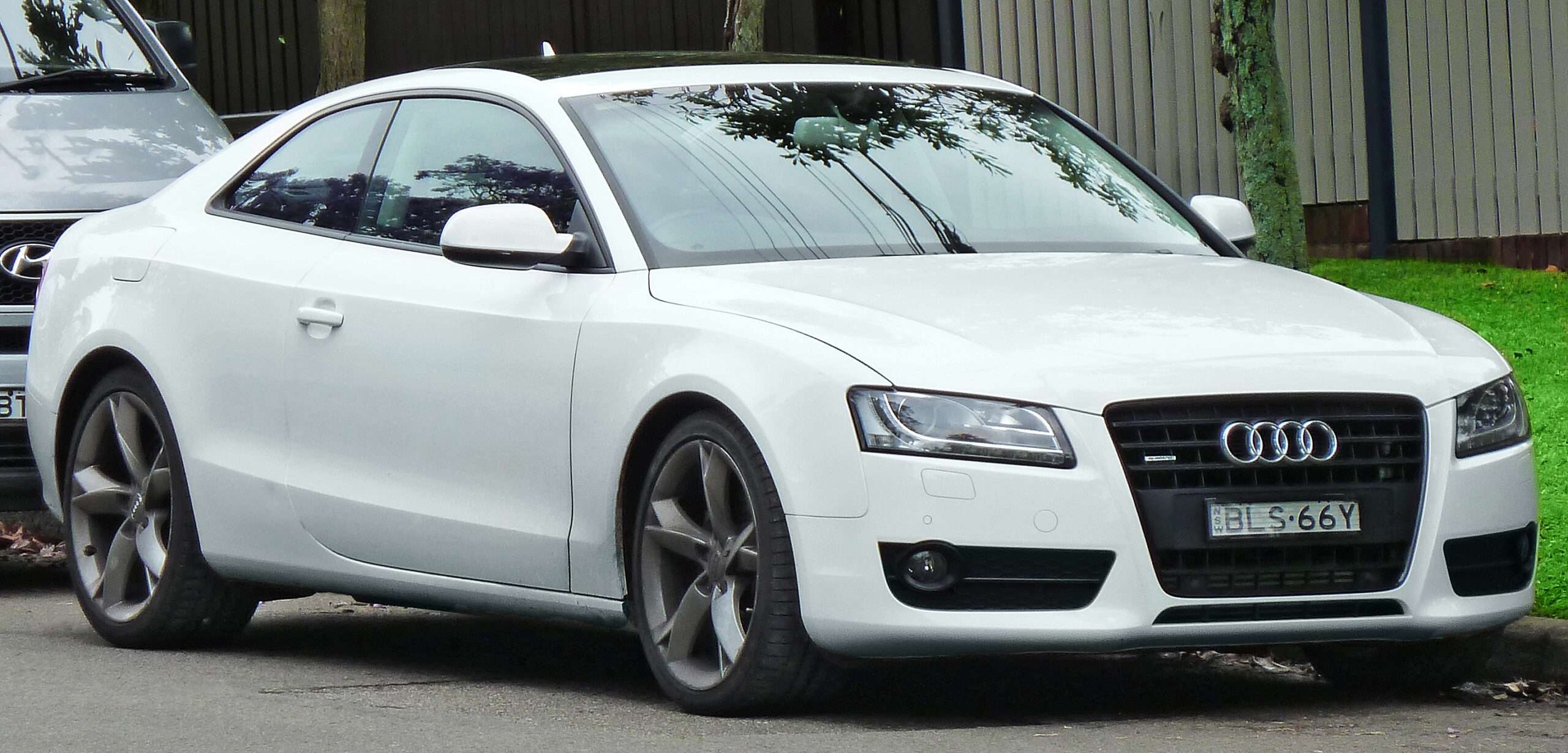
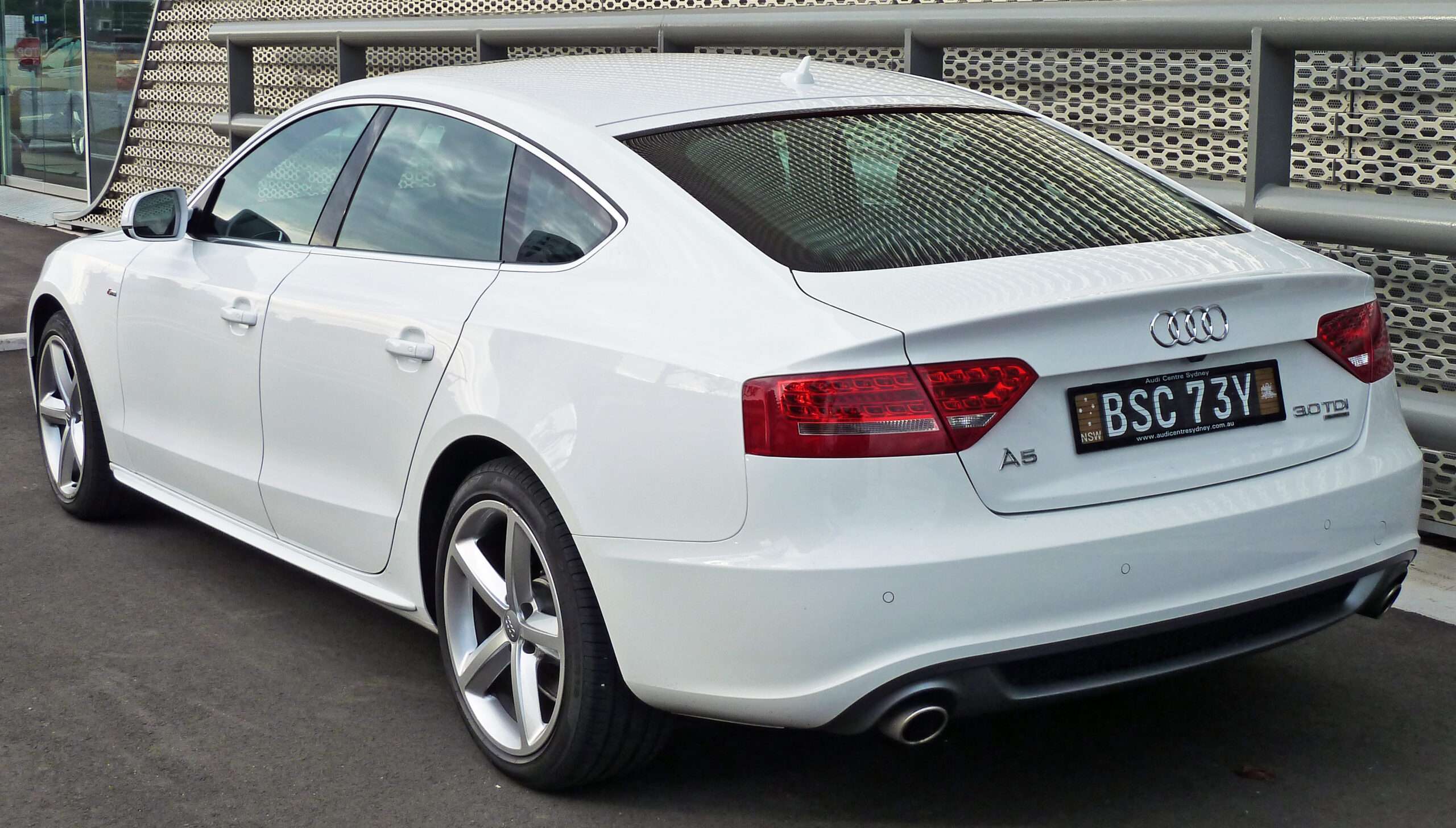
The first-generation Audi A5 3.0 TDI offers an attractive combination of V6 diesel refinement, usable performance and a body that still looks expensive. A Coupé is an appealing long-distance car, a Sportback adds easier access and luggage flexibility, and a Cabriolet offers a different kind of weekend. The danger is buying the shape without establishing the engine, gearbox and maintenance behind it.
The buying verdict
Choose a mechanically standard car with a verified engine and gearbox identity, a coherent oil-service history, satisfactory cold-start behaviour and a full specialist inspection. Our default would be a well-kept fixed-roof car with sensible wheels and documented transmission care. A Cabriolet can be rewarding, but inspect its roof and water management as carefully as the engine. A cheap automatic with an unexplained hesitation is not a bargain until the cause is established.
This guide covers the B8/B8.5-era 3.0 TDI Coupé, Sportback and Cabriolet. It excludes the later B9, the 2.0/2.7 TDI and petrol A5/S5 engines. Engine and gearbox combinations vary by body, build and market. Establish the VIN, engine code, transmission and driven wheels before applying maintenance advice or ordering parts.
Identify the A5 before comparing the adverts
The 3.0 TDI badge covers different outputs and configurations during this generation. Do not use the seller’s power figure alone to identify the engine. Confirm the build information and installed hardware, particularly if an engine or gearbox has been replaced. A later registration may straddle changes and does not establish the specification by itself.
A useful example is Top Gear’s 2011 first drive of the 204-labelled 3.0 TDI Multitronic. It documents a facelift configuration with a CVT; it is not evidence that every 3.0 TDI has the same transmission. Current UK advertisements show Multitronic and S tronic cars alongside other configurations. Treat the exact gearbox as a purchase decision, rather than an incidental detail.
| Choice | Reason to consider it | Key inspection questions |
|---|---|---|
| Coupé | The classic two-door shape and a fixed-roof touring car. | Long-door access, window indexing, seals, seat mechanisms and rear-seat suitability. |
| Sportback | More convenient rear access and a larger luggage opening. | Tailgate, load area, rear doors/glass, folding seats and water ingress. |
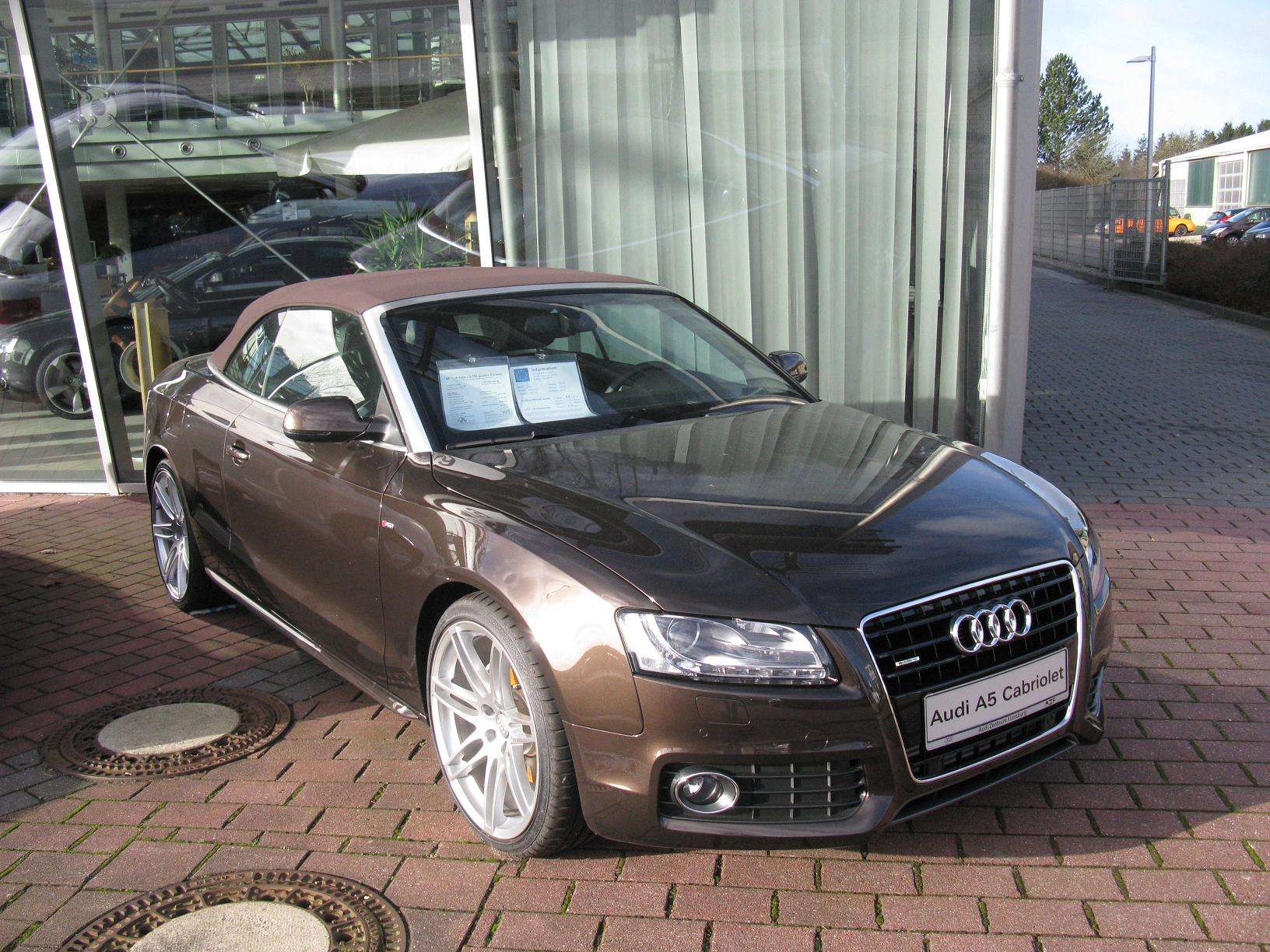
| Cabriolet | Open-air use with the V6 diesel’s touring character. | Complete roof cycle, latches, hydraulics, sensors, seals, drainage and rear glass. |
| Multitronic | A particular CVT configuration with a different driving feel. | Correct identity, fluid history, take-up, reversing, warm operation and diagnostic findings. |
| S tronic | A dual-clutch configuration in relevant applications. | Service scope, clutch behaviour, engagement and mechatronic/control assessment. |
Quattro, a gear selector and a number of indicated ratios do not tell the whole story. A CVT can display stepped ratios without becoming a conventional automatic. An S tronic should not be serviced with a kit chosen for a transverse DSG simply because both have dual clutches. Have the installed gearbox code identified before choosing fluid or interpreting repair advice.
Similarly, do not copy Haldex servicing from an A3/S3 into an A5 solely because both adverts say quattro. Establish the actual drivetrain. Check the relevant shafts, joints, differentials and fluid requirements, and inspect tyres as a complete set. A broad quattro label does not make the underlying layout identical across the Audi range.
Trim matters, but should follow condition. S line styling, large wheels, leather, cameras, upgraded lights and infotainment can be desirable while adding cost if neglected. Test what is fitted and compare its operation with the build specification. A standard-looking car with good tyres and coherent history can be more useful than a high-specification example with several broken options.
Test rear access and luggage capacity with the people and objects that will use the car. A beautiful Coupé can be awkward in a narrow parking space or for regular rear passengers. A Sportback may solve those problems; the Cabriolet’s luggage arrangements need testing with its roof in the relevant position. Choose the body for your routine rather than assuming shared styling means shared practicality.

UK prices: compare the correct engine and gearbox
The AutoTrader 3.0-litre A5 page showed examples labelled 3.0 TDI from £2,270 and £2,495, Multitronic cars at £4,250 and £7,095, and S tronic examples at £6,990, £7,995 and £11,350. These are asking prices across different years, bodies and specifications, not achieved sales or a valuation of a particular car. Broad page totals can include configurations outside this guide.
A low price can reflect ordinary age and mileage, but it can also hide a gearbox fault, emissions warning or water problem. Ask for the registration, build information and major invoice photographs before travelling. If the seller knows a fault exists, request the diagnostic report rather than relying on a description such as “sensor”, “needs a service” or “easy repair”.
At the premium end, expect documented condition and preparation. A low odometer reading is not sufficient justification on its own: inspect service dates, tyre age, time spent standing and the type of use. A high-mileage touring car with a credible history can be preferable to an infrequently driven example with unresolved warnings and old consumables.
Make a comparison sheet containing body, engine and gearbox codes, driven wheels, service timeline, transmission work, roof equipment where relevant, tyres, brakes, keys and current faults. Add written fitted quotations to the asking price. A cheaper car needing several jobs may quickly overtake a better-maintained alternative.
Obtain insurance and check tax and emissions-zone access using the exact registration. Do not infer eligibility from “3.0 TDI”, the registration year or the seller’s description alone. Leave a separate repair reserve. Buying a car at the limit of the available funds makes it harder to address faults properly when they first appear.
Be cautious with undocumented modifications. Ask who changed the software, which hardware was altered and whether the insurer was informed. A claimed performance improvement is not evidence that the gearbox, cooling and emissions equipment are healthy. Our preferred purchase is a coherent standard car whose condition can be assessed against its original specification.
V6 TDI engine: chains, intake, fuel and cooling
A genuine cold start and a believable service timeline
Ask the seller not to warm the car. Observe the initial start, warning lamps, idle, exhaust and unusual mechanical noise. Persistent rattling, knocking, roughness or excessive smoke deserves specialist investigation. A car that starts well hot has not demonstrated cold-start health. If it is unexpectedly warm, arrange another opportunity before accepting that part of the inspection as complete.
Read oil servicing by date and mileage, checking the required VW/Audi approval as well as viscosity. “Fully synthetic” does not establish compatibility. Ask about consumption, top-ups, warning messages and previous engine work. Long unexplained gaps matter even where mileage is low. A reset service display cannot show which oil or filters were fitted.
Where an engine replacement is claimed, obtain documentation of its identity, installation, associated work and warranty. The installed engine and electronics should form a coherent configuration. A professionally documented replacement can be a sensible proposition; an unexplained mixture of components creates additional inspection and future parts-identification problems.
Timing-chain assessment
The 3.0 TDI has a chain arrangement at the gearbox side of the engine, making major access work significant. Das Auto Service’s workshop guide discusses chains, intake mechanisms and cooling across different 3.0 TDI generations. Its broad family observations must not be applied as identical failure predictions to every A5.
Have unusual starting noise and any timing-related diagnostic evidence assessed by a specialist familiar with the exact engine. A single scan value or a brief recording is not a complete diagnosis. Ask how the conclusion was reached and what cannot be established without further work. Do not assume a quiet engine guarantees future chain condition.
If previous chain work is advertised, the invoice should identify the scope: components, access method, associated seals and fluids, and follow-up testing. A receipt for one tensioner is not automatically evidence of a complete chain-system renewal. Ask for the repairer’s explanation if the description is unclear. A parts kit alone is not a fitted repair price.
Intake and boost symptoms
Check the manifold mechanism, actuator, linkage, wiring and contamination as appropriate. Intake-control faults can have several causes, and a new electrical motor cannot repair a mechanically worn assembly. Ask what is confirmed before choosing parts. Do not accept a delete or warning-suppression modification as equivalent to restoring the intended operation.
During safe warm driving, the engine should respond consistently without repeated limp mode, excessive smoke or an unexplained flat spot. A hose leak, sensor fault, control problem, restriction and turbo defect can feel similar from the driver’s seat. Have requested and actual values compared under suitable conditions and inspect the relevant plumbing before condemning a turbocharger.
Review previous boost-related repairs as a sequence. Several changed parts without a coherent diagnosis can indicate an unresolved problem. If a turbo has been replaced, ask what caused the original failure and which associated checks were completed. The replacement invoice is useful only when its scope and outcome support the seller’s claim that the fault is resolved.
Injectors, glow equipment and cooling
Cold starting, idle quality, smoke and available injector data should be considered together. A correction value alone is not proof that an injector requires replacement. Fuel supply, electrical control and mechanical condition can interact. Ask the specialist to explain the evidence and any required further tests before buying expensive components.
Check glow-system faults rather than dismissing them because the car starts on a mild day. Plugs, their controller and wiring require different repairs. Establish the correct part and any removal risks with a qualified garage. The cost of a plug is not the cost of dealing with a seized or damaged component.
Inspect coolant condition and level when safe, visible hoses, connections and staining, and ask about repeated topping-up or overheating. Never remove a hot pressure cap. A pressure test and inspection of less visible areas may be appropriate. Trace oil and coolant leaks to their source rather than assuming the point where fluid drips identifies the failed seal.
Assess actual operating temperature and warm-up with suitable diagnostics. A warm heater or an apparently normal gauge cannot answer every cooling question. Thermostat or pump problems can affect efficiency and emissions-system operation. Establish the cause before assuming a regeneration treatment will solve an engine that is not reaching its intended conditions.
Compare 3.0 TDI cooling components and intake-control parts only after engine-code and fault confirmation. Listings frequently mix generations and power outputs; the installer’s verified OE reference should guide the order.
DPF, EGR and emissions-system checks
Ask how the car has been used. Sustained journeys, repeated short cold trips and long periods standing create different ownership patterns. A small annual mileage does not automatically make a large diesel cheaper or more suitable. Choose the car for your future use, not only the previous owner’s claimed fuel economy.
Review available regeneration information, DPF pressure and temperature readings and related codes in context. Sensors, hoses, operating temperature and other engine faults can affect the diagnosis. A blocked-filter warning does not by itself establish whether cleaning, replacement or correcting another fault is required.
Ask what caused any previous forced regeneration or cleaning and how recurrence was addressed. A long drive is not a guaranteed repair for a fault that prevents normal operation. A car with repeated treatment invoices but returning warnings needs an explanation of the underlying problem. Do not pay for the same uncertainty by assuming the most recent clear of the light proves success.
Identify EGR and any SCR/AdBlue equipment fitted to the actual build. This generation spans changes and market differences, so do not infer hardware solely from a badge or an output figure. Where a reductant warning is present, distinguish fluid level, dosing, heating, sensor, pump and control faults. A reset or top-up cannot be promised as a universal repair.
Check for undocumented DPF/EGR deletion, altered software and suppressed warnings. Preserve the intended emissions system and disclose modifications appropriately. An MOT pass does not establish every aspect of the current hardware or software. A standard car with a documented repair history is usually a clearer starting point for predictable ownership.
Multitronic, S tronic and other gearbox configurations
Make gearbox identity a first question, not a discovery after purchase. Establish its code from reliable build information and the fitted unit, particularly if replacement is claimed. A selector labelled automatic, a manual shift mode or a displayed number of ratios does not tell you which service kit or fluid applies.
Multitronic
Test forward and reverse engagement from cold, smooth take-up, ordinary stop-start manoeuvring and behaviour once fully warm. A CVT’s relationship between engine speed and road speed differs from a stepped automatic, but judder, inconsistent engagement or warning messages should not be excused as normal without assessment. Drive a sound example if you need a reference for the intended feel.
Ask for fluid-service evidence specific to the installed unit and the correct schedule. A generic “automatic serviced” description is insufficient. If the car has had recurring problems, establish whether work involved routine maintenance, control repair or mechanical components. A fluid change is not proof that an existing internal defect has been corrected.
S tronic
Assess low-speed clutch take-up, reverse, gentle shifts, stopping and restarting, then repeat once warm. A dual-clutch transmission can feel different from a torque-converter automatic, but repeated shudder, loss of drive, heavy engagement or warnings needs diagnosis. Clutch, hydraulic/mechatronic, electrical and mechanical causes should not be treated as interchangeable.
Check the exact service procedure and records, including fluid circuits and filters appropriate to the gearbox. Do not transfer a kit from a transverse DSG application. Ask whether adaptations or software work were required and why, rather than assuming a reset is a cure. Obtain a written diagnostic conclusion before budgeting for a clutch pack or control-unit repair.
Manual or conventional automatic where fitted
A manual needs checks for clutch slip under sensible load, take-up, gear selection and flywheel-related symptoms. Mounts and driveline can create overlapping vibration. For a conventional automatic, assess engagement, shifts, steady-load running and warm behaviour in the same systematic way. Confirm the unit instead of borrowing a maintenance claim from a different advert.
Inspect shafts, joints, mounts and differentials for leaks, damage and unusual play. Record whether vibration changes with speed, engine load, turning or braking. A driveline fault should not automatically be blamed on the engine or gearbox. A lift inspection and road test should connect the symptom with evidence.
Compare A5 S tronic service kits or Multitronic service supplies only after confirming the code and required fluid. Agree any customer-supplied parts with the repairer and establish warranty responsibility before purchase.
Suspension, steering, brakes and tyres
A sound A5 should feel stable and consistent on your own kind of roads. Listen for knocks, assess straight-line tracking and note steering vibration, wandering or unusual assistance. A tyre, wheel, arm, bush and alignment issue can overlap in their symptoms. Ask for a diagnosis rather than accepting every noise as normal for large wheels.
Inspect front suspension links, joints and bushes, dampers, springs, rear suspension and wheel bearings. Look for leaking dampers, broken spring ends, damaged boots and irregular ride height. Establish whether the car has standard, sport or another fitted suspension package before pricing replacements. An undocumented lowering kit changes the inspection and insurance questions.
Check tyre size, specification, age and wear across all four wheels, including inner shoulders. Quattro should not be treated as a reason to accept unsuitable mixed tyres. Ask the specialist what consistency is appropriate for the actual drivetrain. Examine wheels for cracks, distortion or poor repairs and price a suitable full set of tyres where necessary.
Brake checks need actual disc and pad condition, caliper operation, hoses, pipes and electronic parking-brake operation. A disc lip alone cannot quantify service life. Confirm brake dimensions before comparing prices, and clarify whether a fitted quote includes both sides, pads, sensors and consumables. Do not assume S5 brakes because the A5 wears similar wheels or body styling.
During safe braking, note pulling, vibration or dragging. A parking-brake warning or intermittent release needs diagnosis. Correct service procedures matter for rear-brake work. Compare A5 diesel brake components by the verified fitment rather than trusting the first broad search result.
Body, cabin and water ingress
Inspect panel fit, paint edges, seals, jacking areas and accessible structure for poorly explained repairs or damage. A history check does not identify every unrecorded incident. Plastic trim and undertrays can conceal problems, and fresh coatings need context. Ask the inspector to photograph concerns and state limitations.
On the Coupé, test long-door operation, seat adjustment and access to the rear. Check that frameless glass indexes correctly and seals consistently. On the Sportback, add the rear doors, hatch, load cover and seat-folding equipment. Missing or damaged practical accessories can be costly relative to their apparent simplicity.
Check carpets and accessible floor and luggage areas for water, staining and musty smells. Inspect around roof openings where fitted and ask about windscreen replacement or previous drain work. A dried carpet does not establish that the leak’s source was repaired. Repeated electrical faults after water ingress need proper investigation.
Work through every climate-control setting, seat function, mirror, lock, window, infotainment control and parking aid. Test phone pairing with permission and assess navigation and connected functions as they operate today. Do not rely on a period equipment list. A high-specification cabin is valuable only when its functions are useful and working.
Check both keys and repeated starts, battery and charging condition, and relevant coding after component replacement. Low voltage can create several symptoms, but that needs demonstrating. A complete module scan provides a better picture than an engine-only code read. Camera or assistance-system calibration after glass, body or suspension work should be documented where required.
Cabriolet: inspect the complete roof system
Arrange a full roof demonstration according to the manual, with the correct luggage partition and conditions. Watch the entire opening and closing sequence, including latches, windows, covers and final confirmation. Note hesitation, unusual noise, intermittent stops or warnings. A roof that works only after several attempts has not passed the inspection.
HoodTech’s A5 fault library covers latches, sensors, hydraulics, wiring, control modules, drainage, fabric and rear-glass issues. These are possible diagnostic areas, not proof that a particular fault is common to every car. The buying lesson is to assess the whole mechanism rather than accepting a guess about one sensor.
Inspect fabric, seams, weatherseals, the bond around the rear glass and the headlining. Look for signs of water in storage and luggage areas and ask about previous leaks. Cleaning and proofing the fabric do not repair a mechanical problem or establish that drains and seals are sound. Have any water damage assessed alongside its source.
A car sold with the roof stuck open or closed needs a roof specialist’s report and a complete quote. A reset, used motor or online sensor price may not solve the cause. Check whether diagnosis, calibration and associated damage are included. Do not force the mechanism or improvise manual operation during a viewing.
Compare B8 Cabriolet roof parts only after diagnosis and part-reference confirmation. A replacement module or hydraulic unit may require specialist work beyond installation. If you do not specifically want a convertible, a fixed-roof body avoids this particular system and its ownership demands.
Love cars you don’t see every day?
Get forgotten cars, surprising motoring stories and the most interesting finds from Unusual Cars by email.
Free to join. No spam. Unsubscribe whenever you like. See our privacy policy.