Buying Guides / Audi A7 C7 and C7.5 · UK buying advice
A good Audi A7 3.0 TDI combines effortless long-distance pace with a genuinely useful hatchback. Buy the exact engine and gearbox you understand, supported by service invoices and a proper cold-to-hot inspection. The shape is the attraction; condition, emissions equipment, transmission health and working electronics determine the value.
This guide covers the first-generation A7 Sportback, usually described as C7/4G, and its facelift, often called C7.5. The scope is the 3.0-litre V6 diesel, including BiTDI. The second-generation C8, petrol engines, S7 and RS7 need separate advice. It complements our A6 guide but concentrates on the A7’s body, equipment, version choices and purchase checks.
Affiliate disclosure: we may earn commission from qualifying purchases through eBay links, at no additional cost to you. Search results are comparisons, not fitment guarantees. Confirm VIN, engine, gearbox, brake codes and original part numbers before ordering.
The buying verdict
Our first choice is a standard, well-documented car whose drivetrain suits the intended use. A regularly driven single-turbo model with itemised servicing is a more sensible purchase than a neglected BiTDI bought simply for its output. Choose the twin-turbo because you want its performance and accept the additional hardware, rather than assuming every 3.0 diesel costs the same to maintain.
For mostly short trips, question the diesel choice before comparing trims. The A7 is most convincing as a comfortable distance car. A history of unresolved regeneration warnings, repeated forced regenerations or removed emissions equipment should change the purchase decision. A larger repair reserve does not make an unsuitable daily duty cycle suitable.
Prioritise four things: credible identity and history, a clean cold start and warm drive, diagnosed faults rather than guesses, and an affordable total including immediate work. Mileage and an S line or Black Edition badge come after those. Low mileage with long service gaps can bring more uncertainty than a higher-mileage car with extensive recent evidence.
TDI, BiTDI, ultra and quattro: identify the car first
Do not translate a badge into an engine code or gearbox. First registration, build date and model year are different things, and the range changed during production. Obtain the VIN and the vehicle’s equipment data before requesting quotations. A seller’s advert may use automatic, S tronic and Tiptronic loosely, despite these referring to different mechanisms.
Audi UK’s BiTDI introduction identifies the original twin-turbo version as 313PS and 650Nm, above the contemporary 204PS and 245PS single-turbo engines. Crucially, Audi specifies eight-speed Tiptronic and quattro for that BiTDI. It also describes an exhaust sound actuator. A stronger exhaust note therefore does not, by itself, prove an aftermarket exhaust or mechanical fault.
| Buying distinction | What to establish |
|---|---|
| Single-turbo 3.0 TDI | Power output, engine code, drive arrangement and exact automatic transmission. Avoid importing one year’s specification into the whole range. |
| BiTDI | Original or later specification, twin-turbo system, eight-speed automatic servicing and any remap. Price additional complexity explicitly. |
| Front-wheel drive or quattro | Use build data and hardware, not a boot badge. Include the correct drivetrain and differential checks. |
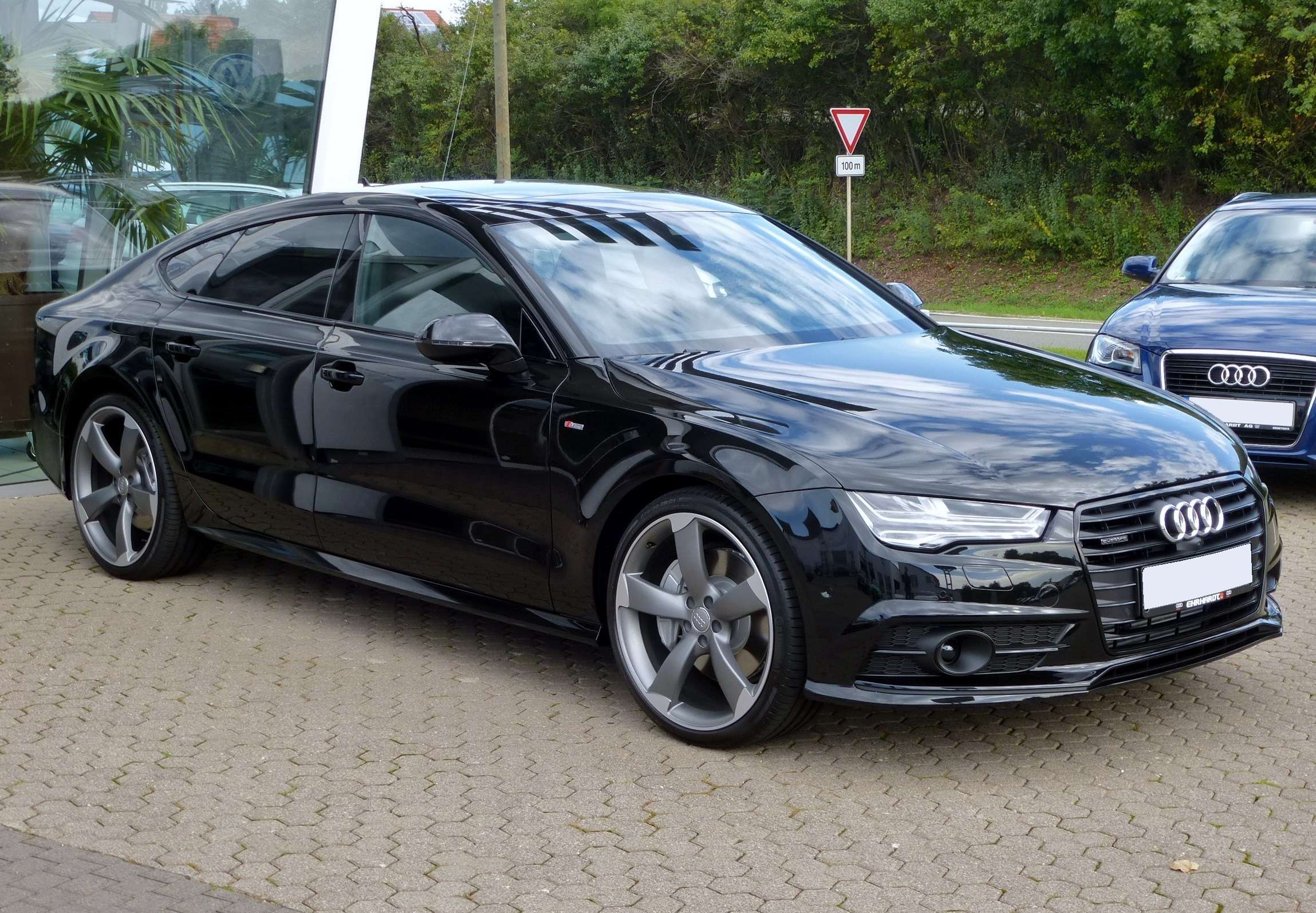
| Early or facelift | Identify actual lighting, infotainment and emissions equipment. A replacement bumper can make an early car look later. |
| SE, S line, Black Edition and options | Separate trim from fitted suspension, brake package and technology. A trim name does not guarantee air suspension or every assistance feature. |
When choosing between cars, write down their gearbox codes. Multitronic is a continuously variable transmission, S tronic a dual-clutch automatic, and Tiptronic a conventional automatic in this context. Their maintenance needs, symptoms and repair quotations are not interchangeable. The menu in the costs section is organised by gearbox code precisely because a generic automatic service price conceals too much.
Later clean-diesel and ultra descriptions also need documentary checks. Establish the emissions standard and the equipment actually installed before deciding on city-zone use or repairs. Check the registration with the relevant official charging-scheme checker. Do not assume a facelift registration, a Euro label in an advert or an ultra badge is sufficient proof.
UK asking prices and how to make a shortlist
The UK A7 3.0 listings checked for this buying assessment included single-turbo diesel asking prices of £4,999, £7,995, £9,700 and £11,985, ultra examples at £7,950 and £9,496, and a BiTDI at £12,750. These are advertised examples, not completed transactions or year-specific valuations. Listings can mix generations, specifications and condition, so their total stock count is not a count of directly comparable C7 cars.
Compare like with like: body generation, engine, gearbox, mileage, service evidence and significant options. A very cheap car may be a usable opportunity, but it may also need tyres, transmission work and a cooling repair simultaneously. Obtain actual fitted estimates before treating an apparent discount as a saving.
Set a total budget rather than a purchase-price ceiling. Include inspection, transport if unsafe to drive, overdue scheduled work and identified defects. Keep a separate contingency for faults that emerge after meaningful use. There is no universal reserve that guarantees inexpensive ownership, particularly if the car has not yet received a specialist assessment.
Watch for duplicated advertisements and repeated relisting of the same registration. A long list of adverts is not necessarily evidence of many buyers paying the advertised price. Similarly, modification invoices do not add their face value to resale value. A car with standard hardware and traceable maintenance is often easier to evaluate than one with a large claimed power figure.
V6 TDI engine checks: cold start before cosmetics
Arrange a genuinely cold viewing. Confirm whether the seller has run it that day and check that the accessible engine areas are consistent with the answer. Observe the warning-lamp check, listen to starting and watch idle stability. Persistent rattling, excessive smoke, a significant misfire or slow cranking needs investigation rather than a reassuring anecdote.
Timing-chain concerns need careful diagnosis. The V6 diesel’s chain installation and access differ from the belt-driven four-cylinder engines that appear on the same service menu. Do not apply a four-cylinder cambelt price to the A7 3.0 TDI. Equally, a noise recording alone cannot establish which component needs replacement or the appropriate repair scope.
Ask a VAG specialist to assess any persistent cold-start noise, timing-related faults and relevant measured data. Agree whether the quotation covers investigation only or complete repair, including access, associated seals, fluids and commissioning. A low advertised parts-kit price is not a fitted chain replacement. Avoid buying a car with an unexplained noise on the promise that an oil change will cure it.
Oil history and leaks
Read invoices for the oil specification, mileage and interval, not just a row of stamps. Check for leaks above and below the engine, including areas concealed by undertrays. Fresh oil on a clean undertray, an unusually washed engine bay or repeated advisories should direct the inspection. Ask what earlier oil-leak repairs actually replaced and whether the car remained dry afterwards.
Check the oil level using the correct vehicle procedure and investigate unexplained topping-up. A diesel engine can have several reasons for abnormal oil behaviour; do not assume one diagnosis from an advert. Unusual mechanical noise, low-pressure warnings or contamination are reasons to stop and obtain professional advice before paying a deposit.
Cooling, thermostat and hidden losses
Check coolant level when cold, the reservoir condition and visible dried residue around hoses and connections. The absence of a puddle does not establish a sealed system. If fluid has been disappearing, ask for pressure testing and inspection of the actual coolant paths, including less visible areas and the EGR cooling system where appropriate.
Assess warm-up during a proper drive, including heater performance and the diagnostic coolant reading if the specialist is using live data. A dashboard gauge alone gives limited detail. Repeatedly replacing a thermostat without identifying a continuing loss or circulation problem can disguise an unfinished repair history.
For a quoted cooling job, establish whether the water pump, thermostat housing, cooler, pipework or seals have actually been identified as faulty. Ask which parts must be removed for access and which seals or fluids are replaced on reassembly. A small component can produce a sizeable bill when dismantling is extensive.
Boost, intake and the twin-turbo decision
Drive under progressive load only when warm and safe. Hesitation, limp mode, unusual whistling or smoke should be reproduced and diagnosed. Possible causes include hoses, control equipment, sensors, intake mechanisms and turbo hardware; a fault description containing boost does not automatically require a turbocharger.
For a BiTDI, require evidence that the technician understands its two-stage arrangement. Audi’s launch description confirms that it has more than a simple single-turbo installation. Ask whether any turbo repair included the underlying cause, oil supply checks and examination for contamination, rather than only fitting a replacement unit.
Compare the car’s physical installation with its documented specification. Missing covers alone are minor, but improvised pipes, insecure wiring and undocumented aftermarket controllers call for closer attention. Obtain any remap invoice and supporting hardware details, and confirm insurance acceptance. A dyno sheet is not a service history.
DPF, EGR and SCR: check function and intended use
Ask how the car is used and whether it has shown DPF, engine-management or emissions messages. Long journeys are helpful context but not proof of healthy hardware. Repeated forced regenerations should prompt investigation of why normal operation is not resolving the problem. A specialist can examine relevant faults and live information rather than guessing from mileage.
Check that the emissions system is present and consistent with the original build. Undocumented deletion, coded-out warnings or visible tampering are not maintenance improvements to accept without consequence. The buying question is whether the car is correctly configured, functioning and suitable for the use planned, including MOT and city-zone requirements.
Where SCR/AdBlue is fitted, test the system and investigate countdowns or stored faults. A seller promising that a warning will disappear after topping up has not demonstrated the repair. Establish whether diagnosis points to supply, heaters, sensors, wiring, dosing or another cause before ordering components.
Service evidence must distinguish cleaning from replacement and diagnosis from code clearing. Ask for the original fault, work performed and follow-up results. A recently reset ECU and empty fault list after a short idle leave more unanswered questions than a completed repair followed by normal driving.
Gearbox, quattro and driveline inspection
Begin with the transmission identified from the vehicle data. Check Drive and Reverse engagement with the brake applied. Assess low-speed manoeuvring, a gentle hill, light-throttle changes and acceleration once warm. Repeat manoeuvres after a longer drive: some symptoms only appear at operating temperature.
On S tronic, investigate repeated judder, delayed engagement, harsh changes or warning messages. These symptoms require differentiation between clutch behaviour, control faults, mounts and other driveline issues. A fluid change is valuable maintenance when due, but it is not evidence that an existing fault has been repaired.
On Multitronic-equipped examples, pay particular attention to take-up, steady load and the relationship between engine speed and road speed. Its behaviour differs from a stepped automatic, so use someone familiar with the unit. An invoice labelled gearbox oil should specify the correct fluid, filter scope and procedure.
For Tiptronic, assess smooth engagement and shifts without flaring or persistent shudder. Ask about pan/filter and fluid work, and obtain a specialist plan if history is unknown. Do not authorise a generic power flush merely because the car is old; the workshop should explain the appropriate method and any limits posed by existing symptoms.
On quattro cars, inspect shafts, joints, seals and differential areas. Listen for vibration or noise under acceleration and on overrun. Check tyre sizes and matching rolling circumference. Longitudinal quattro should not be serviced by blindly copying a transverse Haldex shopping list from an S3 guide.
If the car has an optional sport differential, identify it and include it in the inspection and maintenance quotation. Audi described it as an option on the original BiTDI, not a feature guaranteed by every quattro badge. Diagnostic access and invoices should correspond to what the car actually has.
Love cars you don’t see every day?
Get forgotten cars, surprising motoring stories and the most interesting finds from Unusual Cars by email.
Free to join. No spam. Unsubscribe whenever you like. See our privacy policy.
Suspension, steering, brakes and tyres
Assess the ride on a mix of smooth road and broken surfaces. The A7 should feel stable, without repeated knocking, wandering or an oscillating response after a bump. Large wheels and sportier suspension can change comfort, but they do not excuse a loose or unsettled chassis. Compare the actual tyre sizes, suspension specification and wheel condition before deciding that another example’s ride is normal.
Have the front multi-link suspension examined on a lift. Ask the inspector to identify each worn joint, arm or bush and the side affected. An advert for a complete arm kit can make a repair appear cheap while omitting fitting, seized fixings and alignment. Replacing one visibly tired component may not resolve a collection of worn joints.
If air suspension is fitted, observe height before starting and ask how the car sits after standing overnight. Check operation through the modes allowed by its handbook. A compressor running excessively is a symptom to diagnose, not an instruction to buy a compressor. The system should be checked for leaking struts or pipes, valves, sensors and electrical problems as appropriate.
Verify whether a modified car still has its original suspension system. Coilovers, lowering links and software changes can alter ride height and handling. Ask for the installation specification, alignment evidence and insurance declaration. Warning messages removed by coding do not establish a sound installation.
Inspect brake disc condition, pad thickness, caliper movement and flexible hoses. Check for corrosion and leaks underneath. On a safe test, braking should be straight and progressive, without grinding or repeated vibration. Any concern about assistance or control warnings requires investigation before continuing the drive.
Brake part selection must follow the build’s brake codes and disc dimensions. A large wheel does not certify a particular brake package. Compare A7 front brake disc and pad listings only after identifying the fitted equipment. A general A7 listing can cover several incompatible sizes.
Look at tyre inner shoulders, not just the accessible outer tread. Check tyre age, matching quality, load/speed ratings and evidence of run-flat or other inappropriate substitutions against the vehicle specification. Cracked or buckled wheels, welded repairs and repeated balancing attempts should be assessed professionally. Budget for alignment after suspension work rather than assuming new tyres will cure poor tracking.
A7-specific body, glass and equipment checks
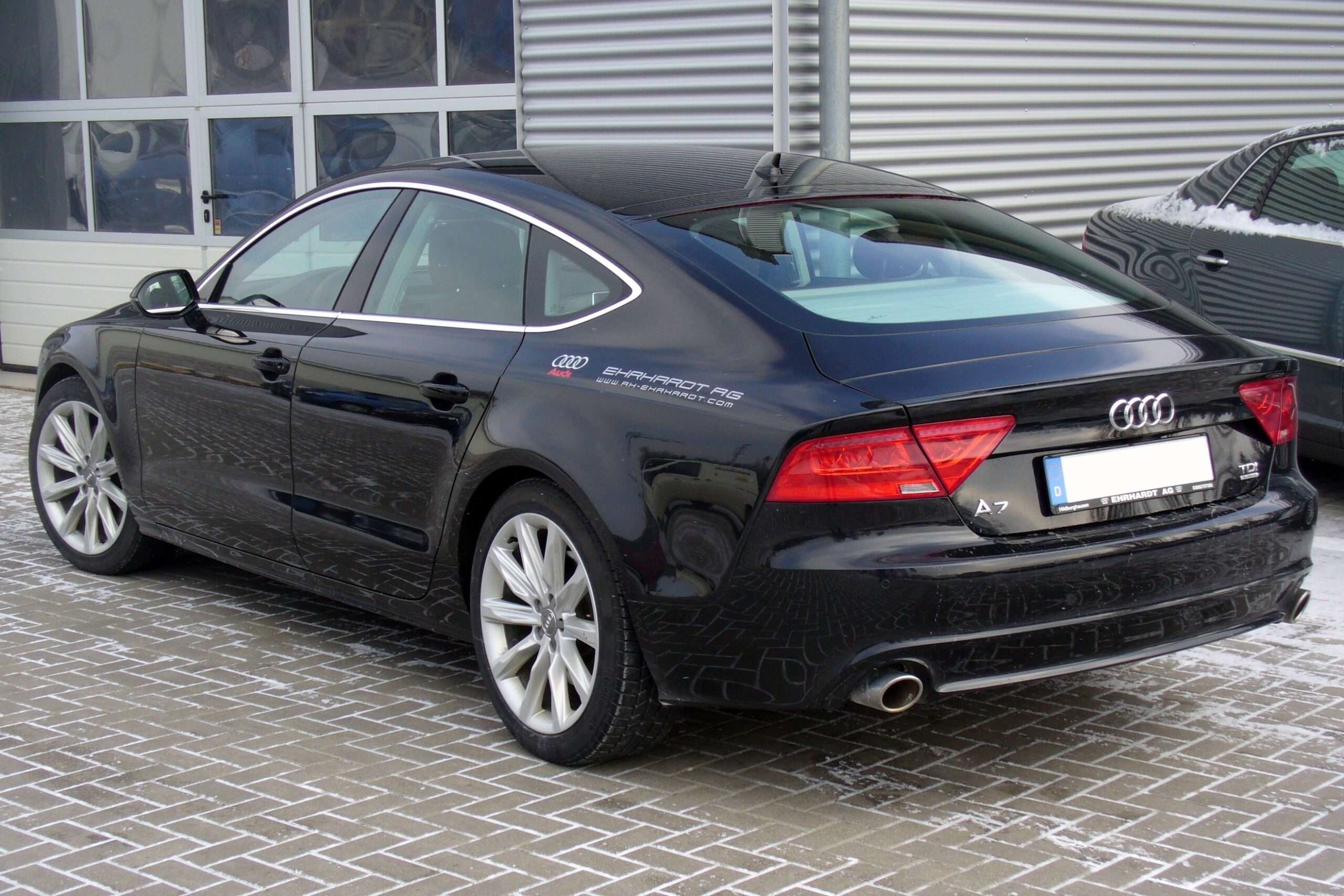
The A7’s hatch is a real advantage over a conventional saloon, but it adds equipment to inspect. Open and close the tailgate using all supplied methods. It should move smoothly, latch correctly and remain secure. Test the release, powered operation where fitted, load cover, folding rear seats and boot lighting. Check that the boot seal is sound and that stored items have not damaged wiring or trim.
Inspect the underfloor area and accessible trim edges for dampness, residue and previous repairs. A dry visible boot carpet does not prove the lower compartments have never been wet. Musty smells, condensation, staining or electrical faults after rain need investigation. Ask whether glass, seals or tailgate components have been replaced and request the repair evidence.
Check each frameless door window through repeated opening and closing. Observe the glass movement, fit against seals and any abnormal noise. Test from the individual switches and driver’s controls. Wind noise at speed, water marks or glass sitting incorrectly can indicate adjustment, regulator or seal problems, but the exact cause needs inspection before ordering parts.
The rear spoiler is another A7-specific item to demonstrate using its approved controls and operating procedure. Check movement, alignment, warning messages and evidence of obstruction or impact. Do not physically force it or regard a disconnected mechanism as a cosmetic matter. Establish whether the complete assembly, motor, wiring or control needs attention.
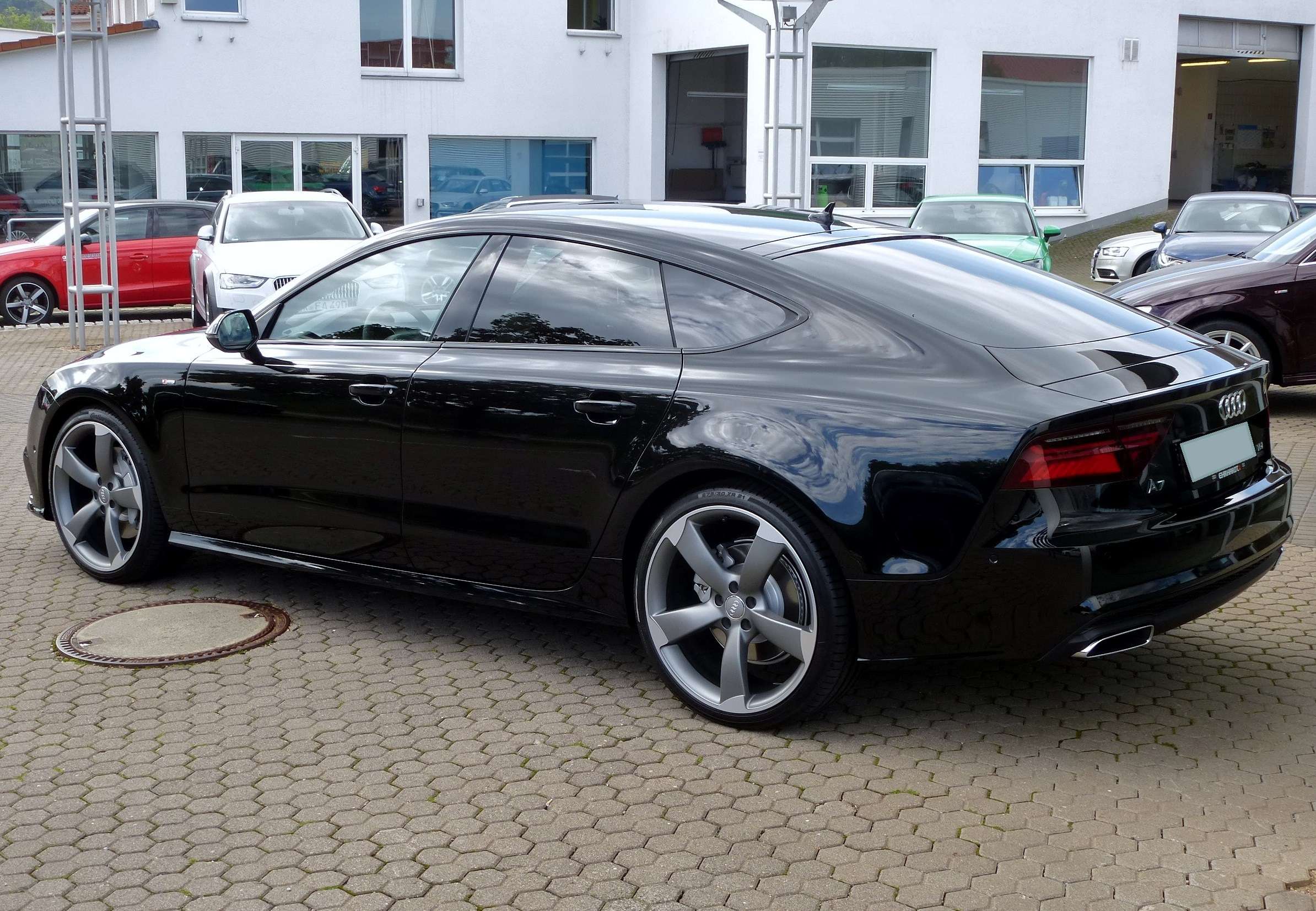
Walk around the car in good daylight and compare panel gaps, reflections, lamps and paint finish. The long roofline and large rear opening make careful body inspection worthwhile. Check lifting points, underbody mounting areas, corrosion, damage to undertrays and signs of poorly repaired impacts. A vehicle-history check complements this inspection but cannot replace it.
MMI, audio, assistance systems and electrical supply
Operate the screen mechanism and controller, test audio sources and all speakers, and check navigation and phone pairing. A screen that works after repeated ignition cycles has an intermittent fault, not a successful demonstration. Imported vehicles or aftermarket upgrades need extra scrutiny for mapping, radio operation, integration and original-system functions.
Test climate control in every fitted zone, including strong cold output and consistent heating. A seller’s assurance that it only needs a regas should become a written diagnosis, not a purchase assumption. Check seats, memory, ventilation/heating where fitted, mirrors, parking sensors, cameras, blinds and keyless functions. Price missing keys and individual faults before negotiating.
Look for damaged sensor mountings, replacement windscreens and poor bumper repairs where assistance equipment is installed. Ask whether relevant calibration was carried out. Do not deliberately provoke a collision-warning intervention on a test drive. Correct diagnostic assessment and a competent workshop’s procedure are the appropriate checks.
Have the battery and charging system tested if there are multiple intermittent electrical complaints. Low voltage can complicate fault finding, but it should not explain away faults that remain with healthy supply. A scan should cover the relevant control modules and retain the findings before any clearing or repair.
Maintenance: UK parts, labour and fitted-cost examples
Use the following as documented examples of scope, not a promise of a national tariff. Audi Specialists in Burwell publishes a V6 column that includes A7 diesels. Its separate gearbox menu explicitly prices services by code and states prices are plus VAT. The general menu does not make VAT treatment equally clear, so confirm that when requesting a written quotation.
| Job | Published example | What the figure means |
|---|---|---|
| V6 10K service | £267 listed | Service menu total; ask which filters, oil quantity, checks and tax are included for the particular engine. |
| V6 20K basic inspection/service | £430 listed | Combined advertised price, not a separately published parts/labour split. |
| Diesel fuel filter fitted | £83 up to 2012; £117 2012–2015; £134 later | Menu categories overlap at boundary years: quote by build and engine, not by guessing from registration. |
| Front discs and pads fitted | £519 listed | General V6 menu example; confirm brake package, sensor and any additional work. |
| Rear discs and pads fitted | £316 listed | Confirm exact equipment and condition of the calipers/parking-brake system. |
| Brake fluid | £58 listed | Scheduled fluid service; unrelated faults remain separate. |
| 0B5 S tronic oil service | £289 + VAT = £346.80 at 20% | Code-specific example. Confirm the circuits, filter scope and correct service procedure. |
| 0AW Multitronic with filter | £370 + VAT = £444 at 20% | Applies only if this is the identified gearbox. |
| 0BK/0BL eight-speed pan/filter service | £599 + VAT = £718.80 at 20% | Menu says ZF kit; confirm code, oil quantity and all inclusions for the actual A7. |
| Timing-chain or complex coolant repair | Diagnosis and written quote required | No defensible universal fitted total from the menu. Labour access, seals, fluids and variant must be specified. |
The gearbox menu describes itself as a general guide, with upgraded items quoted separately. Read the vehicle’s service plan as well as the workshop’s menu: a menu heading is not proof of a factory interval for every gearbox. Do not combine parts and labour figures from unrelated jobs to manufacture a fitted cost.
Useful parts to compare before approving a repair
During the shortlist research, A7 3.0 TDI service-kit listings included advertised examples around £72–£129, with different filters and oil contents. Those are parts-only examples, not complete workshop services, and the search also returns irrelevant applications. Confirm the engine’s approved oil specification and actual kit contents rather than choosing a price by the photograph.
Other useful comparisons include A7 diesel alternators, thermostat and water-pump parts, suspension arms and tailgate mechanism parts. Ask the workshop whether it accepts customer-supplied parts and how that affects the warranty. A used electronic unit may require coding or component-protection work, so its purchase price is only part of the decision.
The V6 has timing chains, so the timing-belt service advice for other Audi diesel engines does not apply. Chain work requires a diagnosed scope, correct components and appropriate specialist tools. Where a brake, cooling or drivetrain job is due, prioritise trusted provenance and compatibility over the largest discount.
Building a maintenance baseline
After purchase, create a schedule from the correct vehicle information and existing invoices. Establish when engine oil, filters, brake fluid and relevant transmission or differential work were last completed. Inspection of the auxiliary belt, tensioner and coolant system belongs in that baseline. Missing paperwork does not prove a component has failed, but it prevents you relying on an assumed recent replacement.
Separate time-based work from mileage-based work. An A7 used sparingly can still have old fluids, ageing tyres and a weak battery. A high-mileage motorway car can still need suspension and transmission attention despite regular oil services. Use a competent technician’s findings to order the work rather than buying an indiscriminate basket of parts.
Typical service parts and eBay searches
Use this table to compare parts for the actual vehicle. Prices on eBay change; check current listings, exact compatibility, kit contents, seller support and delivery. Parts-only prices exclude diagnosis, fitting and associated workshop work. We may earn commission from qualifying purchases through these links, at no additional cost to you.
| Maintenance item | Useful buying checks | Vehicle-specific eBay search |
|---|---|---|
| Oil, air, fuel and cabin filters | Match the engine code and approved oil specification; compare filter contents and oil quantity rather than the kit photograph. | A7 diesel service kits — eBay |
| Alternator | Diagnose battery, charging, wiring and drive-belt faults first. Match output, connector, mounting and pulley; check exchange terms. | A7 diesel alternators — eBay |
| Starter motor | Confirm the engine and transmission application and diagnose supply or control faults before replacing the starter. | A7 diesel starter motors — eBay |
| Auxiliary belt and tensioner | Inspect belt routing, pulley condition and tensioner movement. This is separate from the V6 timing-chain system. | A7 auxiliary-drive parts — eBay |
| Thermostat and water pump | Identify the coolant-loss or warm-up fault first. Match the engine variant, connections, seals and required coolant. | A7 cooling-system parts — eBay |
| Brake discs and pads | Use the fitted brake codes and disc dimensions. Allow for sensors, fitting and any caliper work. | A7 brake discs and pads — eBay |
| Suspension arms and bushes | Diagnose the knock or wear and confirm side and position. Include fitting and alignment in the total. | A7 suspension parts — eBay |
| Automatic gearbox service parts | Identify Multitronic, S tronic or Tiptronic and the gearbox code. Correct oil, filter/pan and service procedure differ. | A7 gearbox service parts — eBay |
Hidden ownership costs
Tyres and wheels: obtain a fitted quote for the actual sizes, including valves or pressure-monitoring equipment where relevant, balancing and disposal. Larger wheels can raise replacement costs and increase exposure to pothole damage. A cheap set fitted to sell a car can hide a more important alignment or suspension issue.
Unfinished diagnosis: intermittent electronics, cooling losses and gearbox symptoms can require investigative labour before a repair price is possible. Agree the initial diagnostic scope and spending limit with the workshop. A code read and a diagnosis are not necessarily the same service.
Emissions hardware: budget for the installed system, including SCR equipment where applicable. Cleaning, sensor replacement and complete assembly replacement are different outcomes. A warning-free dashboard after reset does not establish which outcome will be required.
Fuel: calculate costs using your expected use. For illustration only, 8,000 miles at 40mpg uses about 909 litres; at an assumed £1.50 per litre, that is roughly £1,364. These are assumptions, not a measured A7 economy claim or a current fuel-price quote. Urban journeys, winter conditions and regeneration can change consumption.
Insurance, tax and city charges: obtain quotes and official eligibility checks for the registration. Declare modifications and imports accurately. An original emissions figure in a launch brochure does not establish the current annual tax bill. A seller’s city-zone assurance should be checked against the official record.
Equipment and downtime: screens, lamps, sensors, keys and tailgate components can require specialist sourcing and coding. Ask about availability and turnaround, not only part price. A car that can be driven while waiting for trim is different from one needing recovery because of a brake or drivetrain fault.
Deferred work arriving together: add suspension, alignment and tyres as one ownership proposition when all are due. Where cooling repair requires dismantling, ask what should be inspected during access, without automatically authorising unrelated replacements. Depreciation makes the purchase cheaper; it does not remove the engineering involved in maintaining a large executive car.
The A7 viewing and test-drive checklist
- Before travelling: obtain VIN, registration, engine and gearbox details, service invoices, current faults and confirmation of cold-start access. Check ownership and vehicle-history information.
- Identity and specification: compare paperwork and vehicle details. Record the actual drivetrain, brake package, suspension and options before pricing parts.
- Cold engine: observe warning-light checks, starting, idle, smoke and persistent noises. Check fluids safely and inspect for residue or leaks.
- Body and access: test all doors, frameless windows, tailgate and spoiler. Inspect seals, luggage compartments, glass and evidence of dampness.
- Cabin: work through MMI, audio, phone pairing, climate, seats, mirrors, parking equipment and both keys. Note intermittent behaviour.
- Road test: assess cold and hot transmission behaviour, progressive acceleration, temperature, steering, suspension and safe braking. Stop if there is a safety concern.
- Lift and diagnostics: inspect structure, joints, tyres, pipes and drivetrain. Have relevant modules read and preserve the findings before clearing anything.
- After the drive: inspect for fresh leakage or smells, repeat manoeuvres and review any new messages. Ask for a proper explanation of unresolved symptoms.
- Decision: compare purchase price plus actual fitted work, not the seller’s optimistic parts estimate. Walk away if identity, safety or inspection access is unacceptable.
What a worthwhile inspection should deliver
Give the inspector a specific brief: confirm drivetrain identity, assess chain/noise concerns, investigate fluid losses, examine emissions function, test the exact gearbox and review all fitted body equipment. Ask whether the price includes diagnostic work and an underside inspection. A ten-minute walk-around cannot answer the same questions as a detailed purchase assessment.
Request a written distinction between confirmed defects, further investigation and maintenance due. For example, a scan showing an intake fault is not the same as confirmation that an entire manifold must be replaced. Equally, a visibly leaking component and a firm fitted quote are more useful than a vague list of possible faults copied from the internet.
Modified cars and unusually cheap examples
Ask what has changed, who carried out the work and whether original parts remain. Confirm the calibration, supporting hardware and emissions configuration. Increased output can change the ownership proposition even if the car drives well on a brief test. Inspect tyres, brakes and cooling with the actual use in mind.
Do not treat a seller’s urgent timeline as a substitute for inspection. A genuine bargain should still withstand basic identity checks and an honest account of faults. Avoid deposits on the assumption that every warning has a cheap sensor behind it. If the workshop cannot yet identify the cause, your purchase decision must reflect that uncertainty.
Audi A7 3.0 TDI and BiTDI for sale on eBay UK
Compare asking prices for first-generation A7 Sportbacks. When a car catches your eye, check the gearbox type, mileage and service invoices against the viewing checklist above.

Love cars you don’t see every day?
Get forgotten cars, surprising motoring stories and the most interesting finds from Unusual Cars by email.
Free to join. No spam. Unsubscribe whenever you like. See our privacy policy.