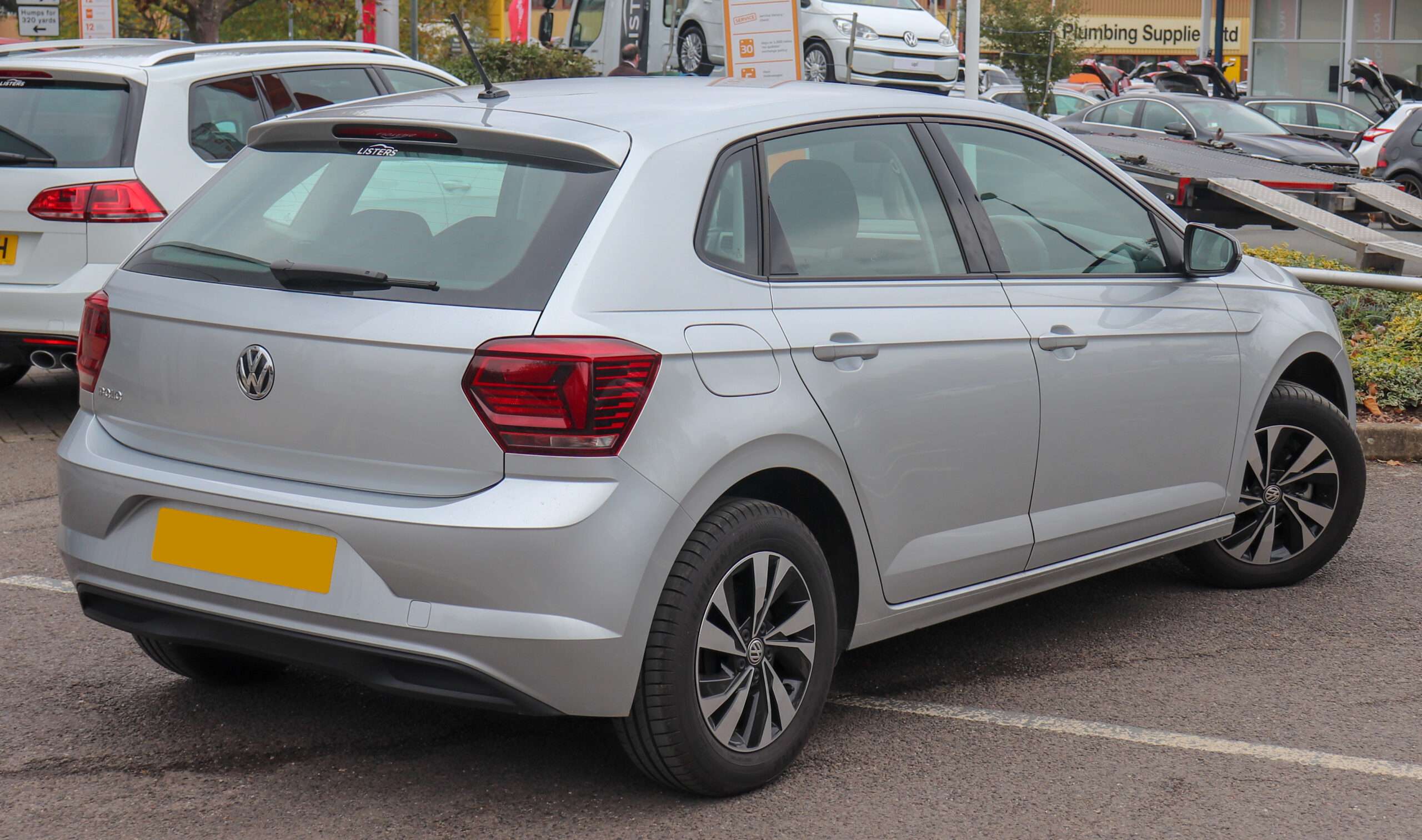
The Volkswagen Polo AW 1.0 petrol is an appealing used small car when you want a more mature everyday hatchback without moving up to a Golf. The buying decision is not simply whether you prefer SE or R-Line. The naturally aspirated MPI and turbocharged TSI suit different journeys, and a manual and a seven-speed DSG bring different inspection priorities.
This guide covers the original-shape sixth-generation Polo AW, approximately 2017–2021 UK cars, with 1.0 MPI and 1.0 TSI petrol engines. It excludes the earlier 6R/6C, the 2.0 GTI, diesels, natural-gas models and the 2021-on facelift as a separate specification proposition. Registration years overlap: verify build specification and appearance before ordering parts or applying advice.
Affiliate disclosure: we may earn commission from qualifying eBay purchases through links on this page, at no extra cost to you. Results can mix engines and generations; use VIN, engine code and supplier confirmation for fitment.
The buying verdict
A well maintained 1.0 TSI manual is our starting point for mixed UK use. The commonly advertised 95 PS version balances everyday flexibility with a straightforward manual buying proposition. MPI can make sense for mainly local journeys and a lower purchase budget, but drive it with realistic passenger and luggage demands before deciding.
Choose DSG because you want its convenience and can verify its condition, rather than because a problematic automatic appears cheaper than healthy manuals. Prefer an ordinary car with clear invoices and good tyres to an elaborately equipped one with unresolved warnings, damp carpets or warm-gearbox symptoms. Leave money for inspection and initial maintenance.
MPI or TSI: choose for your journeys
1.0 MPI: mostly local use
The MPI is the non-turbo petrol option in this guide. Its appeal is simple, progressive delivery and the opportunity to buy a useful small hatchback without paying a premium for performance you do not need. Different outputs appear in advertisements, and specifications changed during production: check the actual derivative.
Take it on the sort of hill and faster-road junction you regularly use. A short, flat dealership loop with only the driver aboard tells you little about a loaded journey. Expect to use the gears more than in the TSI, and distinguish normal engine effort from hesitation, misfiring or unusual mechanical noise.
MPI does not mean maintenance-free. Oil history, cooling, timing-drive requirements, clutch condition and age-related consumables still need checking. An inexpensive car that needs four tyres and a clutch immediately may be a weaker buy than a more expensive, properly maintained TSI.
1.0 TSI: the more flexible all-rounder
The turbocharged TSI gives stronger response in the middle of the rev range, useful with passengers or on a varied commute. A 95 PS SE or Match is a sensible comparison point, while more powerful derivatives need their own output and gearbox verification. Do not infer power from wheel design or R-Line styling.
The engine should respond smoothly to moderate acceleration when warm, without repeated flat spots, misfiring or warning messages. A three-cylinder sound is not an excuse for rough running. Check idle, warm-up and restart, and ask what investigation was done for any previous engine-management warning.
For a car described as remapped, obtain the actual specification, invoices and insurance implications. A claimed power increase changes the buying proposition rather than automatically increasing value. When predictable daily ownership is the objective, a standard documented car usually provides the clearer starting point.
EVO wording and output descriptions
Listings can use MPI, EVO, TSI, output figures and trim names inconsistently. Establish whether the engine is turbocharged and which code is fitted before using a service-parts search. A one-litre registration entry alone does not tell you the induction system, power or exact replacement components.
Compare the VIN specification with the seller’s description and invoices. A wrong title may be a simple advertising error, but it needs correcting before you pay or insure the car. If the paperwork suggests an engine replacement or conversion, investigate that separately rather than assuming it is an ordinary trim difference.
Manual gearboxes
Try all ratios and reverse from cold and after the test drive. Look for a consistent clutch take-up, no slipping under sensible load and no persistent selection difficulty. Avoid a viewing-day test that deliberately abuses the clutch; normal driving should provide enough evidence to decide whether professional assessment is needed.
A noise that changes with clutch position can have several causes, while a vibration on take-up is not automatically a worn friction plate. Ask a workshop to diagnose the full job scope. Replacement quotes should identify the gearbox, clutch components and any associated parts rather than simply saying “clutch kit”.
Seven-speed DSG: inspect cold and fully warm
The small-petrol seven-speed DSG has a dry-clutch arrangement, different from wet-clutch DSG versions used in other Volkswagen models. Identify the gearbox code and its actual maintenance requirements. Do not prescribe a generic wet-DSG oil service simply because both transmissions have DSG in the name.
The test needs gentle forward movement, reverse, stop-start traffic and warm parking manoeuvres. Check for substantial judder, a delay selecting drive or reverse, warning messages and an inconsistent response. A very short cold departure cannot rule out symptoms appearing after urban running.
Clutches, control electronics and internal gearbox repairs are distinct possibilities. An oil change is not a diagnosis or guaranteed cure. Before purchase, have an independent specialist interpret any symptoms and read relevant fault information with the history and road test. A warranty claim limit is not the same as an assurance that an expensive repair will be fully covered.
What the AW generation adds—and what it does not guarantee
This is the larger, five-door generation that replaced the earlier Polo, and its cabin and luggage accommodation are a major part of its appeal. Try rear-seat space behind your normal driving position and bring the objects you actually carry. The shape and published capacity do not guarantee that a buggy, dog crate or mobility aid fits through the opening.
Look carefully at the boundary with the 2021 facelift. Volkswagen’s archived facelift material describes revised lighting and a more digital cabin, but notes that its equipment details apply to Germany. Do not apply a facelift press specification to an earlier UK car. A later registration can also describe older stock.
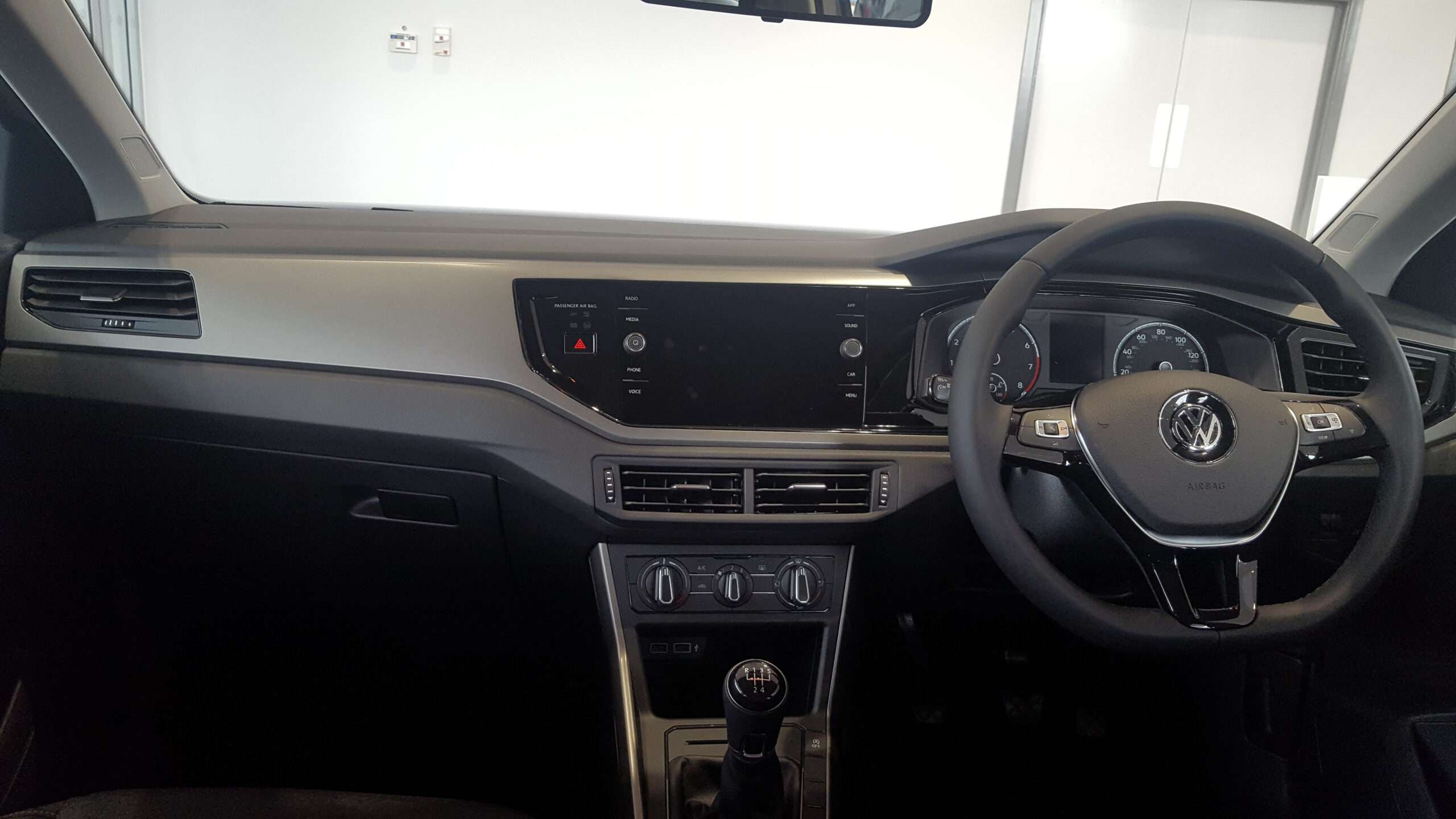
SE, Beats, SEL, Match and R-Line versions differ in equipment and presentation. Establish whether the actual car has parking sensors, the smartphone connection you want, cruise control, the relevant air-conditioning controls and a spare wheel. None should be assumed solely from an online trim description.
R-Line styling is not the GTI powertrain. The 2.0 GTI is covered separately, and its brakes, drivetrain and service-parts advice should not be copied into this guide. A sportier-looking one-litre car should be judged against comparable ordinary petrols, including its wheel and tyre costs.
UK prices: use evidence, not a single headline
Advertised eBay examples during research included a 2019 1.0 TSI 95 SE manual at £8,295 with around 88,000 miles, a 2019 1.0 EVO SE at £7,845 with about 42,000 miles and a 2018 1.0 TSI 95 SE at £8,975 with around 59,000 miles. These are asking-price snapshots, not completed sales, verified condition reports or a valuation range.
The examples are not directly equivalent. MPI versus TSI, mileage, service evidence, seller type and preparation all matter. A low advertised price might reflect missing maintenance, repair history or simply a seller’s pricing decision; you need to inspect rather than infer the explanation.
Make a shortlist of the same engine, gearbox and broad age, separating private and dealer offers. Note warranty exclusions, number of keys, tyre condition and evidence of completed work. Several advertisements of the same car are not independent market observations.
Budget the first year before negotiating
Separate the purchase figure from immediate catch-up work and a repair reserve. If the car needs tyres, a service and unresolved cooling or gearbox diagnosis, price those before deciding what an acceptable offer looks like. The reserve should remain after you have paid for known requirements.
Compare an ordinary well maintained SE with a more expensive styling-led trim on total condition and useful equipment. If larger wheels mean expensive tyres and the infotainment still lacks the function you need, the trim premium may provide little value for your use.
Records, identity and campaign checks
Obtain the registration, engine output, transmission type and service invoices before travelling. Confirm that the car will be cold. Read the MOT history for recurring tyre, suspension and brake advisories and compare mileage progression with the records. A later pass does not list the exact repairs or establish that scheduled servicing is complete.
At the car, compare VIN details and the V5C with the seller’s explanation. Complete appropriate finance and history checks before payment. An identity discrepancy, unexplained engine change or uncertainty about the seller’s right to sell needs resolving independently, not simply discounting.
Ask Volkswagen to check outstanding recalls and service campaigns by VIN. Seat belts, restraints and other safety systems should function correctly, but a visual check and an MOT do not establish campaign completion. Avoid describing a car as recall-free based only on the absence of a dashboard warning.
Check the digital service record alongside invoices. A reset service indicator does not prove work was done, while a workshop invoice should identify the vehicle, mileage, oil and replaced parts. Some independent providers cannot update a manufacturer’s digital record; ask in advance how the work will be evidenced.
The Polo AW viewing and road-test checklist
Before starting: leaks and signs of previous work
Inspect a cold engine safely. Check the oil level and coolant reservoir without opening a hot pressurised system. Look for staining, dried residue, loose hoses, damaged connectors or improvised repairs. A recently washed engine bay should be interpreted alongside invoices and evidence elsewhere.
Ask about any repeated coolant top-up. If a pump or housing has been replaced, the invoice should explain what was diagnosed and fitted. Continuing fluid loss means the issue is unresolved, however many new components appear in the folder. Have the system tested before agreeing that it only needs a small seal.
Cold start and engine warnings
Observe the normal warning-light check, then start without excessive throttle. Listen for persistent abnormal noise and check for uneven idle, heavy smoke or a recurring warning. Three-cylinder character is different from a four-cylinder engine but should not be used to dismiss a misfire.
Stop for oil-pressure warnings, overheating or severe running problems. A diagnostic code indicates an investigation route rather than a complete diagnosis. Replacing the part named in a casual scan report is not proof that the root cause was found. Ask for a documented explanation and evidence of normal operation since repair.
Timing-drive history
The 1.0 petrol engines here use a belt-driven camshaft arrangement. They should not be confused with earlier chain-driven TSI discussions or with another manufacturer’s belt-in-oil installation. Identify the exact engine and obtain Volkswagen’s current UK inspection and replacement advice for that VIN.
Do not rely on an internet interval quoted for another market or a previous engine generation. If a belt has been changed, inspect the invoice for actual scope and associated parts. A new auxiliary belt is not evidence of timing-drive replacement, and a quick external glance cannot prove every component’s condition.
Bodywork and underside
Compare paint finish, panel gaps, lamps, glass markings and door closure. Look inside the boot floor and around accessible inner panels for distortion or inconsistent repairs. A small bumper scuff is different from damage affecting structure or mounting points.
Arrange a safe lift inspection if the car’s history, wear or repair evidence raises concern. Check sill edges, jacking points, suspension attachments, boots and fluid leaks. Surface corrosion needs interpretation; fresh coating does not prove the structure below it is sound. Do not crawl beneath a car supported only on a jack.
Tyres, steering and suspension
Inspect tyre tread across its full width, sidewalls, age and correct size/rating. Uneven wear may reflect alignment, pressure neglect, suspension wear or an impact. Price the cause as well as replacement rubber. Heavily damaged rims warrant a closer look at steering and suspension.
On ordinary rough roads, listen for knocks and assess whether the car steers consistently. A vibration or pull is a symptom requiring a cause, not automatically a cheap balance adjustment. Check the steering wheel is straight during normal straight-line driving and that the car does not feel unstable.
Brakes and parking brake
Brake progressively where safe, checking for pulling, judder and an inconsistent pedal. Have an inspector distinguish wear from a sticking caliper or mechanism. Establish rear drums or discs and brake code before using a parts search; a kit for a GTI is not the default package for a one-litre car.
Low mileage does not guarantee healthy brakes. Long periods parked can leave corrosion and dragging operation. A seller’s promise to replace pads does not address a damaged disc or sticking mechanism unless the agreed work specifically includes it.
Water ingress and cabin condition
Feel accessible carpet areas and inspect below the boot floor for dampness. Look for staining around the headlining, door apertures and rear trim. A strong fragrance, fresh mats or a recently cleaned cabin should not replace those checks. Ask a workshop to trace a leak rather than assume the wet area identifies its source.
Inspect the tailgate seal, visible lamp areas and evidence of added sealant. If a roof opening is fitted, check normal operation and surrounding trim, but do not force a reluctant mechanism. Leak repairs can involve diagnosis and trim removal as well as a seal or drain issue.
Infotainment, phone connection and software
Try your own phone while stationary, confirming the actual functions you need. The presence of a touchscreen does not establish App-Connect activation, compatibility or navigation. Ask whether upgrades were official, whether activation remains valid and whether the seller has supporting evidence.
Check the screen for stable operation through the test drive, then restart it normally. Repeated freezing, missing functions or a warning after a battery replacement should be investigated. Do not assume every infotainment problem can be cured by a free update; establish the fault and available remedy.
Safety and convenience equipment
Check belts, seat adjustment, locks, windows, mirrors, lights and parking aids. Assistance systems should not display unresolved warnings. Test normal operation without deliberately creating an emergency-braking situation. If glass or accident repair involved cameras/sensors, ask whether calibration was required and documented.
A car equipped with more technology can have more expensive repair scope. That does not make the features undesirable, but it changes how carefully you should check them. Compare the actual equipment with the advert and have significant discrepancies corrected before the order is signed.
The complete road test
Use a varied route long enough to warm the engine and transmission. Check moderate acceleration, steady cruising, braking and low-speed manoeuvring. Do not labour a small engine in too high a gear or use repeated full-throttle runs as a substitute for inspection.
Return to parking manoeuvres after the faster road, especially with DSG. Restart warm and look for fresh warnings or leaks. A fault that appears only at the end matters just as much as one present at the first start. Have unresolved symptoms diagnosed before collection.
Love cars you don’t see every day?
Get forgotten cars, surprising motoring stories and the most interesting finds from Unusual Cars by email.
Free to join. No spam. Unsubscribe whenever you like. See our privacy policy.
Polo maintenance: establish the actual schedule
Volkswagen offers fixed and flexible service regimes, selected according to the vehicle and use. Its current UK guidance recommends fixed servicing for lower annual mileage and frequent short or urban journeys. The individual car’s schedule, engine code and service regime still need verification; do not choose an interval from a generic marketplace service package.
Oil approval matters alongside viscosity and quantity. MPI and TSI listings can be grouped together despite different requirements, and the oil supplied in a kit title may not be suitable for your exact engine. Ask the workshop or supplier to confirm against the VIN before buying.
Routine oil inspection, supplementary-scope work, brake fluid, spark plugs, filters and transmission maintenance are separate items. A cheap headline service does not automatically include everything due. Ask for an itemised catch-up plan based on the records so you do not pay twice for one job and overlook another.
Cooling-system work
Where there is coolant loss, establish the leak with appropriate testing before replacing components on a guess. Ask whether the estimate includes the correct housing/pump or other diagnosed item, seals, coolant and post-repair checks. A price for a bare component does not represent the fitted job.
For a car with past overheating, ask how the workshop assessed any consequential damage. New cooling parts are useful evidence only when the cause is resolved and present running is healthy. Continuing to top up and drive is not a satisfactory ownership plan.
DSG maintenance and diagnosis
Identify the dry-clutch seven-speed unit and obtain the correct requirements. A generic “DSG service” invoice without gearbox identification or work details is weak evidence. Avoid applying intervals or oil quantities from a wet-clutch gearbox fitted to a different Volkswagen.
Symptoms need investigation beyond routine maintenance. Have the workshop distinguish clutch operation, adaptations, control-system faults and other causes. Agree diagnosis first, then the repair. A fluid change should not be sold to a buyer as certainty that judder will disappear.
Published UK cost examples
| Item | Published evidence | Interpretation |
|---|---|---|
| Polo 1.0 MPI oil and filters kit | Example eBay advertisement £63.99 | Parts only, described for 2017-on MPI; verify oil approval, quantity and references. |
| Polo 2017-on service kit with oil | Example advertisement £56.83 | Mixed-engine title; confirm the exact contents and fitment. |
| Kwik Fit oil/filter change | From £132.95 including VAT where applicable | Generic starting price, not a registration-specific Polo quote; centre and oil affect price. |
| Kwik Fit interim / full service | From £186.95 / £246.95 | Provider packages; confirm exclusions and the work due on your car. |
| Volkswagen pay-as-you-go servicing | Model/retailer-specific quotation | Official UK route publishes bespoke prices rather than a single universal Polo tariff. |
| Timing belt, clutch, cooling or DSG fault | Itemised written quotation | Separate diagnosis, parts, labour and VAT after identifying the engine/gearbox and fault. |
Kwik Fit states that its basic oil/filter option does not include a complete service or service-book stamp/reset, and that it cannot update the digital service record. Those limitations matter when comparing it with manufacturer-schedule work. Its package names are not Volkswagen’s schedule.
The Polo-specific independent workshop source listed below publishes service scope but prices it on application. No labour-only rate or universal timing-belt bill has been invented. Ask for the actual workshop rate, anticipated hours, parts and VAT on a written estimate, with authority required before extra work.
Model-specific eBay service-parts table
These affiliate searches use campaign 5339238906 and open eBay UK. Match the engine code, brake code and OE references with the supplier. Results can include the previous Polo, the GTI and later engines even when the search names AW. Never order solely because the automated compatibility list says “Polo”.
| Service part | Fitment and buying advice | eBay UK comparison |
|---|---|---|
| MPI service kit | Confirm engine code, oil approval and required quantity. | Compare mpi service kit |
| TSI service kit | Check output/engine code and contents rather than a mixed-engine title. | Compare tsi service kit |
| Spark plugs | MPI and TSI references are not automatically interchangeable. | Compare spark plugs |
| Cabin filter | Compare standard and carbon options and exact dimensions. | Compare cabin filter |
| Timing-belt kit | Match engine and required job scope; pump-drive arrangements need confirmation. | Compare timing-belt kit |
| Auxiliary belt | Not evidence of timing-belt replacement; match engine/accessories. | Compare auxiliary belt |
| Front discs and pads | Confirm brake code, disc size and pad shape. | Compare front discs and pads |
| Rear brake parts | Identify drums or discs before selecting parts. | Compare rear brake parts |
| Battery | Match battery technology, rating and any required adaptation. | Compare battery |
| Alternator | Check engine, rating, pulley and connector; exchange terms vary. | Compare alternator |
| Manual clutch kit | Manual only; DSG components and work scope are different. | Compare manual clutch kit |
| Wipers | Check the generation and front/rear fittings. | Compare wipers |
Hidden ownership costs
A tidy car with an incomplete maintenance baseline
A clean cabin and consistent mileage can distract from missing itemised records. Price the work the schedule actually requires: oil service, plugs, filters, brake fluid and timing-drive decisions. A stamp may prove that a visit occurred without showing whether extra maintenance was completed.
Ask the workshop to prioritise safety-related work and diagnosed mechanical concerns ahead of cosmetic improvements. The goal is not to replace every component immediately. It is to establish what is known, what is due and which uncertainty could materially alter the economics of buying this car.
DSG convenience and repair exposure
Clutch or control-system work can overwhelm the saving on an unusually cheap automatic. Obtain the diagnosis before accepting a discount or relying on a warranty. Read the claim limit, exclusions, labour allowance and requirement for prior authorisation. A comprehensive-sounding warranty name is not the complete contract.
If the seller plans to repair a symptom before delivery, request the workshop invoice and repeat the warm test. Clearing codes or making an adaptation does not by itself prove the underlying cause was resolved. A car that now behaves normally needs a coherent explanation of the completed work.
Infotainment, keys and connected functions
Check the cost and availability of the exact function you want before buying a car without it. Some advertised capabilities depend on activation, compatible hardware or a particular phone connection. A low-cost cable or generic replacement screen may not provide the same functionality as an original installation.
For a missing key, obtain a quote including programming. Verify remote locking and any keyless features with every key supplied. If the seller agrees to provide a second key, have it working and documented before final handover, rather than relying on a promise to post it later.
Wheels, tyres and body repairs
Larger wheels can add tyre cost and make kerb damage more expensive. Compare suitable tyres in the correct size and rating, including fitting and disposal. An alignment check is useful after uneven wear, but any damaged or worn suspension needs addressing before alignment can solve the problem.
For body repairs involving sensors or cameras, ask whether the quote includes the necessary calibration and checks. A cheap cosmetic repair and a complete repair of an equipped car may have different scopes. Obtain the estimate before using a paint defect as a bargaining figure.
Tax, insurance and daily use
Check tax and insurance by registration and exact derivative. Do not assume that all one-litre cars have the same annual tax or insurance group. First-registration date, emissions and modifications can affect the figures. Declare a remap or other changes to the insurer before completing the purchase.
Try your normal parking space, rear access and luggage. A more expensive car with equipment you genuinely use can be sensible, but buying a premium trim will not fix a poor driving position or a boot opening that cannot take your regular load. Those are reasons to choose another example, not costs to overlook.
Assessing a dealer’s preparation promise
Ask what “fully serviced” means in writing. Obtain the date, mileage and work list, and whether it follows Volkswagen’s schedule or a generic workshop package. Find out if brake fluid, plugs and filters were due and whether the timing-drive decision was checked for the VIN. A service indicator reset is not a substitute for that record.
A new MOT and replacement tyres are useful only if their specification and the rest of the car’s condition are appropriate. Check any advisories and ask what was done about them. The seller should not describe a pass as proof that the DSG, cooling system and infotainment are healthy; those require separate assessment.
Read warranty terms before allowing cover to compensate for an unresolved symptom. Ask who performs repairs, how diagnosis is authorised, whether transport is included and how claims are handled away from the seller. Keep the agreement and invoices with your purchase documents.

A practical first-month plan
Start with a baseline inspection by a workshop familiar with the engine and gearbox. Supply the records and request a plan separating work due now, items to monitor and optional improvements. This is particularly useful when the car has moved between fixed and flexible regimes or the evidence is incomplete.
Record safe cold fluid levels and tyre pressures, then compare checks under similar conditions. Act promptly on repeat warnings, coolant loss or a change in gearbox behaviour. Do not continue driving through oil-pressure warnings or overheating to find out whether they clear on their own.
Check the locking-wheel key, repair kit or spare wheel, both keys and the handbook. Learn the normal operation of the assistance features without deliberately testing their limits. For DSG, follow the owner’s guidance on manoeuvring and hill holding; avoid using prolonged throttle-controlled creeping as a substitute for the brakes.
Keep itemised invoices showing parts and fluids, whether the work was entered digitally, and the next scheduled requirements. A coherent maintenance record is more useful than collecting unrelated receipts and makes the next buying or selling decision easier to explain.
Buy, investigate or walk away?
| Situation | Buying response |
|---|---|
| Verified identity, complete records, good inspection, smooth cold/hot running | Proceed with normal history checks and a sensible reserve. |
| Clearly priced consumables or overdue routine work | Negotiate against full fitted scope and inspect agreed preparation before collection. |
| Missing timing-drive evidence or incomplete digital history | Obtain VIN-specific requirements and an independent assessment. |
| Warm DSG judder, coolant loss, persistent misfire or unresolved assistance warnings | Pause for diagnosis; do not value unknown faults as cheap service items. |
| Identity problems, concealed structural damage or refusal of meaningful inspection | Look elsewhere unless independently resolved before purchase. |
Polo AW buying questions
Is the 1.0 MPI too slow?
It can work well locally, but its suitability depends on passengers, hills and faster-road use. Try a representative route and compare directly with a TSI. A lightly loaded flat test is not enough to establish whether it will suit your daily journey.
Which TSI would you choose?
A documented 95 PS manual is a sensible starting point for mixed driving. Judge the individual car’s condition, equipment and history before paying more for power or styling. Confirm the advertised output against the actual derivative.
Does it have the older TSI timing-chain problem?
The one-litre petrol engines here use a belt-driven camshaft arrangement. Identify the engine and follow its current requirements instead of transferring advice from older chain-driven TSI units. Belt drive still needs appropriate inspection and maintenance evidence.
Does DSG always need the same oil service?
No. The dry-clutch seven-speed arrangement is different from wet-clutch DSG units. Establish the gearbox code and its requirements, and diagnose symptoms rather than applying another transmission’s maintenance package as a cure.
Is a 2021 car covered here?
Only if it is the original-shape specification covered by this guide. The facelift arrived during that period, so registration year alone does not settle it. Use build specification and the actual car’s appearance and equipment to establish which version you are considering.
Is R-Line the performance version?
It is a styling/equipment distinction within the ordinary range, not proof of the 2.0 GTI drivetrain. Verify engine and gearbox individually and use the separate GTI guide for that model.
Our final recommendation
Start with a sound TSI manual for varied driving, compare MPI if your journeys are mainly local, and buy DSG only after a convincing cold-and-hot assessment. Choose useful equipment and maintenance evidence before large wheels or a fashionable trim. A clear, well inspected car with a reserve left over is the strongest basis for everyday Polo ownership.
Volkswagen Polo AW 1.0 Petrol cars for sale
Compare current asking prices, then verify the generation, engine, history and condition of each advertised car. Results can include incorrectly described vehicles.

Love cars you don’t see every day?
Get forgotten cars, surprising motoring stories and the most interesting finds from Unusual Cars by email.
Free to join. No spam. Unsubscribe whenever you like. See our privacy policy.