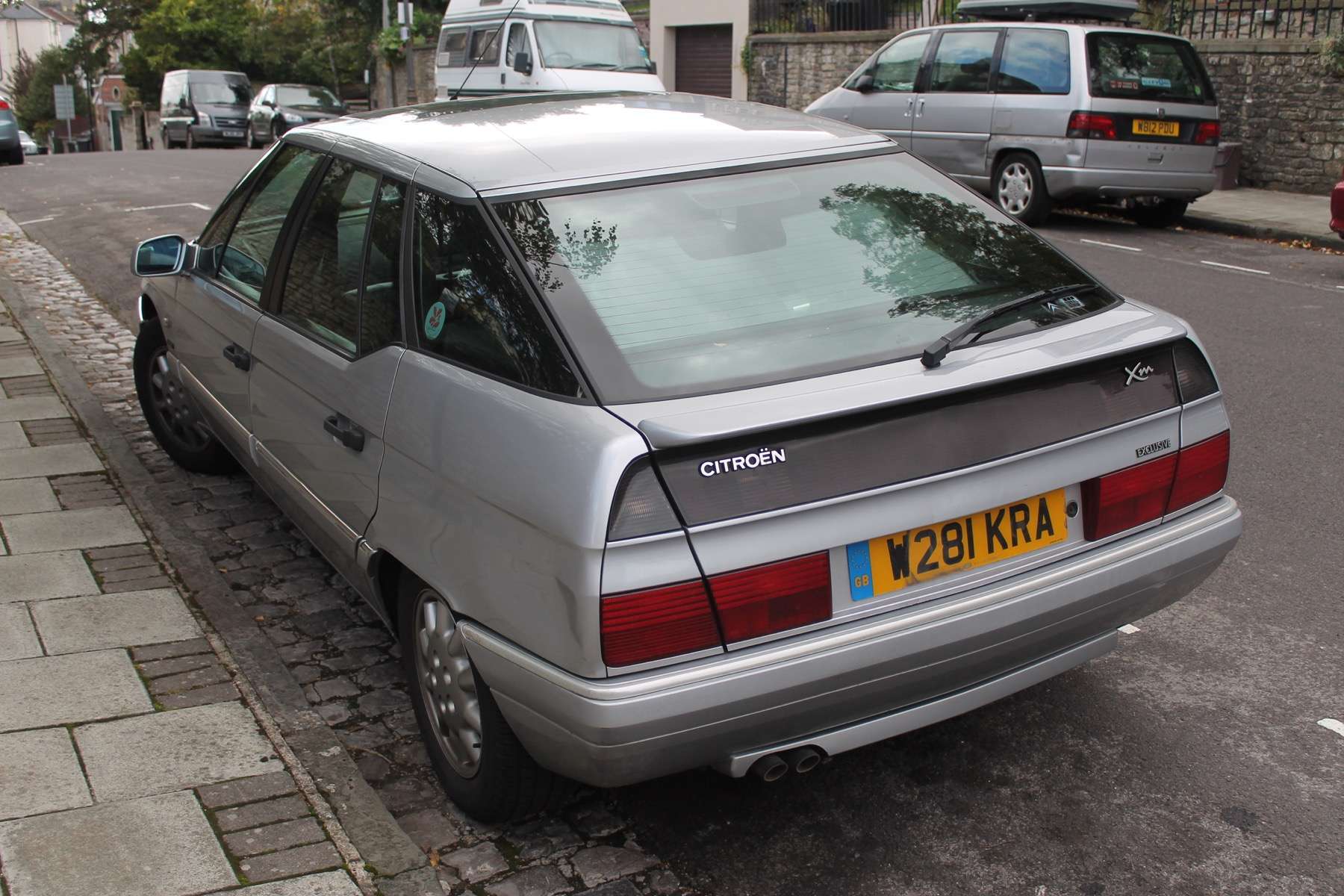
The Citroën XM V6 combined a dramatic Bertone-designed body, electronically controlled hydropneumatic suspension and genuine executive-car performance. It was both a technological flagship and one of the last large Citroëns created without imitating German rivals.
1. Bertone shaped it under Citroën direction
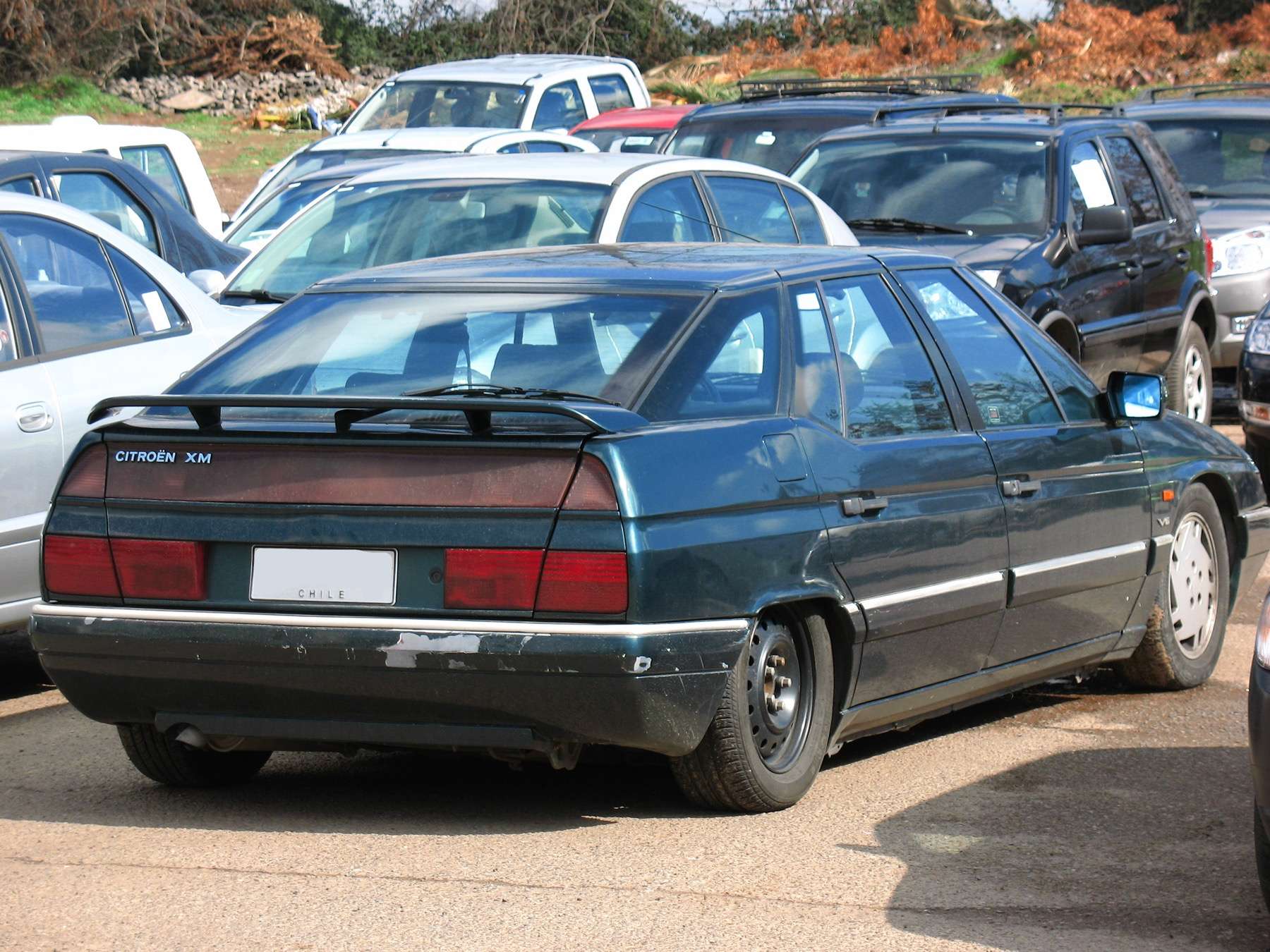
The XM’s angular profile was developed by Bertone with Citroën’s design team. A long glasshouse, covered rear wheels on early cars and a sharply rising waistline made it instantly recognisable while delivering the aerodynamic efficiency expected of a modern CX successor.
2. It introduced Hydractive suspension
Hydractive combined Citroën’s self-levelling hydropneumatic system with electronic control. Sensors monitored steering, braking, throttle and body movement so the car could switch between soft and firm modes, attempting to unite the traditional magic-carpet ride with better cornering control.
3. It had a thirteenth window
An additional internal glass panel separated the cabin from the hatchback luggage area. Passengers remained protected from draughts and temperature changes when the enormous tailgate was opened—an elegant answer to a problem created by combining executive comfort with hatchback practicality.
4. The first V6 belonged to the PRV family
Early XMs used a 2,975cc version of the long-lived Peugeot-Renault-Volvo V6. Twelve-valve versions emphasised torque and refinement, while a 24-valve derivative produced around 200hp and gave Citroën a flagship capable of approximately 145mph.
Love cars you don’t see every day?
Get forgotten cars, surprising motoring stories and the most interesting finds from Unusual Cars by email.
Free to join. No spam. Unsubscribe whenever you like. See our Privacy Policy.
5. Later cars received a completely different V6
From the late 1990s Citroën adopted the newer 2,946cc ES9 60-degree V6 developed by PSA and Renault. With 24 valves and roughly 194hp, it was smoother and more modern than the earlier PRV unit despite similar displacement and headline performance.
6. It won European Car of the Year
The XM was voted European Car of the Year for 1990 and collected numerous other awards. Judges recognised its comfort, packaging and technical ambition, demonstrating how impressive the car appeared before reliability stories came to dominate its reputation.
7. There was an enormous estate
Heuliez built the XM Break, whose longer rear body created exceptional luggage capacity while retaining self-levelling suspension. V6 estates are particularly rare and combine luxury, speed and carrying ability in a form almost no modern manufacturer would attempt.
8. French presidents used it
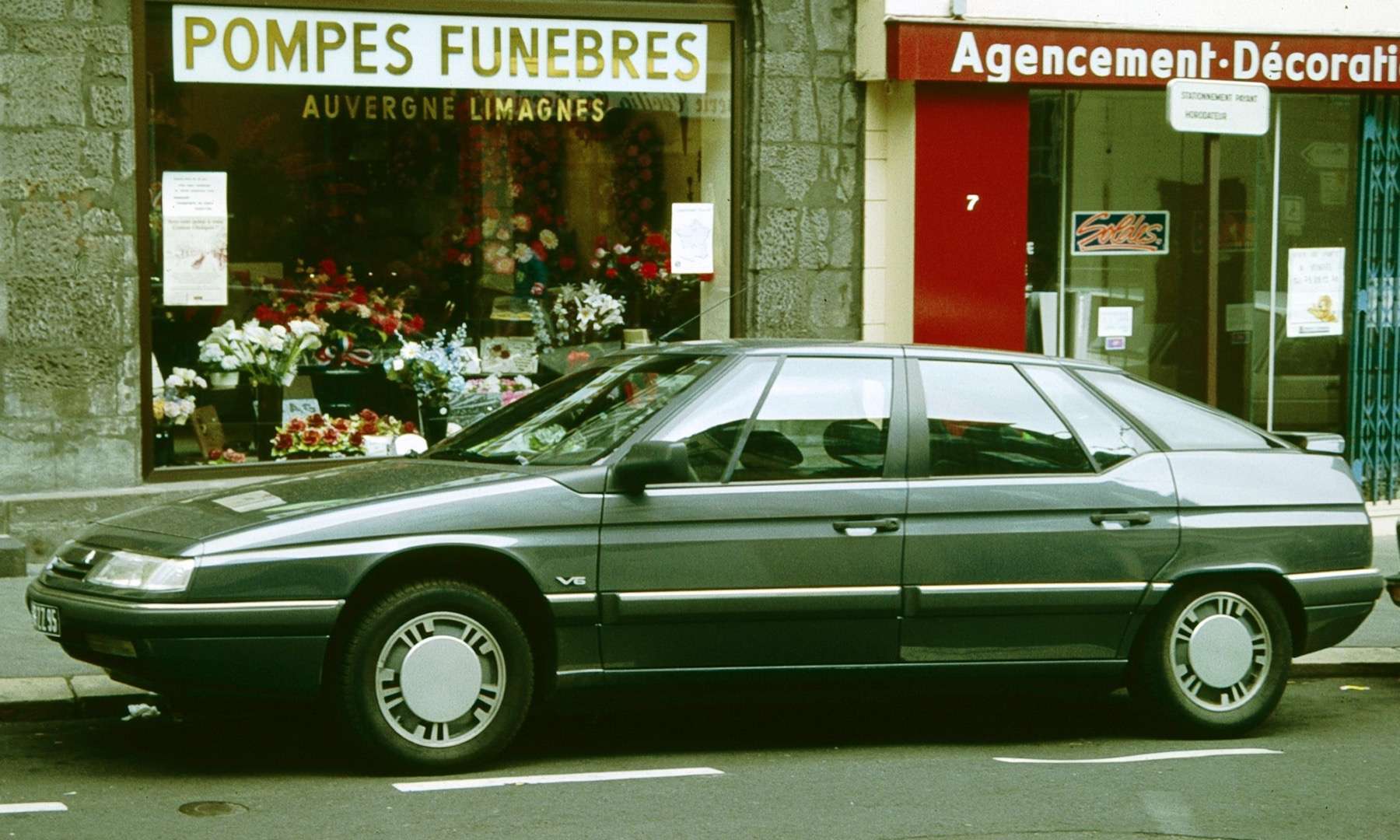
XM saloons served François Mitterrand and Jacques Chirac, reinforcing its status as France’s home-grown executive flagship. Stretched and specially prepared examples also appeared, continuing the tradition of large Citroëns in ceremonial and official roles.
9. The 1994 facelift was more than cosmetic
Series 2 cars gained a redesigned dashboard, new grille, revised electronics and many detail improvements. Citroën worked to address early reliability complaints, although later cars sacrificed some of the original cabin’s eccentric visual character.
10. Electrical reputation can obscure mechanical neglect
Hydraulic leaks, suspension spheres, strut tops, cooling systems, automatic gearboxes and ageing wiring all require attention. Diagnosis by a knowledgeable Citroën specialist is invaluable: many apparent electronic catastrophes are repairable, while ignored structural or hydraulic problems can be far more serious.
Why it matters
The XM V6 matters because it represents Citroën engineering at full scale: comfortable, complicated, practical and defiantly different. Its flaws are real, but so is the imagination that created it.
Join the Unusual Cars Club
Get more forgotten performance cars, surprising motoring stories and new 10 Things articles by email.
Free to join. No spam. Unsubscribe whenever you like. See our Privacy Policy.