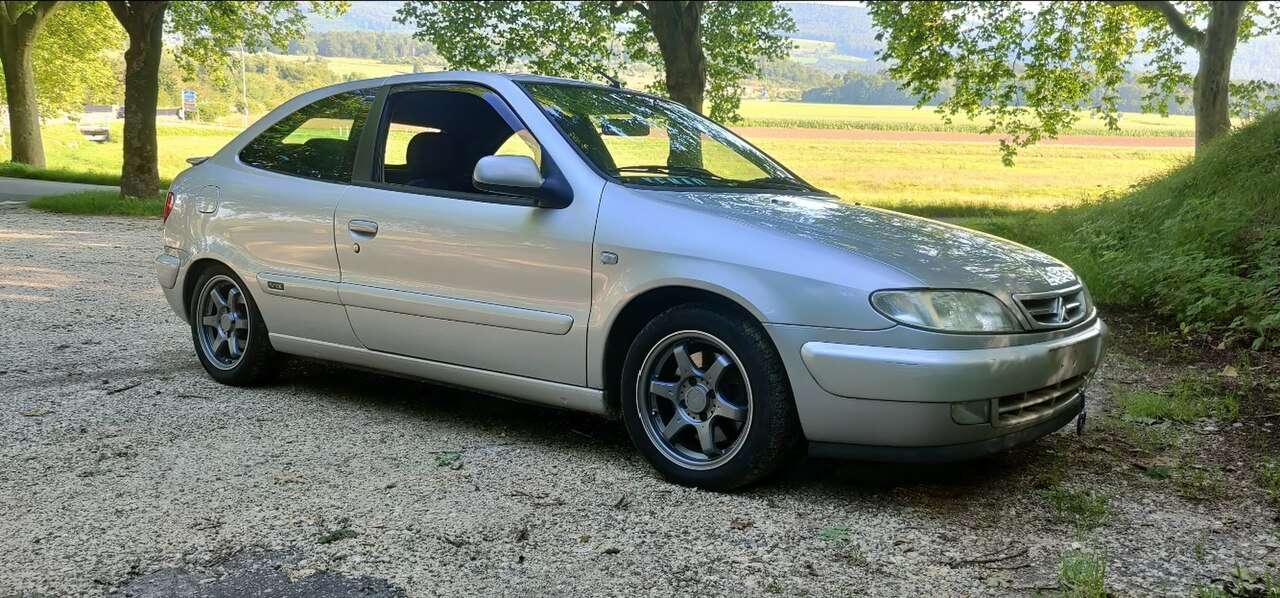
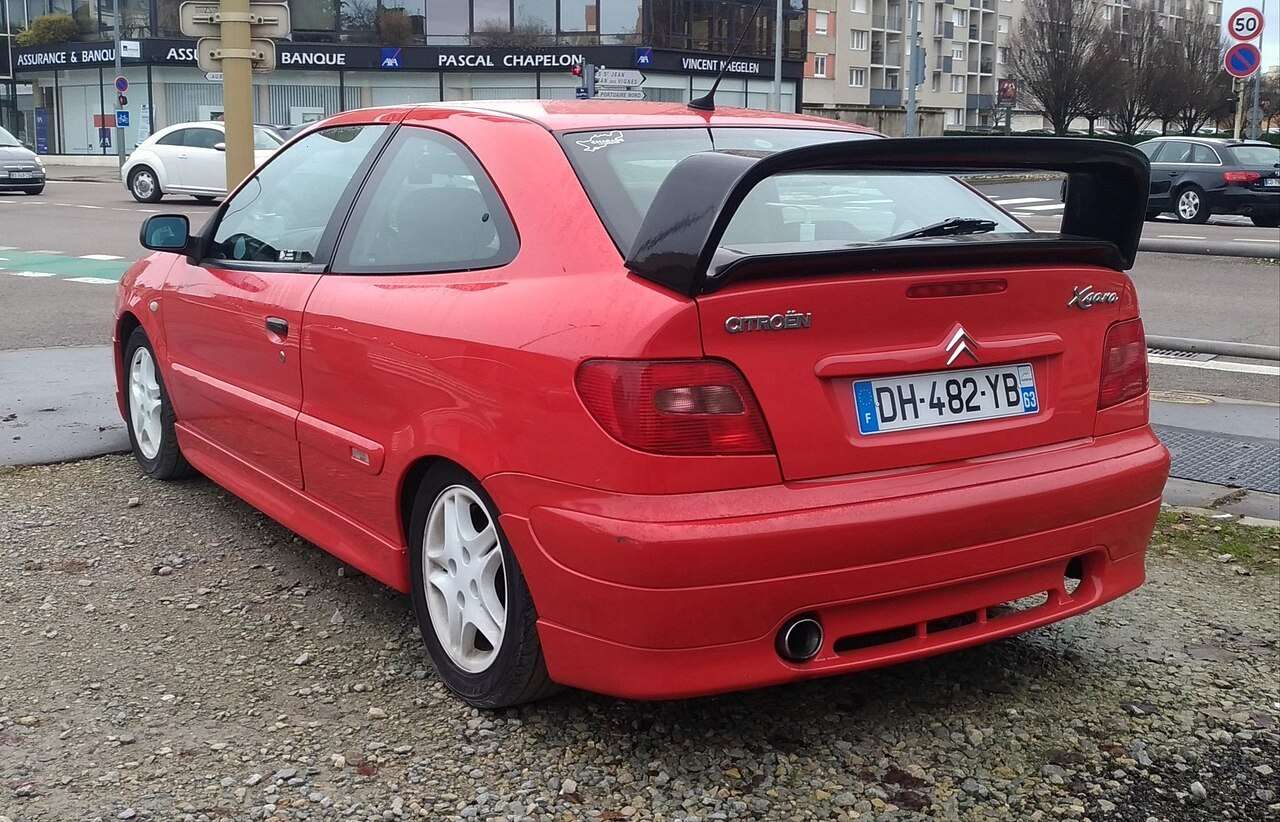
The Xsara VTS looked like an ordinary Citroën from across the street. The 167 PS version was a close relative of one of Peugeot’s best hot hatches, and its badge even made it into the FIA rulebook.
1. The best engine wore an easily missed badge
This is the 2.0-litre 16-valve VTS rated at 167 PS, around 165 bhp. That distinction matters when shopping through old adverts because Citroën used sporting trim names with more than one engine.
2. Citroën called it a coupé
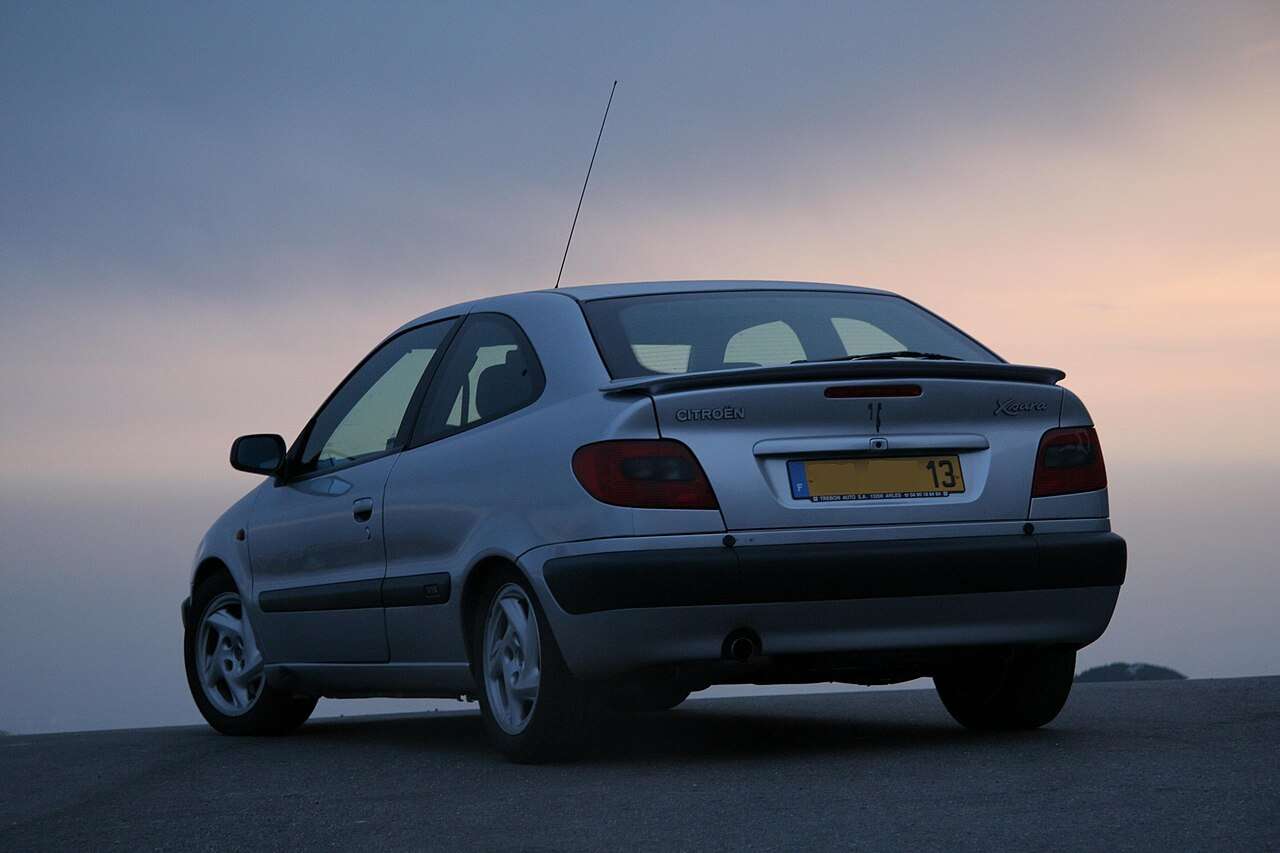
The VTS was offered in the three-door Xsara, described as a coupé in Citroën literature. It kept a full hatchback tailgate, so the name described the styling rather than a separate boot.
3. It had a Peugeot relative under the bonnet
The 167 PS engine belonged to the PSA XU10J4RS family, familiar from the Peugeot 306 GTI-6. The Citroën had a five-speed manual, giving the same basic engine a different setting from its six-speed Peugeot cousin.
4. It got its own FIA papers in 1998
The FIA lists the 1,998.9 cc Xsara VTS as Group A homologation number 5583 from April 1998. The photographs in the original form are worth a look for how close the starting point was to the familiar road-car shape.
Love cars you don’t see every day?
Get forgotten cars, surprising motoring stories and the most interesting finds from Unusual Cars by email.
Free to join. No spam. Unsubscribe whenever you like. See our Privacy Policy.
5. The Kit Car brought a separate set of rules
The front-wheel-drive Xsara Kit Car was a specialised competition development. It shared the outline and the brand, but its preparation and the class it competed in tell a different story from the showroom VTS.
6. The WRC car was another leap
The later four-wheel-drive Xsara WRC had a turbocharged competition engine. Its success helped make the badge famous worldwide, while the road VTS kept its naturally aspirated engine and front-wheel drive.
7. There was a facelifted VTS
The Xsara gained a different nose and larger-looking headlamps during its life. A 2004-market press pack still listed the VTS, so the updated shape is part of the story alongside the early cars.
8. Its top-speed claim was unusually serious
Citroën’s Australian press material quoted 220 km/h, about 137 mph, for the VTS. It was a striking number to find in a brochure for an otherwise familiar compact Citroën.
9. The lower-profile shape was part of its appeal
The VTS relied on details and wheels to set it apart, rather than the swollen arches of the rally car. That makes period brochure photos especially useful when identifying a standard car today.
10. The road car makes sense on its own
The five-speed gearbox and high-revving two-litre gave it an identity outside the rally programme. That also makes it a useful companion to a 306 GTI-6 article, where the shared engine is only the start of the comparison.
10 Things You Probably Didn’t Know About the Peugeot 306 GTi-6 and Rallye.
Explore more 10 Things articles
Browse the Unusual Cars 10 Things hub.
Sources and further reading
- Citroën 2004-model Xsara and Xsara Coupe press kit
- FIA Xsara VTS Group A homologation form 5583
- Citroën centenary competition archive
Featured image: Silver early Citroën Xsara VTS three-door. Photo by Xenad via Wikimedia Commons (CC BY-SA 4.0, resized).
Join the Unusual Cars Club
Get more forgotten performance cars, surprising motoring stories and new 10 Things articles by email.
Free to join. No spam. Unsubscribe whenever you like. See our Privacy Policy.