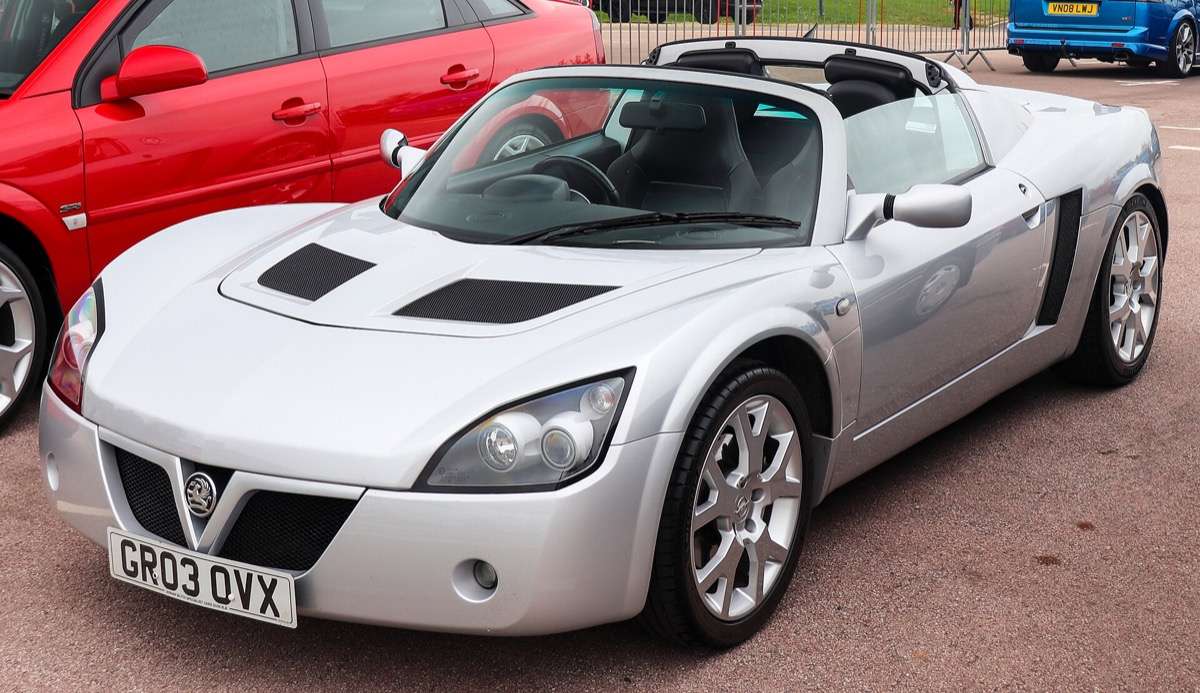
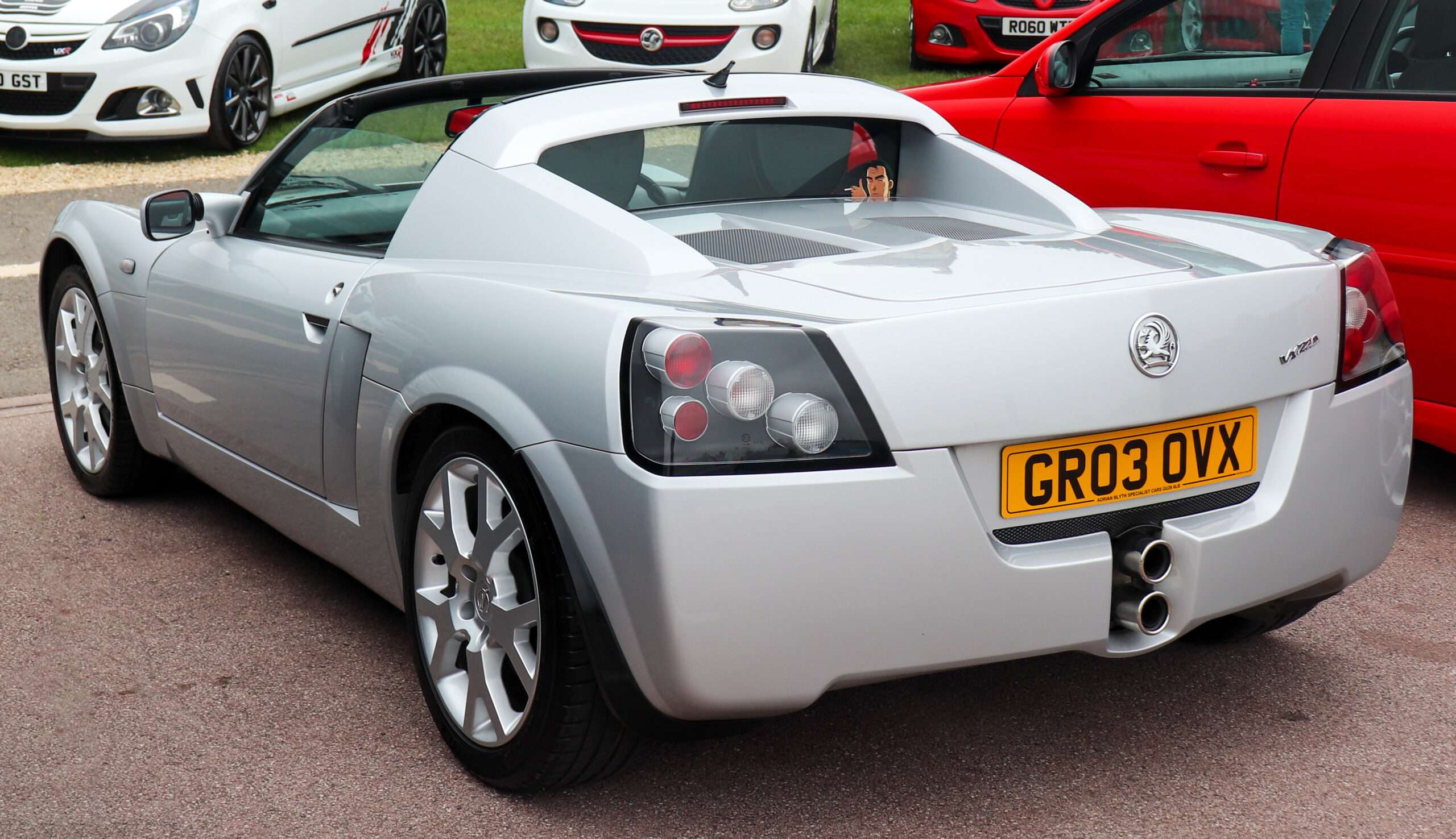
The Vauxhall VX220 is one of the most unusual performance cars to wear a Vauxhall badge: a light, mid-engined two-seater developed with Lotus and sold in Europe as the Opel Speedster. It is not a softened family-car derivative. Its aluminium structure, composite body and exposed driving position make condition, repair quality and intended use much more important than a simple mileage figure.
This Vauxhall VX220 buying guide separates the naturally aspirated 2.2, the quicker 2.0 Turbo and the rare VXR220, then explains what to inspect before buying.
Quick answer: which VX220 should you buy?
Buy the best documented car with a straight, undamaged chassis and evidence of thoughtful maintenance. The 2.2 is the simpler entry point; the Turbo adds the harder performance edge; the VXR220 is a scarce 220hp flagship. For all three, an expert inspection is money well spent because crash repairs and track use can matter more than a shiny composite body.
VX220, Opel Speedster and the Lotus connection
The VX220 and Opel Speedster are closely related versions of the same project. They use an aluminium chassis with composite body panels and a mid-mounted four-cylinder engine, in a layout developed alongside Lotus Engineering. The naturally aspirated 2.2 was the original version; the 2.0-litre Turbo arrived later. That combination gives the VX220 a very different character from a conventional front-engined Vauxhall.
2.2, Turbo and VXR220: the important differences
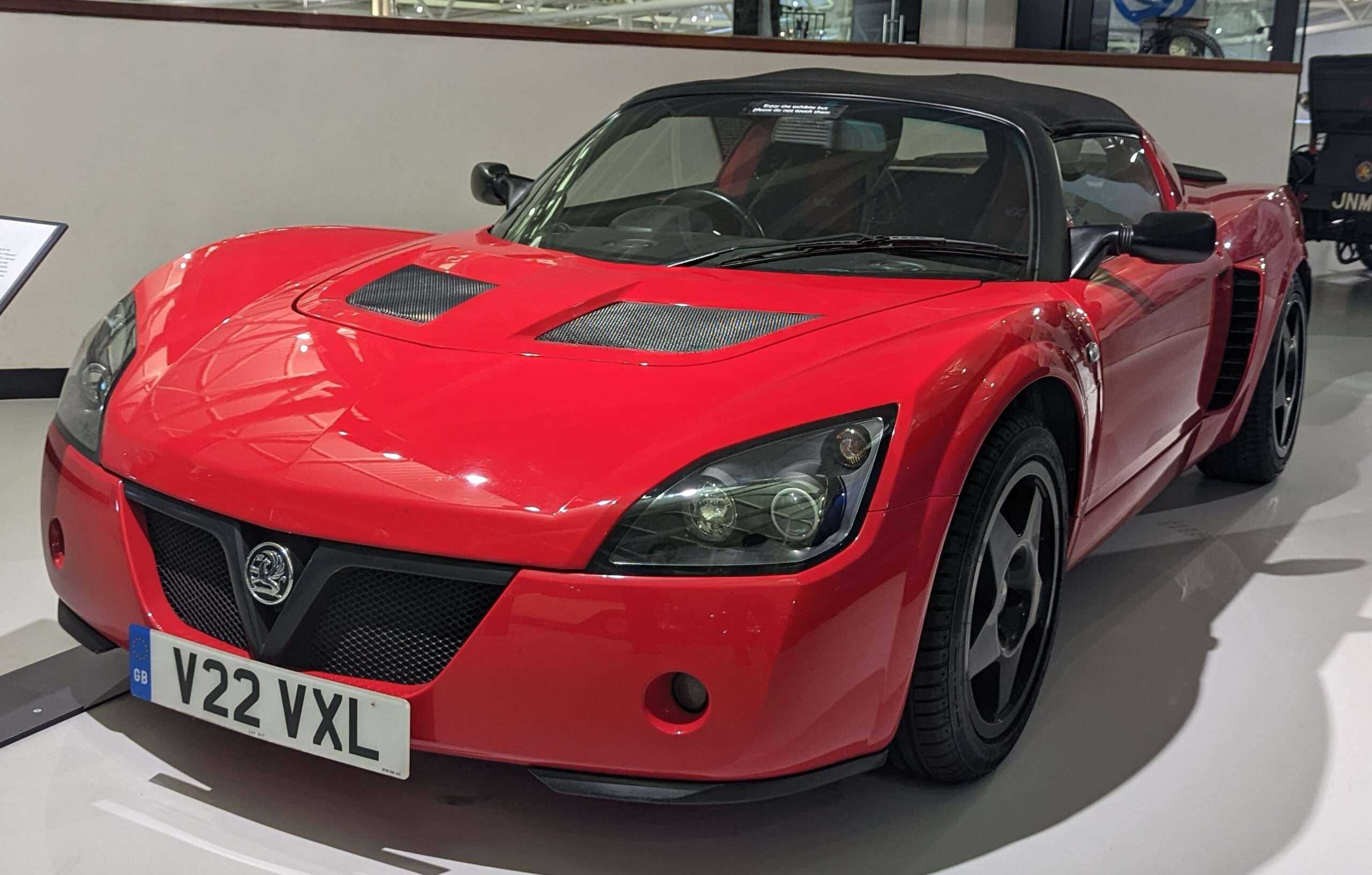
The 2.2 rewards a flowing road with accessible, naturally aspirated response. The Turbo is substantially quicker and attracts buyers who want the model at its most dramatic. The VXR220 was based on the Turbo and raised output to 220hp through changes including a hybrid turbocharger, freer-flowing air intake and ECU recalibration; Vauxhall also recorded extra cooling capacity and small chassis revisions.
Do not choose on badge alone. Establish the exact factory specification, modifications, insurance position and service records. A sound 2.2 can be more satisfying than a neglected Turbo, while a genuine VXR220 deserves specialist verification and an especially careful paper trail.
Chassis, body and accident repair
The VX220’s composite panels do not rust, but that is not the same as saying the car is immune to expensive damage. Check panel alignment, paint finish, wheel geometry, suspension pickup points, undertrays and the aluminium chassis carefully. A cosmetic repair can hide a more important structural issue, so have a specialist assess any evidence of impact, poor bonding, uneven gaps or non-standard fasteners.
Ask directly about track days, insurance claims and previous repairs. Track use is not automatically a problem when a car has been maintained and documented properly; an incomplete history is the concern. A proper geometry check is particularly worthwhile, because a car that does not sit or steer correctly can be telling you more than its bodywork does.
Engine, gearbox and running gear checks
Inspect from cold and drive the car long enough to assess cooling, engine behaviour, gearbox selection, clutch action, steering response and braking. Ask for invoices for routine servicing and major work, rather than relying on a stamp alone. On a lightweight mid-engined car, tyres, brakes, dampers, bushes and alignment have an outsized effect on confidence and safety; mismatched budget parts should be treated as a warning.
Check that the engine bay is tidy without looking freshly disguised, and ask when coolant hoses, fluids, plugs, belts and brake components were last replaced. A specialist familiar with VX220s and Speedsters will also know the places where a hurried repair, poor access during maintenance or a track-focused modification changes the ownership equation.
Cabin, roof and everyday usability
The VX220 is deliberately focused. Check the hood, seals, windows, seat runners, interior trim and heating equipment as closely as the mechanicals: replacements and trim repairs can be disproportionately frustrating for a niche car. Make sure you can live with its driving position, luggage capacity and weather protection. A cherished car that is used regularly and maintained properly is usually a stronger proposition than a low-mileage example that has spent years standing still.
VX220 viewing checklist
- Verify the exact model, engine and VXR status from documents and specialist knowledge.
- Inspect the chassis and evidence of repairs before negotiating on paintwork.
- Check roof, seals, windows, interior trim and weather equipment for completeness.
- Drive from cold and monitor temperature, brake feel, gear selection and straight-line stability.
- Ask about track use, accidents, modifications and insurance declarations.
- Budget for a pre-purchase inspection by a VX220/Speedster specialist.
Related Vauxhall guides
Vauxhall VX220 FAQ
Is the VX220 the same as an Opel Speedster?
They are closely related versions of the same project, branded Vauxhall in the UK and Opel in much of Europe. Specification and market details can differ, so check the individual car.
What is the VXR220?
It was the 220hp flagship based on the VX220 Turbo and helped launch Vauxhall’s VXR performance brand.
What is the most important inspection point?
Chassis condition and quality of any accident repair. Composite panels can make a car look presentable while hiding an issue that needs expert assessment.
Research note: key VX220/Speedster and VXR220 facts were checked against Vauxhall and Opel/Stellantis heritage material. Confirm exact specification and condition before purchase.