The MG XPower SV-R was one of the boldest cars ever to wear an MG badge: a carbon-bodied, Ford V8-powered supercar assembled through a trail stretching from Italy and the Isle of Wight to North America and Longbridge.
It looked like nothing else, cost more than a Porsche 911 and arrived just as MG Rover was running out of road. Here are ten genuinely surprising facts about Britain’s nearly forgotten supercar.
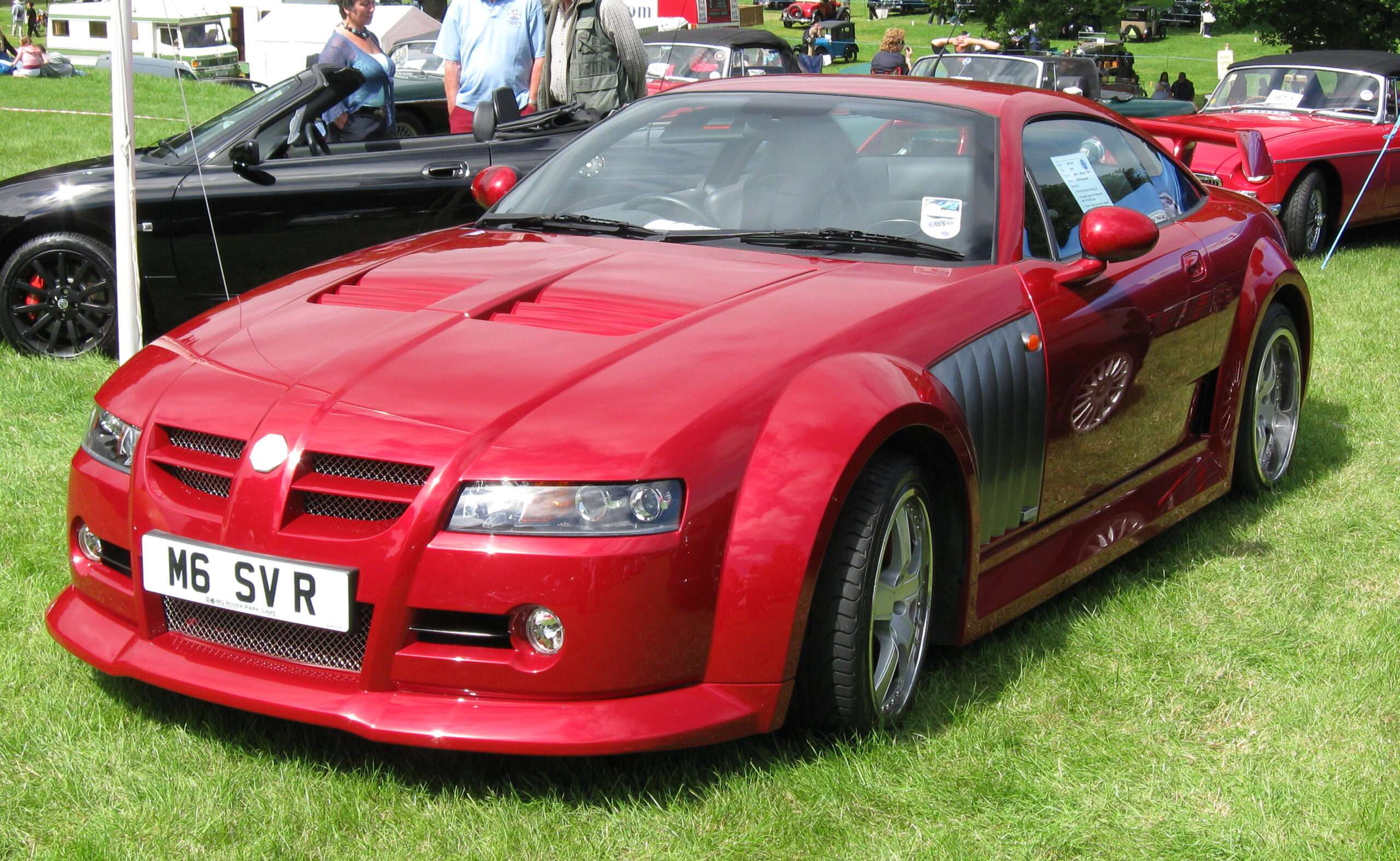
1. It started life as a De Tomaso
The story did not begin at Longbridge. Marcello Gandini — the stylist behind cars including the Lamborghini Countach — created the De Tomaso Biguà, shown at Geneva in 1996. After a business dispute, American importer Bruce Qvale developed it into the Qvale Mangusta. MG Rover then bought Qvale’s Italian operation and used that car’s bones for its new flagship. Underneath the British badge was an Italian-American family tree.
2. Buying Qvale saved MG around three years
When MG Rover acquired the Qvale operation in 2001, it gained more than a shape to rework. The Mangusta’s chassis had already been engineered and homologated for Europe and America. MG Car Club’s history says that gave MG a shortcut worth roughly three years of development — enormously valuable to a company trying to launch a halo car quickly.
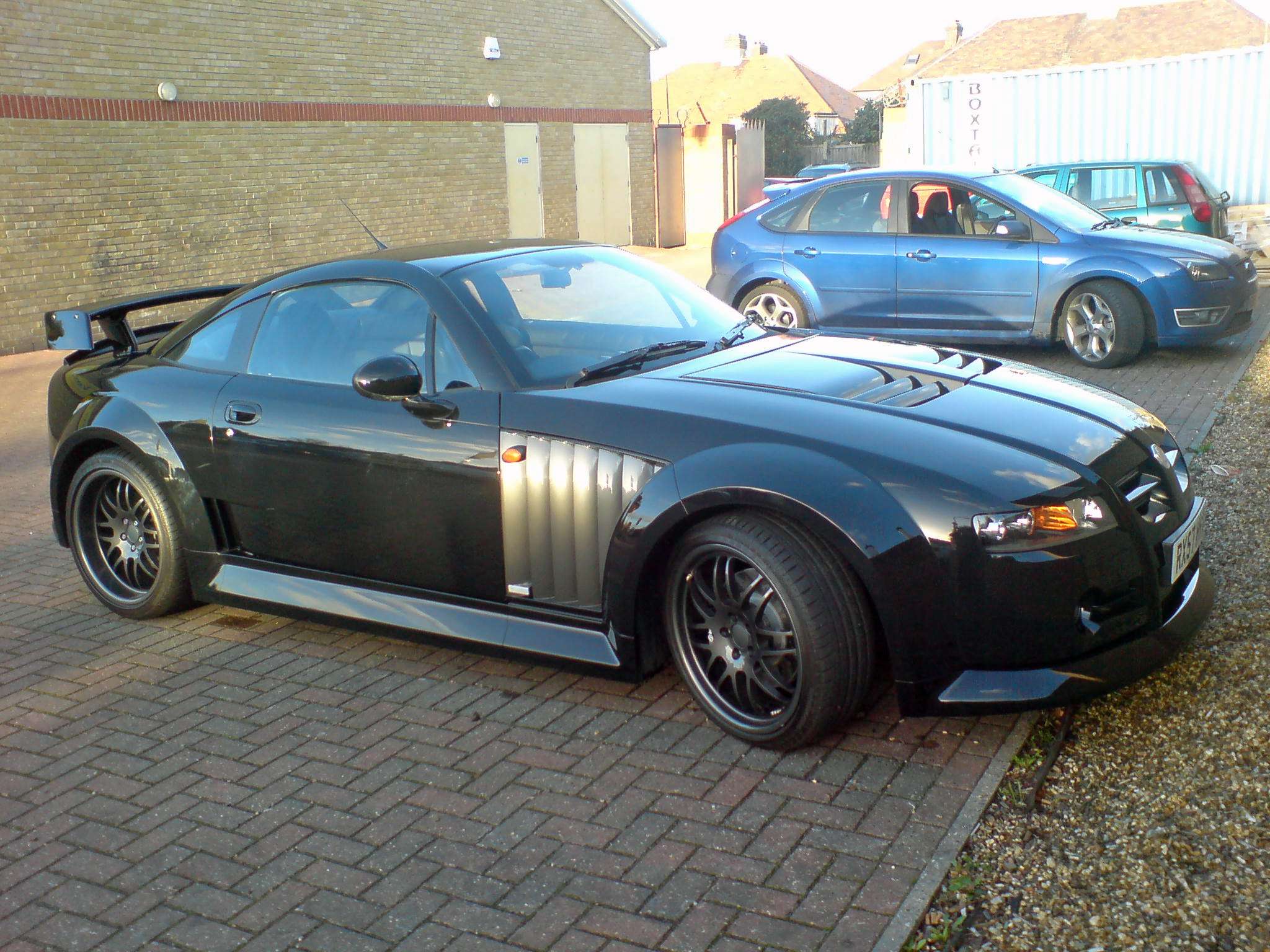
3. A McLaren F1 designer made it deliberately aggressive
Peter Stevens, whose CV includes the McLaren F1 and Lotus Esprit, led the transformation into the X80 concept and then the production SV. This was not meant to be a delicate retro MG. Stevens later acknowledged that the visual culture surrounding The Fast and the Furious influenced the team. The huge intakes, vents and wings were created to look unapologetically “in your face”.
4. Its body used about 3,000 pieces of carbon material
The carbon-fibre body was far more exotic than the badge suggested. Material supplied by SP Systems on the Isle of Wight was cut into roughly 3,000 pieces. At Belco Avia near Turin, those pieces were formed into 30 main panels and cured at about 130°C. MG claimed the process helped give the SV strength and a comparatively low body weight without the tooling costs of conventional pressed steel.
Love cars you don’t see every day?
Get forgotten cars, surprising motoring stories and the most interesting finds from Unusual Cars by email.
Free to join. No spam. Unsubscribe whenever you like. See our Privacy Policy.
5. It was assembled across four countries
The SV-R may have been marketed as a British supercar, but its production map was remarkably international. The chassis came from Vaccari & Bosi in Modena. Ford engines and gearboxes originated in Detroit, with the 5.0-litre units prepared by Roush in Michigan or Sean Hyland Motorsport in Ontario. Carbon material came from the Isle of Wight, panels were moulded near Turin, initial assembly took place at OPAC in Italy, and final trimming and finishing happened at Longbridge.
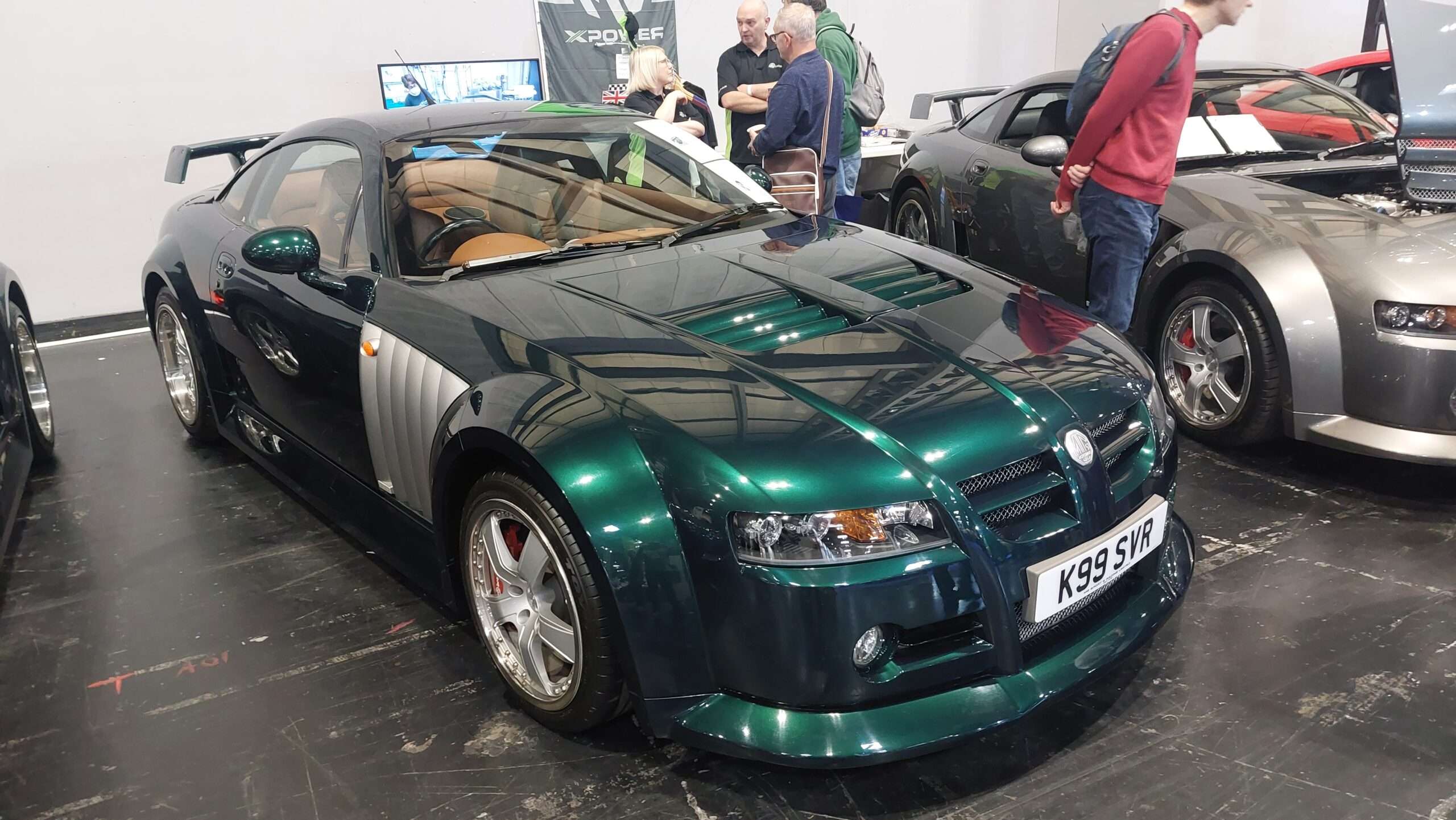
6. The SV-R’s five-litre V8 was the serious one
The standard SV used a 4.6-litre Ford Modular V8. The rarer SV-R received a bored-out, Roush-tuned 5.0-litre version producing about 385 bhp and 376 lb ft. It drove the rear wheels through a five-speed manual gearbox. Contemporary figures quoted 0–62 mph in 4.9 seconds and a 175 mph top speed: fast, although not quite the supercar demolition job its appearance promised.
7. Exotic carbon fibre met Fiat Punto headlights
Low-volume manufacturers often raid existing parts bins, and the SV-R did so with particular flair. Behind the carbon panels were recognisable components including Fiat Punto headlights and a Maserati-derived heater-control panel. Brembo supplied the brakes, OZ the wheels and Recaro the seats. It was simultaneously bespoke, exotic and cheerfully pragmatic — rather like many of Britain’s most interesting specialist cars.
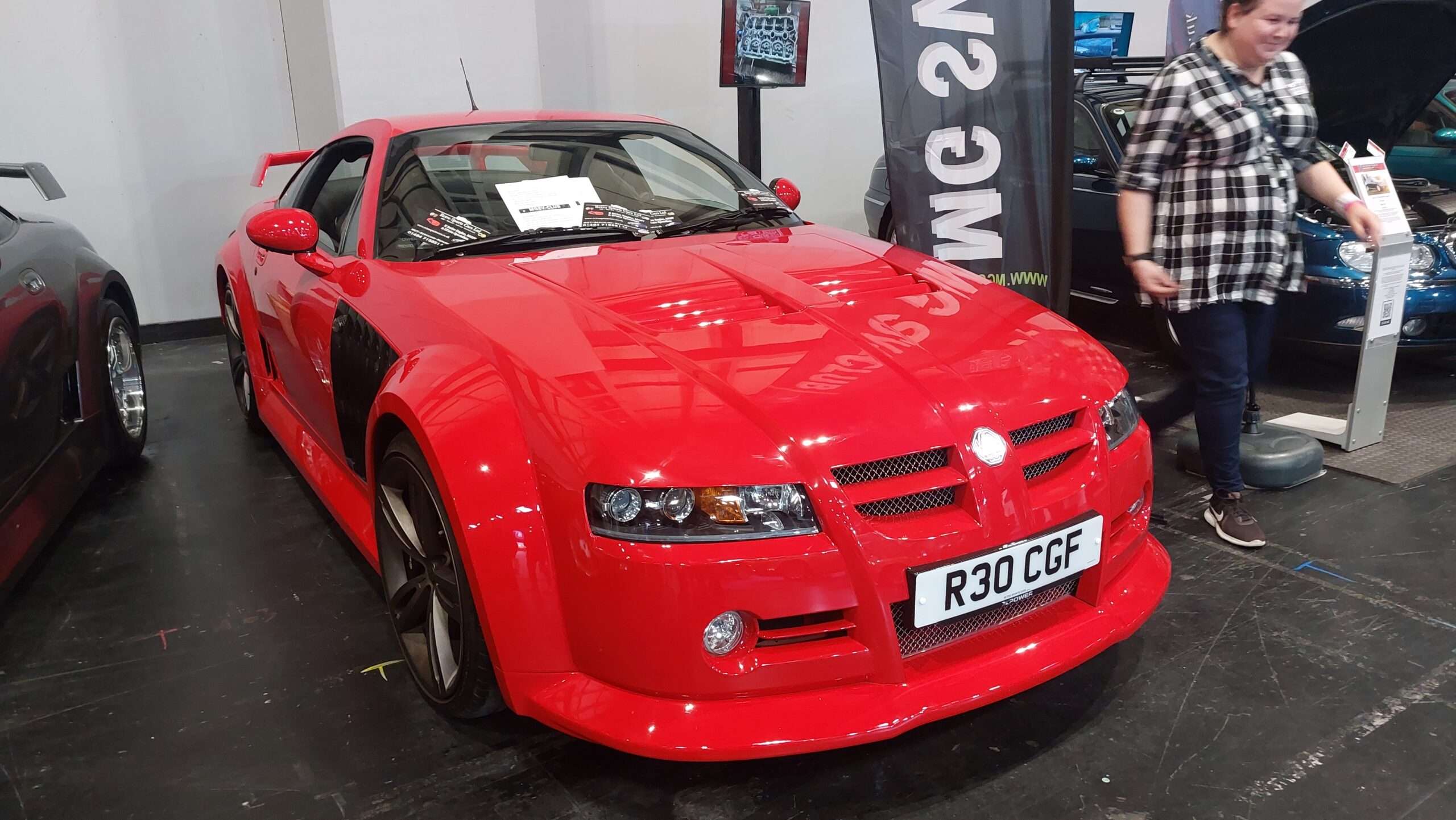
8. It had racing harnesses — but no airbags
The cabin delivered a curious mixture of drama and compromise. Buyers got leather-trimmed Recaro seats, four-point harnesses, a starter button, air conditioning and electric windows and mirrors. What they did not get was an airbag. Contemporary testers also found the driving position and switchgear less polished than the price suggested. The SV-R felt more like a hand-built competition-inspired special than a conventional luxury GT.
9. One prototype reached 206 mph
Production SV-Rs were officially rated at 175 mph, but development car XP1 told a wilder story. Fitted with a 450 bhp engine, it was taken to the Nardò high-speed bowl in Italy, where Le Mans winner John Nielsen reportedly drove it to 206 mph. That makes the project’s ultimate potential far more dramatic than the showroom specification alone suggests.
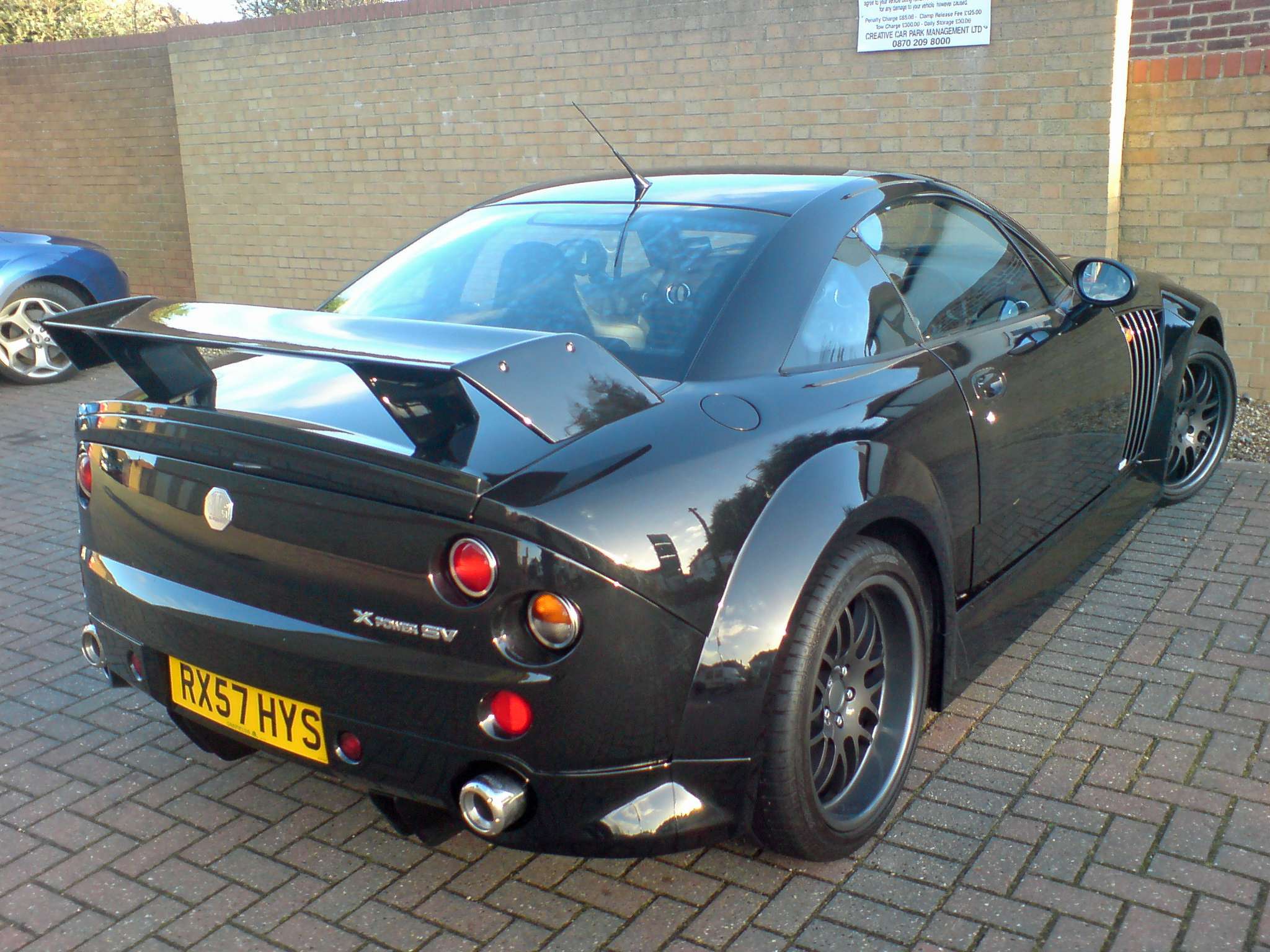
10. Only 42 SV-Rs were built
At launch, the SV-R carried a formidable price of £82,950 — territory occupied by established supercars from Porsche and others. The first customer car was delivered in February 2004, but MG Rover collapsed the following year. Top Gear’s retrospective records just 42 SV-Rs built. That tiny total makes it one of the rarest production MGs and ensures that, whatever its flaws, it will never be ordinary.
Love cars you don’t see every day?
Get forgotten cars, surprising motoring stories and the most interesting finds from Unusual Cars by email.
Free to join. No spam. Unsubscribe whenever you like. See our Privacy Policy.
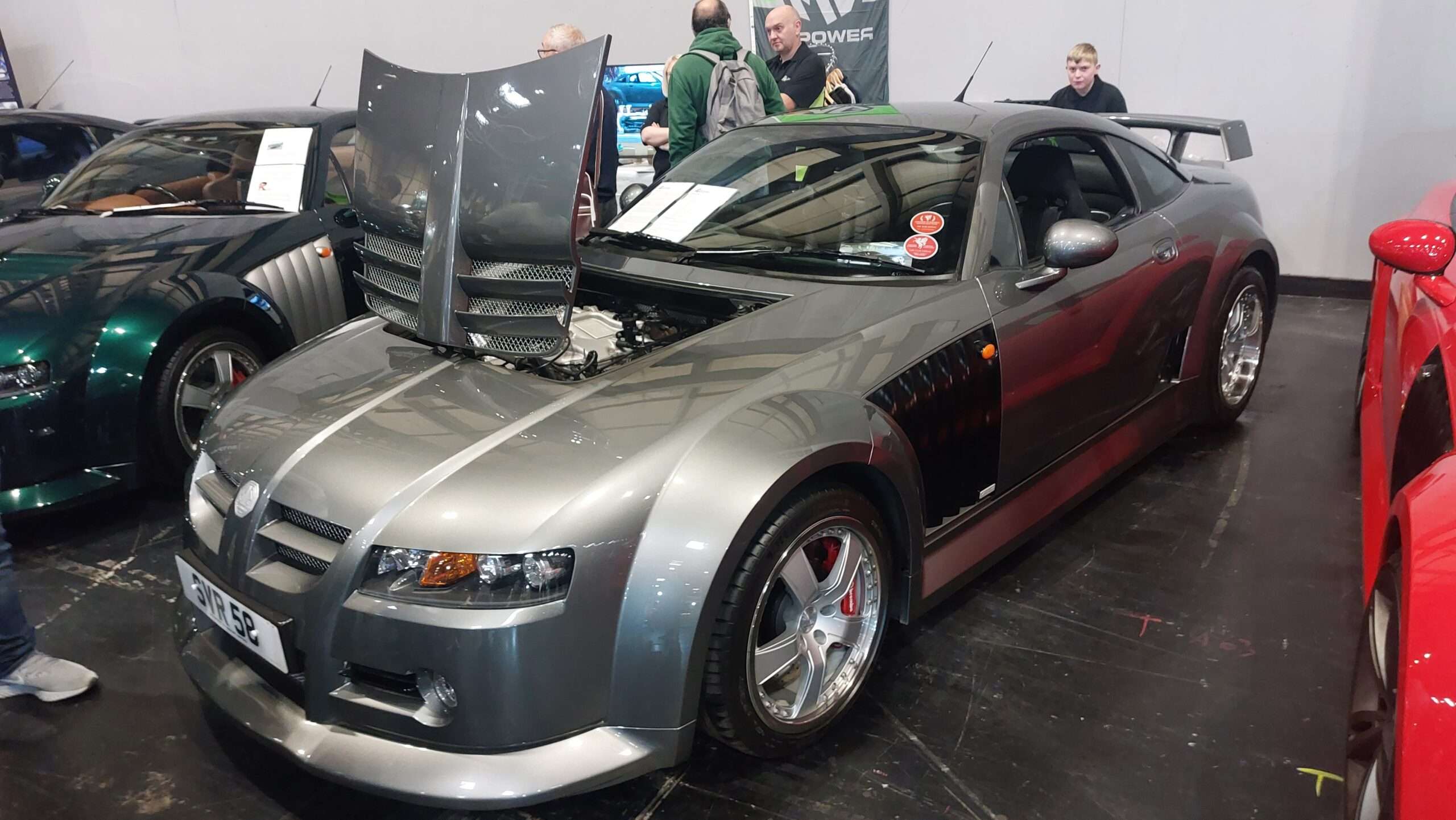
A brave failure — or the ultimate modern MG?
The MG XPower SV-R was expensive, imperfect and born at exactly the wrong moment. It was also genuinely adventurous: carbon-bodied, hand-finished and powered by an American V8. Few cars capture MG Rover’s ambition — and desperation — so vividly.
For more remarkable low-volume British machinery, visit our Rare & Forgotten Cars hub, read our full MG XPower SV feature, or discover the extraordinary MG Metro 6R4.