UNUSUAL CARS MODEL GUIDE
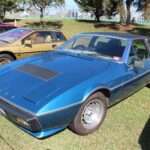
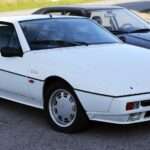
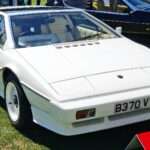
The Lotus Éclat was the front-engined four-seat fastback produced from 1975 to 1982 as the Type 76 and later Type 84. Closely related to the Elite, it used the same backbone chassis and Lotus twin-cam engines but traded the shooting-brake tail for a lower, more conventional coupé profile.
Quick answer: the S1 uses the 1,973 cc Type 907 engine, the S2.2 gains the torquier 2,174 cc Type 912, and the Riviera adds a removable roof panel and richer equipment. Condition, chassis integrity and completeness outweigh edition names because paint, interiors and neglected mechanical systems are expensive to restore.
Why Lotus created the Éclat
The four-seat Elite was bold but its shooting-brake shape divided opinion. The Éclat retained the practical cabin and core engineering while adding a separate boot and sloping fastback tail. It gave Lotus another route into the premium GT market without developing an entirely new platform.

Oliver Winterbottom’s styling remained unmistakably Lotus: a sharp nose, rising beltline and glassfibre body over a central steel backbone. The cabin offered occasional rear accommodation rather than the Elite’s greater estate-like versatility.
Type 76 Series 1
The original Type 76 used Lotus’s 1,973 cc Type 907 twin-cam four-cylinder, normally quoted at 160 bhp in UK specification. Most cars used a manual gearbox, although automatic variants were available. The 520, 521 and later equipment codes identified different combinations of trim, power steering and transmission.
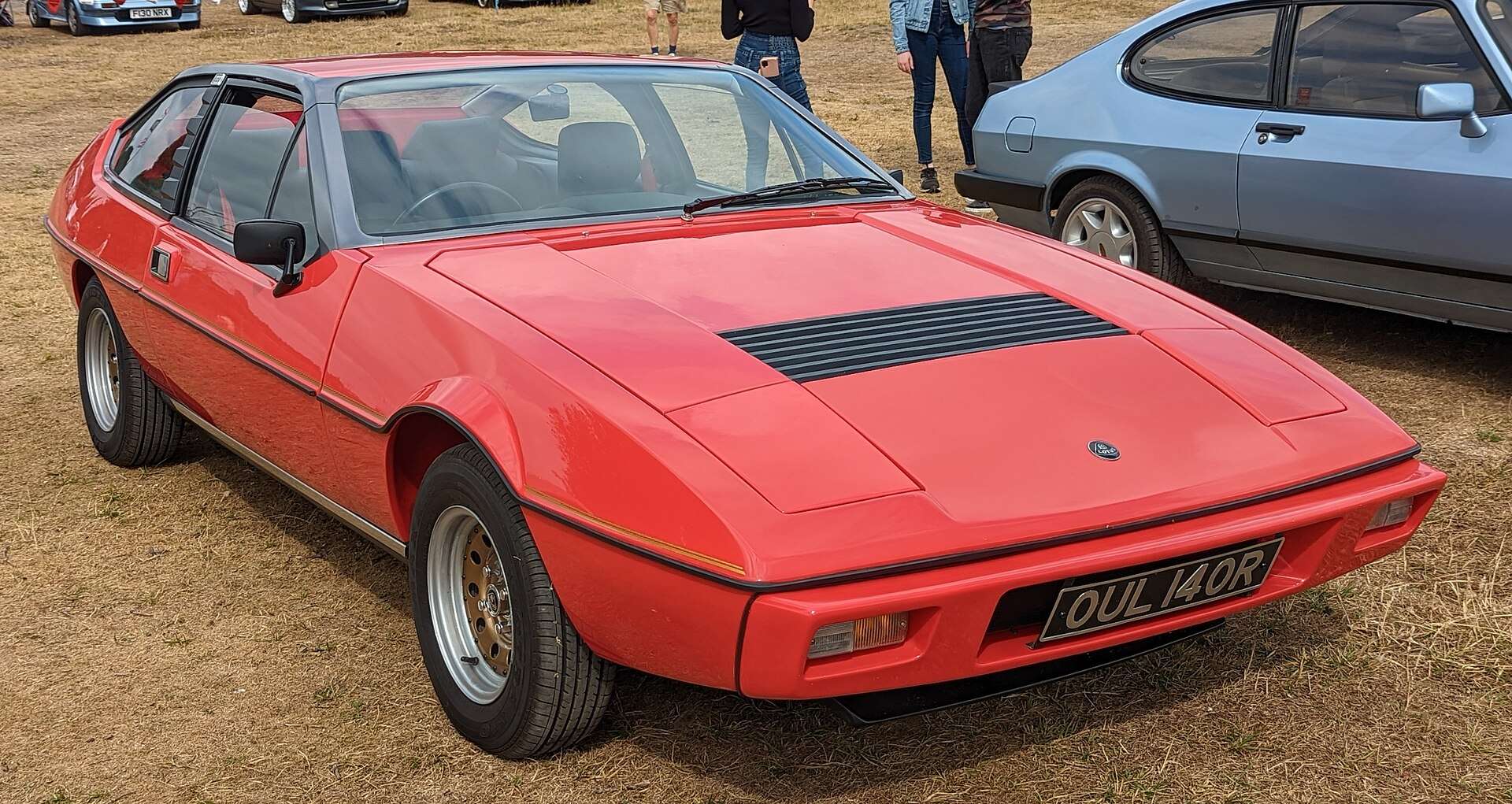
Type 84 S2.2, Sprint and Riviera
The S2.2 adopted the 2,174 cc Type 912 engine. Power remained around 160 bhp, but stronger mid-range torque suited the GT character. Exterior and chassis details were revised, while the later Riviera combined the 2.2-litre mechanical package with a large removable roof panel, air conditioning, leather trim and electric windows.

| Version | Engine | Main distinction |
|---|---|---|
| Type 76 S1 | 1,973 cc Type 907 | Original Éclat; several equipment and transmission codes. |
| Éclat Sprint | 1,973 cc Type 907 | Limited paint-and-trim edition referencing the Elan Sprint. |
| Type 84 S2.2 | 2,174 cc Type 912 | More torque plus later chassis, trim and detail revisions. |
| Riviera | 2,174 cc Type 912 | Removable roof panel and luxury equipment. |
Love cars you don’t see every day?
Get forgotten cars, surprising motoring stories and the most interesting finds from Unusual Cars by email.
Free to join. No spam. Unsubscribe whenever you like. See our privacy policy.
Chassis and body inspection
Inspect the backbone around the front suspension towers, lower edges, body mountings and rear structure. Early untreated frames can corrode badly; even a replacement or galvanised frame needs checks for accident repair and damaged protection. The registration and chassis records should explain any replacement.
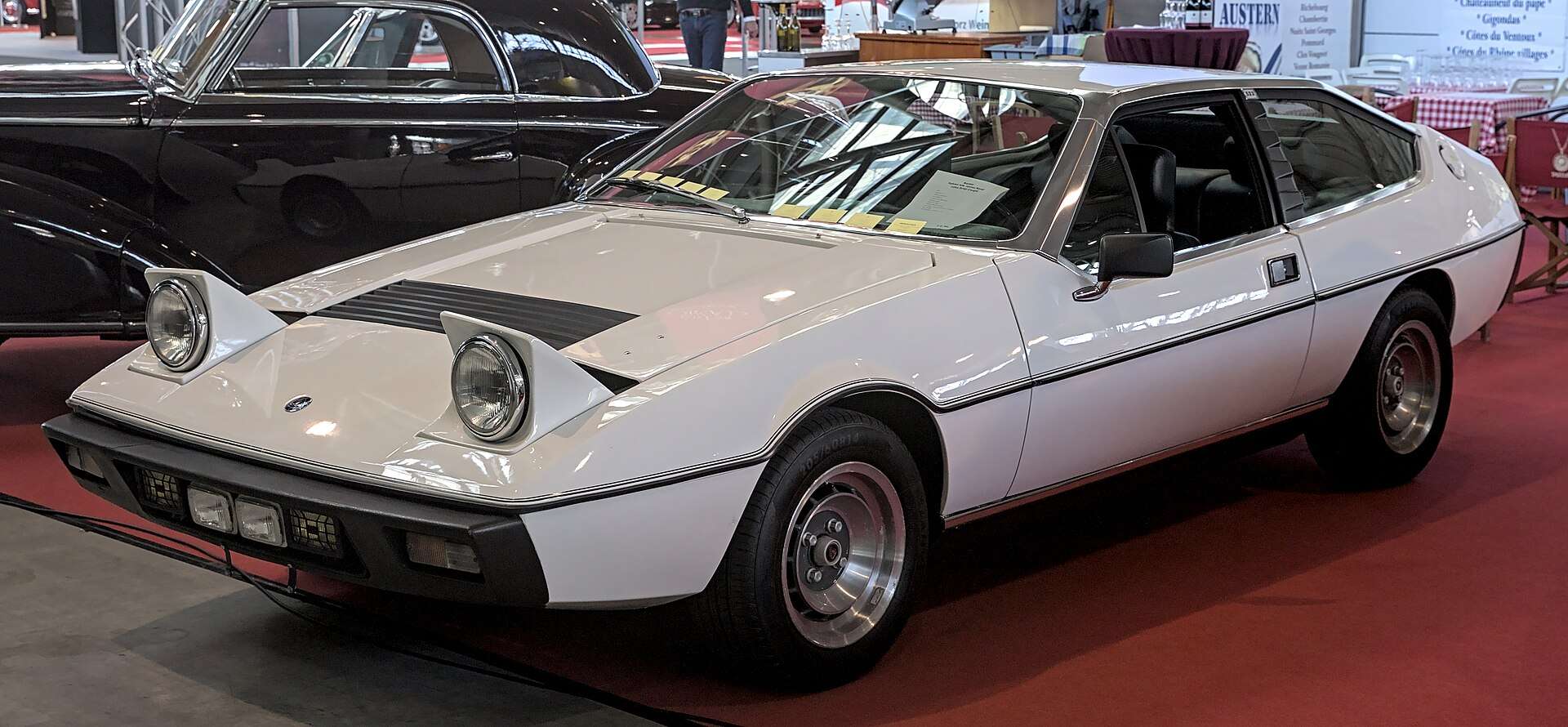
Glassfibre panels can craze and crack around hinges, bumpers, lamps and stressed mounting points. Check door alignment, tailgate and boot seals, headlamp pods and signs of water entering the cabin. A damp car often has electrical and trim damage beyond the visible stain.
Engine, cambelt and cooling
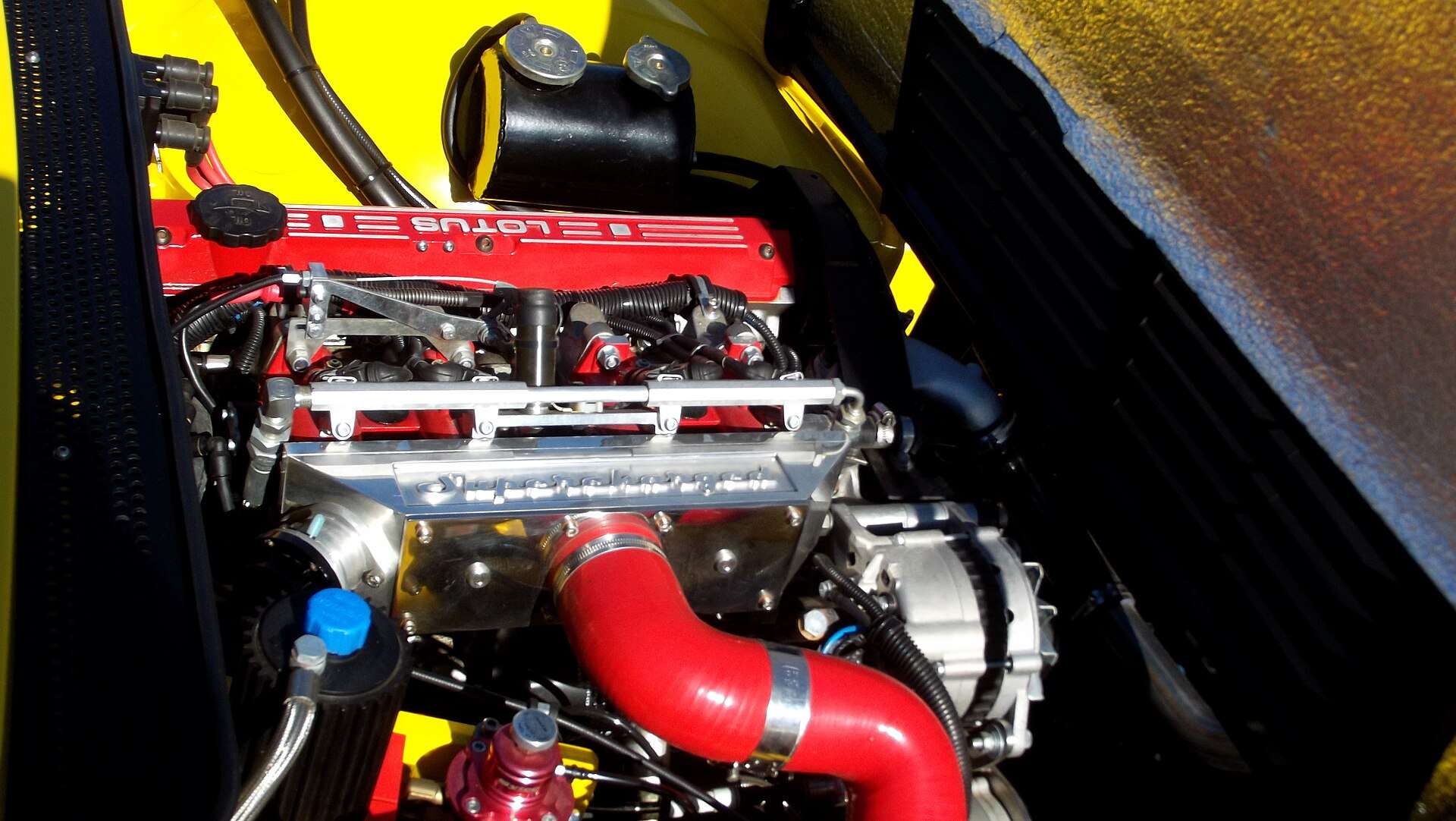
The Type 907 and 912 engines need documented cambelt changes and correct tension. Check oil pressure hot, cam-cover leaks, water-pump condition, coolant stability and evidence of overheating. Carburettors should be balanced and fuel hoses fresh.
Transmission, suspension and brakes
Manual gearboxes should select cleanly without noisy bearings or weak synchromesh. Automatic cars need clean fluid and prompt, smooth engagement. Listen for differential and driveshaft noise, then inspect rear wheel bearings, universal joints, dampers, bushes and steering components.

Interior, trim and choosing a car
Complete original interiors are valuable. Examine leather or cloth, dashboard covering, veneers, carpets, headlining and the many model-specific fittings. Test every electrical function, including pop-up headlamps, windows, instruments, heater and air conditioning where fitted.
A sound S1 gives the earliest character, while the S2.2 is generally the easier long-distance proposition. A genuine Riviera is interesting, but its roof mechanism, seals and unique trim must be complete. Buy the most coherent maintained car rather than the cheapest project.
Sources and further reading
Continue the Lotus story
The Éclat turned the Elite platform into a lower fastback GT and led directly to the Excel. Explore the Lotus hub and the later Elite guide and the Excel guide.
Frequently asked questions
When was the Lotus Éclat produced?
Lotus produced the Éclat from 1975 to 1982 in Type 76 S1 and Type 84 S2.2 forms.
What is the difference between the Elite and Éclat?
They share core engineering, but the Elite has a shooting-brake rear body while the Éclat uses a lower fastback coupé profile with a separate boot.
What engine does the Éclat S2.2 use?
It uses the 2,174 cc Lotus Type 912 twin-cam four-cylinder, developed for stronger torque than the earlier 2.0-litre Type 907.
What is an Éclat Riviera?
The Riviera is a late special version with a large removable roof panel and additional luxury equipment.
What should be checked before buying an Éclat?
Inspect the backbone chassis, glassfibre body, cambelt and cooling history, gearbox or automatic, differential, suspension, brakes, water leaks, interior trim and electrical systems.