UNUSUAL CARS MODEL GUIDE
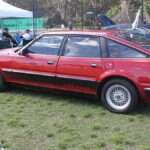
The Rover 800 Vitesse name covered two distinct sporting interpretations of Rover’s executive hatchback: early 827 models used Honda’s 2.7-litre V6, while later 820 Vitesse and Vitesse Sport cars used Rover’s turbocharged 2.0-litre T-series. Together they form an unusual history of Anglo-Japanese development and British turbo performance.
Quick answer: Buyers must first establish which Vitesse they are inspecting. Early V6 and later turbo cars have different drivetrains and priorities, but all require close checks for corrosion, electrical faults, cooling, suspension, brakes, trim condition and evidence of neglected executive-car maintenance.
The Rover 800 and Honda connection
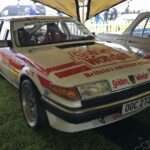
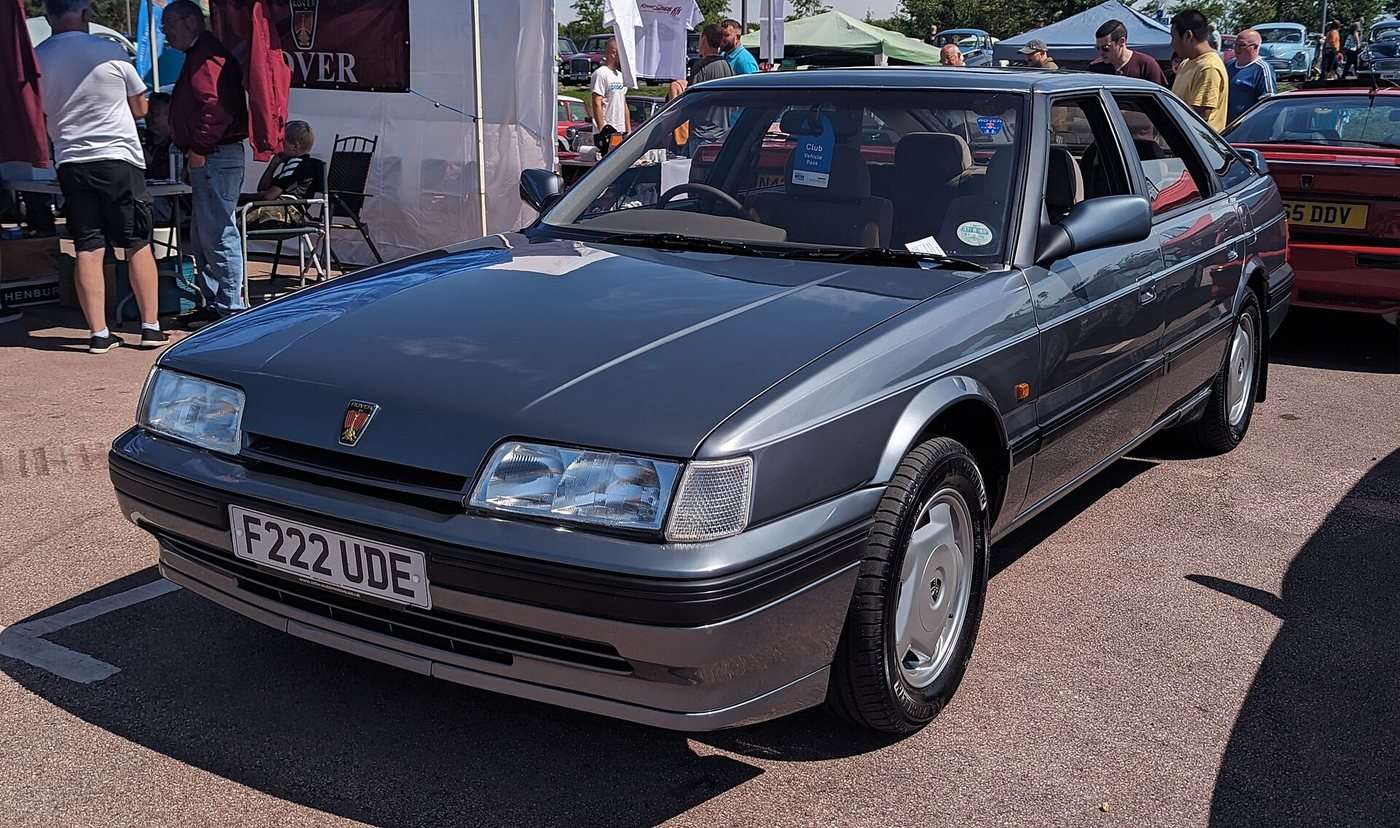
Rover developed the 800 alongside Honda’s Legend, creating related but distinct executive cars. The fastback Vitesse gave Rover a sporting flagship and initially used the smooth Honda 2.7-litre V6. Tony Pond’s celebrated Isle of Man lap in an 827 Vitesse reinforced the car’s high-speed image.
From 827 V6 to 820 Turbo
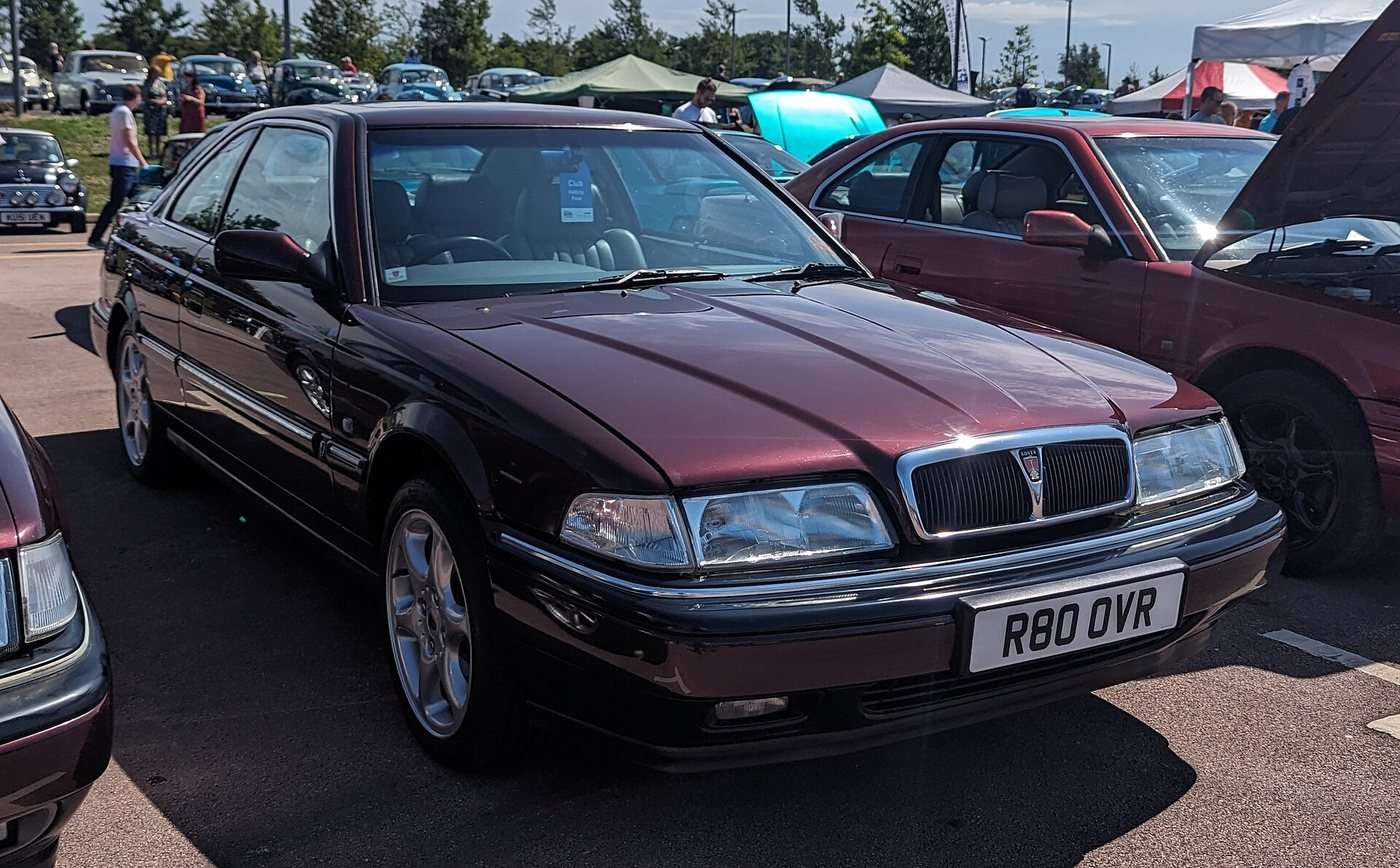
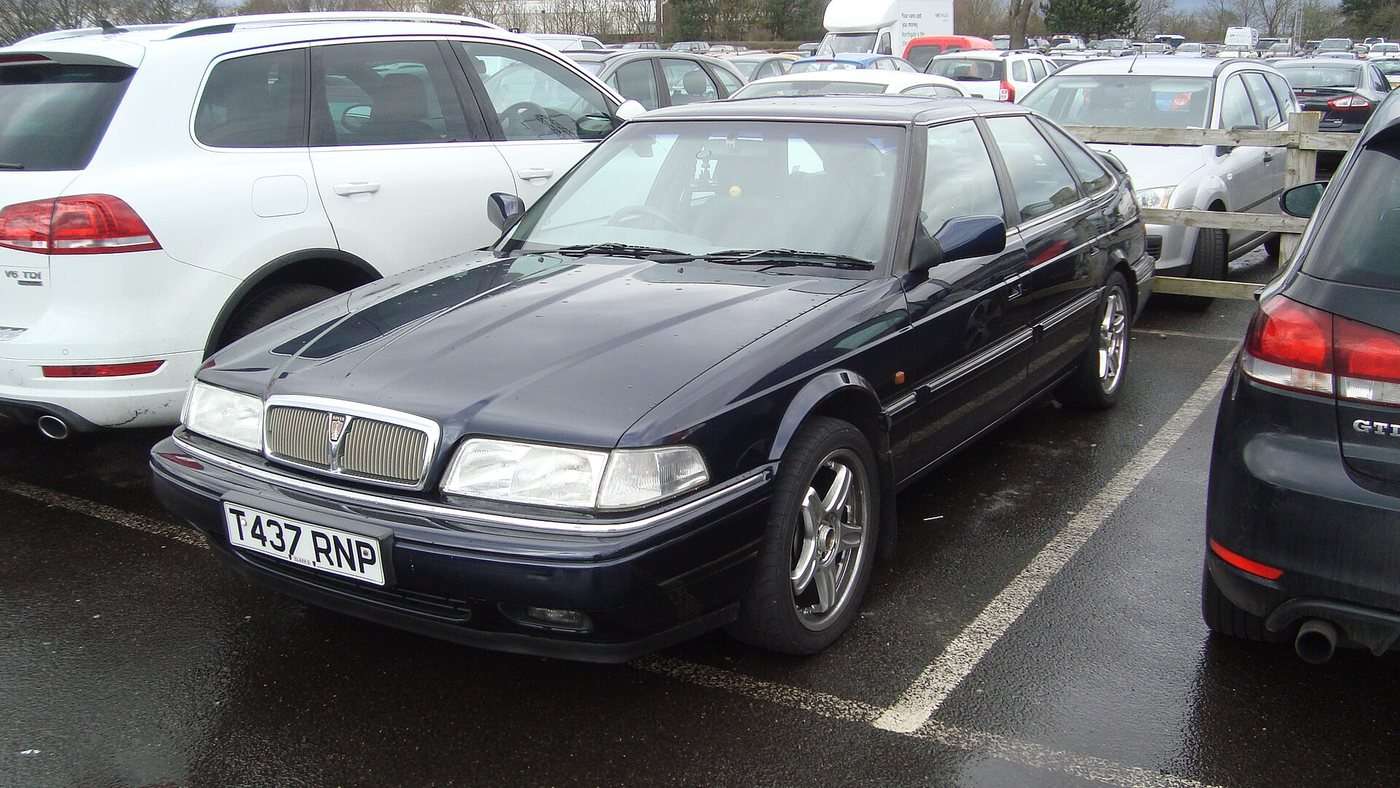
The later Vitesse story changed direction when the turbocharged Rover T-series replaced the V6 in the sporting hatchback. The 820 Vitesse and higher-output Vitesse Sport combined strong mid-range acceleration with the practical five-door body, while the regular 800 range also included saloons and luxurious coupés.

Identifying the correct version
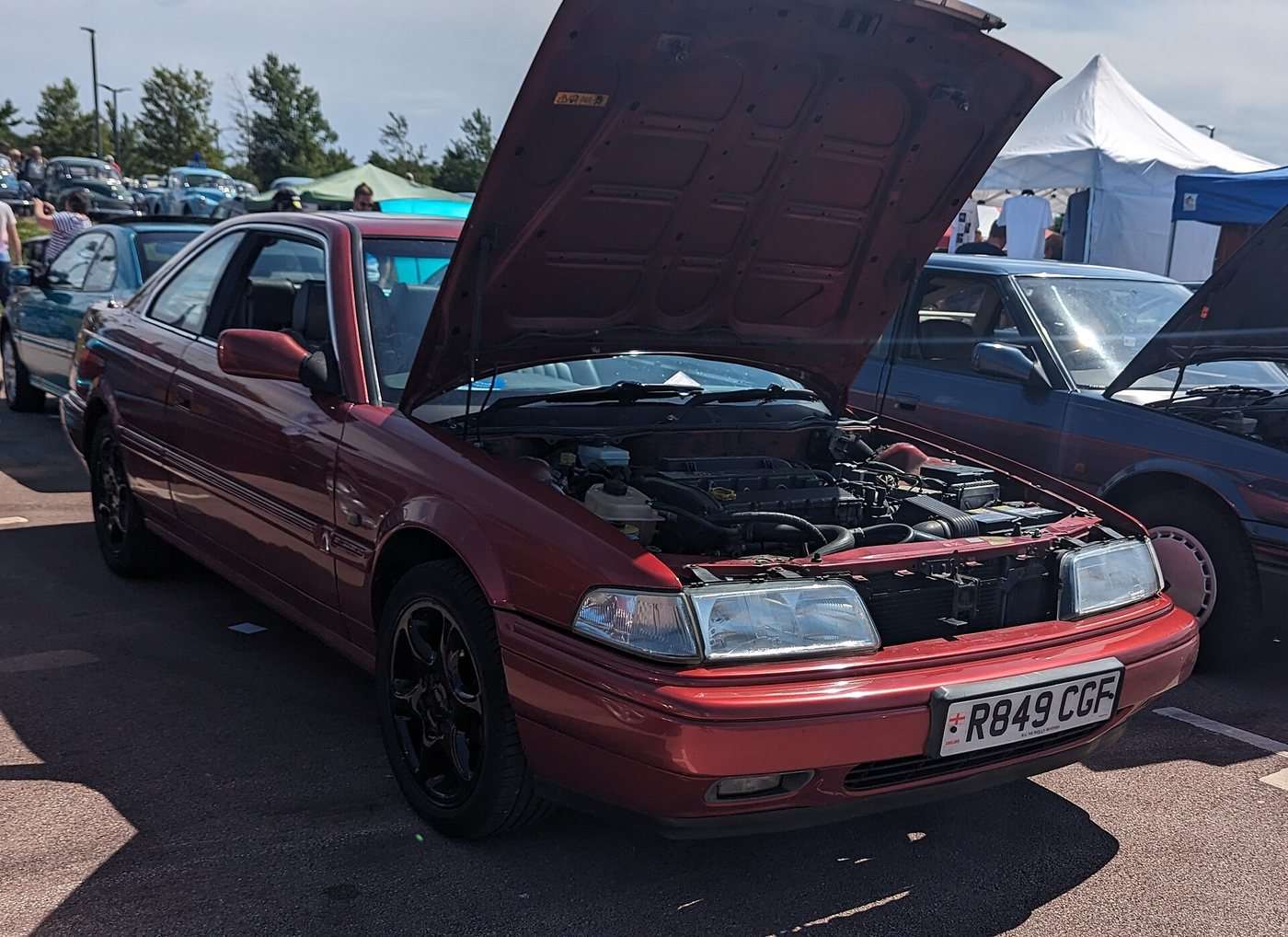
Check the VIN, engine code, build date and original equipment. Early and late fascias, bumpers, wheels, spoilers and trim vary, and cosmetic pieces can migrate between models. A genuine Vitesse Sport should be supported by factory specification and history, not simply badges or an engine conversion.
Love cars you don’t see every day?
Get forgotten cars, surprising motoring stories and the most interesting finds from Unusual Cars by email.
Free to join. No spam. Unsubscribe whenever you like. See our privacy policy.
V6 and T-series engine checks
On a V6 car, inspect cooling, timing-belt records, oil leaks, idle quality and automatic or manual transmission behaviour as applicable. On a turbo T-series car, add checks for boost delivery, intercooler plumbing, oil supply, head gasket and previous tuning. Both should warm up predictably without smoke or coolant loss.
Body, suspension and brakes
Inspect sills, floor edges, arches, subframes, suspension mounts, windscreen surrounds and hatch or boot seams. Large executive cars can conceal expensive corrosion beneath trim. Test dampers, bushes, steering, wheel bearings, ABS and brake operation, and look for uneven tyres indicating poor alignment.

Electrical equipment and cabin
The 800 offered extensive equipment, so test every switch rather than assuming faults are minor. Check windows, seats, mirrors, sunroof, central locking, instruments, heater, air conditioning and warning lamps. Dampness can affect connectors and control units, while correct seats and trim are increasingly difficult to replace.
Choosing the best Vitesse
The 827 appeals for its smooth Honda V6 and early 800 character; the 820 Vitesse Sport offers the strongest turbo performance. Condition should decide the purchase. A complete, standard car with coherent history is normally more valuable than a nominally rarer version suffering structural corrosion or improvised electrical repairs.
Key specifications
| Area | Specification | Buyer focus |
|---|---|---|
| Early Vitesse | 2.7-litre Honda V6 in the 827 fastback | Timing belt, cooling and transmission |
| Later Vitesse | 2.0-litre turbocharged Rover T-series | Boost, cooling, oil supply and head gasket |
| Vitesse Sport | Higher-output later turbo performance model | Identity, originality and drivetrain condition |
| Body | Five-door executive fastback | Corrosion, water ingress and electrical systems |
Research sources
- British Motor Museum archive
- AROnline Rover 800 development history
- Rover Cars 1945 to 2005 reference extract
Continue the MG and Rover story
Explore the Rare & Performance MG and Rovers hub, then read Rover SD1 Vitesse guide and MG ZT 260 and Rover 75 V8 guide.
Frequently asked questions
What engine is in a Rover 800 Vitesse?
Early 827 Vitesse cars use a 2.7-litre Honda V6, while later 820 Vitesse models use Rover’s turbocharged 2.0-litre T-series.
What is the Rover 800 Vitesse Sport?
It is the higher-performance later turbocharged Vitesse derivative of the Rover 800 fastback.
Was the Rover 800 developed with Honda?
Yes. Rover and Honda jointly developed related Rover 800 and Honda Legend executive-car programmes.
What are the main Rover 800 problems?
Corrosion, cooling faults, electrical problems, worn suspension and brakes, water ingress and neglected drivetrain servicing are key concerns.
How can a genuine Vitesse be identified?
Use the VIN, engine code, build record and original specification rather than badges, wheels or spoilers alone.