

The Mini ERA Turbo is one of the rarest and most distinctive fast Minis of its period: a 1275cc turbocharged A-Series car with specialist ERA styling, uprated chassis hardware and a very small production run. The right car is a genuinely fascinating 1990s-era classic; the wrong one can be an expensive mixture of rust, missing unique parts and unproven modifications.
What is the Mini ERA Turbo?
English Racing Automobiles (ERA) created the ERA Turbo from the classic Mini at the turn of the 1990s. It used a turbocharged 1275cc A-Series engine based around the same basic family as the MG Metro Turbo installation, but it was much more than a turbo conversion. ERA added its own bodywork, wheels, interior treatment and engineering changes to produce a Mini with a very different presence from an ordinary Cooper.
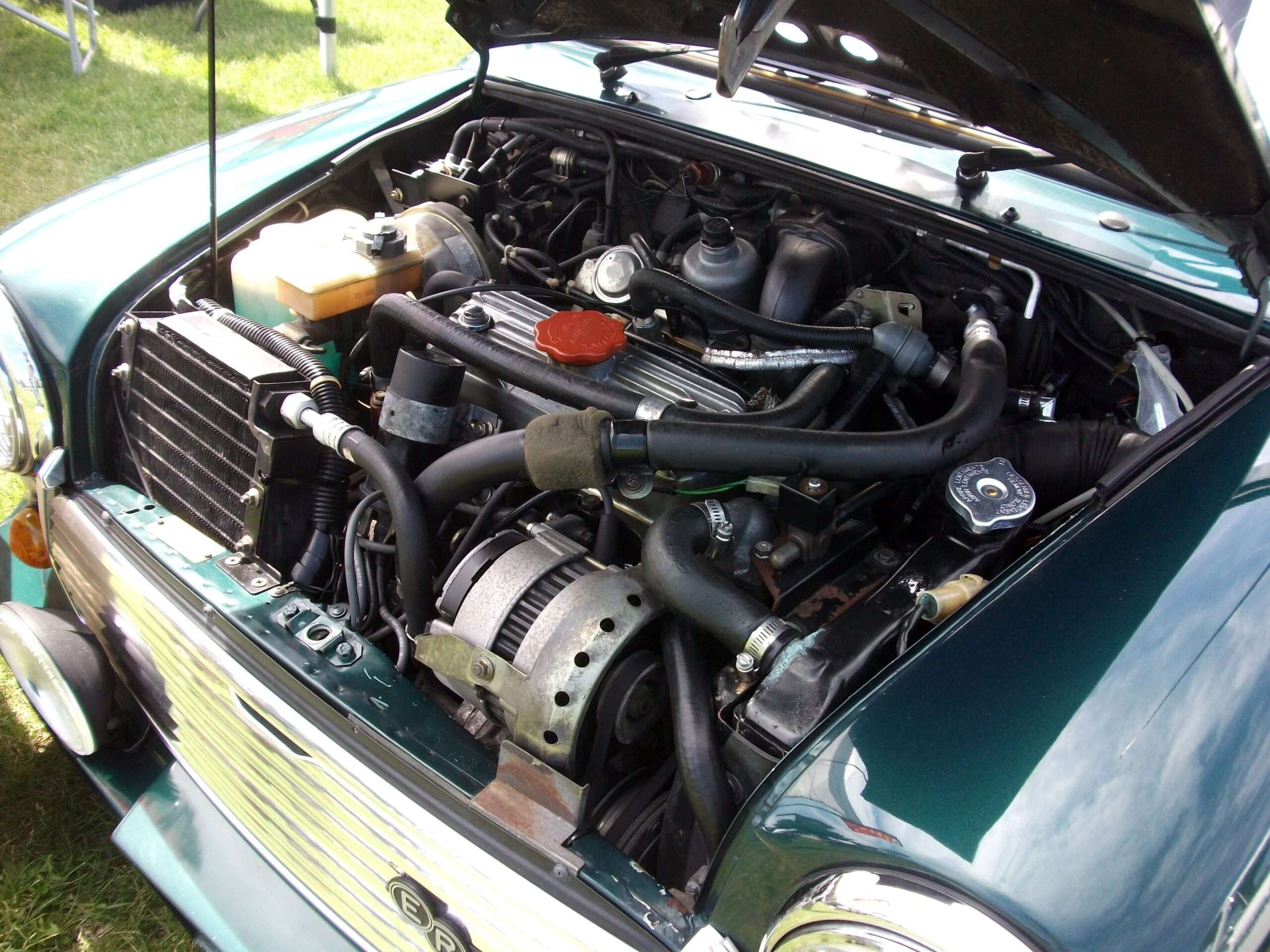
Period specification material describes a 1,275cc transverse four-cylinder with an SU HIF44 carburettor, Garrett T3 turbocharger and ECU-controlled boost. It quotes 94bhp at 6,130rpm and 118Nm at 3,600rpm, driving the front wheels through a four-speed manual gearbox. That is modest by modern standards, but a short, light Mini with turbo torque still feels unusually urgent and mechanical.
ERA Turbo specifications at a glance
| Feature | ERA Turbo |
|---|---|
| Production period | 1990–91 |
| Engine | 1,275cc turbocharged A-Series four-cylinder |
| Fuel and boost hardware | SU HIF44 carburettor, Garrett T3 turbocharger and ECU-controlled boost |
| Quoted output | 94bhp at 6,130rpm; 118Nm at 3,600rpm |
| Transmission | Four-speed manual, front-wheel drive |
| Factory-claimed top speed | 115mph |
Specifications and equipment can vary between markets, individual cars and restored examples. Treat this table as a guide, then verify the exact car with its identification plate, paperwork and knowledgeable specialis
ERA Turbo photo gallery
Why the ERA is different
Purpose-built visual identity
The deep body kit, distinctive grille and ERA-branded five-spoke wheels give the car a far more dramatic stance than a normal Mini. The flared arches and side skirts are central to its identity, not disposable decoration.
A turbo Mini with proper period character
The boosted A-Series and four-speed transmission deliver an old-school driving experience: compact dimensions, quick responses and a deliberate mechanical feel. It deserves sympathetic maintenance rather than indiscriminate tuning.
How rare is an ERA Turbo?
Commonly repeated figures are 99 right-hand-drive UK cars and 337 Japanese-market cars, but surviving-car totals are much harder to establish. That makes provenance more valuable than a number in an advert. A car represented as an original ERA should be supported by registration documents, old invoices, period paperwork, photographs and a coherent ownership story.
How to identify an original Mini ERA Turbo
No single visual cue should settle the question. Look for a combination of correct details and supporting paperwork:
- ERA badging and grille treatment, with evidence that they are not recent additions.
- The correct ERA body kit, five-spoke wheels and rear styling; inspect fit and finish rather than assuming any wide-arch Mini is genuine.
- An ERA identification plate on the slam panel, together with chassis and engine details that make sense against the history file.
- Period-style turbo installation, cooling and plumbing—not just a later aftermarket kit.
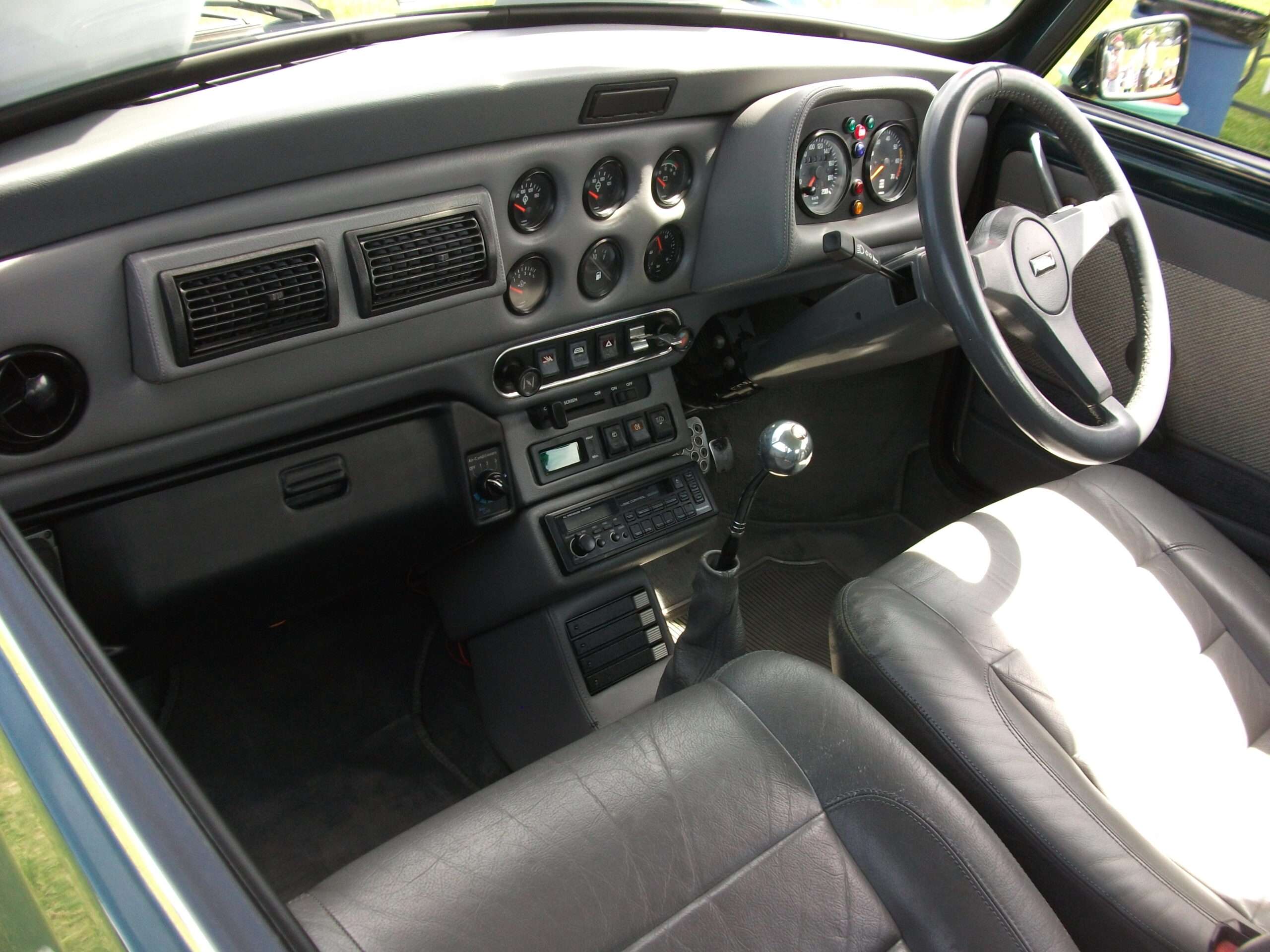
- ERA-related interior trim and modified front seats where retained.
- Invoices, registrations, old photographs and specialist correspondence that connect the car’s identity over time.
Parts get replaced during a three-decade-plus life, and restored cars may be better than untouched ones. The key is disclosure: a sensible seller will explain what is original, what has been renewed and why.
Mini ERA Turbo buying checklist
1. Check the shell before the paint
Rust is more important than mileage. Inspect outer and inner sills, floorpans, heelboard, subframes, suspension mountings, scuttle corners, A-panels, doorsteps, rear valance, boot floor and the base of the windscreen. Ask for photographs from any restoration. Fresh paint and shiny arches cannot prove that the structure underneath is sound.
2. Inspect the turbo engine and cooling system
View the car cold. Look for smoke, oil leaks, uneven idle, coolant staining and evidence of poor hose routing or improvised boost plumbing. The turbocharger, carburettor, exhaust manifold, oil feed and cooling system all deserve close attention. Confirm what has been rebuilt, when it was done and who supplied the parts. A specialist inspection is sensible on any car with uncertain history.
3. Test the gearbox, clutch and driveline
The four-speed gearbox should select cleanly and stay in gear. During the drive, check for clutch slip, baulking synchromesh, vibration, torque steer that feels excessive or sudden, and noise under acceleration and overrun. A period Mini will never feel isolated, but it should not feel vague, unsafe or reluctant to stop.
4. Do not overlook brakes, suspension and tyres
Check the condition and matching specification of dampers, bushes, ball joints, steering rack, wheel bearings and tyres. The car’s appeal depends on it feeling taut and predictable. Uneven tyre wear or a car that wanders under braking can point to neglected suspension, poor alignment or structural problems.
5. Value the difficult ERA-specific parts
Mechanical Mini parts remain relatively accessible; correct ERA trim, bodywork, wheels, badges and interior pieces may not be. Make a list of what is missing before negotiating. Recreating a car’s original appearance can cost more and take longer than routine engine work.
6. Modifications need a clear story
Some ERA Turbos have upgraded intercoolers, fuel systems, brakes or modern engine management. A carefully documented package may make a car more usable. But unexplained power claims, cut wiring, anonymous turbo parts and absent original components are reasons to slow down—not reasons to pay more.
Owning one today
The best ERA Turbo is not necessarily the lowest-mileage car or the most aggressively modified. Choose one with a sound shell, consistent identity and a paper trail that explains major work. Build a relationship with a classic Mini specialist, keep records and protect the car from corrosion. It is a rare performance Mini with real personality, but it rewards patience and careful ownership.
Frequently asked questions
Was the ERA Turbo a factory Mini?
It was an ERA-developed specialist version based on the classic Mini rather than a normal Rover production trim level. That distinction is why authenticity, ERA-specific parts and documentation matter.
How much power did an ERA Turbo have?
Period technical material quotes 94bhp at 6,130rpm and 118Nm of torque. Figures in adverts can differ, particularly for modified cars, so establish the actual specification rather than relying on a headline number.
Is a modified ERA Turbo a bad buy?
Not automatically. Improvements can be sensible, but the work should be documented and appropriate. A modified car should be bought for its condition and engineering quality, not represented as an untouched original.
Image and research credits
ERA Mini Turbo photograph: Andrew Bone, CC BY 2.0, via Wikimedia Commons. Technical figures checked against ERA period specification material reproduced by Mini Cooper Fan.



_(37513723990).jpg)