The MG Maestro Turbo was one of Britain’s most unlikely late-Eighties performance cars: a five-door family hatchback transformed by a turbocharged engine, a Tickford body kit and a very limited production run. It never had the image of a Renault 5 GT Turbo or Golf GTI, which is exactly why it now deserves proper attention.
This guide covers the Maestro Turbo’s story, how to identify a genuine example, what makes it significant and the checks that matter before taking on one of the rare survivors.

What was the MG Maestro Turbo?
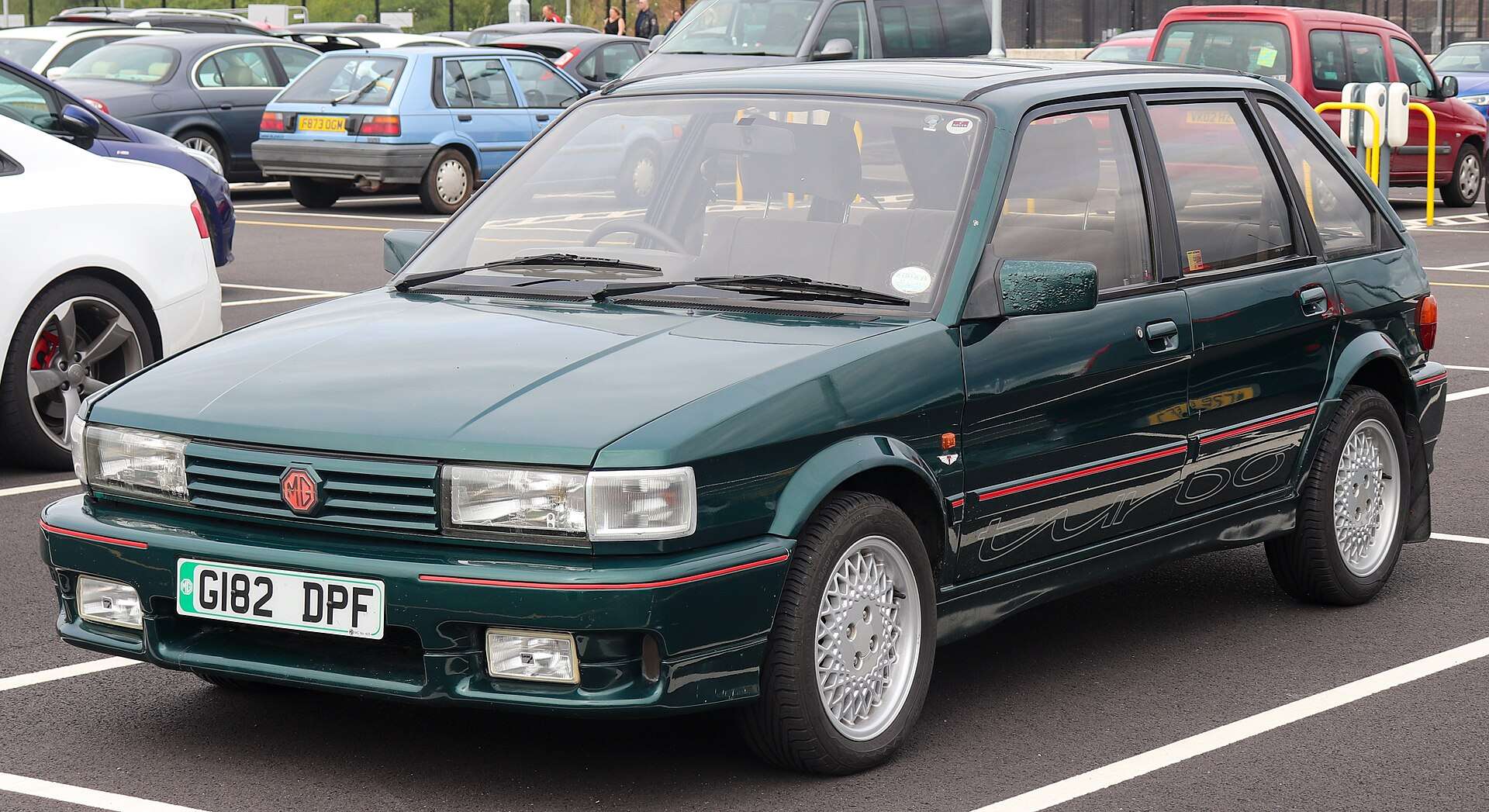
The Maestro began life as a practical British Leyland family hatchback. The Turbo arrived at the end of the model’s performance story, unveiled at the 1988 Birmingham Motor Show and put into production in 1989. It used a turbocharged 2.0-litre engine with 152 bhp and was finished through Tickford’s specialist operation.
Only 505 cars were made, including the press allocation. That small run, plus the distinctive styling and period engineering, makes a genuine Maestro Turbo very different from an ordinary MG Maestro with later modifications.
Why Tickford matters
Tickford’s involvement was central rather than cosmetic. The finishing programme included the dramatic body treatment: deep bumpers and driving lamps, side skirts, a roof-level rear spoiler and Turbo graphics. Period colour choices were Flame Red, British Racing Green, Diamond White and Factory Black. Correct original parts are therefore important to both the appearance and credibility of a surviving car.
Performance and character
The quoted 152 bhp and the light, practical hatchback body gave the Maestro Turbo serious pace for its day. It is not a refined modern hot hatch; its appeal is the contrast between ordinary-family-car packaging and an unexpectedly forceful turbocharged response. A good car should feel purposeful and well maintained rather than simply loud or heavily modified.
Buying guide: what to check
1. Prove it is a genuine Maestro Turbo
Start with identity, chassis information, V5C details, factory specification and a paper trail. The limited production run means provenance matters. Ask for historic photographs, restoration invoices and evidence linking the car to its original Turbo specification.
2. Look for complete Tickford details
Inspect the body kit, bumpers, spoiler, lights, graphics, wheels and interior carefully. Missing or incorrect parts may be harder to replace than routine mechanical components. A complete but tired original car can be a better starting point than a polished example with its important details missing.
3. Prioritise structure
Examine sills, floors, inner wings, wheelarches, suspension mounts, bulkhead areas and any previous repairs. Corrosion or poorly executed restoration work should change the decision quickly, regardless of the badge or claimed rarity.
4. Assess turbo engine health
Start from cold and let it reach temperature. Look for oil leaks, smoking, boost problems, overheating, poor idle and improvised plumbing. Seek evidence of thoughtful servicing rather than accepting vague statements about a rebuild.
5. Check suspension, brakes and steering
Road-test the car properly. It should not pull unpredictably, feel loose under acceleration or show brake imbalance. Ageing bushes, tyres, dampers and neglected brake components can hide the car’s intended character.
Ownership reality
The right Maestro Turbo is a fascinating rare performance car, but it should be approached as a specialist preservation project. Buy on completeness, structure and documentation first. A recognised specialist inspection is sensible when a car’s history or originality is unclear.
More Forgotten 1980s Performance Cars
Continue through the Forgotten 1980s hub, or compare the Maestro’s British approach with the Renault 5 GT Turbo and Fiat Uno Turbo i.e..
Image credits
1990 MG Maestro Turbo: Cactuseasy, CC BY-SA 4.0, via Wikimedia Commons.