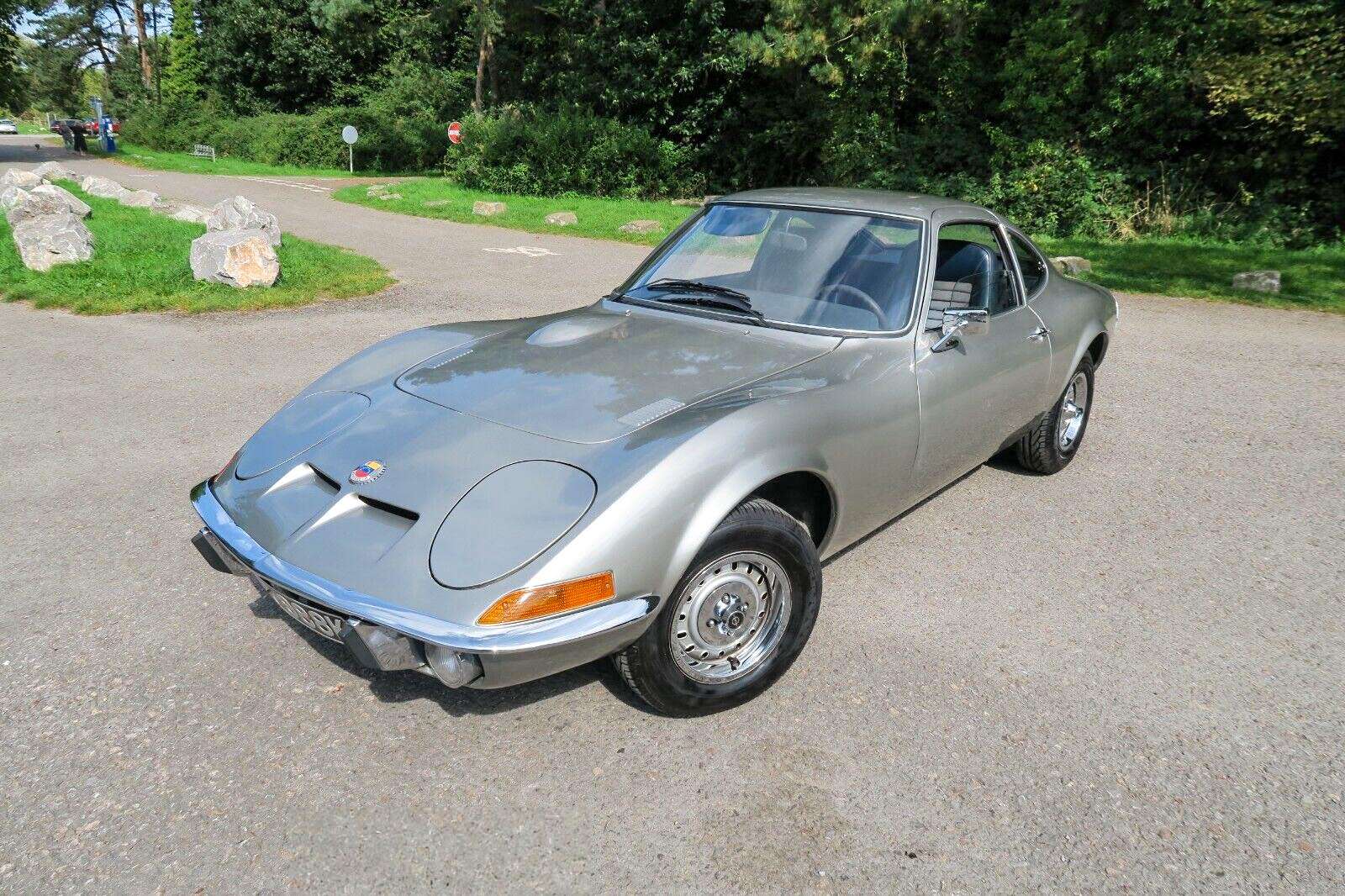
The Opel GT 1900 is one of the most distinctive European sports cars of the late 1960s and early 1970s. Its long bonnet, tightly curved glass and unusual rotating headlamps earned it the familiar “baby Corvette” nickname, yet beneath the dramatic body sat simple, durable Opel mechanicals. Only a very small number came to Britain, making a genuine UK-market survivor a rare sight today.
This guide covers the Opel GT’s UK history, 1.9-litre specifications, model differences, common problems and the checks that matter when buying or restoring one.
Opel GT history
Opel previewed the shape as the Experimental GT at the 1965 Frankfurt Motor Show. Production began in 1968, with the steel bodies produced in France by Brissonneau & Lotz before final assembly in Germany. The proportions looked exotic, but the platform, suspension and engines were derived from mainstream Opel models, keeping the car affordable and serviceable.

Early buyers could choose a 1.1-litre OHV engine or the much more useful 1.9-litre cam-in-head unit. The 1100 disappeared after 1970 and the 1900 became the definitive version. A simplified GT/J followed in 1971 with less brightwork and plainer trim. Production ended in 1973 after just over 103,000 examples, most of which were sold in North America.
Was the Opel GT sold in the UK?
Yes, but only in exceptionally small numbers. Contemporary UK sources record 148 official imports, all left-hand drive. That limited its appeal beside the Ford Capri and Datsun 240Z, but it also explains why an Opel GT attracts so much attention at a British classic-car show today.
Some cars now in Britain are later imports from continental Europe or the United States. A left-hand-drive layout is therefore normal rather than evidence of a conversion. What matters is the car’s identity, specification and restoration history.
Opel GT 1900 specifications
| Engine | 1,897cc inline four, cam-in-head |
| Power | Approximately 88–90bhp |
| Torque | Approximately 110lb ft |
| Transmission | Four-speed manual; three-speed automatic optional |
| Drive | Rear-wheel drive |
| Kerb weight | About 940–970kg |
| 0–60mph | About 10.5–11 seconds |
| Top speed | Approximately 115–116mph |
| Production | 1968–1973 |
What is an Opel GT like to drive?
The GT is more of a compact grand tourer than an outright performance car. Its low weight, rear-wheel drive and accurate steering make it entertaining on a flowing road, while the long-legged 1.9-litre engine suits relaxed touring. The manual gearbox is preferable for involvement; the rare automatic is smooth but blunts acceleration.
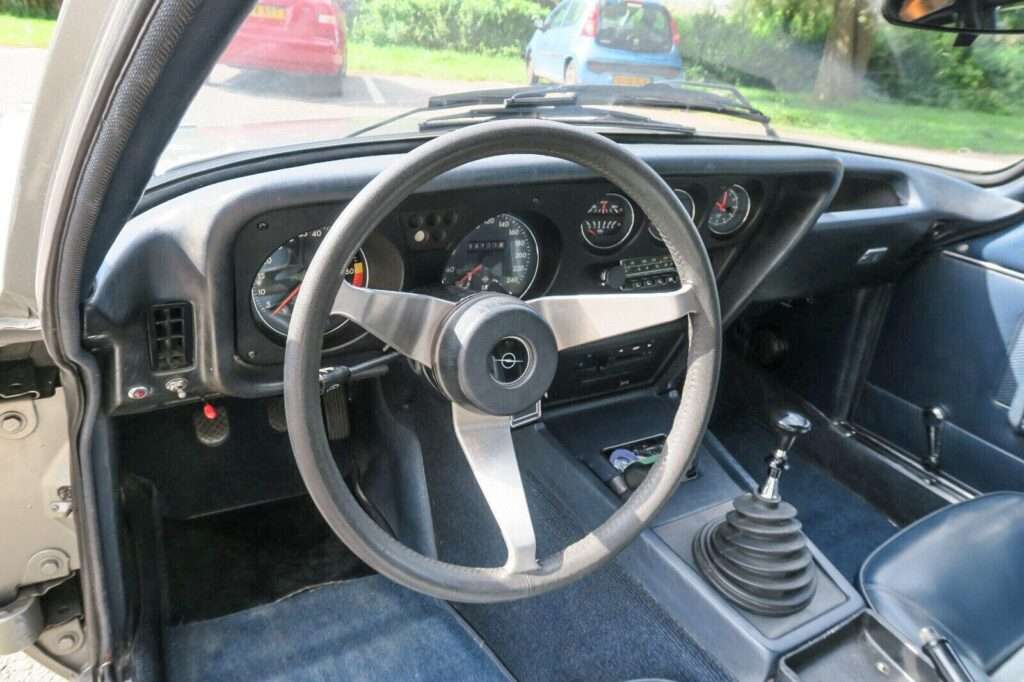
The cabin is snug and the luggage area sits behind the seats, accessed from inside because there is no external tailgate. Visibility is better than the dramatic styling suggests. The mechanically operated headlamps rotate sideways with a lever beside the gear selector and are one of the car’s most memorable features.
Opel GT common problems
Rust and previous repairs
Corrosion is the decisive issue. Inspect the sills, floorpans, wheelarches, front and rear valances, battery area and the structure inside the front wheelarches. Pay particular attention to the bulkhead and the horizontal ledge above the front suspension area. Repairs here can become a major body restoration rather than a simple cosmetic job.
Check around the fuel filler, rear panel and windscreen aperture, then look underneath for distorted seams, fresh underseal or plating over older rust. Replacement mechanical parts are obtainable, but model-specific body and trim pieces can be expensive and slow to source.
Engine and cooling system
The 1.9-litre CIH engine is robust when serviced. Listen for excessive timing-chain and valve-gear noise, check for low oil pressure, blue exhaust smoke and crankshaft rumble, and examine the cooling system for neglected hoses, sediment and overheating. The original Solex carburettor can be troublesome when worn or incorrectly adjusted, so many cars use a Weber conversion.
Rotating headlamps and electrics
Operate the lamps repeatedly. The mechanism should move both pods fully and without excessive force. Old wiring can crack where it flexes around the headlamp mechanism, creating unreliable lights and a potential fire risk. Poor earths, brittle connectors and improvised repairs are also common on cars that have passed through many owners.
Gearbox, axle, steering and brakes
The four-speed gearbox and rear axle are generally dependable. Listen for bearing noise, crunching synchromesh and differential whine, then check for play in the steering and tired suspension bushes. A car that wanders, sits unevenly or wears tyres irregularly may be hiding worn components or previous accident damage. Brake parts are simpler to source than GT-specific trim, but seized calipers and aged flexible hoses are typical after long storage.
Interior and originality
Sun-damaged dashboards, cracked steering wheels, worn seat trim and missing instruments are difficult to correct cheaply. Confirm that the chassis number matches the documents and establish whether the engine, gearbox, colours and trim agree with the claimed model. American-market cars can differ in lighting, instruments and emissions equipment.
Opel GT 1100, 1900 or GT/J?
- GT 1100: the rarest production version, but noticeably slower and less relaxed at modern road speeds.
- GT 1900: the best all-round choice, with stronger performance and the broadest parts support.
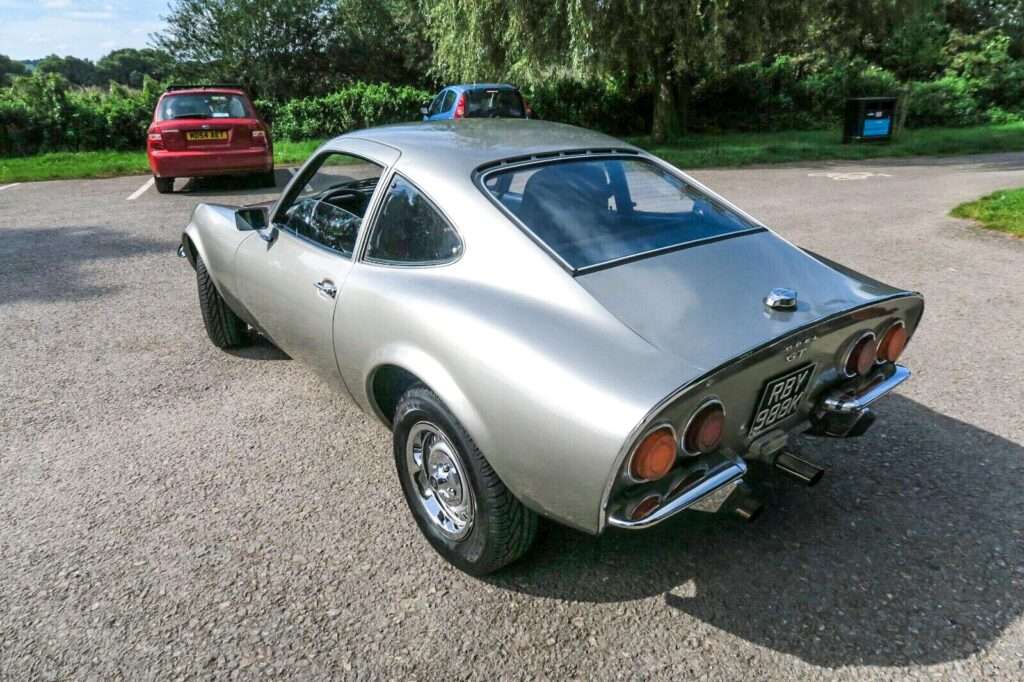
- GT/J: a later, simplified 1.9-litre model with reduced brightwork and plainer equipment; rarity and originality can make it collectible.
Opel GT buying checklist
- Inspect the complete shell on a lift, especially structural front-wheelarch sections and sills.
- Confirm identity, history and whether the car is a European or US-market example.
- Test the rotating headlamps and examine their wiring.
- Start the engine from cold and watch oil pressure, temperature and exhaust smoke.
- Check gearbox synchromesh, axle noise, steering play and braking stability.
- Price missing GT-specific trim before agreeing a deal.
- Prefer a documented, properly restored car over a cheaper incomplete project.
Is an Opel GT 1900 a good classic buy?
A sound GT is stylish, usable and mechanically straightforward. Its rarity in Britain gives it far more presence than its modest output suggests. The catch is bodywork: buying the cheapest car is rarely economical if structural corrosion, missing trim or poor restoration work is involved. Choose on condition and documentation first, originality second and specification third.
Frequently asked questions
How many Opel GTs were sold in the UK?
Published UK buying guides record 148 official imports. All were left-hand drive, and additional cars have since arrived as private imports.
Why is the Opel GT called a baby Corvette?
The nickname comes from its long-bonnet, short-tail proportions and curving body, which resemble the contemporary Chevrolet Corvette. The Opel is smaller and uses four-cylinder running gear.
Are Opel GT parts available in the UK?
Routine engine, ignition, brake and suspension parts are available through Opel specialists and European suppliers. Body panels, dashboards, trim and headlamp components require more effort, so completeness matters.
More rare Opel guides
Explore more unusual British-market Opels in our rare and performance Opel hub, or browse the complete Rare & Forgotten Cars collection.
Research sources
This guide was cross-checked against period specifications and specialist material from Auto Express, Hagerty UK and Opel GT specialist documentation.