UNUSUAL CARS MODEL GUIDE
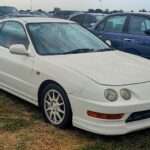
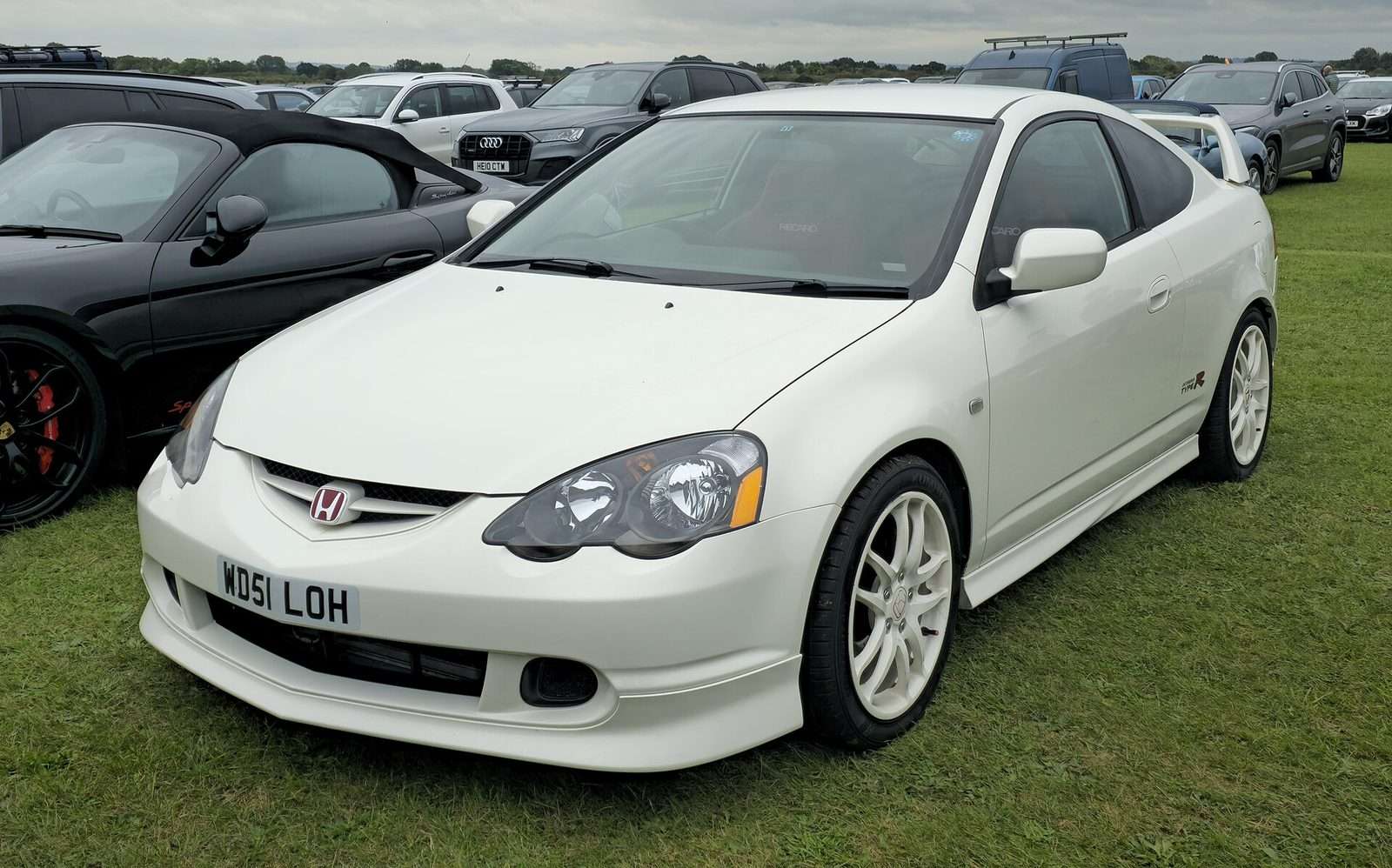
The Honda Integra Type R DC5 is the second-generation Integra Type R, launched in Japan in 2001. It replaced the DC2’s 1.8-litre B-series engine with a 220PS 2.0-litre K20A, added a close-ratio six-speed gearbox and combined greater body rigidity with Brembo front brakes and a helical limited-slip differential.
Quick answer: the genuine Japanese DC5 Type R was not officially sold in Britain. UK cars are imports, and it should not be confused with the less focused Integra iS or later Type S.
From DC2 to DC5
Honda did not attempt to reproduce the DC2 unchanged. The new Integra was larger and more rigid, used a different front-suspension design and adopted the K-series engine architecture. Honda quoted improvements of 35 per cent in bending rigidity and 116 per cent in torsional rigidity compared with the previous Type R.
The Type R retained the essential purpose of the badge. Aluminium components reduced unsprung weight, suspension and steering mountings were stiffened, and the body received additional reinforcement. The result was a more substantial car whose precision came from rigidity, braking and drivetrain response rather than very low mass alone.
K20A engine and six-speed transmission
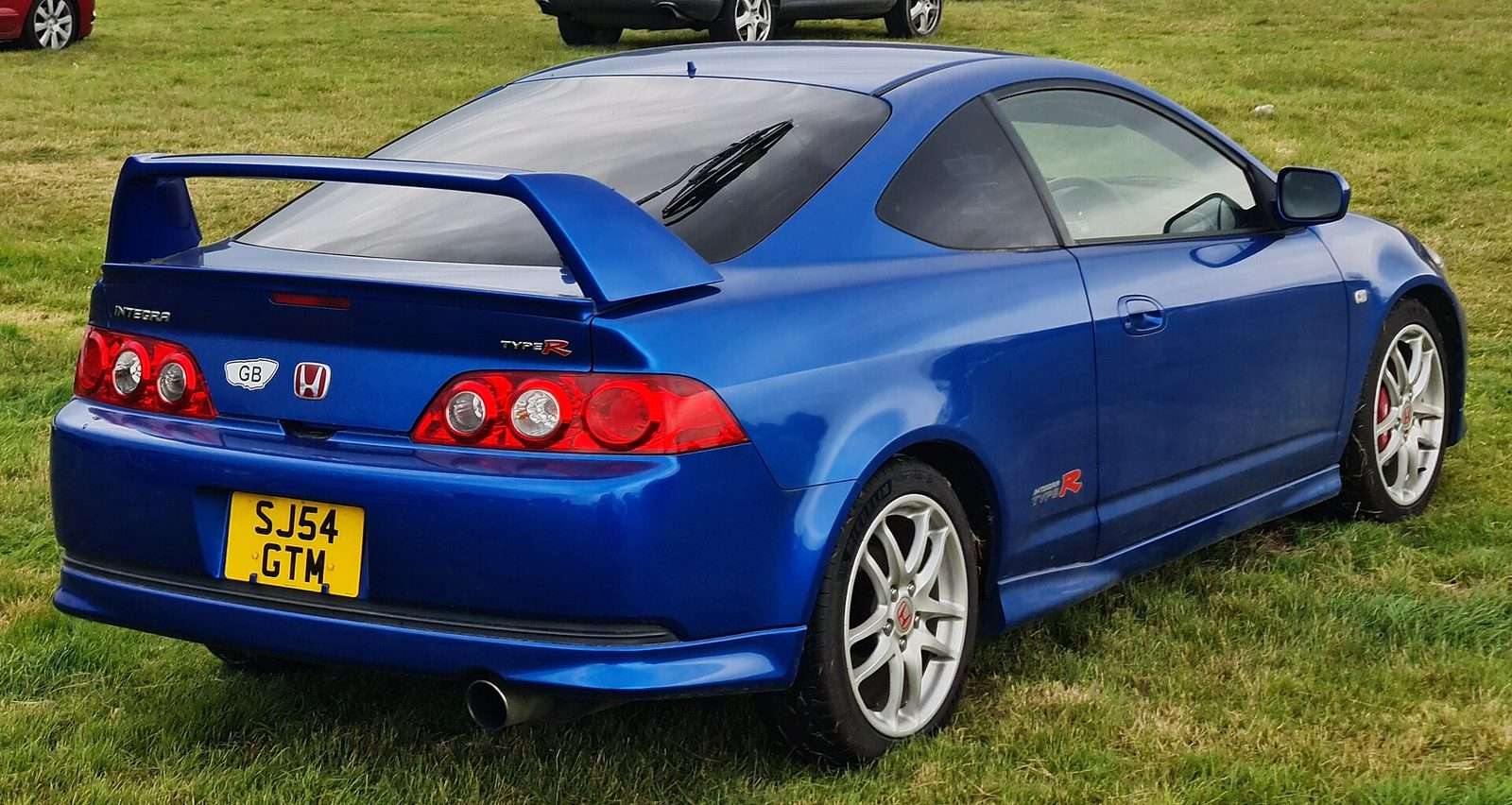
The Japanese-market K20A combines high-lift VTEC operation with continuously variable intake-cam timing. Honda rated it at 220PS. The engine uses high-strength internal components, a low-inertia flywheel and carefully developed intake and exhaust systems to maintain response at high engine speeds.
The six-speed manual uses multiple-cone synchromesh across the forward ratios and works with a torque-sensitive helical limited-slip differential. Honda also fitted four-piston Brembo front calipers, larger ventilated discs and dedicated brake cooling.
| Version | Key distinction |
|---|---|
| 2001–04 Type R | Original front and rear styling; 220PS K20A and six-speed manual |
| 2004–06 facelift Type R | Revised lamps, bumpers and detail chassis and equipment changes |
| iS / Type S | Related road versions without the complete Type R engine, brakes and chassis package |
| C Package | Optional convenience equipment on Japanese Type R cars; confirm the individual specification |

Pre-facelift and facelift DC5
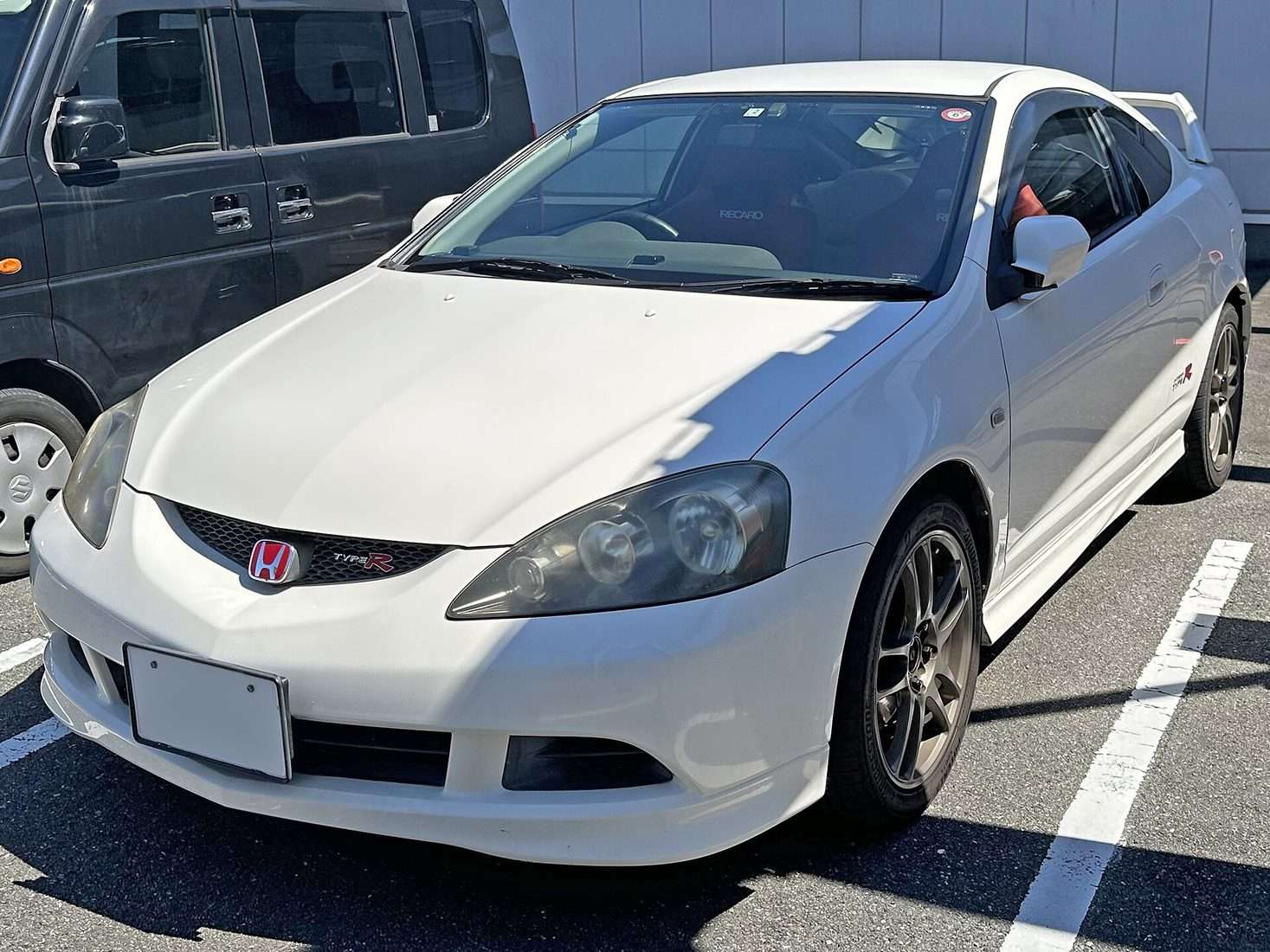
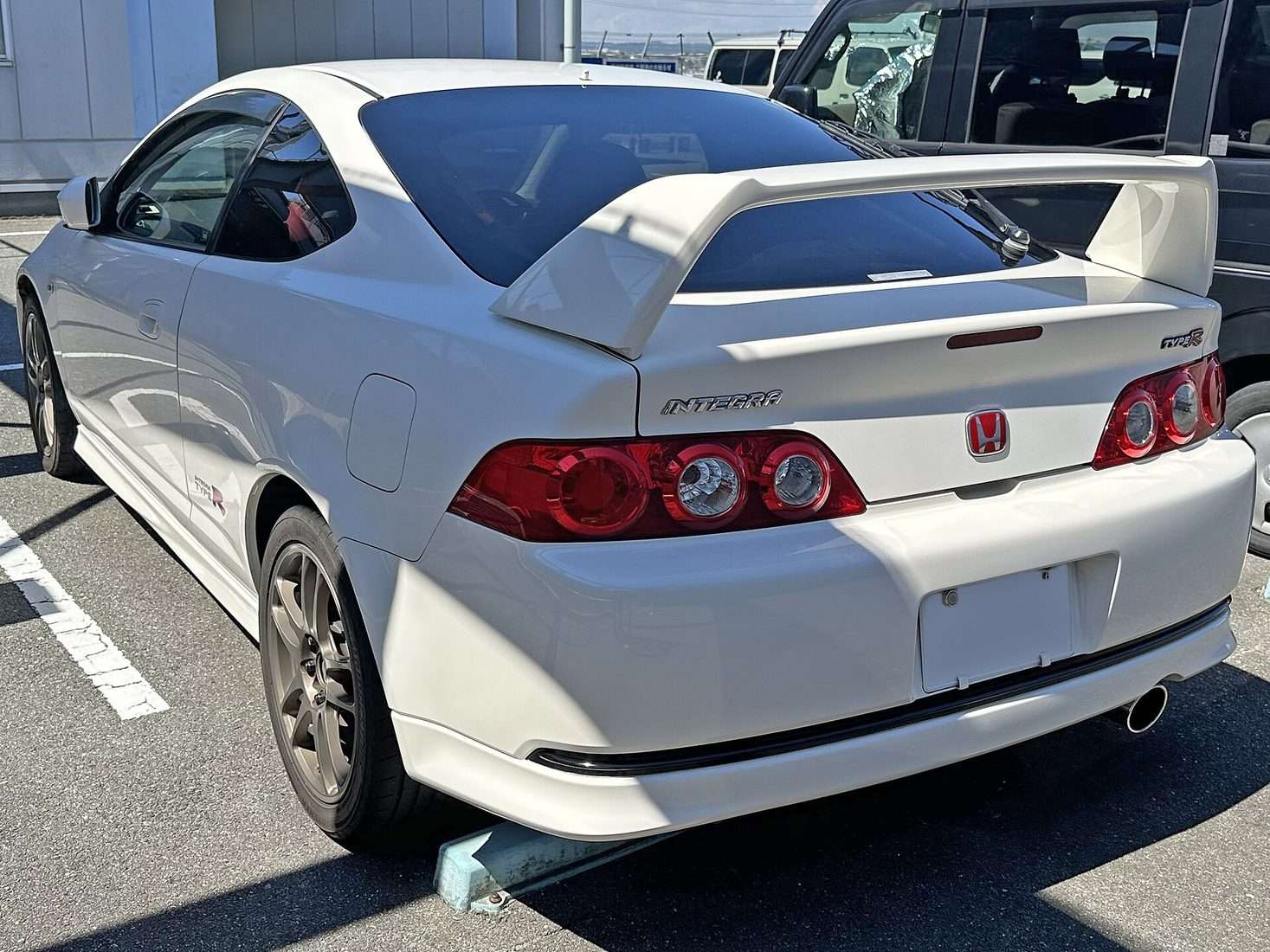
The 2004 facelift is easiest to recognise by its revised headlamps, rear lamps and bumpers. Detail suspension and equipment changes accompanied the restyle, but both phases use the same basic Type R formula. Condition, originality and import history matter more than assuming one phase is categorically superior.
Imported DC5s often acquired wheels, suspension, exhausts and engine-management changes in Japan or Britain. That can suit a track-focused buyer, but the baseline must remain clear: modified specification should be documented rather than presented as factory equipment.

Love cars you don’t see every day?
Get forgotten cars, surprising motoring stories and the most interesting finds from Unusual Cars by email.
Free to join. No spam. Unsubscribe whenever you like. See our privacy policy.
Honda Integra Type R DC5 buying guide
Import and identity checks
Verify the DC5 chassis identity, Japanese auction or export records where available and the UK registration history. Confirm that it is a Type R rather than an iS or Type S converted with exterior parts.
K20A condition
Check oil level and service history, listen for chain or tensioner noise and inspect for smoke, leaks and overheating. Valve-clearance maintenance and correct-quality oil matter. Engine modifications should be supported by mapping and parts records.
Gearbox, LSD and driveshafts
Test every ratio cold and hot, concentrating on second and third gear. Listen for input-shaft, wheel-bearing and driveshaft noise. Clutch and differential behaviour should be progressive rather than noisy or obstructive.
Structure, brakes and suspension
Look for accident repairs, floor or sill damage, corrosion around rear arches and seams, seized brake components and worn bushes or dampers. Uneven tyres or alignment can reveal track use or poorly repaired damage.
Why the DC5 matters
The DC5 records Honda’s transition from the B-series era to the K-series. It is more rigid, more powerful and mechanically more complex than the DC2, yet it preserves the naturally aspirated response, short gearing and front-drive discipline that defined early Type Rs.
Research sources
- Honda: 2001 Integra and Type R launch
- Honda: Type R development history
- Honda Heritage: development of VTEC
Continue the Honda story
Explore the Rare & Performance Hondas hub, then read the Integra Type R DC2 guide or the Civic Type R EP3 guide.
Frequently asked questions
What does DC5 mean?
DC5 is the chassis code used for the fourth-generation Integra, including the Japanese-market Integra Type R launched in 2001.
How much power does the Integra Type R DC5 have?
Honda rated the Japanese 2.0-litre K20A Type R engine at 220PS.
Was the DC5 Type R officially sold in Britain?
No. British DC5 Type Rs are Japanese-market imports, so identity and import documentation require careful checking.
What is the difference between a DC5 Type R and Type S?
The Type R has the dedicated 220PS engine specification, Brembo front brakes, helical LSD, close-ratio six-speed gearbox and extensive chassis changes. The Type S is a less focused related model.
What should be checked before buying a DC5?
Check import identity, accident repairs, K20A oil and chain maintenance, gearbox synchromesh, LSD and driveshaft condition, brakes, suspension and the quality of modifications.