UNUSUAL CARS MODEL GUIDE
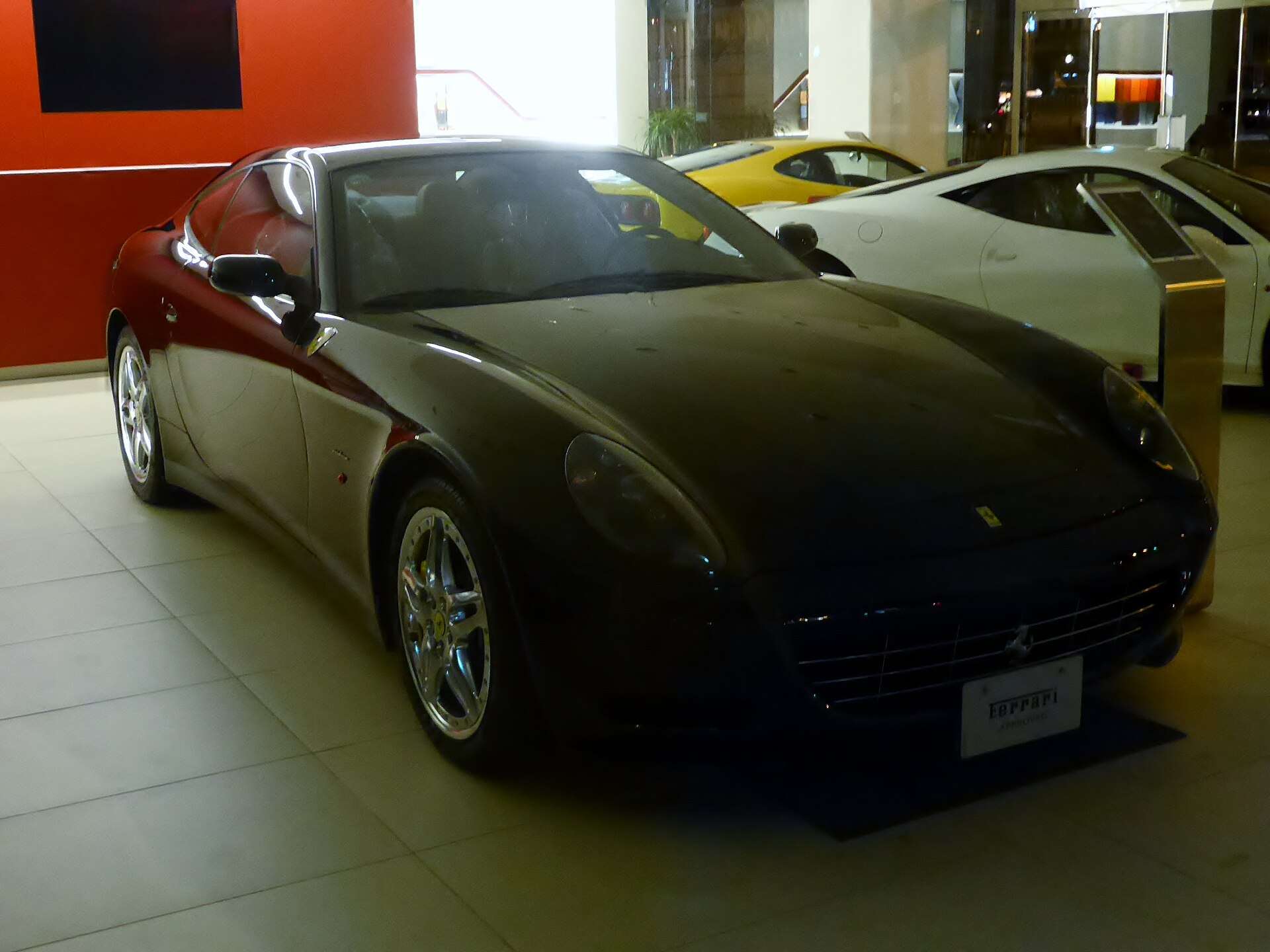
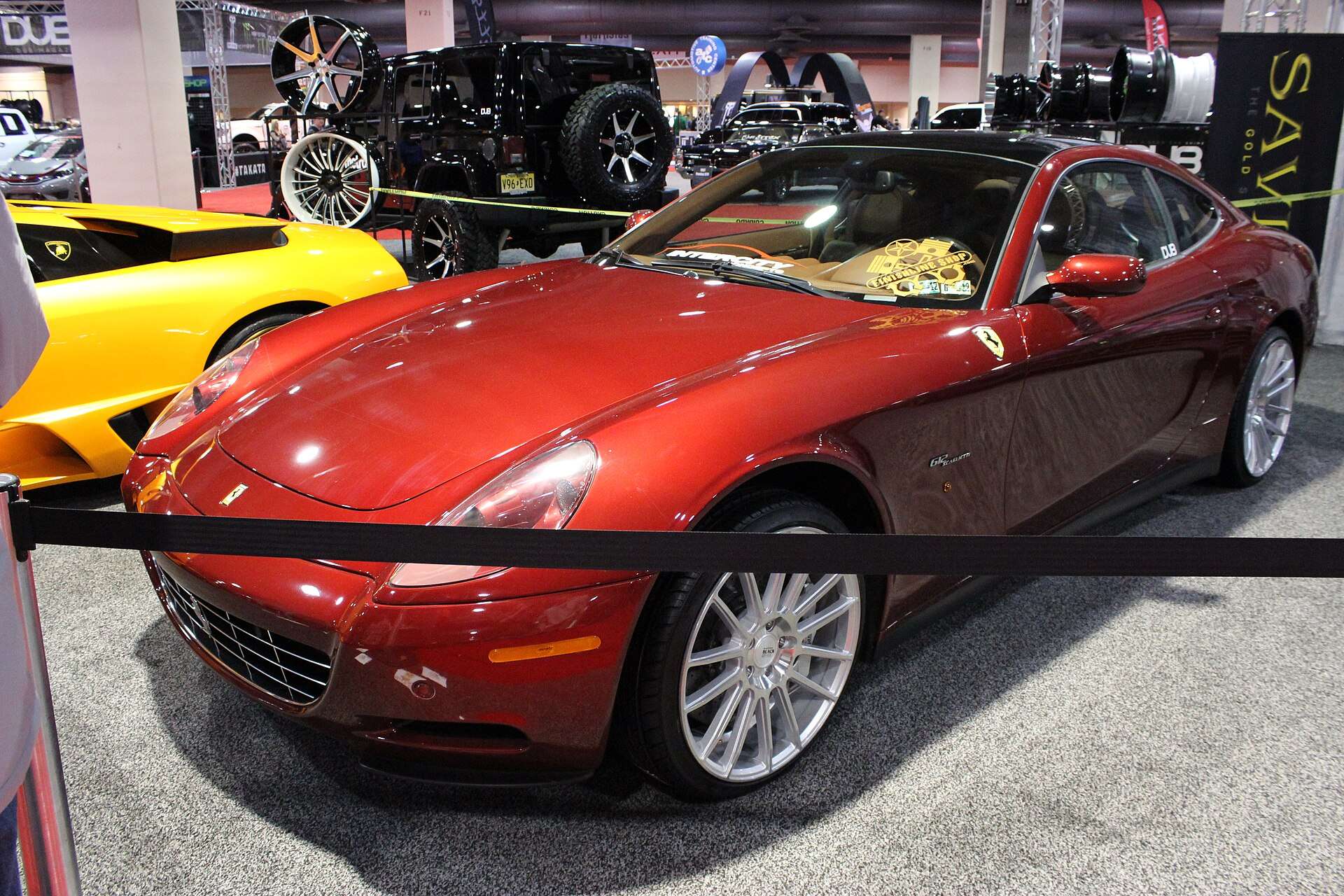
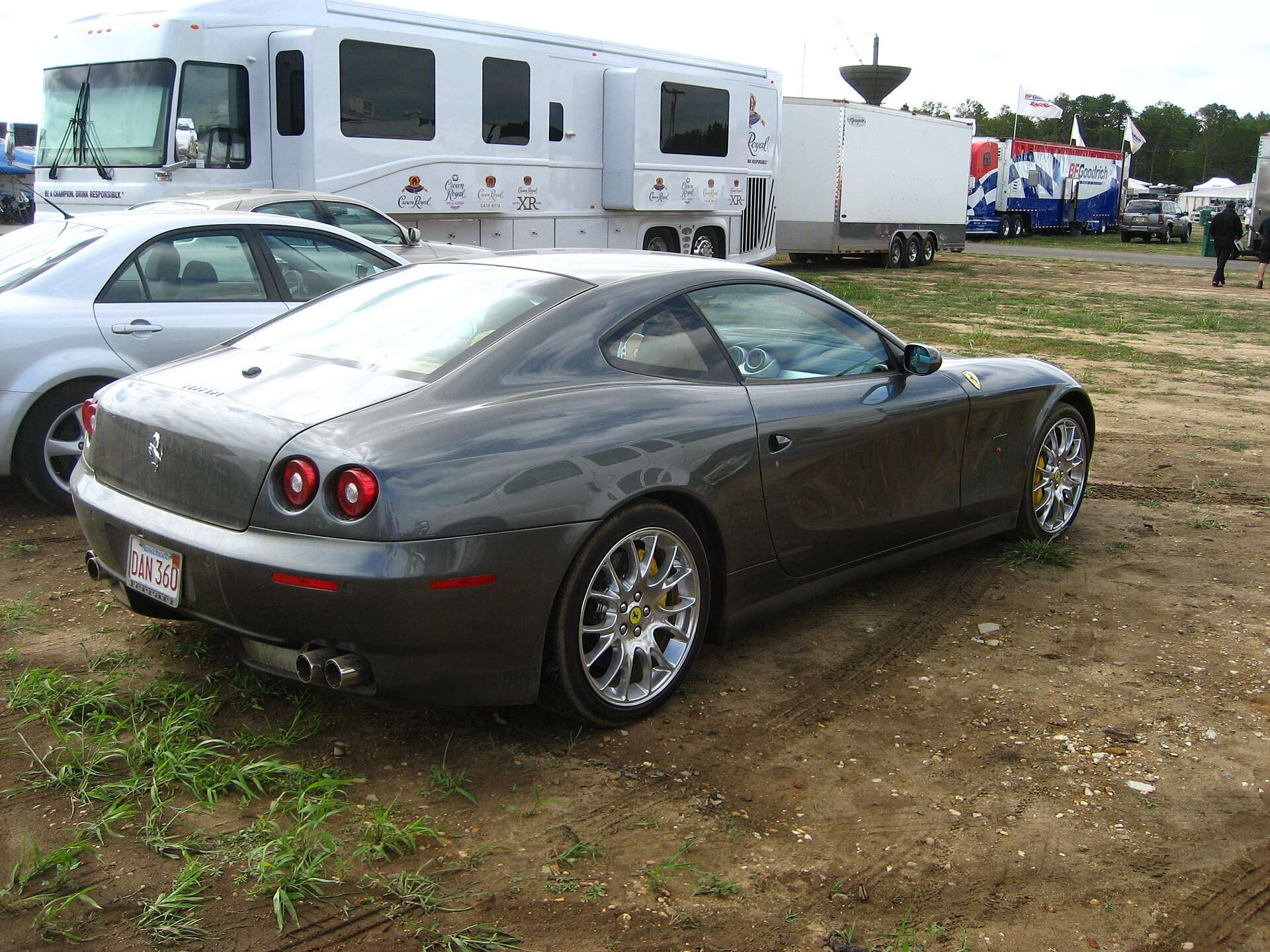
The Ferrari 612 Scaglietti was a full four-seat, front-engined V12 grand tourer built from 2004 to 2011. It replaced the 456M with an aluminium spaceframe, a 5.75-litre engine, transaxle layout and much more usable rear accommodation, while its name honoured coachbuilder Sergio Scaglietti.
Quick answer: the 612 is robust when serviced properly, but neglect is expensive. Before buying, identify the exact specification—manual or F1A, standard, HGTS, HGTC, Sessanta or later One-to-One—and obtain a diagnostic scan and specialist inspection covering cambelt history, clutch wear, transmission hydraulics, suspension, brakes, aluminium body, electrics and complete maintenance records.
Featured image: blue Ferrari 612 Scaglietti front three-quarter. Photograph by Calreyn88, CC BY-SA 4.0, via Wikimedia Commons; locally hosted.
A Ferrari for four adults
Pininfarina placed the V12 behind the front axle and the gearbox at the rear, helping the large 2+2 achieve balanced weight distribution. The body’s scalloped flanks were inspired by the one-off 375 MM made for Ingrid Bergman, while the long roof and wheelbase created genuine rear-seat room rather than emergency accommodation.
The aluminium structure was developed with Alcoa. It reduced mass relative to a comparable steel shell and gave Ferrari a stiff platform for adaptive suspension. Cabin specifications varied enormously through Ferrari’s personalisation programme, so colour, leather, stitching, luggage, audio, glass roof and trim should be checked against the build record.

Specifications and versions
| Specification | Ferrari 612 Scaglietti |
|---|---|
| Engine | 5,748cc 65-degree naturally aspirated V12 |
| Power | 540hp at 7,250rpm |
| Torque | 588Nm at 5,250rpm |
| Transmission | Six-speed manual or six-speed F1A transaxle |
| 0–100km/h | 4.2 seconds |
| Maximum speed | More than 315km/h |
Most cars use the paddle-operated F1A single-clutch transmission; factory manuals are rare and need careful authentication. HGTS brought firmer suspension calibration, wheels and exhaust changes, while HGTC added carbon-ceramic brakes. The 60-car Sessanta marked Ferrari’s sixtieth anniversary. From 2008, the One-to-One programme brought an updated electrochromic roof, revised transmission software and extensive individual specification.
Love cars you don’t see every day?
Get forgotten cars, surprising motoring stories and the most interesting finds from Unusual Cars by email.
Free to join. No spam. Unsubscribe whenever you like. See our privacy policy.
History and specification checks
Match the chassis number, original market, colours and options to factory or dealer information. Confirm whether a claimed HGTS, HGTC, HGT2, Sessanta or One-to-One car has the correct equipment. A gated manual conversion is not a factory manual, however neatly executed. Books, tools, tyre inflator, battery conditioner, keys and optional luggage all matter.
Annual servicing and evidence of proper cambelt changes are more important than a low odometer. The V12 uses belts rather than chains, and the work must be documented by date and mileage. Review invoices for clutch replacement, hydraulic components, suspension, brakes, tyres, fuel pumps and electrical repairs. Long storage can damage seals, batteries and fuel-system parts.

Body, chassis and cabin
Inspect the aluminium panels and frame for accident repairs, corrosion where dissimilar metals meet, bubbling around seams and paint differences. Check the long nose, undertrays and jacking points for grounding. Headlamps can collect condensation, while large wheels are vulnerable to cracks and buckling. Tyre brand, specification and age should be consistent across an axle.
Inside, leather can shrink around the dashboard and rear shelf, while soft-touch coatings become sticky. Test both climate zones, seat motors, windows, mirrors, audio, parking sensors, alarm, instruments and the electrochromic roof where fitted. The TFT display and pixel-based instruments must be clear. Make sure rear seats, belts and boot trim have not been damaged by careless loading.

Engine, F1 transmission and suspension
Start cold and check oil pressure, idle quality, exhaust smoke and warning lights. Inspect for leaks, deteriorated hoses, cracked fuel-pump housings, weak engine mounts and cooling-system work. A diagnostic report should identify stored faults and show whether maintenance claims agree with the electronic record.
On F1A cars, obtain a measured clutch-wear reading and test first, reverse and hot low-speed operation. Slow selection, harsh engagement or constant hydraulic-pump cycling needs investigation. Rare manuals should have clean synchromesh and correct linkage. Ball joints, bushes and adaptive dampers wear on this heavy car. Carbon-ceramic discs on HGTC-equipped examples must be measured for condition; conventional discs should be checked for lip, vibration and corrosion.
Sources and further reading
- Ferrari: 612 Scaglietti archive and specifications
- PistonHeads: Ferrari 612 used buying guide
- Car & Classic: 612 models, specifications and checks
- Ferrari Owners’ Club GB buying-guide resources
Continue the Ferrari story
Explore the complete Ferrari hub. Continue with the Ferrari 599 GTB Fiorano and Ferrari FF and GTC4Lusso.
Frequently asked questions
Does the Ferrari 612 Scaglietti have four usable seats?
Yes. Its long wheelbase and roofline provide substantially more adult rear-seat space than most Ferrari 2+2 models.
Was the Ferrari 612 available with a manual gearbox?
Yes, but factory six-speed gated manuals are rare; most cars use the six-speed F1A electrohydraulic transmission.
What are HGTS and HGTC?
They are handling packages. HGTS changes suspension, wheels and exhaust calibration, while HGTC also includes carbon-ceramic brakes.
Does the Ferrari 612 use cambelts?
Yes. The 5.75-litre V12 uses timing belts, so documented age-based replacement is a central maintenance check.
What should be inspected before buying a 612?
Check provenance and exact specification, then inspect the aluminium structure, cambelts, clutch and F1 hydraulics, suspension, brakes, tyres, electronics and interior trim.