
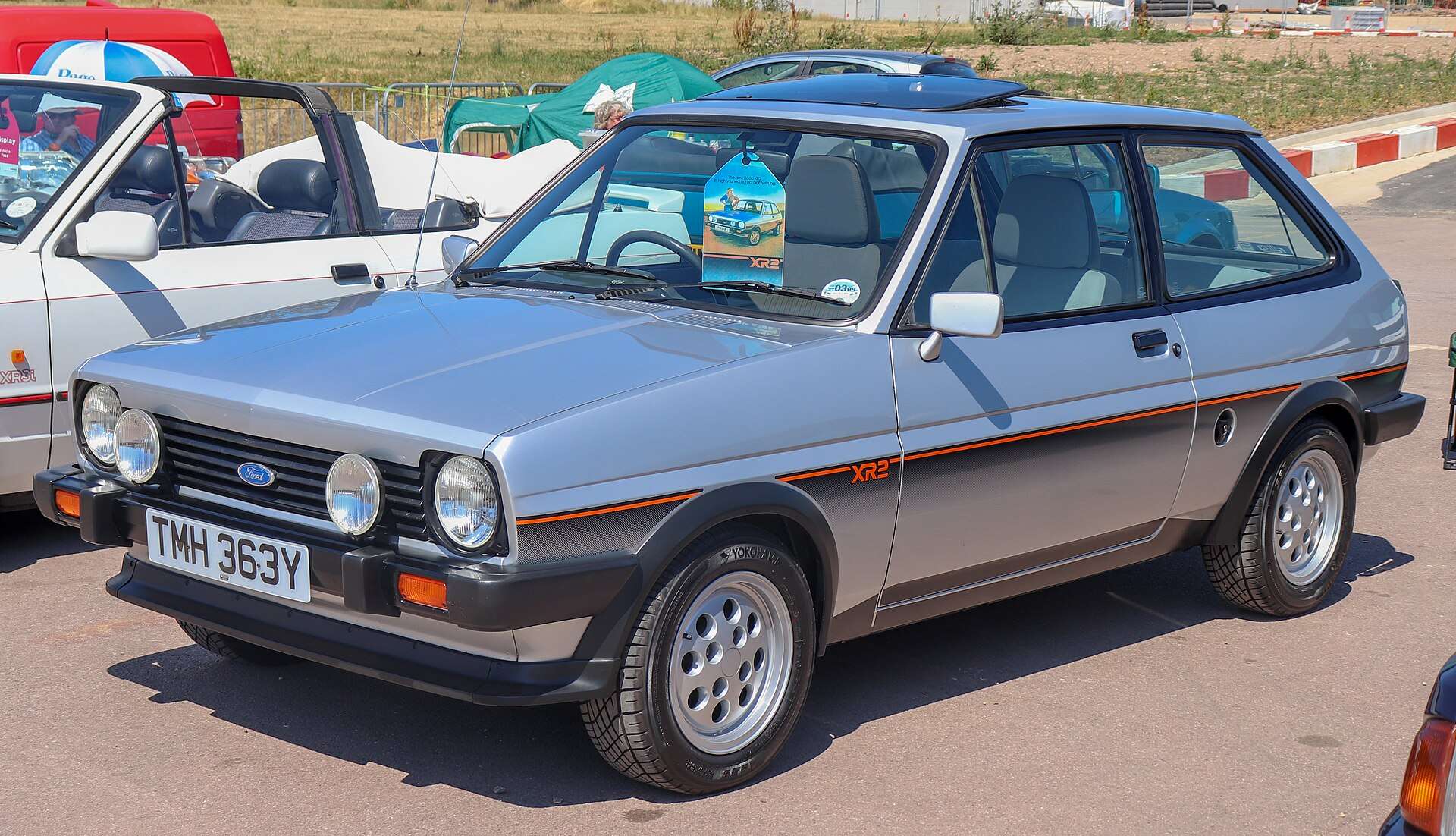
Fiesta XR2 Mk1 buying verdict
Buy on the strength of the shell, its provenance and how well the car suits your use. The Mk1 XR2 pairs a carburetted 1.6 Kent Crossflow with a four-speed gearbox. It makes sense as a small, direct classic, provided you can inspect the structure and source the parts it needs. Cars with complete period trim and convincing restoration records warrant a different comparison from an attractive project with fresh paint and little evidence.
Decide whether you want to drive it regularly or keep an original example. A properly repaired and accurately described driver can be more useful than a rare-colour car whose previous repairs are undocumented. If you want an original or restored car, verify its identity and scarce equipment before paying the premium. Set aside a budget for an independent body and mechanical inspection.
Featured photograph by Vauxford, Wikimedia Commons, CC BY-SA 4.0.
Verify the identity and Crossflow equipment
Ask for the original documents where available, build and stamped number photos, period pictures, old MOTs and invoices. Reconcile the chassis identity, engine and gearbox with the car you see. For an engine swap or a shell repair, ask exactly what changed and which details were recorded at the time. Ask the seller to explain discrepancies before you travel. Unexplained identity issues should be resolved before a deposit.
Look at the round headlamps and auxiliary lamps, arch pieces, bumpers, wheels, seats and instruments. Inspect the fixings and trim, and compare the actual items with dated pictures and period references. If original pieces come with the car, lay them out and check condition and completeness. A cracked housing or wheel that needs restoration still carries a cost. A reproduction piece can serve on a driver if you know what it is and how it fits.
In the engine bay confirm the Crossflow and record its carburettor, ignition, distributor and any changes. The Crossflow timing arrangement uses a chain. Do not use a later CVH cambelt checklist as if it applies. Check whether the fitted engine agrees with receipts, especially where a previous rebuild or a replacement gearbox is claimed. Ask who carried out the work and which components were replaced.

UK auction evidence: restoration spend and the car’s value
Iconic Auctioneers reports £27,563 for a 1983 Mk1 XR2 with 31,298 miles, a documented glass-out restoration and invoices amounting to more than £104,000. The auctioneer says the same car sold for just over £8,000 in 2019 in a different condition. The two outcomes describe the same car at different points, and the restoration receipts describe money spent. The results illustrate how little a restoration bill alone tells you about the likely resale value.
For an offer, look for verified Mk1 sales or dated asks with comparable body, mileage evidence, restoration scope and completeness. Put a sound driver, exceptional restoration and unknown project in different columns. Include fees consistently and record whether an advert is an ask or a completed result. Price structural work and parts availability from the car you are inspecting. A car that has stood may need recommissioning even if its original equipment is complete.
Shell and provenance inspection in order
Start at the front with the inner wings, chassis legs, front panel and suspension tops. Compare both sides and ask for pictures from before replacement panels were painted. A replaced front panel can be reasonable. Work at a mount or repeated repair requires a specialist’s assessment of metal and alignment. Check where seams join the original shell and how the structure was protected after work.
Move to the sill ends, jacking areas, footwells and floor seams. With the owner’s agreement lift mats and look at accessible inner edges. Check the areas behind arch and sill pieces for signs of cover-up, corrosion or incomplete finishing. If trim must come off, ask who is responsible for removal and refitting and what happens if the clips or old fittings break.
At the back check inner and outer arches, floor and spare-wheel well, rear mounting areas and brake lines. Follow evidence of water at the tailgate, glass and sunroof where fitted. A classic body specialist should show close and wide photographs of any previous repair and state which areas cannot be assessed. Ask for a quote that includes fitting, paint, protection and any expected trim work.
If an advert claims bare-metal restoration, ask for the strip-down pictures, parts list and invoices by stage. Compare the documented work with current seam and panel condition. If invoices refer to a different shell or the car has a changed identity, seek documented resolution before pricing originality. The purpose of the file is to show what was repaired and whether the rest of the car was inspected.

Cold Crossflow, cooling and four-speed road test
Ask for the first start of the day and let the owner show the normal choke and start procedure. Check that the oil warning goes out and listen for persistent noise as idle settles. Watch smoke and look for oil or coolant leaks. If pressure is a concern, ask the workshop to measure it as appropriate once warm. A noisy engine needs diagnosis before you budget for a timing chain, oil pump or rebuild.
Warm the engine normally and note whether idle, fuelling or ignition symptoms change with temperature. Test the hot restart and observe temperature in traffic and at a stop. Ask for service history on radiator, hoses, fan and ignition. Get separate diagnosis of repeatable overheating or coolant loss. An easy cold start does not establish the state of the cooling system during use.
During a legal road test note clutch take-up and whether the four-speed selection is consistent. Listen at similar speeds in different gears and on gentle power and overrun. Ask a shop to check linkage, mounts, joints and bearings before naming a gearbox fault. Verify steering, tyre condition and straight braking and inspect the brake equipment actually fitted. Age or storage can leave tyres or brakes needing work even when the tread and paint look good.

Crossflow maintenance and UK fitted costs
Burton Power lists its FP618K Ford Crossflow chain and sprocket set at £48.00. Use it as a parts reference if timing wear is diagnosed, with fitment and contents confirmed against the installed engine. Ask separately about seals, cover condition and fluids. This is a repair example. On an otherwise healthy car, check routine service items rather than treating a generic cambelt due date as the basis for an offer.
The fitted examples use Village Classic Cars’ published £90 hourly rate including VAT. Labour hours are illustrative allowances, with parts, consumables, availability and exact fitment to be confirmed by the workshop.
| Job | Parts or labour basis | Worked allowance |
|---|---|---|
| Timing chain and sprockets if needed | £48.00 set and 3–5 hours at £90 | £318–£498 before seals, fluids and any omitted work |
| Initial hot running or noise diagnosis | 1–2 hours at £90 | £90–£180 before additional testing or repair |
| Brakes and charging | Confirm calipers, hubs, alternator and existing wiring | Ask for fitted parts and labour. Include testing and any old hardware that must be replaced |
Hidden costs and a worked offer
Say a car needs confirmed chain work and is £650 below a comparable driver. At the upper worked estimate of £498, £152 of the gap remains before seals, fluids or trim. If it also needs one £90 diagnostic hour for a separate hot-start problem, only £62 remains. Get actual estimates and compare the shell evidence. A car with a missing original wheel or unresolved mount repair may need a much larger provision than the purchase-price gap.
Get independent quotes for major metalwork and locate important parts before buying a dismantled car. Ask whether scarce lamps, wheels and panels can be repaired, replaced or sourced in a condition you would accept. Include paint, fitting and storage. For a car with a replaced engine or different carburettor, identify insurance and future servicing costs before counting it as an equivalent to an original car.
At collection keep the condition photographs, invoices, mileage chronology and list of spares. Make a note of the exact engine, gearbox, charging and brake parts. Ask the workshop to photograph repaired or monitored areas and record the oil, ignition and cooling baseline during the first service. The next buyer will be able to follow the same chain of evidence.
Mk1 XR2 viewing checklist
- Verify stamped identity and the Crossflow and gearbox fitted. Ask about any shell or engine replacement.
- Check trim and included spares and request a body inspection with photographs of mounting points.
- Observe the true cold start, hot restart, four-speed selection, brakes and steering.
- Separate known repairs from unknowns and make the offer conditional where scope or provenance cannot be confirmed.
Mk1 XR2 UK sale comparisons and recommissioning
| UK example | Published figure | What a buyer can use it for |
|---|---|---|
| 1983 restored Mk1 XR2, Iconic Auctioneers | £27,563 reported sold | Exceptionally documented restoration. Read the scope before comparing with an ordinary driver. |
| 1983 XR2, Mathewsons, June 2026 | £20,750 reported sold | Catalogue described 21,823 miles, storage since 1993 and original tyres. Allow for safe recommissioning. |
| 1983 XR2, Mathewsons, October 2026 | £13,250 reported sold | Catalogue described 65,000 miles showing. A separate example to compare on documentation and current condition. |
Check an unrestored car and a restored car differently
The June Mathewsons example is useful for understanding the value and cost of preservation. Its catalogue described long storage and original tyres. Old tyres may be important to the historical file while a workshop can advise on what is safe for road use. Put tyre, brake, fluid, fuel and cooling checks into a written recommissioning scope. Establish what the car will need to run and stop safely before treating the auction figure as the total cost of a usable example.
For a bare-shell restoration, ask to see the original identity and photos from before dismantling, in bare steel and after repair. Compare the photos with invoices for panels, work and paint. If parts are described as new old stock, check what is documented and whether the actual pieces match. Ask the shop to look around joints and edges for how the replacement panels were aligned and protected. A tidy restoration can be valuable with this evidence, but the amount spent does not set what the next buyer will pay.
For a genuine driver with old repairs, get a condition report focused on how the car can be used now. Ask which areas are sound, where a previous repair needs monitoring and what should be addressed before driving. A driver with smaller repairs clearly recorded can suit regular use. If two cars differ chiefly in originality, decide which parts you would actually keep and what you would need to source or reinstate.
Price the rare pieces without buying them twice
Ask the seller to list the lamps, mounts, wheels, arch and bumper pieces, interior trim and keys that are included. Check left and right parts and their fixings. Photograph marks and condition before looking up a replacement. Get a repair estimate if a correct part is cracked or has a broken mount. On a collector-standard car, verify whether a replacement is the finish and specification you want. On a driver, confirm it fits and is serviceable.
If the seller offers several boxes of spare parts, separate what you need now from items that are incomplete or of unknown origin. Check what was removed during a rebuild and ask whether it still fits the car. Put any agreed spares on the receipt. A cheaper example that needs hard-to-find trim and brackets can take months to reach the standard you intended, even after the mechanical work is complete.
A Crossflow cooling quote and first-year checks
ShopBHP lists a Fiesta XR2 Crossflow water pump at £37.50. Confirm the installed water pump, pulley and gasket before ordering. Adding 2–3 illustrative hours at £90 gives £217.50–£307.50 before coolant, hardware and any separate diagnosis. Ask whether the leak originates at the pump, radiator, hose or another connection and if any necessary access is already part of a different job. Fit a pump because the inspection supports it, not as an assumption that it will cure overheating.
When a car has been laid up, get a garage to assess the braking, steering, fuel system and tyres before a warm test. Ask for a report on battery and charging, hoses and belts and any oil or coolant leaks. If it runs, record how it behaves cold, fully warm and on restart. A Crossflow with uncertain hot oil pressure or a persistent mechanical noise deserves separate testing. Save the written findings alongside any earlier rebuild invoices.
For an offer, consider a car needing the upper chain and pump allowances. Those worked costs total £805.50 before omitted parts or shared access adjustments. A £1,000 discount leaves £194.50 before other jobs. If the garage confirms overlap, use its combined quote. If the work instead reveals a worn engine or unresolved rust, reprice it from the diagnosis. Reserve the collector premium for parts and history that can be verified.
Additional Mk1 market and cooling sources
- Mathewsons: October 2026 1983 Fiesta XR2 result
- Mathewsons: June 2026 long-stored 1983 Fiesta XR2 result
- ShopBHP: Crossflow Fiesta XR2 water pump
Read a Mk1 restoration file before assessing its price
Lay out the ownership and mileage records and establish where the car was before the major work. Ask for images from the beginning, when paint or previous repairs were removed, and before the shell was closed or coated. Check that the file identifies the car throughout. Later photographs can show the result, while earlier ones show what was repaired and what was replaced. If the owner has a large folder, ask them to mark the invoices for the shell, engine and trim so you can compare the actual components.
For a car advertised with an original interior and period trim, look at the part and its condition before assuming it needs replacement. Verify spare wheels and lamps, and inspect the mounts and fixings. If only the externally visible piece is present, ask what brackets and clips are needed. Compare the cost of recovering a good original piece with buying and fitting a replacement. Original parts can be valuable when they are correctly identified and usable.
Ask a specialist to inspect whether the body and underside agree with the file. If the car has a recently repaired front end, check both sides of the structure and areas where the replacement joins the shell. Look at the condition of repaired areas after use and check how protection was applied. A restored car is worth judging on its condition now, particularly when it was completed years ago.
Assess a driver’s Crossflow before ordering parts
On a first cold start record choke use, how quickly the engine settles and any continued noise. Ask whether the carburettor and ignition are original-style or changed. If the seller says the engine was rebuilt, ask which work was done, who did it and what measurements or mileage support it. A rebuild invoice can help identify components and the expected maintenance, while a repeated hot symptom still needs its own diagnosis.
Give the garage the details of any hot oil warning, coolant loss or noise and ask for an appropriate test before ordering a chain, oil pump or replacement engine. Have it identify the fitted carburettor, water pump and alternator and confirm why any piece needs changing. If the gearbox makes noise in one gear or shifts poorly when warm, note the conditions and ask the shop to distinguish external linkage and mounting issues from internal wear.
Set the first service around the use you intend. A car stored for display may need checking throughout the braking, tyre, fuel and cooling systems before touring. A regular driver with current records may only need due maintenance and a baseline check. Make one handover record with the mileage, fitted parts, historic pieces included and what should be inspected next. If the inspection identifies a substantial problem, price transport and delay alongside the repair before paying.
Love cars you don’t see every day?
Get forgotten cars, surprising motoring stories and the most interesting finds from Unusual Cars by email.
Free to join. No spam. Unsubscribe whenever you like. See our privacy policy.
Frequently asked buying questions
Does a Mk1 XR2 have a cambelt?
The original Kent Crossflow uses a timing chain. If the car has a different engine, identify it before ordering. A suspected chain or oil-pressure problem needs diagnosis and a quote against the fitted engine.
Is a bare-metal restoration worth a premium?
A restoration can support a premium when the condition and documented work justify it. Ask for identity and strip-down photos, the panel and work invoices and an independent assessment. Keep restoration spend separate from completed sale evidence.
Which parts should I check before buying an incomplete Mk1?
Start with original-style lamps, trim, arches, bumpers, wheels and interior, and include their brackets and fixings. Check each item with a supplier or specialist and allow for repair or refinishing where appropriate.
Can a long-stored Mk1 be driven home?
Have the car assessed first. Tyres, brakes, fuel, cooling and steering can require work after storage. Arrange transport if it cannot be used safely or the workshop has not yet established roadworthiness.
Maintenance parts on eBay UK
Affiliate disclosure. We may earn a commission from qualifying eBay purchases. Match the exact engine, chassis and installed parts before ordering.
Service parts and maintenance shopping checklist
Use these Ford Fiesta XR2 Mk1 searches to compare parts availability. A search result is not a fitment guarantee: confirm the exact vehicle specification and original part numbers before ordering.
| Maintenance item | What to check before buying | eBay parts search |
|---|---|---|
| Timing chain and sprockets | Confirm engine code and the diagnosed scope with a specialist. Check tensioners, guides, seals and associated parts; this is not a universal replacement interval. | Compare timing chain and sprockets on eBay |
| Water pumps | Identify the failed component first; match engine and housing references, seals and the correct coolant specification. | Compare water pumps on eBay |
| Alternators | Match the original part number, output rating, electrical connector and pulley; check exchange surcharges. | Compare alternators on eBay |
| Carburettor service kits | Match engine code and production date; compare kit contents and the manufacturer approvals for any included fluids. | Compare carburettor service kits on eBay |
| Clutch kits | Match engine and transmission codes and flywheel type; confirm release hardware, seals and installation requirements. | Compare clutch kits on eBay |
| Brake parts | Match axle, fitted brake assembly, dimensions and wear sensors; compare a complete axle set and confirm whether hardware is included. | Compare brake parts on eBay |
Affiliate disclosure: we may earn a commission from qualifying eBay purchases, at no additional cost to you. Listing prices are for the advertised contents only; fitting, diagnosis, fluids and associated work may cost extra. Check availability, seller reputation and returns terms.
UK sale, parts and workshop sources
- Iconic Auctioneers: restored 1983 Mk1 XR2 sale and earlier history
- Burton Power: Crossflow timing chain and sprocket set
- Village Classic Cars: published workshop labour rate
For a side-by-side overview of all three generations, see the Fiesta XR2 and XR2i comparison.
More Fiesta XR buying guides
- Ford Fiesta XR2i Mk3 Buying Guide: 1.6 CVH vs 1.8 Zetec
- Ford Fiesta XR2 Mk2 Buying Guide: CVH, Rust and UK Costs
Ford Fiesta XR2 Mk1 for sale on eBay UK

See more Ford Fiesta XR2 Mk1 cars on eBay UK
Love cars you don’t see every day?
Get forgotten cars, surprising motoring stories and the most interesting finds from Unusual Cars by email.
Free to join. No spam. Unsubscribe whenever you like. See our privacy policy.

