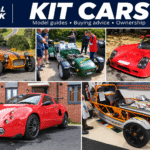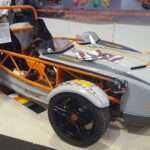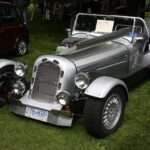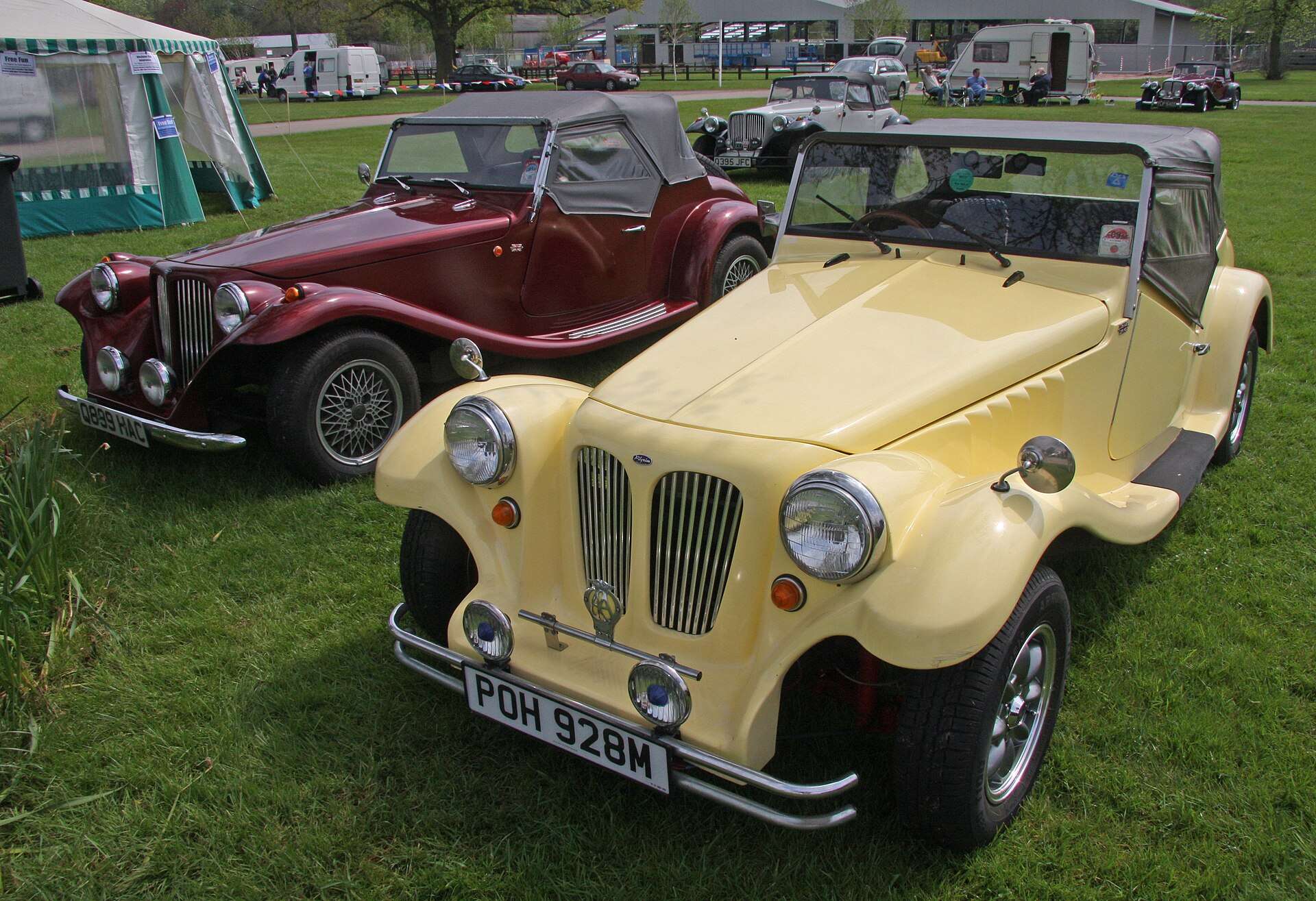
The Pilgrim Bulldog offers traditional open-top styling without requiring the buyer to own a pre-war car. It is an approachable-looking kit car, but its long history and individual builds mean there is no single specification that covers every example. The right starting point is not the radiator grille or engine sound: it is a clear account of the chassis, donor components and work carried out since assembly.
A different side of Pilgrim
Pilgrim’s own history includes the Bulldog among its designs, alongside the better-known Sumo. The Bulldog should be assessed as a model in its own right. A documented example offered by Anglia Car Auctions used a 1275cc Morris Marina mechanical basis and glassfibre bodywork. That establishes one real specification, not a rule for the whole range. Advertised cars can differ considerably, so verify the actual engine and running gear instead of transferring details from another Bulldog’s description.
Donor identification comes first
Ask the seller to identify the engine, gearbox, axle, suspension and steering components. Look for original kit paperwork, assembly photographs and invoices. If the car has been converted or rebuilt, find out which parts of the earlier specification remain. A handwritten maintenance log with useful component details can be more valuable than a thick folder of unrelated receipts.
Separate donor age from build history. The date displayed in an advertisement does not necessarily tell you when the kit was assembled. Match chassis identification and registration documents, and investigate any uncertainty before purchase. Treat broad claims about tax or testing status as something to verify for that particular vehicle.
Inspect the chassis and body attachments
Examine the structure underneath, concentrating on suspension brackets, crossmembers, floors and accessible joints. Check for corrosion, impact damage and undocumented repairs. Ask how any protective finish was applied and whether photographs show the condition beneath it. A coated or galvanised structure still needs inspection, particularly around alterations and damaged areas.
Inspect the mounting of the wings, running boards, doors and bonnet. Look for cracks around fasteners and signs that panels have been forced into alignment. Open the doors repeatedly and check catches and hinges. Fibreglass repairs range from straightforward cosmetic work to evidence of a more substantial problem; establish which you are dealing with.
Engine, brakes and controls
Request a cold start and watch for smoke, leaks and abnormal mechanical noise as the engine warms. Identify the exact unit before deciding which maintenance is overdue. Inspect the cooling installation and confirm that temperature stabilises. Check throttle return, clutch action and gear selection rather than concentrating only on whether the engine revs freely.
Brakes and steering deserve a careful assessment. Check fluid leaks, hose condition and the state of visible components, then confirm straight and predictable braking on a suitable test drive. If wire wheels or other non-standard equipment are fitted, establish their specification, maintenance requirements and condition. Do not assume that decorative upgrades improve the underlying car.
Choose completeness over promises
Try the hood, side screens and driving position. Check wipers, washers and any heater, and look for water ingress beneath trim. A car intended for relaxed touring should not require major improvisation every time the weather changes. Missing roof frames or bespoke glazing need a priced solution before purchase.
A complete Bulldog with a sound structure, sensible mechanical package and traceable history is easier to enjoy than a project sold on its potential. Budget for servicing and the specific defects you identify. Take an experienced inspector if the construction is unfamiliar. The Bulldog’s attraction is accessible, individual open-top motoring; the best examples keep the engineering as convincing as the period-inspired appearance.
Why the Bulldog needs its own buying approach
The Bulldog occupies the traditional-roadster side of Pilgrim’s history. Its appeal is different from the company’s more muscular replica models: upright proportions, exposed-style wings and an open cabin create an individual way to enjoy familiar mechanical components. That makes it important to inspect the car on its own terms. Advice for another Pilgrim model may describe a different chassis, donor or construction method and should not automatically be transferred to a Bulldog.
Think first about the experience you want. A car for gentle local outings may need little more than sound mechanicals and comfortable seating, while regular touring makes weather equipment, luggage and relaxed gearing more important. A restoration project is a different purchase again. Define those priorities before comparing engines or paint colours. The best Bulldog for you is the one whose present condition and specification support the use you intend, rather than the one with the most ambitious list of future possibilities.

Marina and Cortina foundations
The Ulster Kit Car Club’s member gallery explicitly distinguishes early Marina-based Bulldogs from later Cortina-based examples, illustrating the latter with a member’s rebuilt car. This is a useful reason to ask about the donor before discussing parts. It does not mean that every car can be identified accurately from its registration year or exterior appearance. Builds may have taken several years, and later owners may have changed major assemblies.
Ask for the original kit documentation and a component list. Identify the engine, gearbox, axle, suspension and steering individually. If a seller is unsure, request photographs that an experienced owner or specialist can use to help. Do not assume that all parts came from one vehicle merely because the build began with a donor. A mixed installation can be perfectly understandable when documented; it becomes difficult to maintain when each replacement requires another round of guesswork.
One documented car shows how specifications evolve
A private-sale description of a 1991-built Mk3 records a Marina donor, a modified BMC engine, twin SU carburettors and a Triumph Dolomite-derived overdrive gearbox. Those are seller-reported details of one particular car, not a factory specification for every Mk3. They demonstrate why the badge alone is insufficient when assessing a used Bulldog. Even a car with a clear original donor can acquire a substantially different combination of parts during its life.
For a modified example, ask when each change occurred and what supporting work accompanied it. A gearbox swap can affect mounts, controls and the driveline; an engine change may require cooling, exhaust or electrical alterations. Check the complete installation rather than treating a receipt for the main component as proof that every associated issue was addressed. A chronological history makes it much easier to understand whether the car has been developed coherently or remains a collection of unfinished changes.
Registration year is not a construction date
Advertisements for kit cars often foreground an early year, sometimes connected with the donor. Establish the actual sequence: donor manufacture, kit purchase, completion, registration and subsequent rebuilds. Compare the chassis identification with the documents and ask for an explanation of any inconsistency. Do not assume that an old number plate tells you which chassis version is present or how long the completed Bulldog has been on the road.
Likewise, verify claims about approval, tax and testing status using current authoritative information for the individual vehicle. A statement in an old advert is not enough to resolve a different car’s circumstances. For an unfinished project or one with missing documents, settle the likely route before paying. A car that runs and drives around a yard may still have significant administrative and engineering work ahead before it can be used as you intend.
Chassis inspection should lead the viewing
Arrange access underneath on suitable equipment. Inspect the main members, crossmembers, suspension attachments and the areas supporting the body and occupants. Look for corrosion, damaged coatings, grounding marks and repairs whose purpose is unclear. A new protective finish can be a sign of good maintenance, but it can also obscure the surface beneath. Ask for photographs of preparation and repair work rather than relying on appearance alone.
Where alterations have been made, establish who performed them and whether the result was assessed. Examine the surrounding area as well as the repair itself. A local bracket problem may be straightforward, while distortion or repeated cracking can suggest a wider issue. If you are unfamiliar with the construction, pay for an informed inspection before negotiating on the assumption that structural work will be cheap. Cosmetic shortcomings are easier to budget for when the foundation is known to be sound.
Bodywork, wings and running boards
Inspect the GRP for cracks around fixings, evidence of previous repairs and places where panels have been pulled into position. Check support brackets and their attachment to the structure. Large wings and running boards can look substantial while depending on a small number of important supports. Ask where it is safe to place weight when entering the car; do not test an unfamiliar panel by standing on it.
Enjoy cars you don’t see every day?
Get unusual car stories, kit-car guides and interesting finds from Unusual Cars by email.
Free to join. Unsubscribe whenever you like. Read our privacy policy.
Open and close the bonnet and doors, watching for fouling and movement. Look at hinges, catches and the condition of the surrounding material. A recurring crack should be investigated for its cause before repainting is discussed. Examine the underside of accessible panels as well as the visible finish. A tidy outer surface may conceal a rough repair, while a faded finish can sit over otherwise serviceable bodywork. Distinguish restoration of appearance from correction of an underlying fault.
Assessing a Marina-based engine installation
Establish the precise engine fitted rather than assuming that every Marina-derived car uses the same unit. Ask about capacity, induction, ignition and any internal modifications. Check the maintenance history against that specification and obtain details of rebuild work. A general claim that the engine was overhauled can mean anything from a comprehensive rebuild to a small repair, so invoices describing parts and machining are useful evidence.
Watch a cold start and assess the engine as it warms. Look for smoke, fluid leaks, abnormal noise and poor response under ordinary load. Ask about oil consumption and recurring adjustments. Modified carburettor or ignition arrangements should be understood and documented, particularly if the car has stood unused. A specialist can help separate a straightforward setup problem from wear or an unsuitable combination of components before you buy on the promise that it only needs tuning.
Ford-powered cars: identify before comparing
A Cortina-based Bulldog needs the same disciplined approach. Record the engine and gearbox identities, then inspect mounts, exhaust clearance and service access. A familiar Ford engine can be relatively approachable, but the surrounding installation remains individual. Ask which filters, belts, hoses and ignition parts the owner actually uses. Keep part numbers with the car so ordinary maintenance does not depend on interpreting the registration record as if it described an unmodified donor.
During the drive, concentrate on smooth low-speed response, stable temperature and usable gearing. A louder exhaust or larger carburettor is not automatically an improvement for relaxed road use. If the engine has been changed since the car was built, ask what happened to the cooling, fuel and electrical systems. A coherent conversion should have a clear explanation and a record of reliable use afterwards, not just photographs of the new engine sitting in the bay.
Cooling and fuel systems after years of storage
Inspect the radiator, fan, hoses and their supports, looking for chafing, leakage and improvised attachments. Ask how the car behaves in traffic and whether a manual fan switch supplements or replaces automatic control. Any unusual arrangement should be explained clearly. Observe temperature during a proper drive and a stationary warm period. Do not accept unexplained overheating as an inevitable characteristic of a kit car, and never open a hot pressurised cooling system during inspection.
Check the fuel system for deteriorated hoses, poor routing and signs of leakage or persistent smell. Ask whether the tank and lines were inspected during recommissioning and whether replacement materials suit the fuel used. A car that has stood for years may need more than fresh fuel and a battery. Treat recommissioning as a review of all age-sensitive systems, including brakes and tyres, rather than a successful first start.
Gearbox, overdrive and axle
Identify the transmission separately from the engine, especially on a car that has received an overdrive conversion. Ask how any additional controls work and test them according to the correct procedure. Assess clutch take-up, warm gear selection and noise under load and on the overrun. Inspect for leakage afterwards. If a function does not work, obtain a diagnosis before assuming the repair is limited to a switch or loose wire.
Listen for driveline knocks and vibration, but do not try to diagnose them from sound alone. Mounts, joints and the axle all deserve inspection. Ask about previous rebuilds and the lubricant requirements of the installed components. Note cruising engine speed during a test on appropriate roads. A gearing choice that suits local runs may not be comfortable for longer trips, and changing it can involve more work than the seller suggests.

Steering and suspension on real roads
Inspect joints, bushes, springs, dampers and their attachments with the donor and version in mind. Look for mismatched components, uneven ride height and signs of contact. Ask whether the suspension has been altered and whether alignment was checked afterwards. A car that has been lowered for appearance may have different clearance and travel from its original setup. Check its suitability for your roads and driveway rather than judging it only on level ground.
At sensible speeds, the steering should operate consistently and the car should settle predictably after bumps. Investigate pulling, binding, excessive lost motion or persistent vibration. Tyre wear can provide clues but does not identify the cause on its own. Do not assume a nervous or uncomfortable car merely needs damper adjustment. An experienced inspector can help distinguish worn components, unsuitable settings and structural problems before you commit to the repair bill.
Brakes and wheel equipment
Identify the braking arrangement and any changes from the donor configuration. Examine the lines and hoses for condition and secure routing, and ask when fluid and ageing components were renewed. Test the parking brake separately. During a controlled drive, look for progressive response and straight stopping. A soft or inconsistent pedal, visible leakage or unexplained pulling needs investigation before further use. Cosmetic refurbishment of the wheels does not establish the condition of the brakes behind them.
If wire wheels or conversion hubs are fitted, establish exactly what they are and have them assessed by a suitably experienced specialist. Check tyre age as well as tread depth and look for damage or rubbing. Decorative choices can affect maintenance and replacement costs, so include them in the purchase budget. Do not assume that wheels supplied loose with the car are automatically compatible; identify their size, fitment and intended use first.
Weather equipment can be the expensive missing piece
Ask the owner to erect the hood and fit the side screens during the viewing. Inspect the frame, fabric, stitching and every important fastener. Check how the pieces are stored and whether they can be fitted without excessive force. A hood frame without a usable hood is an incomplete system, and a replacement may require individual fitting. Obtain a realistic quotation before assigning a small allowance to missing weather equipment.
Then sit inside with everything closed. Check headroom, visibility, door operation and ventilation. Test wipers, washers and any heater or demisting provision. Look beneath removable mats and around carpet edges for water staining or persistent dampness. A fresh interior does not establish that a leak has been fixed. For a car intended for longer outings, the ability to remain comfortable when the weather changes is central to its usefulness.
Interior, wiring and everyday usability
Try the seating position in normal footwear and check pedal separation, steering-wheel clearance and belt fit. Inspect seat and restraint attachments, not just upholstery. Assess passenger comfort and the availability of secure storage. Loose items should not be able to reach the controls or hot components. If the car has been adapted for a previous owner, establish whether it suits you without major changes to seats, pedals or the steering arrangement.
Test all electrical equipment and ask for an explanation of unusual switches. Look for labelled fuses, secure relays and protected wiring at panel edges. A donor loom may have been shortened, extended or combined with later accessories, so an accurate diagram is valuable. Ask whether recurring electrical faults remain unresolved. Small problems that seem tolerable on a local run can become frustrating when you are travelling further from home.
Buying a project with realistic expectations
Make a written inventory of missing components and incomplete work. Separate common service parts from model-specific items and fabrication jobs. Confirm present availability rather than relying on a decades-old kit advert. A complete-looking car can still require substantial work if the body must be removed to address the structure or if the wiring and controls have never been finished. Price the remaining job, not only the parts already purchased.
For a running example, retain a budget for initial servicing and identified defects. Ask what the seller would repair next and whether the car has recently completed journeys comparable with those you intend. Regular, documented use is useful evidence, although it does not replace inspection. The most convincing purchase combines a sound structure, coherent mechanical package and practical completeness, with no important uncertainty hidden behind claims that everything will be easy to finish.
Taking over the build history
At handover, collect manuals, wiring information, service part numbers, keys and all agreed roof pieces and spares. Ask the owner to demonstrate the normal starting routine and any isolation or auxiliary controls. Label components left over from earlier specifications so they cannot be confused with current replacements. Preserve photographs and receipts in chronological order and add your own maintenance notes from the start.
The Bulldog is most rewarding when its individual construction becomes understandable rather than mysterious. Start with a maintenance baseline, resolve uncertain faults and build familiarity through progressively longer drives. Its traditional shape can deliver relaxed, distinctive open motoring, but the quality of the experience comes from the details underneath. A complete, well-explained car is a stronger foundation for that enjoyment than a cheaper example whose history and unfinished work remain unclear.
Sources and further reading
- Ulster Kit Car Club: Marina and Cortina Bulldog examples
- Private owner’s documented Mk3 specification, archived sale description
Explore more kit cars
Compare models in our Kit Cars hub. Planning a build? Read our donor-vehicle guide and UK registration and approval guide.
Photo: Brian Snelson, CC BY 2.0. Resized for display; hub thumbnails may be cropped.
Kit cars for sale on eBay UK
Browse kit cars from different makers, from unfinished projects to road-going builds.

Browse more kit cars on eBay UK
Enjoy cars you don’t see every day?
Get unusual car stories, kit-car guides and interesting finds from Unusual Cars by email.
Free to join. Unsubscribe whenever you like. Read our privacy policy.