Browse all Citroën diagnostic scanner guides
A second-generation Citroën Dispatch can need very different diagnostics depending on whether the complaint is an engine warning, an ABS lamp or a rear suspension problem. A basic OBD2 reader may help with the first while never communicating with the systems behind the others.
Choose a scanner with confirmed Dispatch Mk2 commercial coverage, then verify the fitted ECU and task. Where the van has pneumatic rear suspension, ask about that system explicitly. An air-suspension icon on a product box is not confirmation.
Which Dispatch is the Mk2?
This guide concerns the 2007-generation Dispatch/Jumpy diesel van, before the all-new 2016-generation model. A van registered near the changeover needs to be identified by its actual build and appearance, not registration year alone. Passenger Combi variants and conversions should be described accurately to the scanner supplier.
It is separate from our Dispatch Mk3 BlueHDi guide. Do not transfer a later SCR/AdBlue repair procedure to an older HDi simply because the badge says Dispatch.
Keep the VIN, engine code, transmission and equipment details together. Similar vans sold by other manufacturers can be useful references, but their names in a compatibility list do not prove support for your Citroën’s electronics.
Choose the tool for the job
| Your task | Useful diagnostic route | Check before buying |
|---|---|---|
| Engine warning and emissions information | Compatible generic OBD2/EOBD reader | Exact engine/year support and available live data |
| ABS, airbag, gearbox or body fault | Citroën-capable multi-system tool | The actual fitted ECU must be accessible |
| Service reset or actuator test | Tool supporting that specific operation | Vehicle prerequisites and software version |
| ECU replacement, coding or software repair | Appropriately equipped specialist | Required access, procedures and stable power |
What basic engine diagnostics can offer
A compatible generic reader can retrieve supported emissions-related codes, freeze frames and engine data. This is helpful when a loss-of-power complaint occurs only under load or when a warning comes and goes between workshop visits. Save the full information before clearing it.
Do not confuse a code description with a parts order. A boost-related fault can involve control, sensing, wiring or the air path as well as the turbo itself. Fuel-pressure information also needs to be interpreted with the correct test conditions and repair data.
A reader that connects to the engine but says nothing about an ABS warning may simply lack ABS access. Likewise, a clear engine result says nothing reliable about a suspension ECU it never read. For a working van, a report listing reached and unreachable modules is more useful than a blanket “all clear”.
HDi loss of power and particulate-filter questions
Identify the exact diesel engine and emissions equipment before buying a tool for DPF functions. Do not assume every year and engine has identical filter or additive arrangements. Where fitted, those systems may need enhanced diagnostic information beyond the generic engine menu.
For an intermittent loss of power, note whether it happens empty or loaded, during acceleration or at steady speed, and whether switching off changes the behaviour. These observations help make live-data recordings meaningful. Avoid trying to reproduce a severe fault on a busy road simply to obtain a graph.
Supported pressure and temperature readings can help direct an exhaust-system investigation. A suspicious filter-pressure value can reflect sensing or pipework, so inspect and test before condemning the filter. Resetting a replacement counter cannot clean the old component.
Forced regeneration is a specific workshop operation with prerequisites and high exhaust temperatures. Do not start it just because a scanner offers the option. Resolve faults that prevent safe operation and follow the correct procedure. If the van has an additive system, use the correct fluid and associated service instructions rather than a generic reset.
Pneumatic rear suspension: check whether it is fitted
The Dispatch handbook distinguishes conventional metal suspension from a system with pneumatic rear-height compensation. Not every Mk2 has the latter. Establish the hardware before treating a missing suspension menu as a scanner failure.
For equipped vehicles, the handbook describes height sensors and automatic compensation. It also explains that door status and brake application affect operation, and that low battery charge or excessive use can be relevant to a failed manual adjustment. A rear-height complaint therefore needs operating conditions and electrical checks as well as a fault scan.
Ask whether the scanner reads the suspension ECU on the actual build and which data or tests it provides. Reading faults, viewing sensor information and calibrating height are different capabilities. Do not assume a routine intended for a C5 or another brand is suitable.
The vehicle can change height unexpectedly. Follow the manufacturer’s deactivation instructions before lifting or working near the system and use proper mechanical support; never work under a vehicle supported only by air suspension or a jack. A diagnostic command does not provide physical protection.
If the suspension has been converted to another arrangement, tell the repairer. An electronic fault may reflect that conversion, but configuration changes should be based on a proper repair plan. Clearing a warning cannot correct an unsafe ride height or an inappropriate modification.
Gearbox, ABS and airbag access
Identify whether the van has a manual or an electronically controlled automatic transmission and confirm the exact gearbox. Where a transmission ECU is present, request its own fault codes and supported data. Engine access alone may show only an indirect indication.
Do not import EGS or ETG learning advice from unrelated models. Any post-repair adaptation must match the fitted transmission and completed work. A reset will not repair internal wear, an electrical supply fault or a damaged connection.
ABS investigation needs ABS ECU access. Supported wheel-speed data can help find an inconsistent signal, but the sensor, wiring and related mechanical components still need inspection. For airbag warnings, retain the circuit description and use a competent repairer. Bypass resistors and unsafe probing are not repairs.
Ageing-van electrical faults and conversions
Door switches, central locking, lighting and fitted parking aids can require body-system access. Repeated door use, previous repair work and added electrical equipment are useful history to give a technician, without assuming they are automatically the cause.
Record trackers, alarms, towbar electrics and camper equipment. A weak supply or connection may cause several modules to complain at once. An independent auxiliary circuit may not appear in any vehicle scan, so its own wiring and protection still need assessment.
For a converted van, identify the base vehicle’s build date separately from the conversion date. The scanner normally needs the base vehicle identity. Habitation heaters, chargers and leisure batteries can have their own diagnostic methods.
Considering an iCarsoft FR V3.0?
The FR V3.0 is a candidate to investigate if you want a standalone Citroën-capable scanner. Its manufacturer describes multi-system diagnosis, live data and active tests, while explicitly qualifying functions by model, production year and ECU configuration. That qualification is essential: a list of service icons is not a promise that every operation works on your vehicle.
Ask the supplier to confirm your VIN, engine, gearbox and the exact task. For a van, explicitly state that it is a commercial vehicle. Request separate confirmation for reading faults, displaying relevant data and performing the proposed repair or reset procedure. “Citroën supported” is too vague to settle a specialised purchase.
Check genuine-unit support, software updates, the required computer for updating, return terms and the precise model in the listing. Our Amazon links lead to search results, where products and sellers can change. These guides are researched buying guidance, not a claim that we have physically tested every combination.
How to make the first scan useful
- Record the complaint. Photograph the warning and note mileage, cold or hot operation, recent repairs and whether several warnings started together.
- Check the electrical supply. A weak battery or poor connection can complicate diagnosis. Deal with an obviously unstable supply before treating every communication code as a separate failed module.
- Connect correctly. Find the diagnostic socket using the correct handbook. Connect with the ignition off, then follow the tool’s ignition prompts. Do not force trim or bridge connector pins.
- Confirm the vehicle selection. Check AutoVIN results and use the supported manual selection if necessary. A similar-looking vehicle is not a safe substitute for the proper diagnostic entry.
- Save the complete report. Keep codes, reporting modules, present or intermittent status and freeze-frame records before clearing anything. Note modules that the tool could not reach.
- Test a cause, not a guess. Use relevant live data with an appropriate repair procedure. A fault code describes a detected condition; it does not prove that the component named in its description needs replacement.
- Verify the repair. Clear when appropriate, repeat the relevant tests and rescan after a safe drive if required. Engine readiness monitors may take time to complete after erasure.
Do not operate the scanner while driving. Use secure logging or a passenger where a road test is appropriate. Red STOP, oil-pressure, overheating or unsafe-braking symptoms need immediate attention; clearing a warning does not make the vehicle safe.
Dispatch Mk2 scanner questions
Does “Jumpy” coverage count?
Jumpy is the name used in other markets, so it is a relevant entry to ask about. Follow the manufacturer’s confirmed selection for your UK Dispatch rather than guessing between variants.
Will an engine reader diagnose a low rear end?
It may not communicate with the fitted suspension system at all. First identify whether pneumatic compensation is present, then confirm dedicated access and check the handbook’s operating conditions.
Is a specialist worthwhile for an old van?
For suspension, transmission or several simultaneous electrical faults, one properly targeted diagnosis can cost less than replacing parts on the strength of a generic code. A handheld tool is most useful when its coverage matches regular owner checks.
Our recommendation: prioritise exact Mk2 van coverage and confirm pneumatic suspension access separately where it is fitted.
Sources and further reading
- Citroën Dispatch manufacturer handbook: rear suspension (reproduced by MyCarUserManual). Match the publication and fitted equipment to your vehicle.
- iCarsoft FR V3.0 official information and compatibility qualifications.
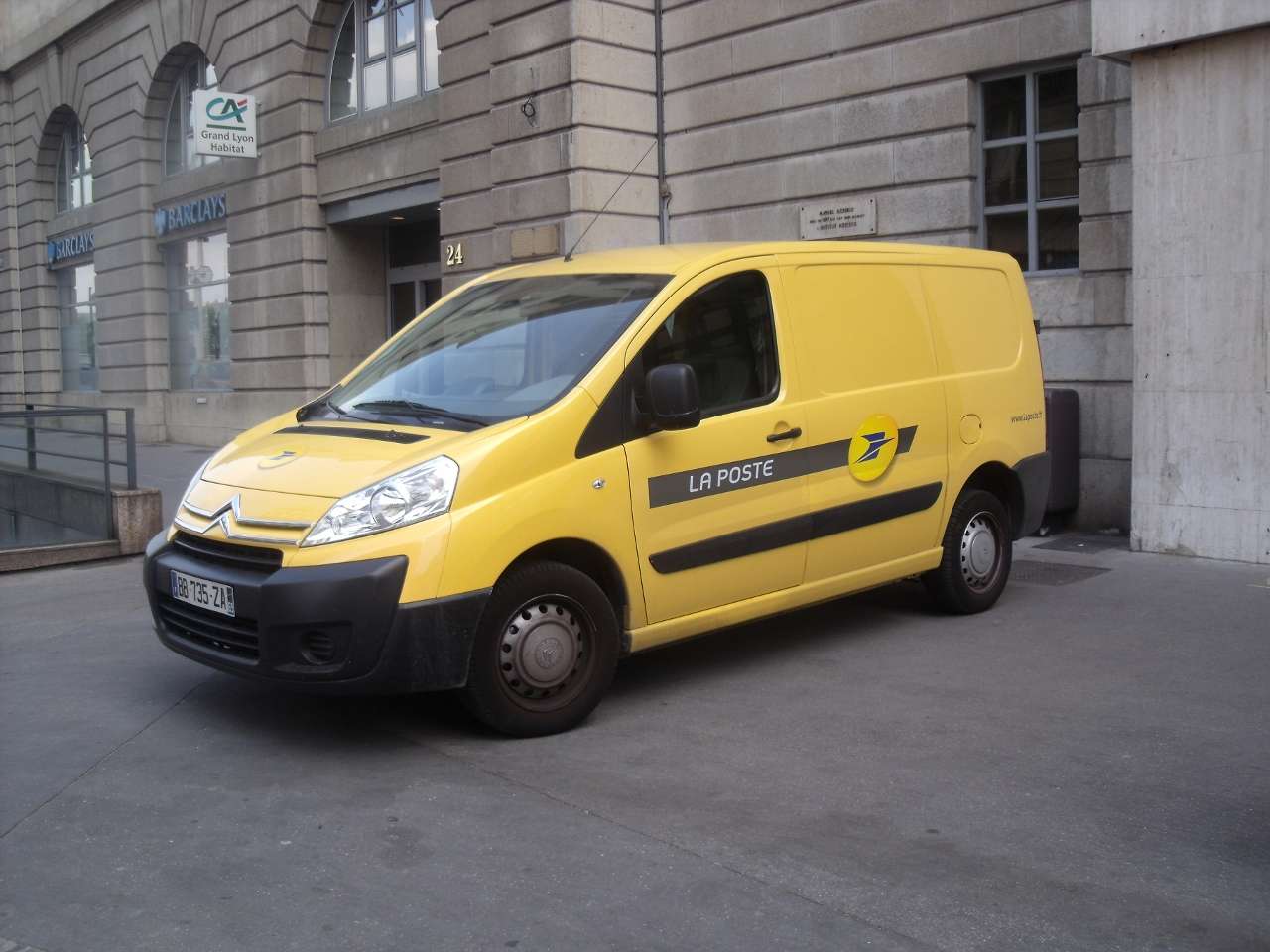
Featured photograph: Peter Broster / Wikimedia Commons, CC BY 2.0. Displayed to fit the page; the theme may crop it. Photograph shows the equivalent continental-market Jumper/Jumpy. Scanner banner: illustrative artwork.
Love cool cars? Join Unusual Cars Club FREE!
Get forgotten motoring finds, stories, helpful car content and more.
Free to join. No spam. Unsubscribe whenever you like. See our privacy policy.