Love cars you don’t see every day?
Get forgotten cars, surprising motoring stories and the most interesting finds from Unusual Cars by email.
Free to join. No spam. Unsubscribe whenever you like. See our privacy policy.
Quick verdict: which Scala makes the best used buy?
A higher-output 1.0 TSI manual is the natural starting point for many households. It balances purchase price and useful performance without the extra inspection questions of a dual-clutch automatic. The lower-output 1.0 can suit lighter loads and local use, provided you are comfortable with it on your usual hills and faster roads. Choose a 1.5 TSI if the car will regularly carry passengers and luggage or make longer journeys.
A DSG can be the right choice if you want an automatic, but buy smooth operation and clear maintenance evidence. Do not pay for a sporty trim at the expense of tyres, service records or an independent inspection. An ordinary SE or SE L with the right history can be a stronger purchase than a cheaper high-spec car carrying unexplained warnings.
Understand the Scala’s layout, engines and facelift
The Scala arrived in 2019, using the compact MQB-A0 architecture rather than simply being an Octavia with another body. It is front-wheel drive, and shared VW Group ancestry does not make every component identical to a Polo, Kamiq or Golf. Order parts by the actual engine, gearbox and vehicle codes.
| Version | Who it suits | What to verify |
|---|---|---|
| 1.0 TSI lower output | Budget-minded buyers with lighter loads | Exact power, five-speed manual where fitted and suitable performance |
| 1.0 TSI higher output | Mixed family journeys | Six-speed manual or DSG according to build, cold response and service evidence |
| 1.5 TSI | Regular loads and more relaxed faster-road driving | Cylinder-deactivation behaviour, low-speed response and gearbox |
| DSG versions | Automatic convenience | Gearbox identity, maintenance requirements and cold/hot manoeuvres |
| Facelift | Later styling and changed equipment choices | Build specification; later appearance does not include every option |
Higher-output 1.0 descriptions vary with production year and market. Confirm the registration/build information rather than treating one familiar output figure as universal. The 1.5 TSI is the four-cylinder 150PS option in the range discussed here. Its cylinder-deactivation system should not be used to explain persistent misfire or hesitation without diagnosis.
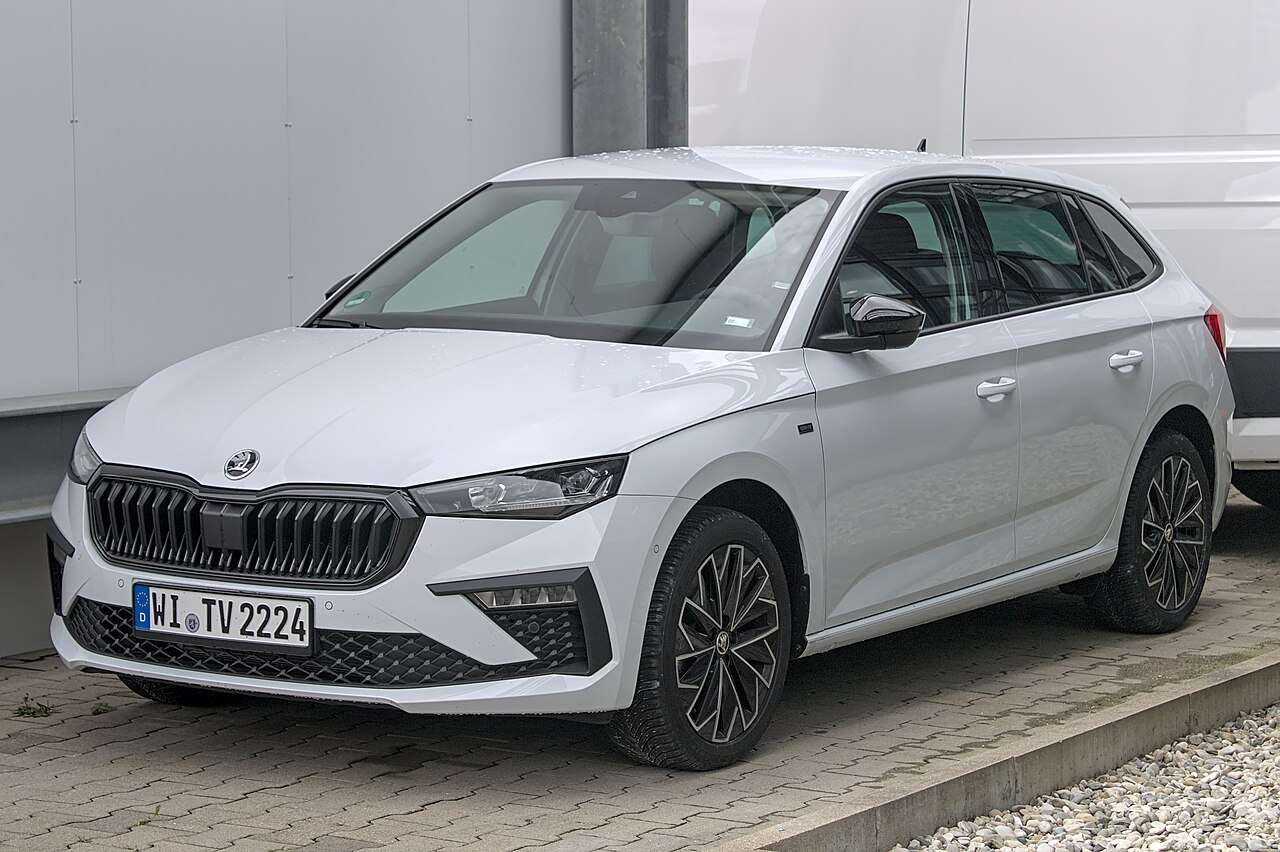
The facelift revised lamps, bumpers and cabin equipment. Matrix headlights, larger screens, digital instruments and powered equipment depend on specification. A review of a later high-trim car is not an equipment list for an earlier used SE. Obtain the individual build record and operate the features that matter to you.

UK asking prices and market choice
A November 2026 Auto Trader check showed 442 Scala adverts across the model range. That is a stock snapshot, not measured search traffic or completed sales, and includes different fuels and specifications. It is enough choice to compare condition and maintenance rather than compromise because a local car is available immediately.
Observed petrol asking prices included a 1.0 TSI SE at £8,990, a 1.5 TSI SE at £6,989 and a 1.5 SE L DSG at £10,495, with other examples considerably higher. These figures should not be turned into a valuation band without their ages, mileages, condition and sale terms. An unusually cheap car may differ materially from a well-prepared retail example.
Compare like with like: engine, output, gearbox, approximate age and mileage. Put the next service, tyres, brakes, keys and any warning diagnosis beside the price. If you want a particular feature, filter for it and demonstrate it. Generic dealer descriptions can list equipment the actual car lacks.
The Scala’s value proposition is practical space for the money. Avoid spending a large premium on cosmetic trim while overlooking worn tyres or missing history. A properly maintained manual can be a better long-term fit than a discounted DSG with a symptom no one has diagnosed.
Service history: oil approval, additional work and timing drive
Ask for invoices and digital records showing dates, mileage, oil approval and the operations performed. A service stamp or dashboard reset is not proof that plugs, brake fluid, filters or additional checks were completed. The correct oil specification depends on the exact engine/build, not simply a viscosity printed on an online kit.
Have Škoda or a suitable specialist identify the current VIN-specific schedule and service regime. Distinguish oil-and-inspection work from extended-scope operations. A generic garage’s interim/full/major menu can be useful for pricing, but it should not replace the manufacturer maintenance plan.
Check calendar gaps as well as mileage. A low-mileage car can still have old fluids or years of short-trip use. For a higher-mileage example, reconcile MOT readings with invoices and ask what work followed any ownership or fleet change. The strongest history explains the whole period rather than only the last service.
These TSI installations need the correct belt-related guidance for their engine codes. Do not invent a timing-chain service or apply a universal five-year belt rule from another VW Group engine. Obtain current inspection/replacement requirements and a written description of any completed belt work, including associated components where necessary.
Ask what is due during your first year. Plugs, brake fluid, tyres and brakes may be separate from a basic service. A car that is “serviced for sale” may still need additional scheduled work. Negotiate on a documented list, not an assumption that every maintenance item is included in the advertised preparation.
1.0 TSI buying checks
Start the engine cold and watch the warning lamps. Listen for persistent abnormal noise and make sure the idle settles without misfire. Three-cylinder character is normal; severe vibration, a warning or a repeated stumble needs diagnosis. Ask the seller not to pre-warm the car before your visit.
Inspect oil and coolant safely under the handbook procedure. Look for leaks, dried coolant staining and damaged accessible hoses. Ask whether it has ever overheated or needed repeated top-ups. If the explanation is uncertain, let a workshop decide whether a pressure test or further investigation is required.
Once warm, test progressive acceleration and normal gear changes. The response should be predictable rather than surging, smoking or cutting out. A boost or ignition symptom should be diagnosed before ordering a turbo, coil or sensor simply because it is available cheaply online.
Try the lower-output engine on roads representative of your use. A relaxed drive alone around town does not show whether it suits a family load on a long hill. Choosing the stronger 1.0 or 1.5 because you need the performance is sensible; buying an unsuitable car and hoping a tune will fix it is a different ownership proposition.
Ask about oil checks between services and any modifications. A standard car with traceable work is usually easier to assess than one with an undocumented remap or non-standard intake. If previous tuning is suspected, include that in the inspection brief rather than relying only on how the engine feels today.
1.5 TSI: cold response and cylinder deactivation
The 1.5 offers useful extra performance for longer trips or loads. Test it from cold at light throttle, including a gentle pull-away and ordinary low-speed changes. Repeat once warm. Persistent bucking, hesitation or poor take-up is a symptom to resolve, not a characteristic to dismiss because an online discussion uses a familiar nickname.
Ask about VIN-specific software updates and previous drivability complaints. A later software version can be relevant, but it does not prove every remaining symptom is software-related. Have the actual car assessed if it misfires, warns or makes junction driving unpredictable.
Under steady light load, the cylinder-deactivation system should not make the car unpleasant to drive. Do not accept it as an explanation for a persistent fault without checking. Inspect cooling and oil history as carefully as on the 1.0, and confirm oil approval when comparing service kits.
The faster engine does not justify ignoring tyres or brakes. A 1.5 on worn, mismatched tyres can be a poorer purchase than a sound 1.0. Check wheel size and replacement costs before choosing a high trim; the family car’s comfort and running budget may matter more than the largest available wheels.
Looking for a used Škoda Scala TSI?Compare current Škoda Scala TSI asking prices on eBay UK.See cars for sale ↓Manual or DSG: test the actual transmission
A manual should take up drive smoothly, select reverse cleanly and shift through all gears without repeated obstruction. Check for slip under appropriate load when warm and listen for abnormal noises when the clutch is operated. A high bite point alone is not a diagnosis; combine pedal feel with road behaviour and a workshop assessment.
Identify the DSG code before applying maintenance advice. Petrol Scalas commonly use a dry-clutch seven-speed installation, which should not automatically receive a generic wet-clutch oil/filter package or one universal 40,000-mile interval. Ask the workshop for the actual current requirement. An installation without the same wet-clutch service is not immune from expensive faults.
From cold and hot, test drive/reverse selection, slow crawling, repeated parking and normal acceleration. Persistent shudder, a long delay taking drive, banging shifts or a warning needs diagnosis. RAC’s review notes hesitation in its tested DSG example; that observation is not a reason to accept an individual car’s severe or worsening symptom without inspection.
Hold the car on a hill with the brake rather than the accelerator. Ask what any previous “gearbox service” included and obtain repair invoices where relevant. Separate routine maintenance from clutch or control-system repair in both your budget and the warranty terms.
If an automatic is essential, try more than one sound example where practical. That helps distinguish a general operating style you dislike from a fault in one vehicle. Do not buy a gearbox you find uncomfortable simply because the seller insists the behaviour is normal.
Cabin, boot and body checks
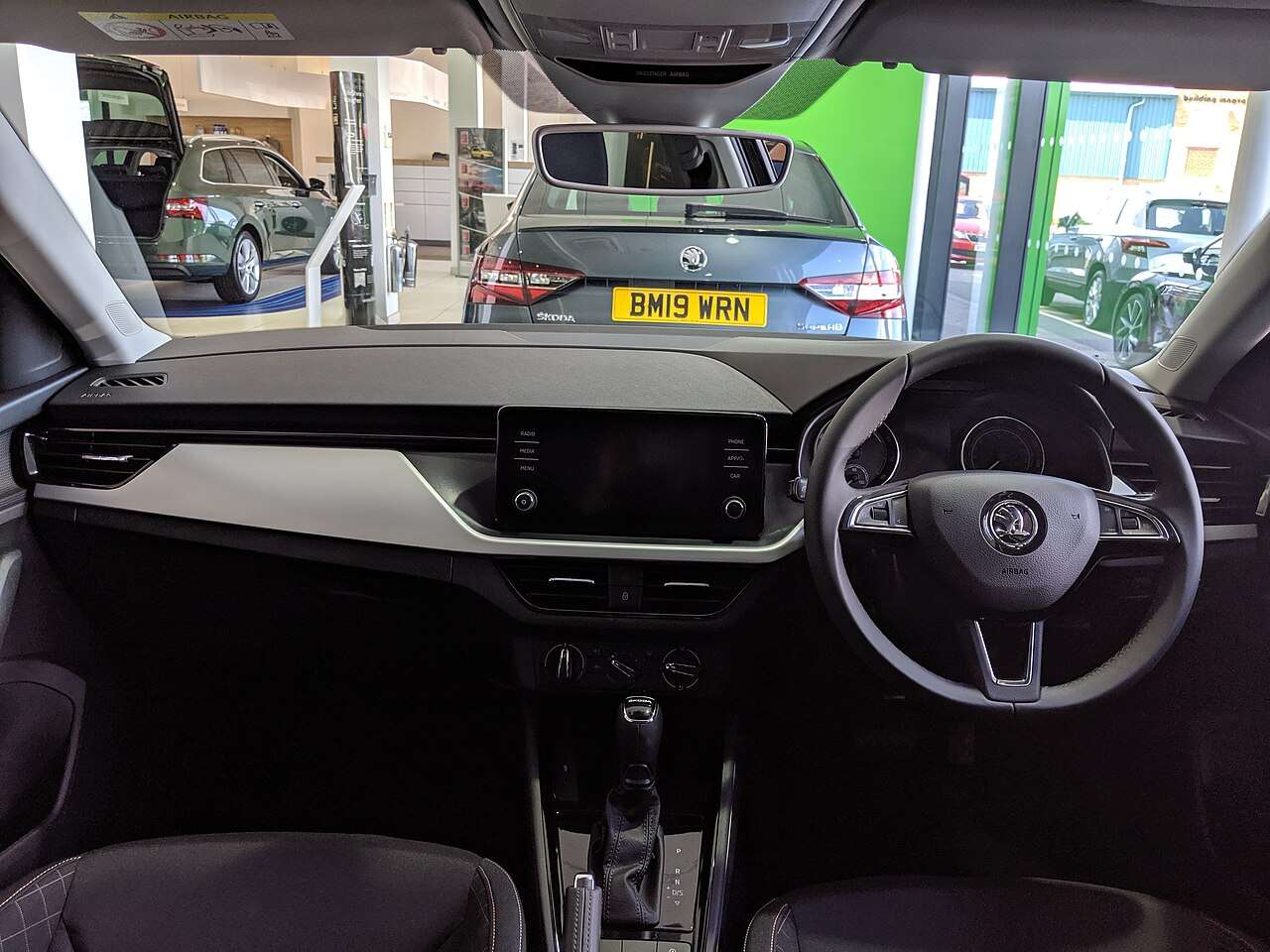
RAC describes a 467-litre boot and around 1,410 litres with the rear bench folded. Those figures explain the Scala’s appeal, but bring the luggage you use. Check the load cover, floor, supports, repair kit or spare-wheel arrangement and rear-seat folding mechanism. Missing equipment can reduce the usefulness of an otherwise good car.
Try rear legroom with front seats positioned for your drivers and fit your child seats. The Scala’s space advantage should work for your family, not just look good in a brochure. Check belts, upholstery, floor coverings and door trims for damage from previous hard use.
Inspect paint and panel gaps in dry daylight. The extended rear-glass appearance on some versions is a feature to check for damage and correct fit, not a guarantee of a different mechanical specification. Inspect the boot floor, seals and carpets for water. Ask for evidence of glass or collision repairs.
Where fitted, test a powered tailgate, panoramic roof or other optional equipment under the handbook instructions. Look for damp or damaged trim around roof areas and test all latches. Do not pay extra for equipment that needs a repair without understanding the cost.
Suspension, tyres and brake hardware
Drive across ordinary rough surfaces at sensible speed and listen for knocks, bearing hum or persistent rattles. Check straight tracking and steering response. Uneven tyre wear may indicate alignment, worn components or previous damage rather than simply a need for new tyres.
Inspect tyre age, tread, sidewalls and correct rating, along with scuffed or distorted wheels. Large wheels can add costs without improving everyday usefulness. A sensible matching set is more reassuring than a mixture bought solely to get through an MOT.
Brake from normal road speeds and check for pull, vibration or grinding. Ask for measured brake condition and confirm the actual rear hardware. Some online menus show electronic-parking-brake jobs even when a particular Scala uses a manual handbrake; others may assume rear discs where hardware differs. The car’s codes and physical installation decide the parts order.
Inspect parking-brake operation and any warning. A low-mileage car that has stood for long periods can still need brake attention. A service stamp does not establish pad thickness, disc condition or the absence of binding hardware.
Electronics and equipment: avoid paying for a generic advert
Start the screen from cold and test your phone, calls, audio and smartphone connection as fitted. Check USB ports, navigation and steering-wheel controls. Restart and repeat anything intermittent. Connected features can depend on subscriptions and accounts; confirm transfer and availability rather than assuming they are permanent equipment.
Run air conditioning, heating and demisting for long enough to assess them. Test sensors, camera, windows, mirrors and heated equipment where present. Weak cooling needs diagnosis; a seller’s “just a regas” explanation does not rule out a leak or a more substantial fault.
Ask for current VIN-specific campaign and software information from Škoda. If the windscreen or front end was replaced, ask whether associated sensors or calibration were involved. A clean MOT is not a complete equipment inspection, and a cleared warning is not evidence of a permanent repair.
Sourced UK maintenance: parts, labour and fitted prices
Fixter’s Scala menu publishes engine/trim examples useful for comparison. A registration-based quote should still confirm the exact job. Labour below is published time, not an invented hourly cash bill. Service packages and parts baskets have different scope, so compare contents before judging value.
| Job | Parts/scope | Published labour evidence | Fitted/package example |
|---|---|---|---|
| 1.0 SE full service | Approved oil, correct filters and package checks | 55 minutes–1 hour 32 minutes | £122–£192 |
| 1.5 SE L full/major service | Confirm additional filters and plugs against actual schedule | Full-service example 37 minutes–1 hour 26 minutes | Full £115–£181; major £202–£317 |
| 1.0 SE L major service | Agreed operations, not just an oil/filter basket | Confirm job scope with the workshop | £196–£309 |
| Rear discs/pads, where fitted | Match hardware; exclude inapplicable EPB menu options | 1.5 SE L job example 49 minutes–1 hour 38 minutes | 1.5 SE L rear-disc example £130–£204 |
Use the Scala 1.0 TSI kit search and 1.5 TSI kit search to compare current stock. Check oil approval, capacity and included filters. A filter-only basket is not equivalent to a kit with oil and plugs, and neither is the same product as a fitted inspection service.
Ask whether a quote includes VAT, consumables, disposal and any diagnostic charge. For a cooling leak, gearbox warning or timing concern, agree diagnosis first and then obtain the complete repair estimate. Do not buy parts on the assumption that any workshop will fit and warrant customer-supplied components.
Model-specific eBay service-parts table
These affiliate searches use our campaign and may earn commission at no extra cost to you. Search results can include unsuitable components. Confirm VIN, engine/gearbox codes and fitted brake hardware with the supplier before ordering; safety-critical work needs appropriate competence.
| Service item | Model-specific eBay search | Fitment and buying notes |
|---|---|---|
| 1.0 oil service kit | Check current parts prices | Current oil approval, capacity and exact engine. |
| 1.5 oil service kit | Check current parts prices | Do not assume identical 1.0 filters or fluids. |
| 1.0 spark plugs | Check current parts prices | Engine-specific plug type and quantity. |
| 1.5 spark plugs | Check current parts prices | Correct specification for the build. |
| Engine air filter | Check current parts prices | Match housing and engine. |
| Cabin filter | Check current parts prices | Correct application and filter type. |
| Timing-belt kit | Check current parts prices | Confirm current schedule and complete workshop parts requirement. |
| Cooling parts | Check current parts prices | Diagnose first; housings and circuits differ. |
| Front brakes | Check current parts prices | Match disc diameter and vehicle codes. |
| Rear brake parts | Check current parts prices | Identify actual drums/discs and handbrake hardware. |
| Manual clutch | Check current parts prices | Five/six-speed and engine applications differ. |
| Wiper blades | Check current parts prices | Check lengths and rear attachment. |
Hidden costs and negotiation
Budget for tyres, keys, missing luggage equipment and overdue additional services. A screen, air-conditioning fault or assistance-system calibration can add a bill beyond routine maintenance. Read warranty and service-plan scope carefully; a plan covering scheduled work is not automatically a repair policy.
Use written estimates for normal wear. If a dealer offers to fix something, specify the work and retest it before collection. Serious warnings, unexplained coolant loss, persistent DSG shudder or refusal of an independent inspection justify choosing another example. The Scala’s value lies in useful transport, not taking on an uncertain fault cheaply.
Viewing checklist and verdict
- Confirm engine output, gearbox, build and actual equipment.
- Review invoices, oil approval, timing guidance and upcoming work.
- Start cold and test response before and after warming.
- Test manual clutch or DSG in reverse, traffic and ordinary acceleration.
- Inspect tyres, brakes, suspension, body repairs and damp.
- Try family luggage and every important cabin function.
- Obtain diagnosis and complete written prices for unresolved faults.
A sound Scala is a strong everyday buy because its practicality is real. Choose the engine for your loads and journeys, confirm the maintenance assumptions and buy a smooth, documented example. A conventional family hatchback can be the right answer when it gives you the space you need without adding unnecessary costs.
Frequently asked questions
Is the 1.0 TSI enough?
Often, especially the higher-output version. Test your usual routes and load; the 1.5 is worth considering for regular heavier use.
Do all DSGs need one standard oil service?
No. Identify the code and current maintenance requirement rather than prescribing a wet-clutch package to a different gearbox.
Is a facelift always better value?
No. Compare the actual equipment, condition and history with the price premium.
Research and sources
- RAC Scala 1.5 TSI review — layout, practicality, engine and transmission observations; equipment descriptions vary by year.
- Škoda servicing information — confirm the current vehicle-specific maintenance plan with the network.
- Fixter Scala servicing and brake estimates — engine/trim examples, with hardware applicability checked separately.
- UK Scala listings — changing asking-price evidence checked in November 2026.
Explore the full buying guides hub.
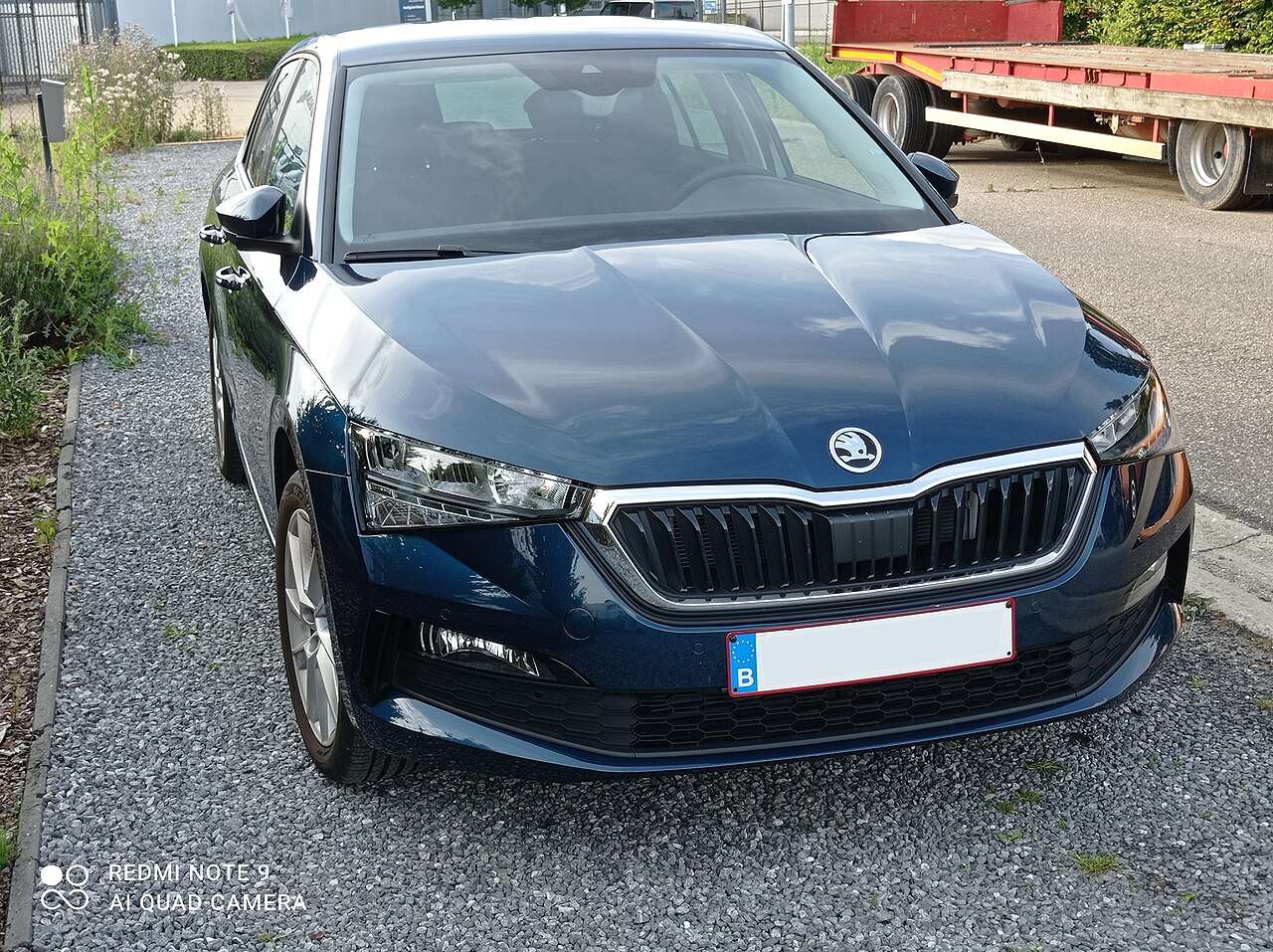
Featured photograph: Tathing, CC BY-SA 4.0, via Wikimedia Commons. Resized for web.