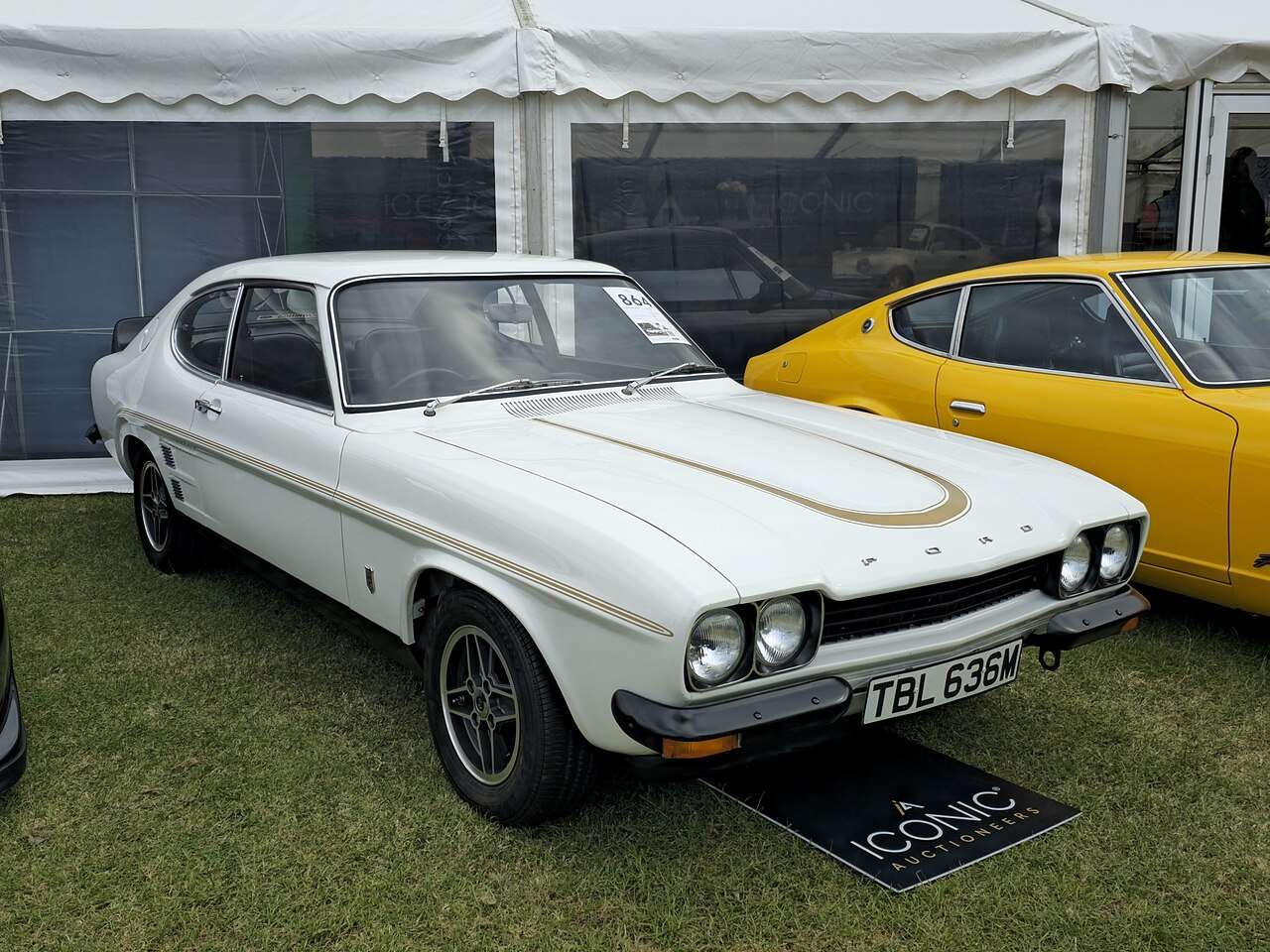
The Capri RS3100 looked like a Mk1 Capri with a particularly purposeful rear spoiler. That ducktail was a clue to the much bigger job Ford was trying to do on the racetrack.
1. It grew out of a touring-car rivalry
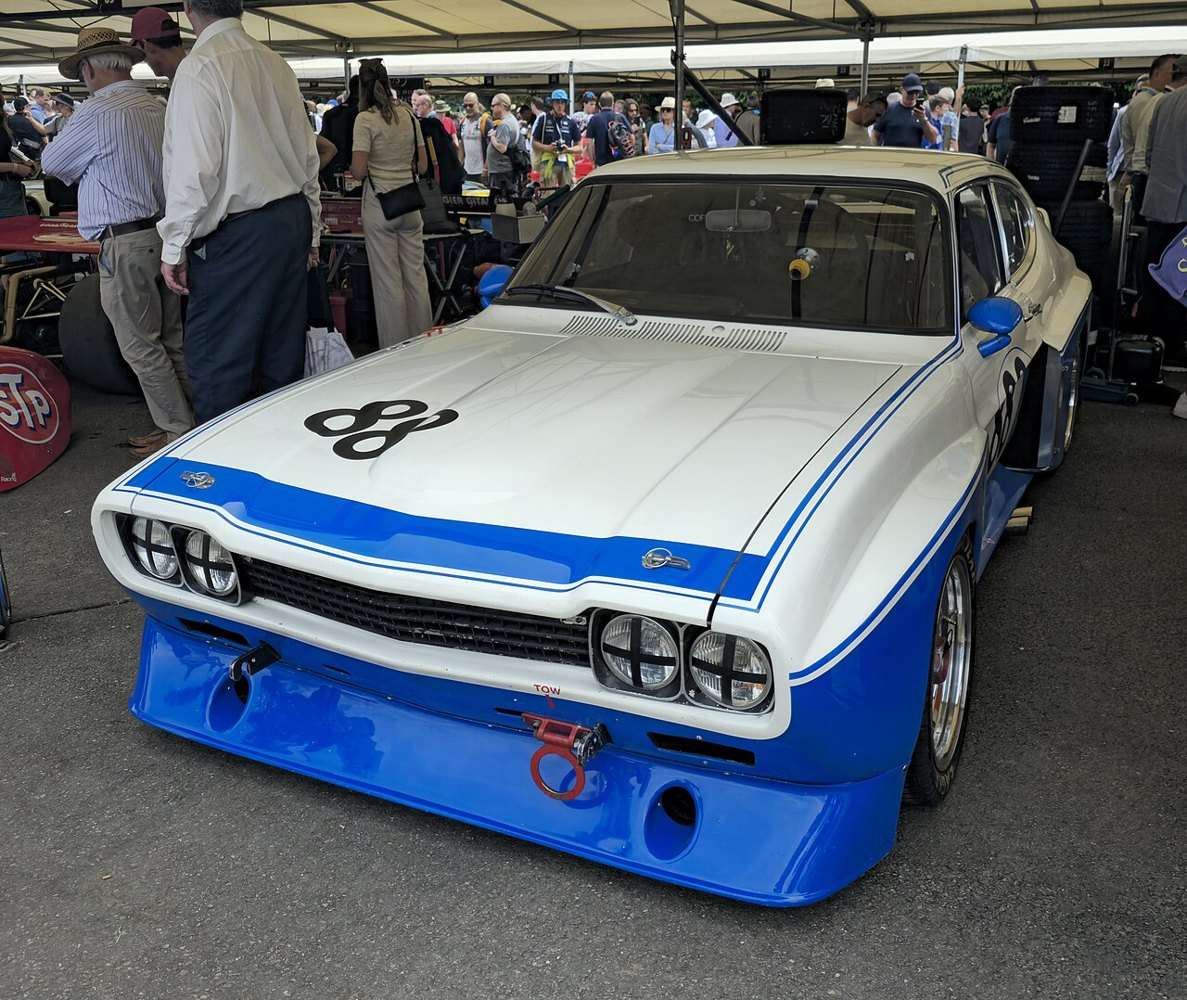
Ford’s RS2600 had been successful in European touring cars. BMW’s 3.0 CSL put pressure on the Capri programme and gave Ford a new target for the 1974 season.
2. Racing rules gave the road car a job
Ford needed a road version to homologate changes for competition. The resulting showroom special had a clear connection with the race car, even though the two specifications were very different.
3. The road engine was an Essex V6
Ford chose the British Essex 3.0-litre as its starting point. Boring it out took capacity to 3,098 cc, giving the RS3100 its name and providing a different basis for the competition programme.
4. The ducktail was functional
Ford’s Advanced Vehicle Operations team developed a boot-mounted ducktail and a front lip spoiler. The two pieces helped high-speed stability, and they made the car recognisable from either end.
Love cars you don’t see every day?
Get forgotten cars, surprising motoring stories and the most interesting finds from Unusual Cars by email.
Free to join. No spam. Unsubscribe whenever you like. See our Privacy Policy.
5. The road car kept much of the 3000 GT underneath
The RS3100 was based on the Mk1 3000 GT, then gained selected RS equipment. The four-spoke alloys, brakes and suspension had links to the RS2600.
6. The race engine was a very different thing
Cosworth developed the competition version of the Essex. The racing engine’s capacity, cylinder heads and output should be kept separate from the specifications of the right-hand-drive production car.
7. Halewood built the road cars
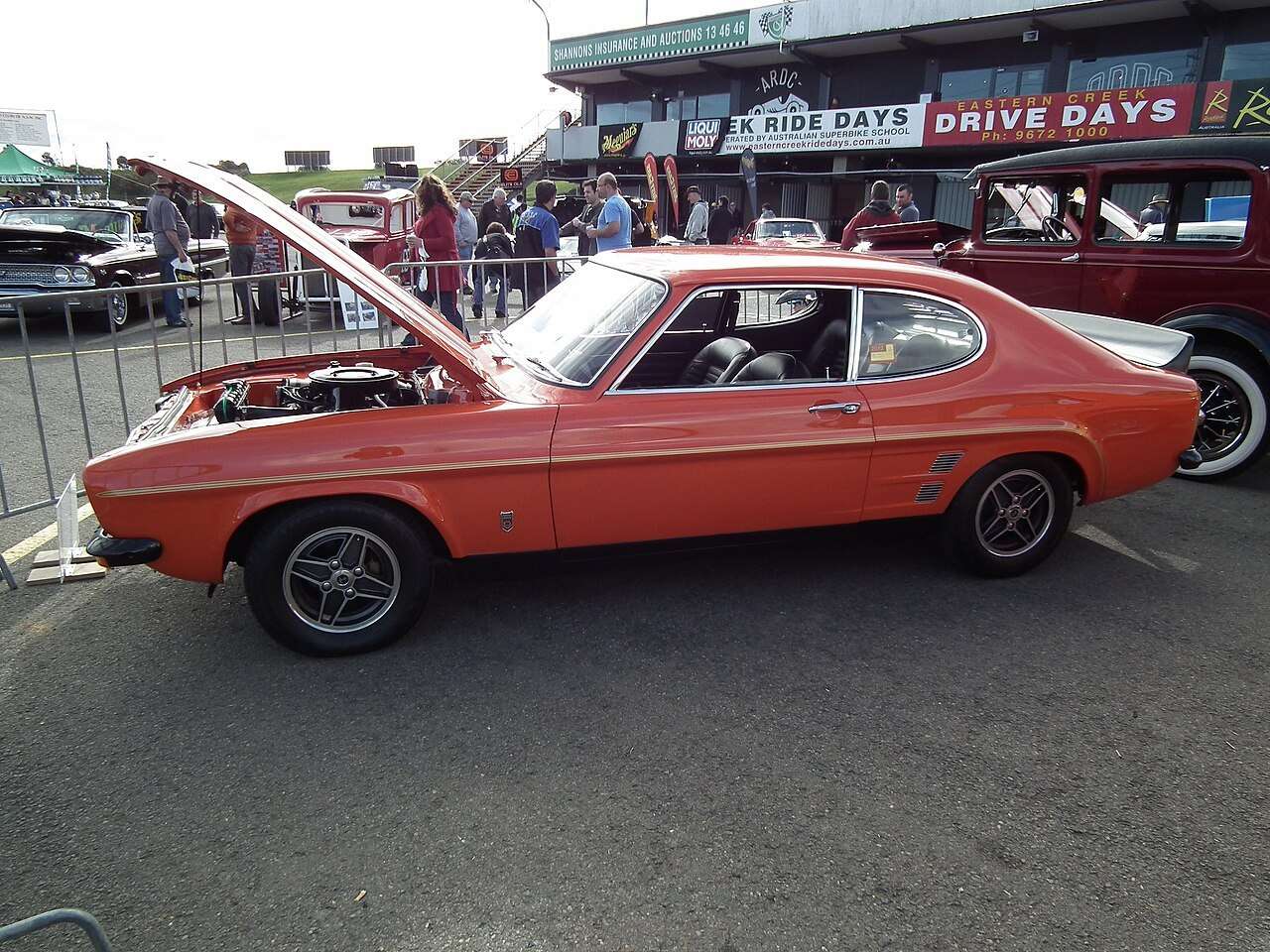
The RS Owners Club places production at Halewood from late 1973 into early 1974. The club records 248 completed road cars, a figure worth attributing given the short run and surviving documentation.
8. Some went to Australia
The RS Owners Club records 50 cars exported to Australia. Local equipment changes and dealer details can therefore be part of an original RS3100’s story.
9. It arrived at the end of the Mk1
Production took place as Ford was preparing the Capri Mk2. The short timing puts the car in a narrow chapter of Mk1 history and helps explain why its details are so easy to associate with a specific period.
10. The badges tell only part of the story
An original car can be identified by more than the familiar stripes. The spoiler shapes, front bumper treatment, wheels and provenance help make sense of cars that have been restored or recreated over the years.
Read our 10 Things article on the Ford Capri 3.0S.
Explore more 10 Things articles
Browse the Unusual Cars 10 Things hub.
Sources and further reading
- Ford RS Owners Club, RS3100 road specification and racing history
- FIA Historic Database, period account of the Cologne Capri programme
Featured image: White Ford Capri RS3100 on display. Photo by Calreyn88 via Wikimedia Commons (CC BY-SA 4.0, resized).
Join the Unusual Cars Club
Get more forgotten performance cars, surprising motoring stories and new 10 Things articles by email.
Free to join. No spam. Unsubscribe whenever you like. See our Privacy Policy.