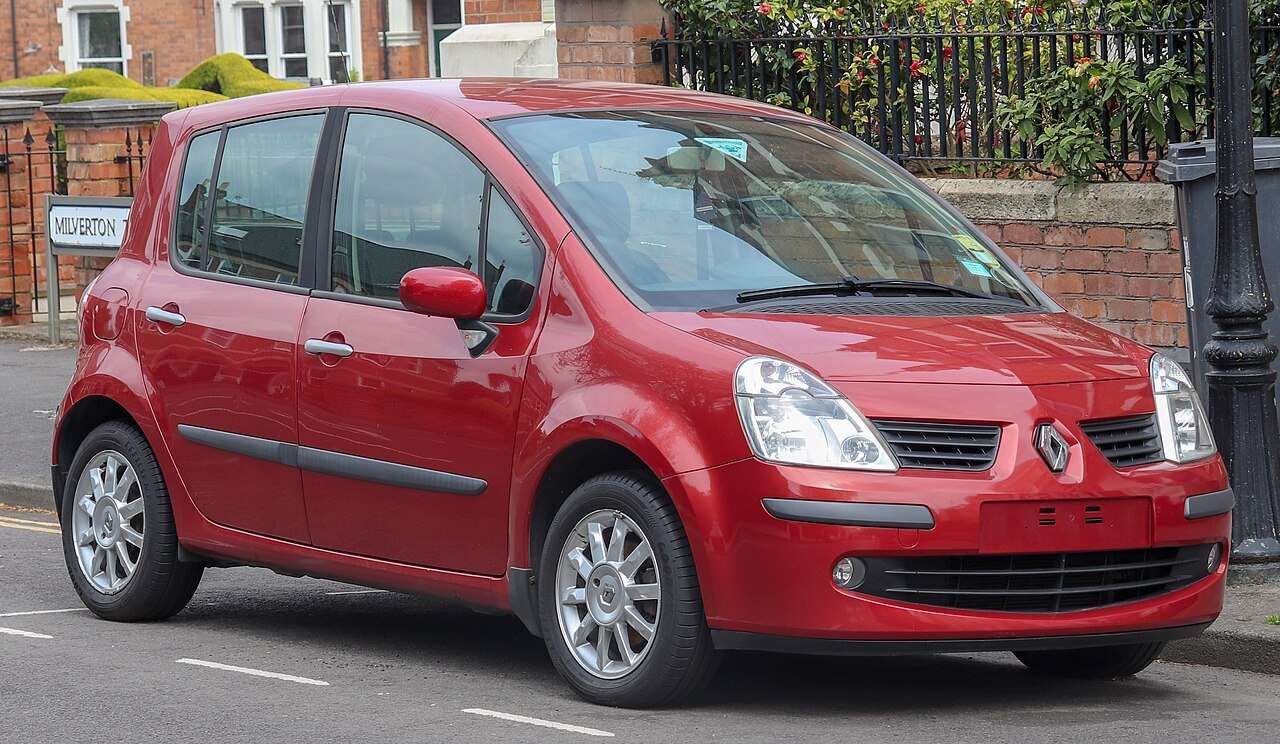
The Renault Modus was the tall little Renault with a moving rear bench and, on some cars, a smaller opening built into the tailgate. It approached the school run as a design problem worth solving.
1. It sat alongside the Clio and Twingo
Renault’s 2004 Geneva material positioned the Modus as another choice in the small-car class. Its height bought upright seating and a sense of room. Buyers could get that without moving into the much bigger Scénic.
2. The rear bench had its own name
Renault called the sliding assembly Triptic. It could move fore and aft to favour legroom or luggage room. That is the sort of feature that makes the same car feel different on the school run and the weekly shop.
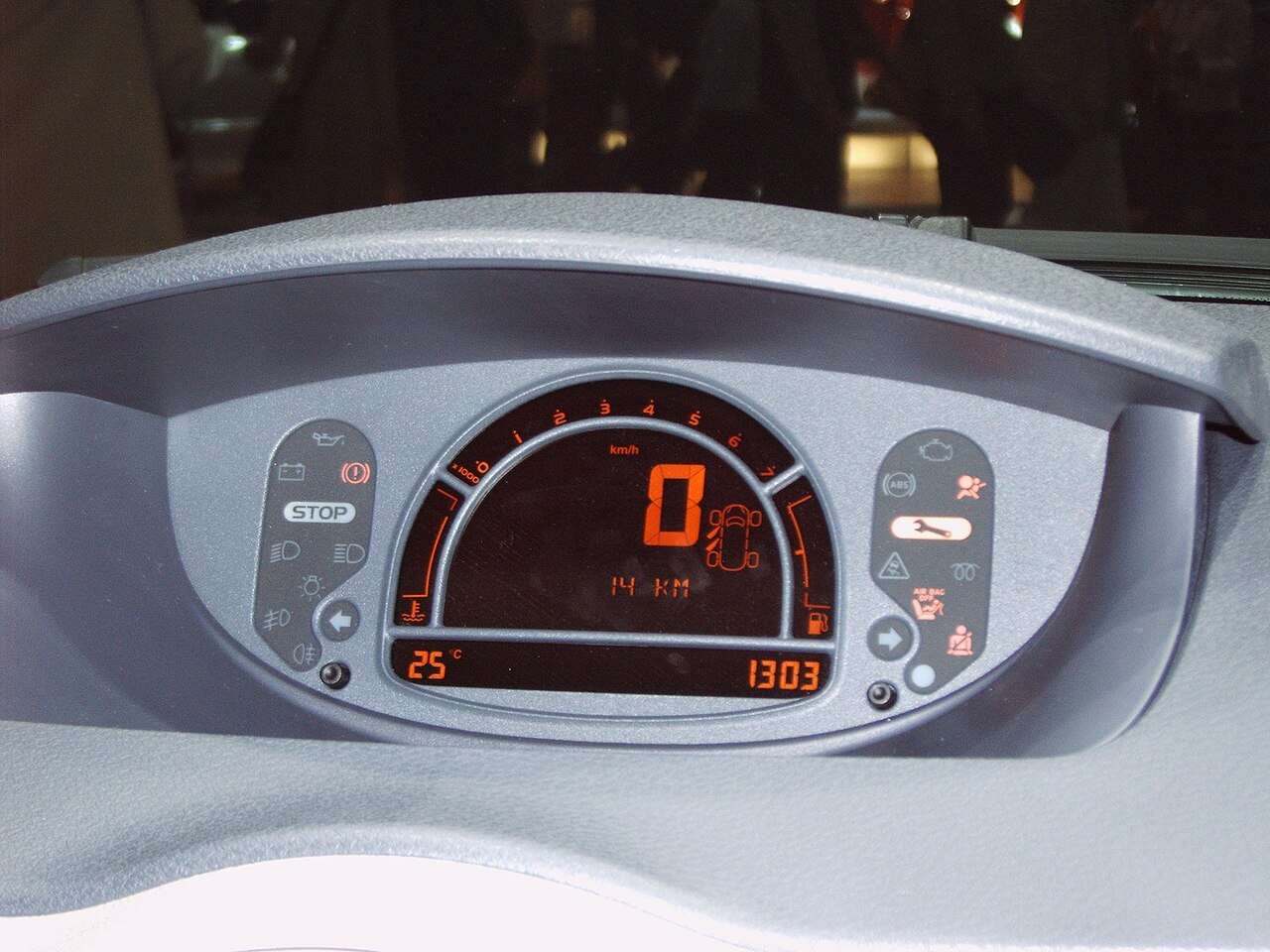
3. The centre part of the bench folded away
Folding the middle section let the two outer positions move together, making a two-seat arrangement. The central panel was part of the mechanism, not just an armrest. It is easiest to understand from a view through the rear door.
4. The bench could also tilt and fold for luggage
The show-car material described a split-fold arrangement and a way to tip the rear bench for larger loads. The ability to gain space in increments was part of the point. You could keep some seats useful when taking something bulky.
Love cars you don’t see every day?
Get forgotten cars, surprising motoring stories and the most interesting finds from Unusual Cars by email.
Free to join. No spam. Unsubscribe whenever you like. See our Privacy Policy.
5. Some cars had a boot within the boot
The optional Boot Chute was a smaller, drop-down door set into the tailgate. It could be easier to use than the full hatch when someone parked close behind. The option is worth checking on an individual Modus because they did not all come with it.
6. Renault even thought about bicycle carrying
The Geneva show car featured a rack called Velofix, made to fit the rear of the car. The idea was to avoid making owners improvise with whatever universal rack they could find. The rack and boot opening were two responses to the same everyday problem.
7. It appeared first as a near-production show car
Renault’s Geneva announcement previewed the car it planned to sell in autumn 2004. The shape and ideas had moved much closer to a production car than an abstract motor-show study. The concept is a good reference for the intent behind the styling.
8. There were small petrol and diesel options
The launch range took familiar Renault petrol engines and added 1.5 dCi diesel choices. Those choices belonged to different needs from the unusual seats and boot features. It was still meant to be an ordinary daily car underneath the packaging ideas.
9. The later Grand Modus took a different approach
Renault added a longer Grand Modus as the range developed. The period German range list even distinguishes which cars had the Triptic bench. When comparing old reviews, it is worth checking whether the writer had the short Modus or the longer one.
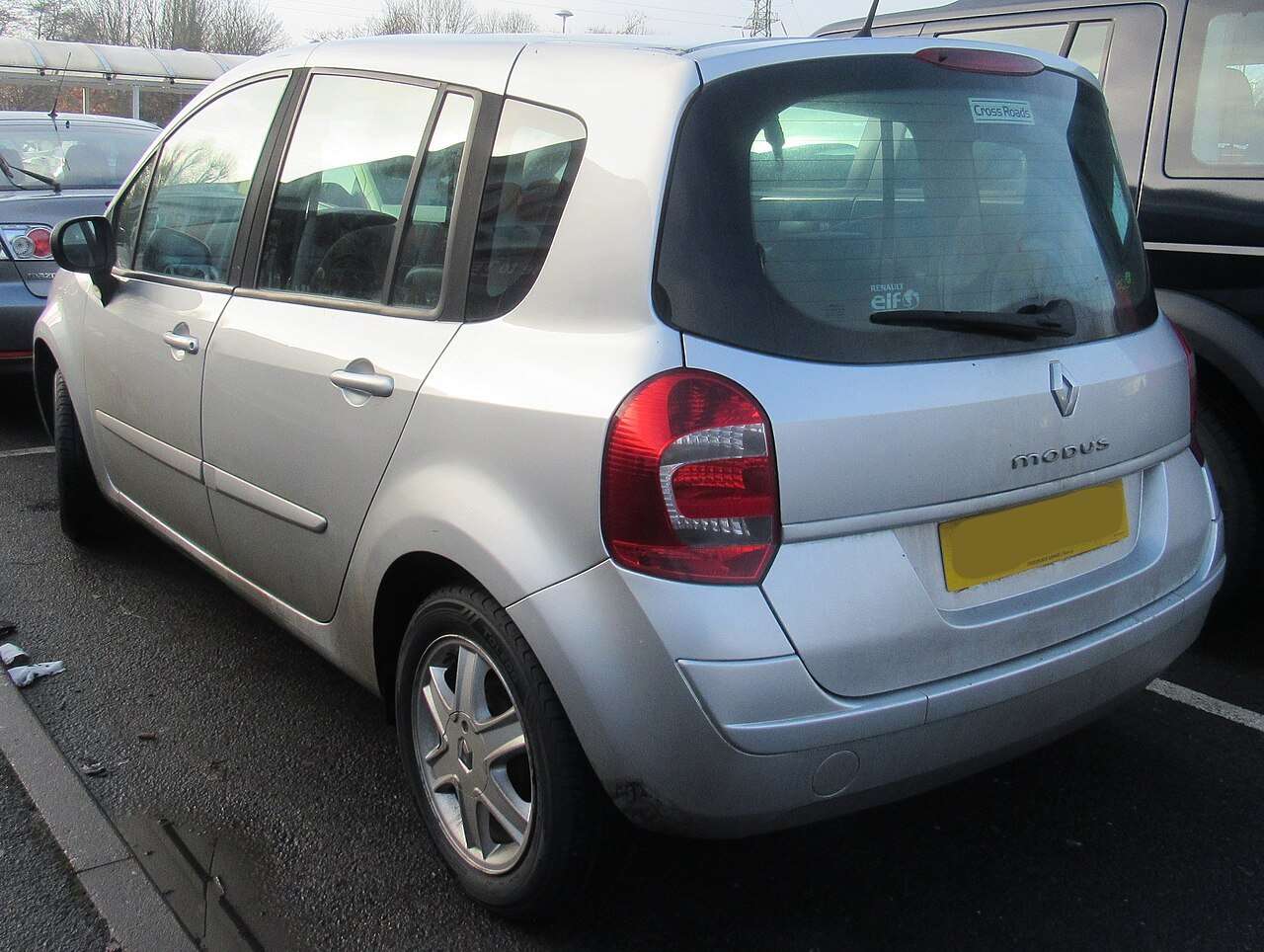
10. It set a period crash-test milestone
Euro NCAP called the Modus the first supermini-sized car to earn five stars under its 2004 rules. It achieved that after a frontal retest with an improved driver’s airbag.
Read about the Renault Twingo Mk1.
Explore more 10 Things articles
Browse the Unusual Cars 10 Things hub.
Sources and further reading
- Renault Germany production launch release
- Euro NCAP’s 2004 Renault Modus test
- Renault Geneva Modus presentation
- Renault 2004 annual report summary
- Original 2008 Renault Modus range price and equipment list
Featured image: 2005 Renault Modus Dynamique dCi. Photo by Vauxford via Wikimedia Commons (CC BY-SA 4.0, resized).
Join the Unusual Cars Club
Get more forgotten performance cars, surprising motoring stories and new 10 Things articles by email.
Free to join. No spam. Unsubscribe whenever you like. See our Privacy Policy.