IN-DEPTH BUYING GUIDE · PETROL 1.0 MPI · THREE BADGES, ONE BUYING DECISION
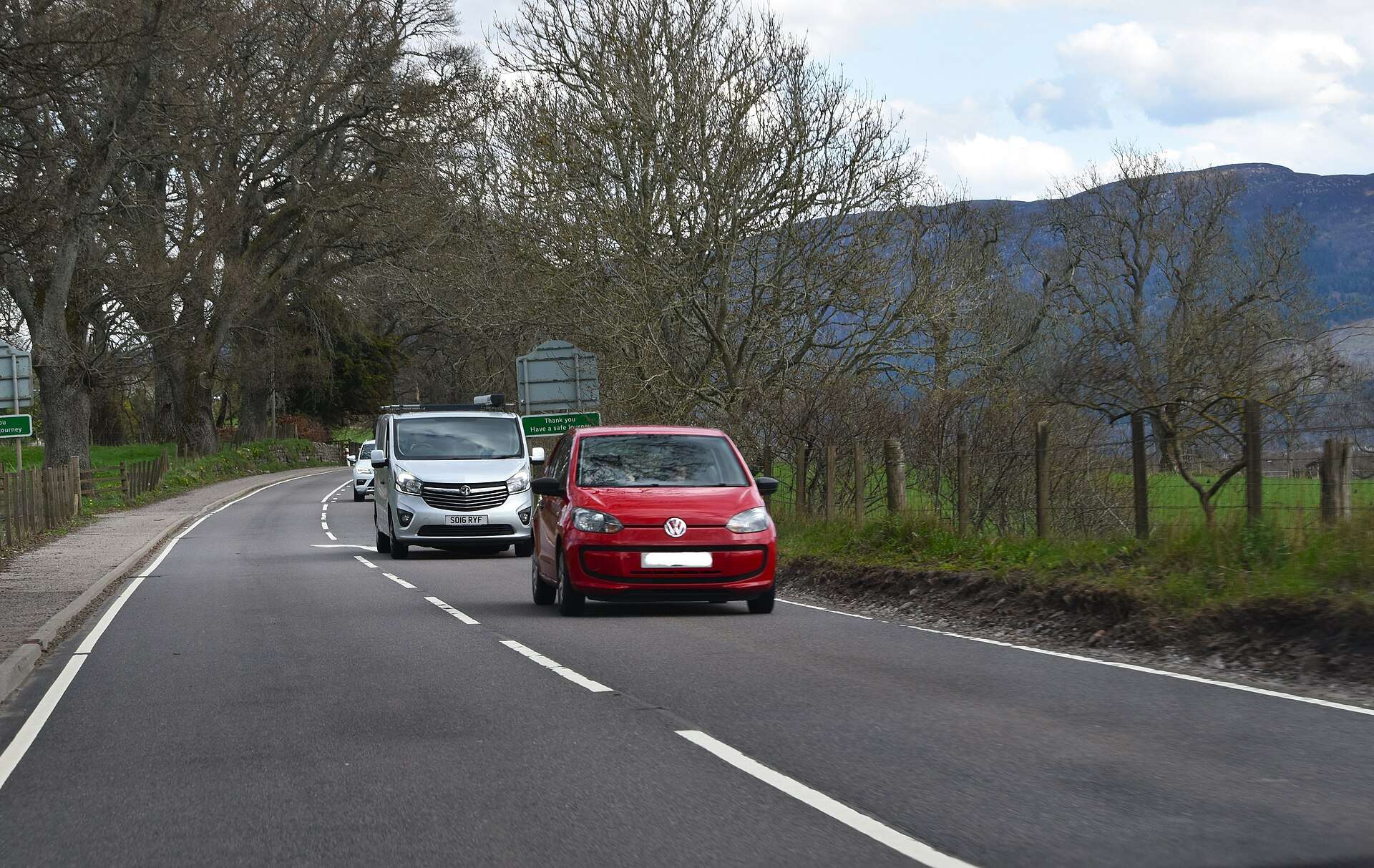
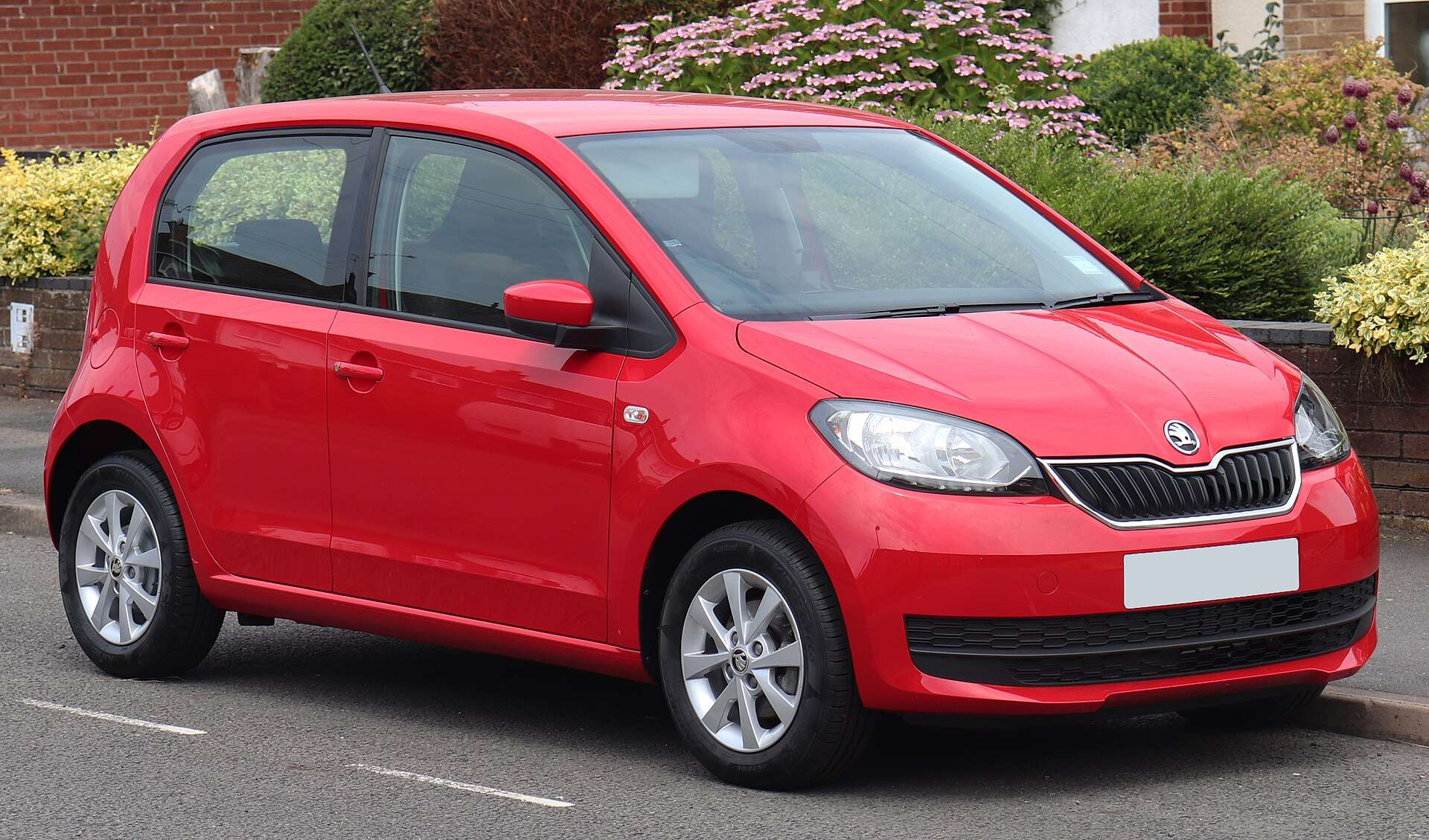
A good Volkswagen up!, Škoda Citigo or SEAT Mii is one of the most useful purchases at the affordable end of the used-car market. These closely related city cars offer a compact footprint, a straightforward naturally aspirated petrol engine and a surprisingly usable cabin. The right example makes sense for a first car, an urban household or someone who simply wants economical transport without a large, complicated vehicle.
The mistake is to assume that a small engine and a familiar badge make every example cheap to own. Clutch condition, gearbox behaviour, water ingress, accident repairs and neglected maintenance can matter more than the purchase-price difference between badges. A car bought for a few thousand pounds can still need several substantial jobs at once.
This guide covers the ordinary 1.0 MPI petrol versions of all three cars, including manual and automated-manual applications. It excludes the electric e-up!, Citigo-e iV and Mii electric, compressed-natural-gas versions and the turbocharged up! TSI. The up! GTI has a separate guide in our buying guides library. Do not use an MPI parts list or engine assessment for those different versions.
The buying verdict
Our starting point: a manual 1.0 MPI with working air conditioning if you need it, the appropriate number of doors and a credible maintenance record. Buy the best individual car across all three badges. Paying extra for a Volkswagen emblem makes little sense if an equally suitable Citigo or Mii has better history, tyres and body condition.
Pay for: evidence of maintenance, a genuine cold start, dry carpets, clean gear engagement and a useful independent inspection. Resolve before purchase: an EPC or engine warning, persistent misfire, clutch judder, unexplained coolant loss, reluctant gear selection or an automated manual that behaves unpredictably when hot. A seller’s proposed inexpensive cure is not evidence of a diagnosis.
up!, Citigo or Mii: what are you actually buying?
These cars share their underlying small-car architecture and much of their mechanical layout, but badge, trim and production date still affect equipment and parts. Volkswagen’s UK launch material records UK up! deliveries from March 2012, a five-door joining in July 2012 and a five-speed automated manual added in October 2012. Its 2016 revision introduced appearance, cabin and infotainment changes, alongside a separate turbocharged TSI offering.
The naturally aspirated MPI is a 999cc three-cylinder from the EA211 family. Early factory versions offered 60 PS or 75 PS. Both had a quoted 95 Nm maximum torque: the higher output is not a turbo engine. Later production details need checking against the actual VIN and engine code; do not assume that every late MPI has exactly the early output or emissions specification.
| Choice | What it means | Buying implication |
|---|---|---|
| 1.0 MPI petrol | Naturally aspirated, three-cylinder petrol; early 60/75 PS choices | Check actual engine code, output and service information. MPI is the scope of this guide. |
| Five-speed manual | Driver-operated clutch and gear lever | Generally our simplest starting point; inspect clutch, release mechanism, linkage and gearbox independently. |
| ASG/automated manual | A manual-type transmission and clutch operated by actuators | It is not a torque-converter automatic or a DSG. Test its normal shift character and diagnose abnormal behaviour. |
| Three-door or five-door | Different access to the rear seats | Try your actual child seat and parking space. Wide front doors can be awkward in a narrow bay. |
| BlueMotion/GreenTech/Ecomotive descriptions | Economy-related specification varies with model and year | Confirm stop/start equipment, correct battery and the car’s recorded CO₂/tax details. |
| Special editions and sporty trim | Equipment, appearance and wheel packages | Monte Carlo, FR Line and similar badges do not establish a turbo engine or superior maintenance. |
How much difference does 75 PS make?
Compare these cars on the roads you actually use. Both early outputs share the same quoted peak torque, so the 75 PS version’s advantage is not a large low-speed torque increase. It may be attractive for regular faster-road use, but neither version should be bought as a substitute for a considerably more powerful car. A well-maintained 60 PS manual can be the more rational purchase when condition and equipment are better.
Volkswagen’s early UK information quotes a 251-litre boot and four-seat layout. Those figures help explain the appeal, but they are not a substitute for trying the cabin. Sit behind your own driving position, check rear-seat access and take the pushchair, mobility aid or luggage you intend to carry. These are four-seat cars; do not plan around carrying three passengers across the rear bench.
Equipment to verify in person
Base trim can be more basic than photographs suggest. Check whether the car actually has air conditioning, remote locking, electric front windows, a height-adjustable driver’s seat and the safety equipment you want. An air-conditioning button is not evidence that the system cools. Run it long enough to judge performance, listen for unusual noises and investigate a seller’s repeated claim that it only needs gas.
Early removable navigation/infotainment units deserve a separate check. Confirm the unit, mount and connections are present, that the screen works and that it connects to the vehicle and your phone as expected. Contemporary factory descriptions of online services or app support do not guarantee that those services remain supported today. Later smartphone-based installations need the correct cradle and working connection. Do not pay an equipment premium for an incomplete or unusable setup.
UK prices: compare condition, not just the badge
There is no useful single price for an MPI city car. Age, mileage, doors, transmission, equipment, accident history and maintenance change the proposition. The examples below are a small sample of advertised asking prices visible on AutoTrader. They are not completed sale results, independently inspected cars or a valuation average.
| Advertised car | Asking price | How to use it |
|---|---|---|
| SEAT Mii 1.0 12v Toca Euro 5, three-door | £1,895 | A lower-priced entry point; establish mileage, history, MOT defects and immediate work before comparing it with a dearer car. |
| SEAT Mii 1.0 12v S AC Euro 5, three-door | £2,495 | Verify that the air conditioning works and compare its actual condition and service record. |
| SEAT Mii 1.0 12v FR Line Euro 6, five-door | £3,250 | Different equipment, emissions description and access; this is not a like-for-like comparison with an early Toca. |
| SEAT Mii 1.0 12v by MANGO Euro 5, three-door | £4,000 | Special-edition presentation alone does not justify a premium; inspect the underlying car. |
Source: AutoTrader’s current Mii advertisements. Asking prices and availability change. Images in this article illustrate the models and are not photographs of these advertised cars. Compare similar up!, Citigo and Mii examples before setting your budget.
Work out the first-year total: purchase price, inspection, insurance, tax, transport if needed, immediate servicing, tyres and confirmed repairs. On a relatively inexpensive car, an overdue clutch, timing job and air-conditioning repair can outweigh a seemingly generous discount. Keep a repair reserve instead of spending the entire budget on the most attractive-looking example.
A dealer’s warranty should be read alongside its exclusions and claim procedure. Ask how an existing fault will be resolved before collection, rather than assuming you can claim for it later. With a private purchase, establish the seller’s relationship to the car and inspect its identity and documentation carefully. A freshly issued MOT is useful evidence of the test, not proof that the clutch, timing drive or air conditioning is healthy.
The 1.0 MPI engine: what to inspect from cold
Arrange a genuine cold start. Before starting, check oil and coolant levels as the handbook directs and look for obvious leaks or recent cleaning that makes a source hard to see. A three-cylinder has its own sound and vibration character, but persistent misfire, heavy knocking or a warning lamp should not be dismissed as normal simply because it is a three-cylinder.
Watch the warning lamps with ignition on and after starting. Check idle, response to gentle throttle and behaviour as the engine warms. Drive under normal load, then repeat an idle and hot restart. A short warm demonstration in the seller’s driveway will not establish how the car starts on a cold morning or behaves after traffic.
| Observation | Investigation to request | Buying response |
|---|---|---|
| Rough idle, hesitation or misfire | Fault codes, ignition, air leaks, fuelling and mechanical condition as appropriate | Do not accept “only a coil” without a confirmed cause and successful retest. |
| EPC/engine warning or reduced performance | A model-aware scan, relevant live data and wiring/control checks | Have the actual fault resolved; clearing codes is not a repair. |
| Cam/crank correlation or cam-control codes | Correct timing plus camshaft-control oil supply/valve assessment within the affected application | Use the HELLA case below as a diagnostic lead, not proof of a universal defect. |
| Coolant loss or temperature concern | Find external leaks, check circulation and test for internal faults if indicated | Stop if overheating; never remove a hot coolant cap. |
| Persistent smoke or unexplained oil loss | Establish oil consumption, leaks and engine condition | Price a diagnosed repair, rather than a speculative gasket or additive. |
The specific early CHYA camshaft-control issue
HELLA’s technical case covers up!, Mii and Citigo 1.0 MPI vehicles with engine code CHYA and a stated 2011–2016 manufacture range. It describes reduced performance with P0010, P0016, P0088 or P0341 and directs workshops to consider the camshaft-control oil-pressure valve and contamination of its oil passages, alongside conventional timing-drive checks.
For a buyer, the useful lesson is to establish the engine and diagnosed cause. The case does not mean that every car in that period has the fault, nor that a valve should be replaced whenever an engine lamp comes on. Ask for the original codes, what was tested, the repair invoice and evidence of normal operation afterwards. Regular, correctly specified oil servicing matters; a stamp without oil details is weaker evidence than an itemised invoice.
Timing belt: avoid a universal interval copied from another engine
The MPI’s camshafts use a toothed belt. It is not the chain installation of an older, unrelated Volkswagen engine, and it should not be described as a Ford-style wet-belt system. Replacement and inspection guidance must be established for the exact engine, production date and current manufacturer’s instructions. Conflicting internet claims about five years, a particular mileage or a lifetime belt are not an adequate basis for buying a used example.
Ask a dealer or competent VAG specialist to confirm the current schedule for the VIN in writing. Then compare it with actual invoices: date, mileage, part numbers and scope. If its history is uncertain, agree an inspection and preventive-work plan with the workshop. A visible belt edge cannot establish the condition of every tooth, tensioner or concealed part.
Keep the cooling-pump arrangement and any associated drive separate from assumptions about conventional cambelt-and-pump packages on other engines. Request a written scope naming the main belt, tensioning components, any separate pump/drive work, necessary seals and fixings. A generic online kit or a bill saying “belt done” may not describe all of that work.
Love cars you don’t see every day?
Get forgotten cars, surprising motoring stories and the most interesting finds from Unusual Cars by email.
Free to join. No spam. Unsubscribe whenever you like. See our privacy policy.
Water leaks, bodywork and the underside
Do not inspect only the visible paint. These cars have often spent years in car parks and narrow streets, where repaired bumpers, kerbed wheels and minor collision damage are common possibilities. Compare panel gaps, colour and finish, inspect the front structure and boot floor where accessible, and check that doors, bonnet and tailgate close properly. A replacement bumper is not automatically a reason to reject a car; unexplained structural distortion or poor repairs need a specialist assessment.
Look at the sills, jacking points, wheelarch edges, suspension mount areas, brake pipes and exhaust on a lift. A small car may have been lifted carelessly or scraped over obstacles. Inspect fresh underbody coating in context: it can be sensible protection or it can obstruct a useful view. An MOT history that repeatedly mentions corrosion or deteriorating pipes deserves inspection of those actual areas.

Check for damp before accepting a valeting explanation
Feel accessible carpets and the boot floor, look beneath loose mats with permission and check the spare-wheel recess or repair-kit area. Look for staining, condensation, a persistent musty smell and recently replaced mats. A dry carpet surface after cleaning does not establish that the underlay is dry. Water entering elsewhere may travel before collecting in a footwell.
Ask a workshop to trace the source rather than simply naming a door seal. Door membranes/seals, body apertures, rear lamps, drainage paths and previous repairs may need investigation depending on where the evidence points. Include roof mechanisms and drainage where an opening roof is fitted. Hosing the car aggressively during a viewing can create misleading results and should not be done without agreement.
Unresolved water entry adds more than the price of a seal. Drying the interior, treating mould, restoring insulation and repairing affected electrical connectors can become the bigger job. If the seller says a leak has been fixed, ask for the invoice and check whether the car has stayed dry through subsequent wet weather. A replacement carpet without a documented cause is not enough.
Brakes, tyres, suspension and steering
Inspect all four tyres for age, damage, irregular wear and appropriate matching specification. Small wheel sizes may make replacement more affordable, but four marginal tyres still belong in the purchase budget. A fashionable wheel conversion can affect comfort and insurance and may use a tyre size that is less convenient to source than the original specification.
On the drive, assess straight tracking, steering assistance and self-centring, and listen for knocks over ordinary road imperfections. Check springs, dampers, bushes, bearings and steering joints on a lift. A knock is not a diagnosis of a particular inexpensive link. Persistent vibration or a crooked steering wheel may require wheel/tyre, alignment or repair-quality investigation.
Check braking progressively in safe conditions. The car should stop consistently without a pulling sensation, marked judder or a sinking pedal. Rear drum assemblies, wheel cylinders, parking-brake operation and corroded brake pipes deserve physical inspection. Low use can leave brake problems that a low-mileage advertisement does not reveal.
Ask for the dimensions and specification of the brakes actually fitted before ordering parts. A search result listing all three badge names may still be wrong for the car. The workshop should assess whether pads or shoes alone are appropriate, whether friction surfaces or hydraulic components also need work and whether the system needs bleeding or adjustment.
Interior, electrics and everyday practicality
Operate every switch and function, including both keys, remote locking where fitted, windows, mirrors, heater fan speeds, rear demister, wipers, washers and lights. Check the horn and the normal start-up behaviour of the safety-system warning lamps. An illuminated airbag or ABS lamp needs diagnosis even if the car otherwise drives normally.
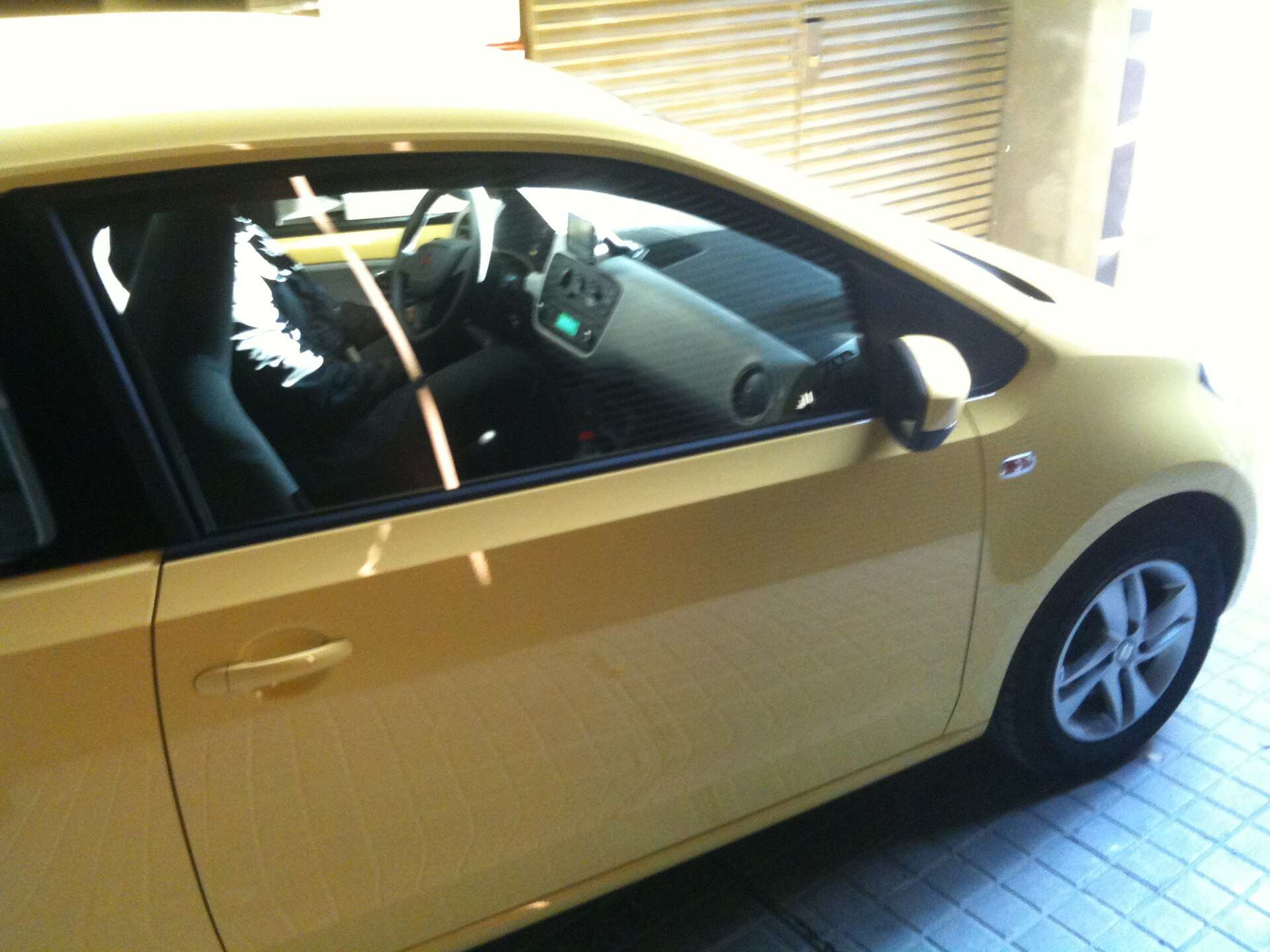
Inspect seat bolsters, seat runners, belt condition and rear-seat locking. On a three-door, make sure the front seats release and return correctly. With children, check child locks, the handbook’s restraint instructions and compatibility with your actual seat. Do not buy a car whose access arrangement you already find difficult because a five-door seems slightly more expensive.
Review a weak-starting or intermittent electrical complaint as a charging-system problem to diagnose. Battery condition, terminals, earths, parasitic drain, starter and alternator can all matter. Stop/start-equipped examples need an appropriate battery; a cheap battery of the wrong type can create a misleading saving. The lack of a stop/start event during one drive does not, by itself, prove a failed component because operating conditions affect the system.
Check both the equipment originally specified and any later additions. Poor stereo wiring, unsupported phone chargers and improvised alarm installations can cause trouble that is unrelated to the original car’s reputation. Ask whether coding or wiring was changed and keep invoices for competent remedial work.
UK maintenance: parts, labour and fitted costs
Separate a published menu price from a car-specific quote. The references below are UK provider prices and estimates observed in November 2026, not guaranteed bills or eBay listing prices. They illustrate why parts-only costs and fitted costs cannot be treated as interchangeable. Prices may change and exact application, location, VAT treatment and additional work must be confirmed before booking.
| Job and reference application | Published parts cost | Published labour time | Published fitted/menu reference |
|---|---|---|---|
| up! annual service, Arnold Garage menu | Included items listed by provider; no separate breakdown | Not published separately | From £155; confirm exact scope and final inclusive quote |
| up! major service, same menu | Provider’s applicable service items | Not published separately | From £235; compare actual included work |
| up! 1.0 2013 manual clutch, ClickMechanic estimate | £172–£207 | 4–5 hours | Independent £397–£450; franchise £709–£808 |
| up! 1.0 2013 timing belt, ClickMechanic estimate | £191–£229 | 1–3 hours | Independent £262–£327; franchise £385–£528 |
| up! 1.0 2013 alternator, ClickMechanic estimate | £358–£436 | 1–2 hours | Independent £413–£462; franchise £565–£634 |
Sources: Arnold Garage up! service menu; ClickMechanic’s clutch, timing-drive and alternator estimates. ClickMechanic describes its figures as estimates compiled from multiple sources and warns that actual provider prices can lie outside the ranges. The cost/time ranges are not paired minimum and maximum invoices; do not subtract them to invent an hourly labour rate.
The timing estimate names the belt as its included item. It is not evidence that every tensioner, pump, separate drive, fastener or associated repair is covered. Likewise, a manual clutch estimate is not an ASG actuator quote. Do not transfer these up! reference figures directly to every Mii or Citigo without obtaining the correct application and workshop scope.
What a useful service history should show
Ask for the oil specification, filters changed, plug replacement where due, brake-fluid history, timing-drive assessment and evidence of repairs. A service light reset or a “full service” label cannot tell you which of those items happened. Compare dates and mileages across invoices, the service book, MOT records and the odometer.
Use the actual manufacturer’s schedule as the starting point and discuss age, repeated short journeys and previous gaps with the workshop. Do not copy the service schedule of a turbocharged TSI, an electric version or an unrelated older Volkswagen engine. On a newly purchased car with incomplete records, plan a documented baseline service and inspection rather than replacing random parts.
Service-parts table: eBay links for each badge
Affiliate disclosure: the eBay links below use our affiliate campaign. We may earn a commission from qualifying purchases at no extra cost to you. They open model-specific search results, not a guarantee that every item shown fits or meets a particular quality standard. Match VIN, engine and gearbox codes, part numbers and the installer’s requirements before ordering.
| Part/job | Choose your badge | Fitment and buying check |
|---|---|---|
| Oil and filter service kit | up! · Citigo · Mii | Confirm the engine code and the actual oil approval, not viscosity alone. |
| Air filter | up! · Citigo · Mii | Check housing and engine application; a service kit may omit this. |
| Cabin/pollen filter | up! · Citigo · Mii | Match the housing and filter type; investigate damp rather than masking it. |
| Spark plugs | up! · Citigo · Mii | Correct specification and quantity for the three-cylinder MPI. |
| Ignition coil | up! · Citigo · Mii | Confirm connector/part number and diagnose a misfire before ordering. |
| Timing-belt kit | up! · Citigo · Mii | Establish exact engine, tensioner and kit contents with the installer. |
| Cooling pump/thermostat parts | up! · Citigo · Mii | Match the actual assembly and separate drive arrangement; diagnose the leak. |
| Manual clutch kit | up! · Citigo · Mii | Check gearbox code, release components and any additional parts the workshop requires. |
| Front brake discs and pads | up! · Citigo · Mii | Confirm disc dimensions and brake application before buying a set. |
| Rear brake shoes/cylinders | up! · Citigo · Mii | Check drum/brake specification; an inspection determines the repair scope. |
| Battery | up! · Citigo · Mii | Use the correct capacity, technology and stop/start application. |
| Alternator | up! · Citigo · Mii | Match output, pulley, connections and stop/start fitment; charging diagnosis comes first. |
For a timing job, compare the contents of the up! timing-kit results, Citigo kits or Mii kits with the written workshop specification. If an alternator is diagnosed, check up!, Citigo or Mii alternator results for the correct output, pulley and connections, including any exchange-unit surcharge.
Agree responsibility before supplying your own parts. A garage may prefer to source components so it can control fitment and warranty. Delivery costs, return postage, a refundable core charge and time lost to a wrong component can remove an apparent saving. Avoid buying safety-critical or timing components solely because a seller’s title contains the three model names.
Hidden ownership costs
Insurance: get a quote for the actual registration before paying a deposit, particularly for a first driver. A modest engine and a low advertised insurance group do not guarantee an affordable individual premium. Disclose wheels, suspension, tuning and other modifications accurately.
Tax: do not assume every petrol example is free or low-rate because an earlier advertisement says so. Registration date and the car’s recorded emissions/tax position matter. Check the individual vehicle through the official service and budget the current amount. The seller’s historic tax payment is not your future bill.
Small repairs in combination: tyres, a second key, air-conditioning diagnosis, missing infotainment hardware and brake work can turn an inexpensive car into a substantially larger first-year spend. Make a list and price each item before negotiating. A shiny special edition with several unresolved faults may offer less value than a plainer car with recent, documented maintenance.
Downtime: an ASG diagnosis or an intermittent leak can take longer than a straightforward oil service. If this will be your only transport, discuss workshop availability, parts lead time and alternative travel. A warranty that requires the car to remain at a distant seller may have practical costs beyond its excess.
The viewing and test-drive checklist
Before travelling
- Confirm the registration, VIN, engine, transmission, doors and actual equipment. Ask for service invoices and the reason for sale.
- Review MOT history for repeated advisories, mileage progression, corrosion and recurring repairs. Clarify any gaps rather than assuming their cause.
- Ask specifically about water leaks, clutch/gearbox work, warning lights, coolant loss and accident repairs.
- Agree a cold start and a useful test drive. Arrange an independent inspection and lift access if the purchase depends on hidden condition.
- Get an insurance quote and reserve money for immediate work.
At the car
- Check identity and documents before being distracted by trim. Investigate inconsistent numbers or unexplained paperwork.
- Inspect body gaps, repair finish, glass, tyres and the visible underside. Look into the boot and feel accessible carpets.
- Observe ignition warning lamps, cold starting, idle and warm-up. Inspect fluid levels only under safe conditions.
- Try every electrical function, both keys, heater and air conditioning. Test the seat-folding and access arrangements you will actually use.
- Drive the car until properly warm. Assess all gears, clutch take-up, braking, steering, suspension noises and a hot restart.
- For ASG, include normal stop/start traffic and reverse; ask a relevant specialist to interpret abnormal behaviour and stored faults.
Before committing
Request a written inspection report that distinguishes observed defects, confirmed causes and work that needs further diagnosis. Turn each material issue into a repair scope and quote. If the inspection is limited, understand what remains unknown. A generic scan with no active lamp cannot certify the engine, clutch, body or every control unit.
Choose another example if the seller will not permit a reasonable assessment or cannot explain a material identity, structural or running concern. There are enough ordinary petrol cars in this shared family to make patience practical. The object is to buy economical transport with evidence, not to win an argument about whether an unexplained noise is normal.
Frequently asked questions
Which is best: up!, Citigo or Mii?
For most used buyers, condition, history and equipment should decide. Compare all three and pay a badge premium only when the individual car justifies it. Trim names and appearance are not reliable substitutes for an inspection.
Does the 1.0 MPI have a belt or chain?
It has a toothed camshaft timing belt. Confirm the inspection/replacement requirements for the actual engine and VIN with current manufacturer information. Do not import a chain or wet-belt description from another engine.
Is ASG the same as DSG?
No. It is an automated manual. Understand its normal shift character, test it cold and hot and obtain specialist diagnosis for abnormal selection, judder or warnings.
Is a 75 PS car always worth more?
No. Its suitability and condition matter. The early 60 and 75 PS versions share a quoted 95 Nm maximum torque; the higher output does not make the engine turbocharged. Try both if faster-road use is important.
Should I reject one with high mileage?
Not solely for the number. Read the maintenance record and inspect wear throughout the car. Low mileage can still conceal repeated short-trip use, clutch wear, standing-related brake problems and deterioration.
Can I use one service kit for all three?
Only if the exact application matches. Shared architecture does not make every engine, battery, brake, gearbox or production-date choice identical. Check part numbers and the car’s codes.
Our recommendation
Shortlist the best manual MPI across all three badges, verify the equipment you need and inspect it from cold to fully warm. Pay attention to dryness, clutch and gear selection as well as engine health. Establish the timing-drive requirements and the first-year repair budget before agreeing a price. The strongest purchase is the car whose useful simplicity is backed by maintenance and condition.

Love cars you don’t see every day?
Get forgotten cars, surprising motoring stories and the most interesting finds from Unusual Cars by email.
Free to join. No spam. Unsubscribe whenever you like. See our privacy policy.