Vauxhall performance guide
The Vauxhall Astra GSi badge covers two genuinely interesting but very different hot hatches: the light, analogue Mk3 GSi 16v of the 1990s and the later Mk4 GSi Turbo. This UK buying guide separates them properly, explains what makes each one worth preserving and focuses on the checks that matter before money changes hands.
Quick answer: buy condition, completeness and documented maintenance before mileage or modifications. A sound, largely original Astra GSi with the right engine, bodywork and trim is usually a far better ownership proposition than a cheap project with unknown history.
Which Vauxhall Astra GSi are you looking at?
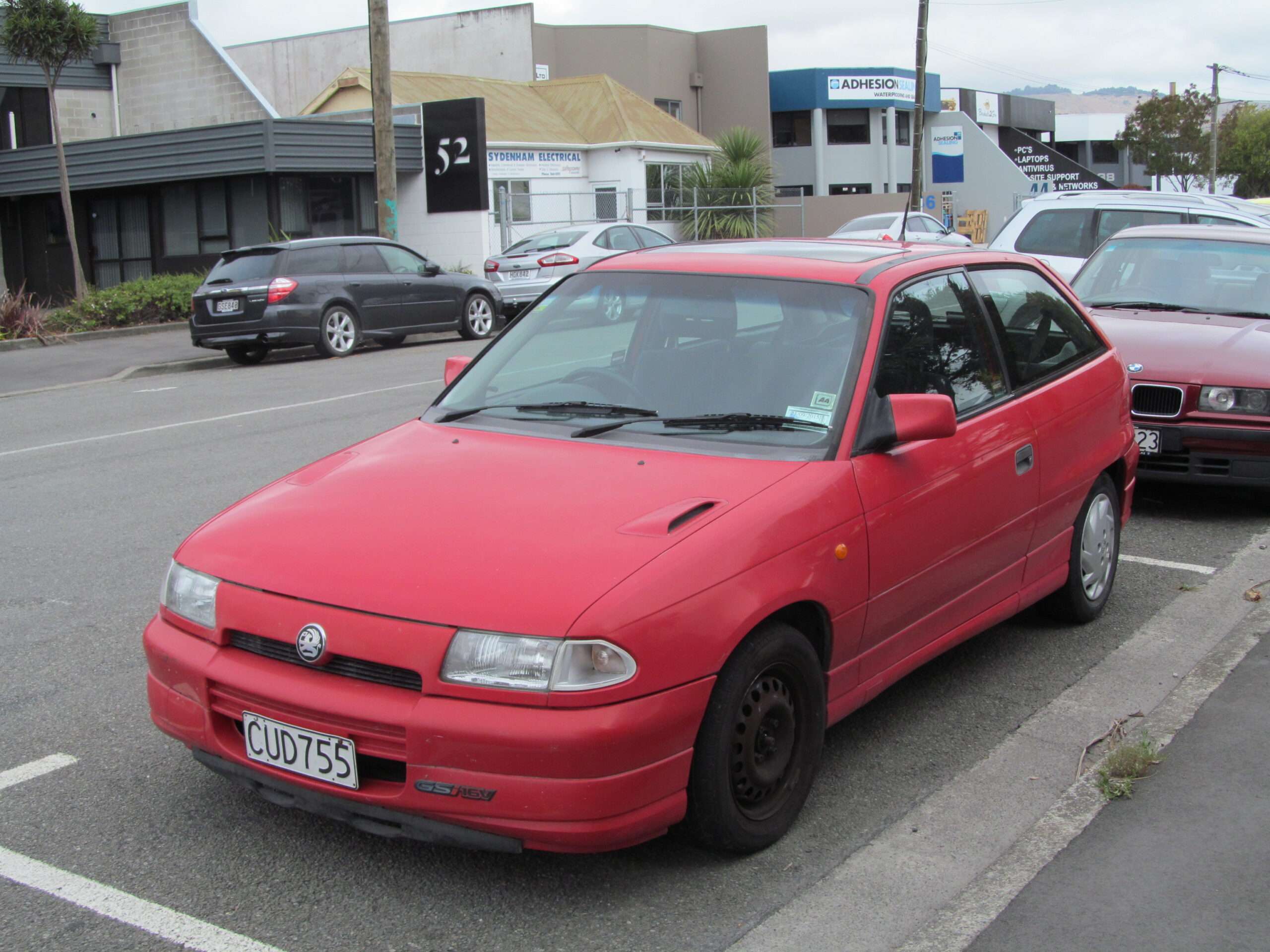
“Astra GSi” is a useful search term, but not a single car. The Mk3 Astra GSi was a three-door hot hatch from the Astra F generation. The 2.0-litre 16-valve version is the one most enthusiasts seek: compact, naturally aspirated and from an era when a hot hatch could still feel simple and direct. The later Mk4 GSi Turbo is a different proposition, with turbocharged power, different bodywork and a more modern driving character.
That distinction matters when researching adverts. A Mk3 GSi is not a factory turbo GSi. The turbocharged 2.0-litre GSi arrived with the later Mk4. Vauxhall’s own heritage material describes the Mk4 GSi, introduced in 2002, as using a 197bhp turbocharged 2.0-litre engine; it is therefore sensible to treat the two cars as related badgeholders rather than interchangeable versions of the same Astra.
| Model | What it is | Why it matters now |
|---|---|---|
| Mk3 Astra GSi 16v | Three-door, naturally aspirated 2.0 16v hot hatch | The purist’s choice: lighter feel, period character and increasingly rare original examples. |
| Mk4 Astra GSi Turbo | Later three-door turbocharged 2.0-litre GSi | The faster, more modern option; condition and evidence of sympathetic upkeep are crucial. |
Mk3 Astra GSi 16v: the analogue favourite
The Mk3 GSi arrived during a period when Vauxhall still made a clear sporting flagship of the three-door Astra. It was not merely a body kit on a regular hatch: the GSi combined a purposeful stance with a more focused chassis and a proper performance engine in 16-valve form. Period detail matters here. Original bumpers, side skirts, wheels, seats, instruments and badging are difficult to replace correctly, and a car that retains them has a much stronger case than one assembled from mixed parts.
Not every GSi has lived an easy life. Many were modified, raced, broken for engines or simply allowed to rust while values were low. That makes a clean, well-recorded survivor especially appealing. Do not be put off by sensible upgrades that are documented and reversible, but be wary of an advert that is vague about the engine, shell repairs or identity of the car.

What to inspect on a Mk3 Astra GSi
Body and corrosion
Start with the shell rather than the badge. Inspect the sills, jacking points, rear arches, inner arches, floorpan, front chassis areas, suspension mounting points and boot floor. Fresh underseal can be good preservation work, but it can also hide a poor repair; ask for photographs and invoices. Check panel gaps, paint transitions and the floor beneath the spare wheel. A cosmetic tidy-up is one thing; structural corrosion is another.
Engine, cooling and transmission
Confirm the engine fitted to the car against its documentation and check for a credible service record. On a 16-valve car, evidence of correct cambelt work and cooling-system maintenance is more valuable than an unsupported power claim. Listen from cold, let the engine reach temperature and look for cooling-system pressure issues, oil leaks, uneven running or a warning light that has been explained away. A precise gearchange, a clutch that engages cleanly and an engine that pulls smoothly are all better signs than a shiny engine bay.
Chassis, brakes and steering
A test drive should reveal a car that tracks straight, brakes consistently and does not clonk excessively over poor roads. Worn bushes, tired dampers and neglected brakes are not unusual on a thirty-year-old performance hatch, but they need to be priced as work rather than dismissed as character. Original-specification wheels and sensible tyres are a worthwhile clue that an owner has understood the car.
Mk4 Astra GSi Turbo: what changed?
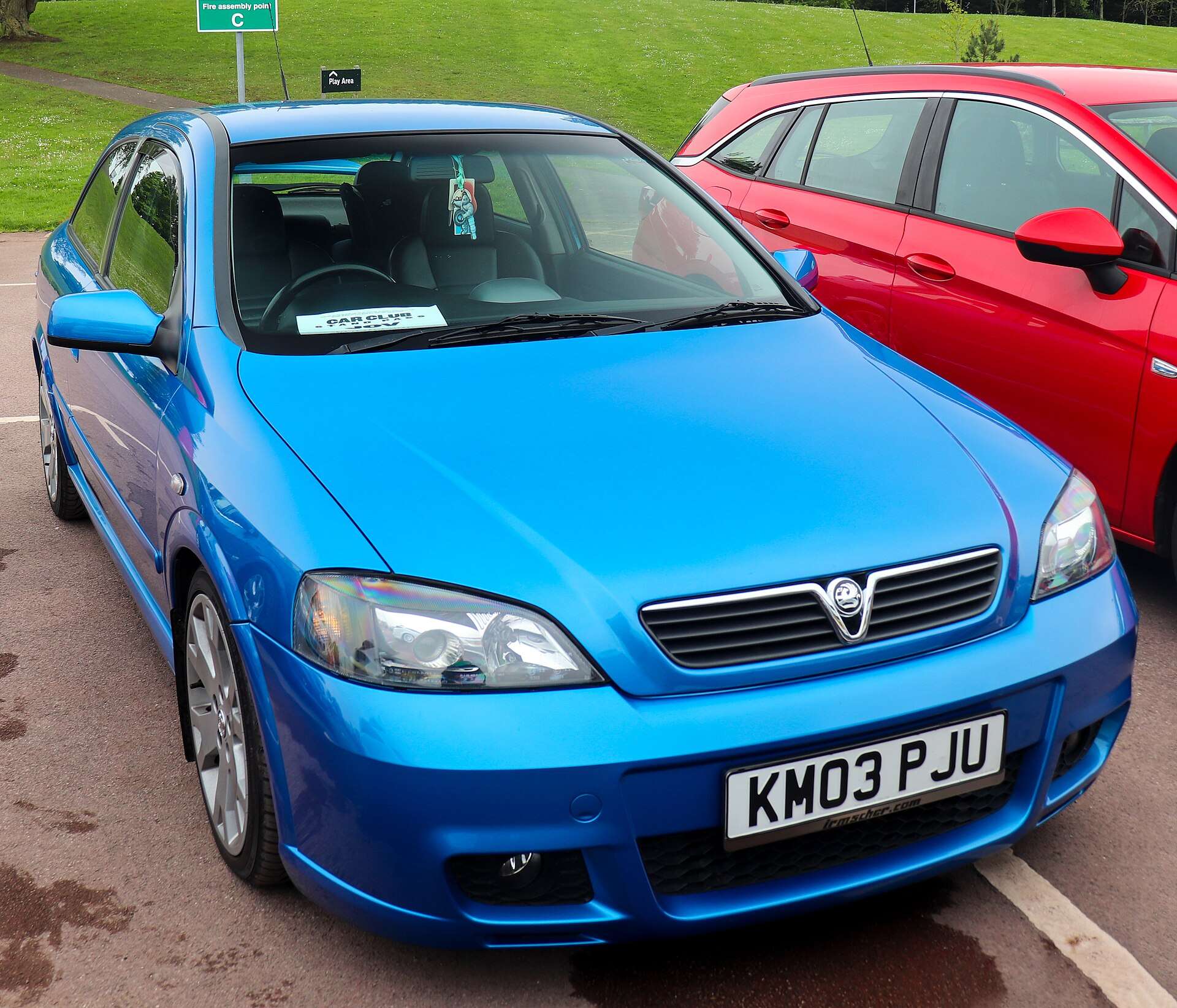
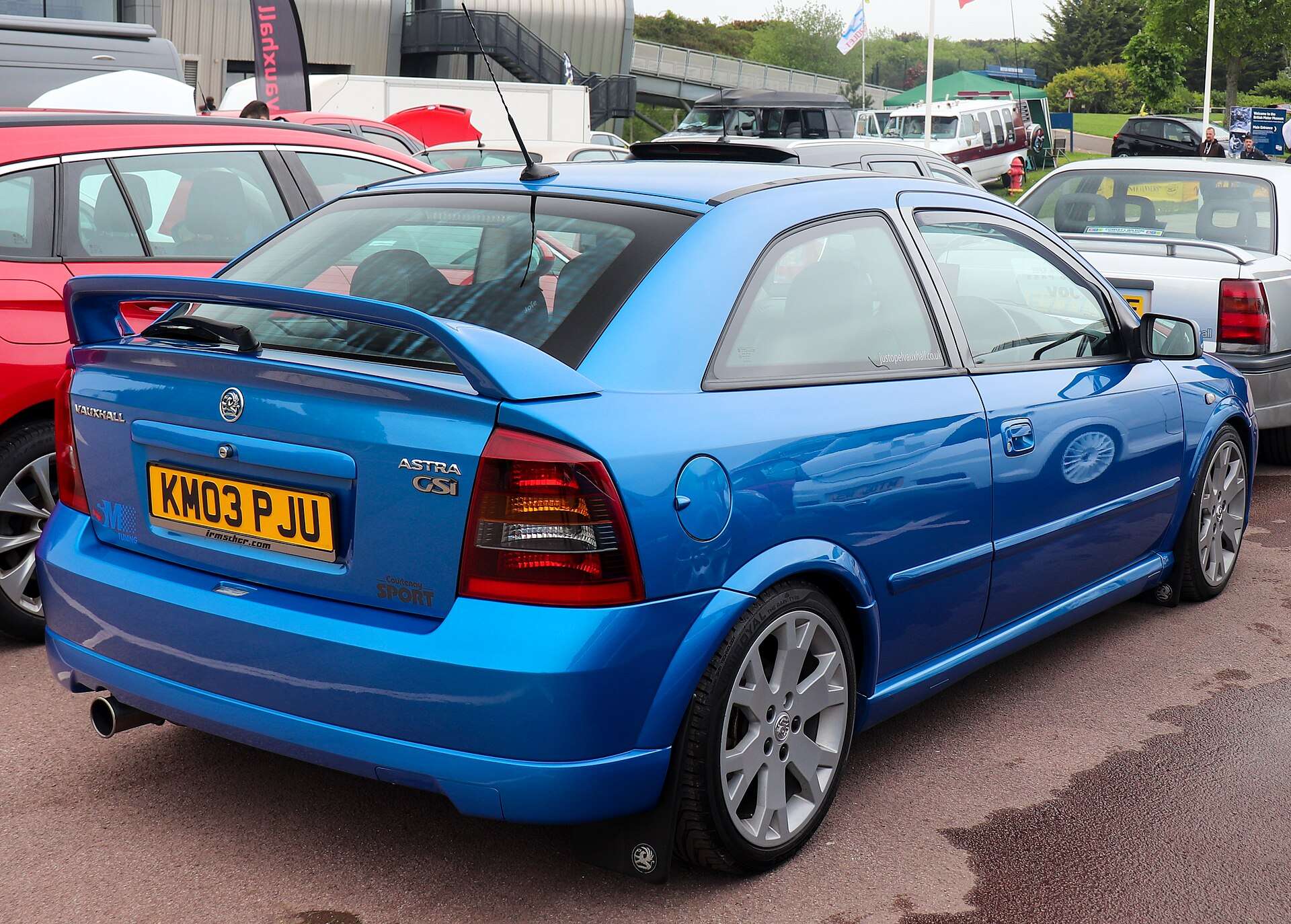
The Mk4 GSi Turbo is a separate chapter. It has the stronger, turbocharged 2.0-litre performance expected of an early-2000s hot hatch, but it also has more systems, more heat under the bonnet and a different set of buying priorities. Vauxhall quoted 197bhp, 150mph and 0–62mph in seven seconds for the model. It feels materially faster than the older naturally aspirated GSi, yet it still needs a buyer who is interested in maintenance, originality and the quality of the base car.
Check for evidence of correct servicing, turbo and cooling-system health, clean boost delivery and a gearbox that behaves properly when warm. Inspect the car for poor-quality modifications, tired suspension, aftermarket wiring and missing GSi-specific trim. A standard-looking car with a comprehensive folder is generally the safer route than one with an ambitious parts list but little proof.
Originality, modifications and value
Both generations were natural targets for aftermarket tuning. That does not automatically make a car undesirable, but modifications should be assessed by their quality, legality and reversibility. Original interior trim, correct exterior parts, undamaged wiring and a sensible ride height all help a car retain its identity. A documented restoration can be very attractive; an undocumented repaint, swap or “GSi replica” needs much closer inspection.
Ask the seller for the VIN, registration history, invoices, photographs of any structural work and details of modifications. Compare the car with period brochures and owner-club knowledge before travelling. If the numbers, history and visible car do not tell the same story, walk away.
A practical Astra GSi viewing checklist
- Check the VIN, V5C and engine description before viewing.
- Inspect sills, arches, floors, suspension pick-up points and the boot floor in daylight.
- Ask for cambelt and servicing evidence; do not rely on a seller’s estimate.
- Start the car cold and allow it to reach full temperature.
- Test clutch, gearchange, steering, brakes and all electrical equipment.
- Check that GSi-specific trim, seats, wheels and badges are present or honestly described.
- Price corrosion repair, missing trim and incomplete history as real costs.
Related Vauxhall guides
- Vauxhall Astra GTE Mk1 & Mk2 guide
- Vauxhall Calibra Turbo 4×4 guide
- Vauxhall Cavalier Turbo 4×4 guide
- Rare & performance Vauxhalls hub
Frequently asked questions
Was there a turbocharged Mk3 Astra GSi?
No. The Mk3 GSi’s best-known 2.0-litre performance version is naturally aspirated. The turbocharged 2.0-litre Astra GSi was the later Mk4 model.
Is a Mk3 Astra GSi 16v a good classic?
Yes, provided the shell is sound, the car is correctly identified and its history makes sense. It is now rare enough that original condition and body integrity should lead the decision.
What is the biggest Astra GSi buying risk?
Buying the badge rather than the car. Corrosion, incomplete identity, poor repairs and undocumented engine or wiring work can cost far more than the price difference to a better example.
Research note
Model differentiation and performance context checked against Vauxhall / Stellantis heritage material. Image credits are shown with each photograph. This guide is general buying information, not a substitute for an inspection by a marque specialist.