UNUSUAL CARS MODEL GUIDE
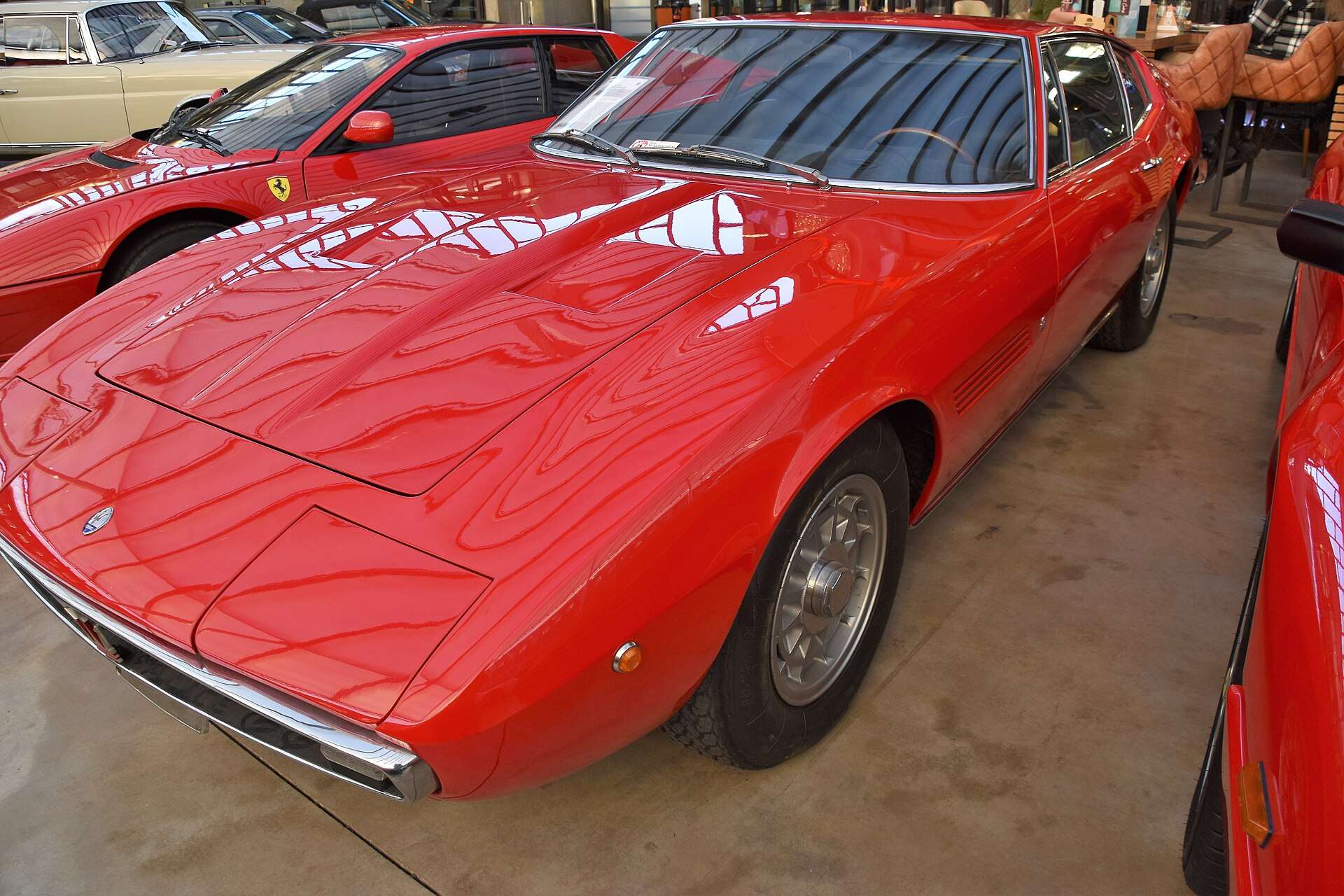
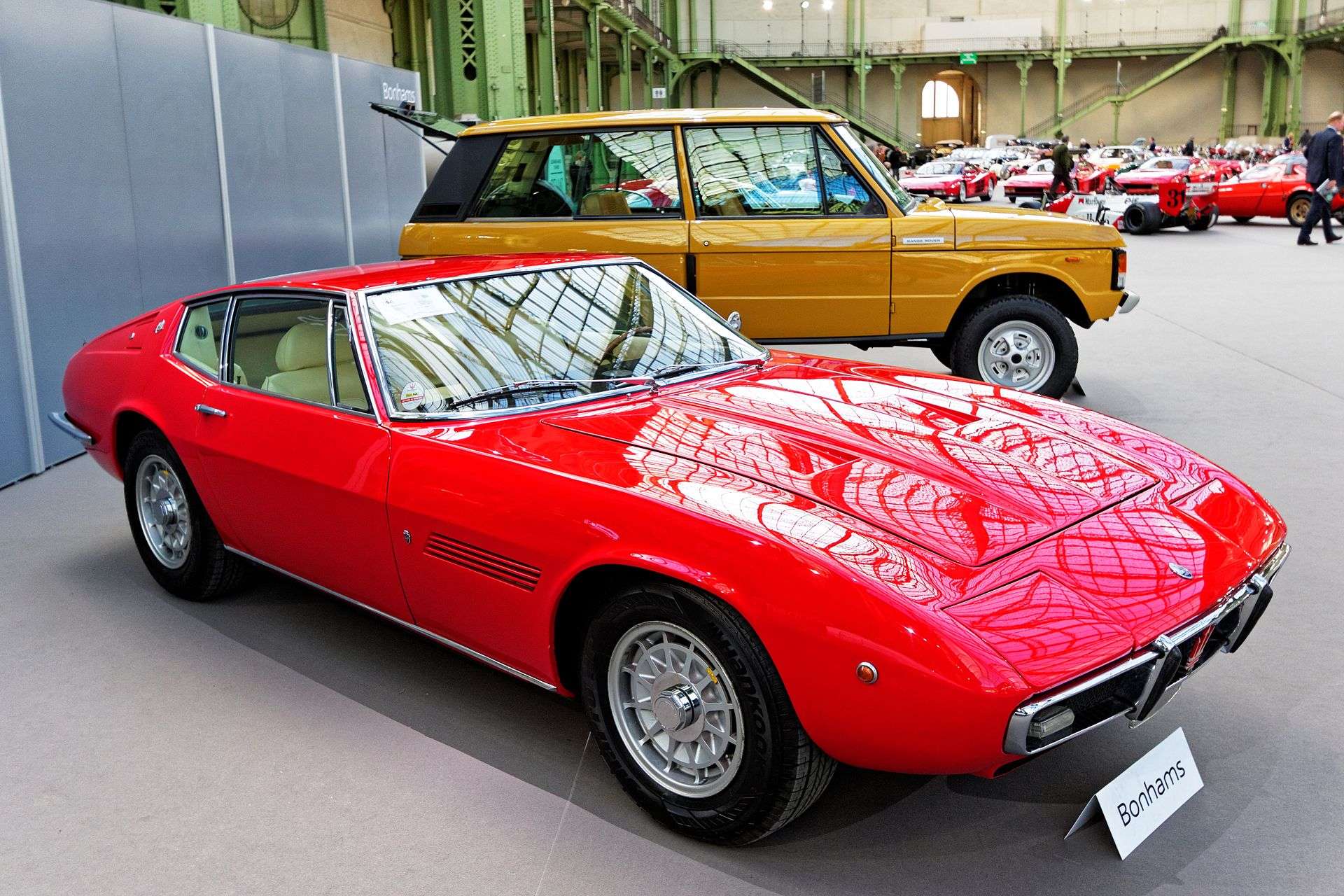
The first Maserati Ghibli was a front-engined V8 grand tourer built from 1967 to 1972. Giorgetto Giugiaro designed its low, long-nosed body while working at Ghia, and Maserati offered 4.7-litre, 4.9-litre SS and exceptionally rare two-seat Spyder versions.
Quick answer: the Tipo AM115 is one of Maserati’s defining road cars, but buying one is specialist territory. Verify the chassis and build identity, inspect the steel body and structure for corrosion, confirm the dry-sump V8’s oil pressure and cooling health, and judge restoration quality rather than shine alone.
Featured image: green first-generation Maserati Ghibli coupé. Photograph by pyntofmyld, CC BY 2.0, via Wikimedia Commons; locally hosted.
Why Maserati created the original Ghibli
Maserati unveiled the Ghibli on the Ghia stand at the 1966 Turin Motor Show, with customer deliveries beginning in 1967. It sat above the Mexico as a more dramatic two-door GT and competed for attention with the Ferrari 365 GTB/4, Lamborghini Islero and Aston Martin DBS.
Giugiaro’s body placed pop-up headlamps ahead of an unusually low bonnet. A dry-sump lubrication system allowed the twin-cam V8 to sit lower, while Vignale manufactured the steel bodies with an aluminium bonnet. Production cars were nominally 2+2s, although the rear seats were limited.
4.7, Ghibli SS and Spyder
| Version | Years | Engine | Factory output | Factory count |
|---|---|---|---|---|
| Ghibli | 1967–1972 | 4,719cc V8 | 330hp | 779 coupés |
| Ghibli SS | 1969–1972 | 4,930cc V8 | 335hp | 425 coupés |
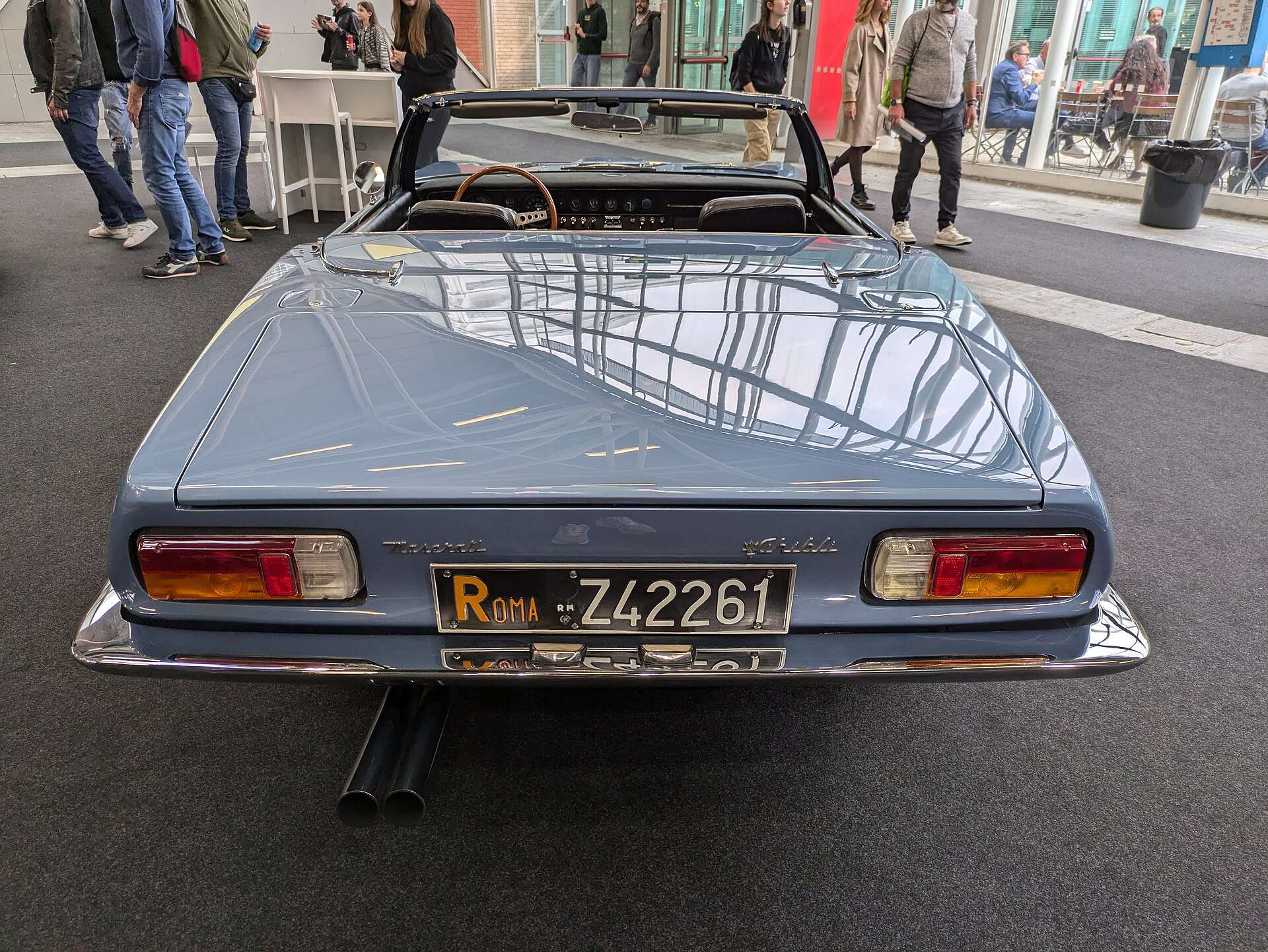
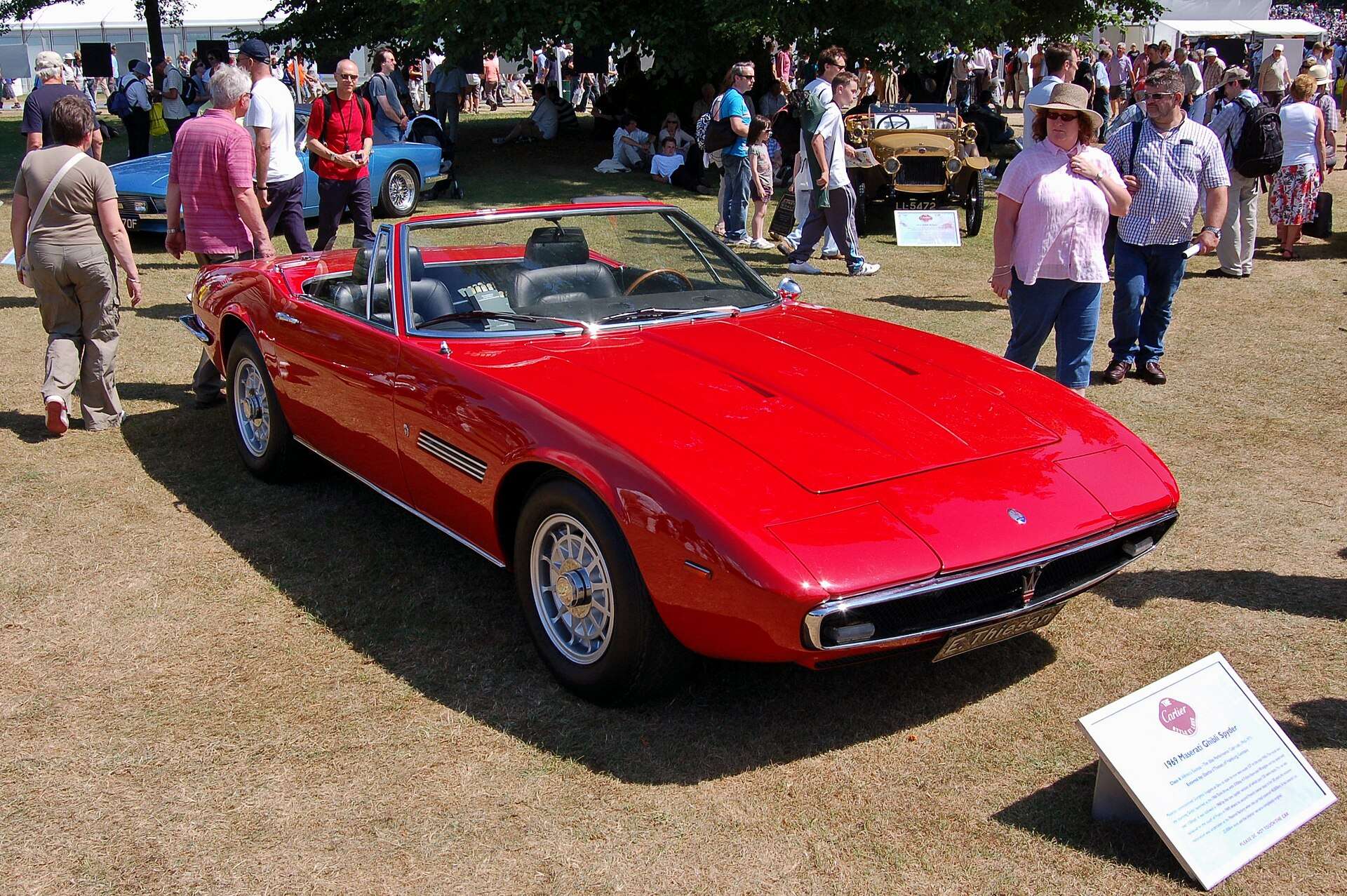
| Ghibli Spyder | 1969–1972 | 4.7 or 4.9 V8 | As related coupé | 125 cars |
Maserati’s archive figures separate 779 standard coupés and 425 SS coupés. The open Spyder is much rarer, and genuine factory cars must be distinguished from later coupé conversions. A ZF five-speed manual was standard, with a three-speed automatic available.
Love cars you don’t see every day?
Get forgotten cars, surprising motoring stories and the most interesting finds from Unusual Cars by email.
Free to join. No spam. Unsubscribe whenever you like. See our privacy policy.
Chassis, steering and road character
The Ghibli used a tubular steel platform frame, independent front suspension and a live rear axle located by semi-elliptic leaf springs. That specification sounds traditional beside later mid-engined rivals, but the car was designed as a stable, fast continental GT rather than a racing special.
Correct tyres, dampers, bushes and geometry matter. Excessive wandering, steering play, driveline vibration or rear-axle noise should not be dismissed as period character. Cars converted between left- and right-hand drive deserve close inspection of steering, pedals, wiring and documentation.

Body and corrosion inspection
Inspect the chassis, outriggers, sills, floors, suspension mounts, screen surrounds, door bottoms and the junction between the aluminium bonnet and steel structure. Poor repairs can distort the long body and compromise panel fit. Replacement glass, bumpers, lamps and model-specific trim are expensive.
Provenance is especially important for a Spyder or SS. Check chassis and engine numbers against factory records, confirm the original body style and retain restoration photographs. A freshly restored car without structural evidence can be riskier than an honest older restoration.
Engine, cooling and fuel system
Start the V8 cold and confirm prompt oil pressure, stable temperature, clean exhaust and even response from the four Weber carburettors. Check the dry-sump tank and lines, cooling system, fuel pumps and both fuel tanks. Overheating, low hot oil pressure, heavy smoke or persistent timing-chain noise requires expert diagnosis.
The ZF gearbox should select cleanly once warm, the clutch should engage progressively and the differential should remain quiet. Brakes, wheel bearings and suspension must be rebuilt as complete systems rather than cosmetically refreshed.

Sources and further reading
- Maserati Classiche: Ghibli history and specifications
- Hagerty UK: significant Maserati road cars
- Sports Car Market: Maserati Ghibli buyer’s guide
Continue the Maserati story
Explore the complete Maserati hub. Continue with the Maserati 3500 GT and Maserati Khamsin.
Frequently asked questions
When was the original Maserati Ghibli built?
The first-generation Tipo AM115 Ghibli was produced from 1967 to 1972 after its debut at the 1966 Turin Motor Show.
What is a Maserati Ghibli SS?
The Ghibli SS is the 4.9-litre version introduced in 1969, with a factory-rated 335hp and higher quoted top speed.
How many original Ghibli Spyders were built?
Maserati records 125 factory Spyders, making correct identity and provenance essential.
Who designed the first Maserati Ghibli?
Giorgetto Giugiaro designed it while working at Ghia; Vignale manufactured the production bodies.
What should be checked before buying one?
Use a Maserati specialist to inspect chassis corrosion, body repairs, identity, the dry-sump V8, cooling, fuel system, gearbox, axle, brakes and restoration records.