UNUSUAL CARS MODEL GUIDE
The Ferrari California and California T brought a folding metal roof, front-mounted V8, dual-clutch transmission and occasional rear seats into one unusually usable grand tourer. The naturally aspirated California appeared in 2008; the comprehensively revised twin-turbo California T followed in 2014 and led directly to the Portofino.
Quick answer: choose on condition and history rather than badge alone. Early dual-clutch cars need particular scrutiny, and every example requires repeated roof operation plus diagnostic testing. Inspect gearbox behaviour, hardtop hydraulics and sensors, engine mounts, cooling, suspension, brakes, body, interior electronics and evidence of correct annual servicing.
Featured image: red Ferrari California front three-quarter. Photograph by Sicnag, CC BY 2.0, via Wikimedia Commons; locally hosted.
A new kind of Ferrari grand tourer
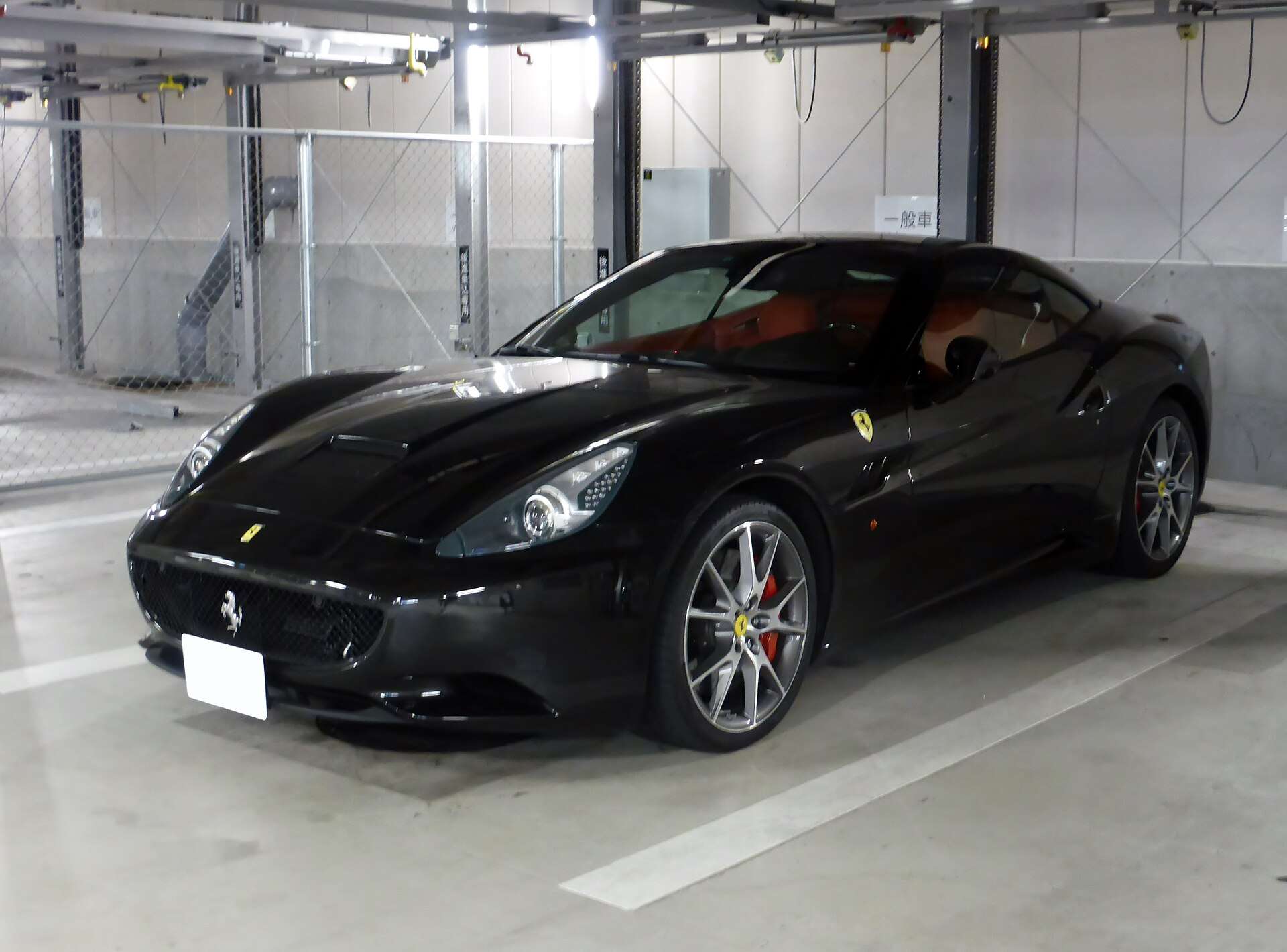
The 2008 California was Ferrari’s first series-production car with a front-mounted V8 and its first road car with a seven-speed dual-clutch gearbox. It also introduced direct fuel injection to the marque’s production road range. The two-piece roof folds beneath the boot lid, creating a coupé when raised and an open car when lowered.
A transaxle layout helped balance the 4.3-litre engine, while the rear seats could carry children or luggage. The 2012 California 30 update added 30cv and removed about 30kg. Its optional Handling Speciale package quickened steering and revised damper control without turning the California into a circuit-focused car.
California T: turbo power returns
| Version | Engine | Power | Maximum speed |
|---|---|---|---|
| California | 4,297cc naturally aspirated V8 | 460hp | 310km/h |
| California 30 | 4,297cc naturally aspirated V8 | 490cv | 312km/h |
| California T | 3,855cc twin-turbo V8 | 560cv | 316km/h |
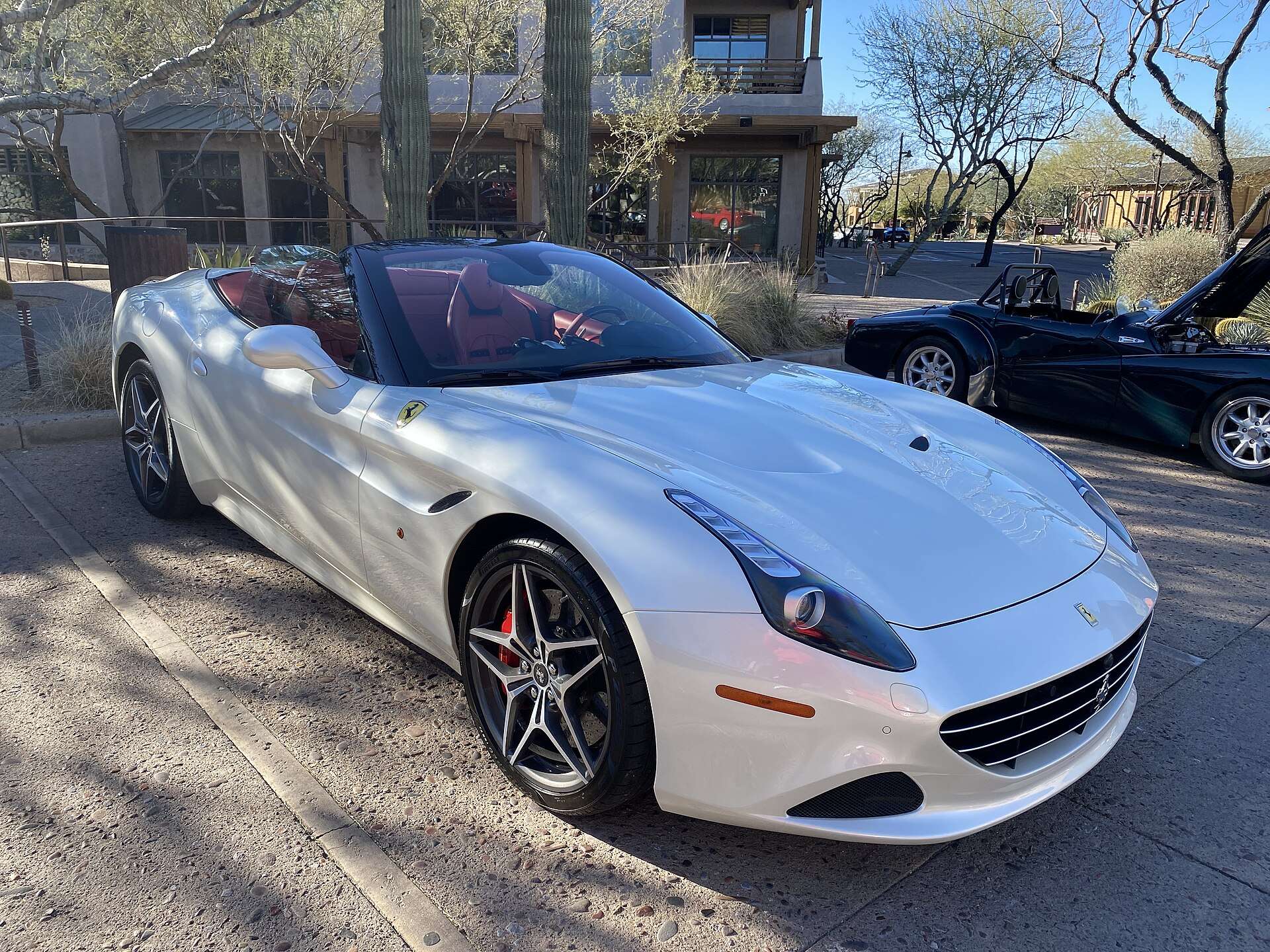
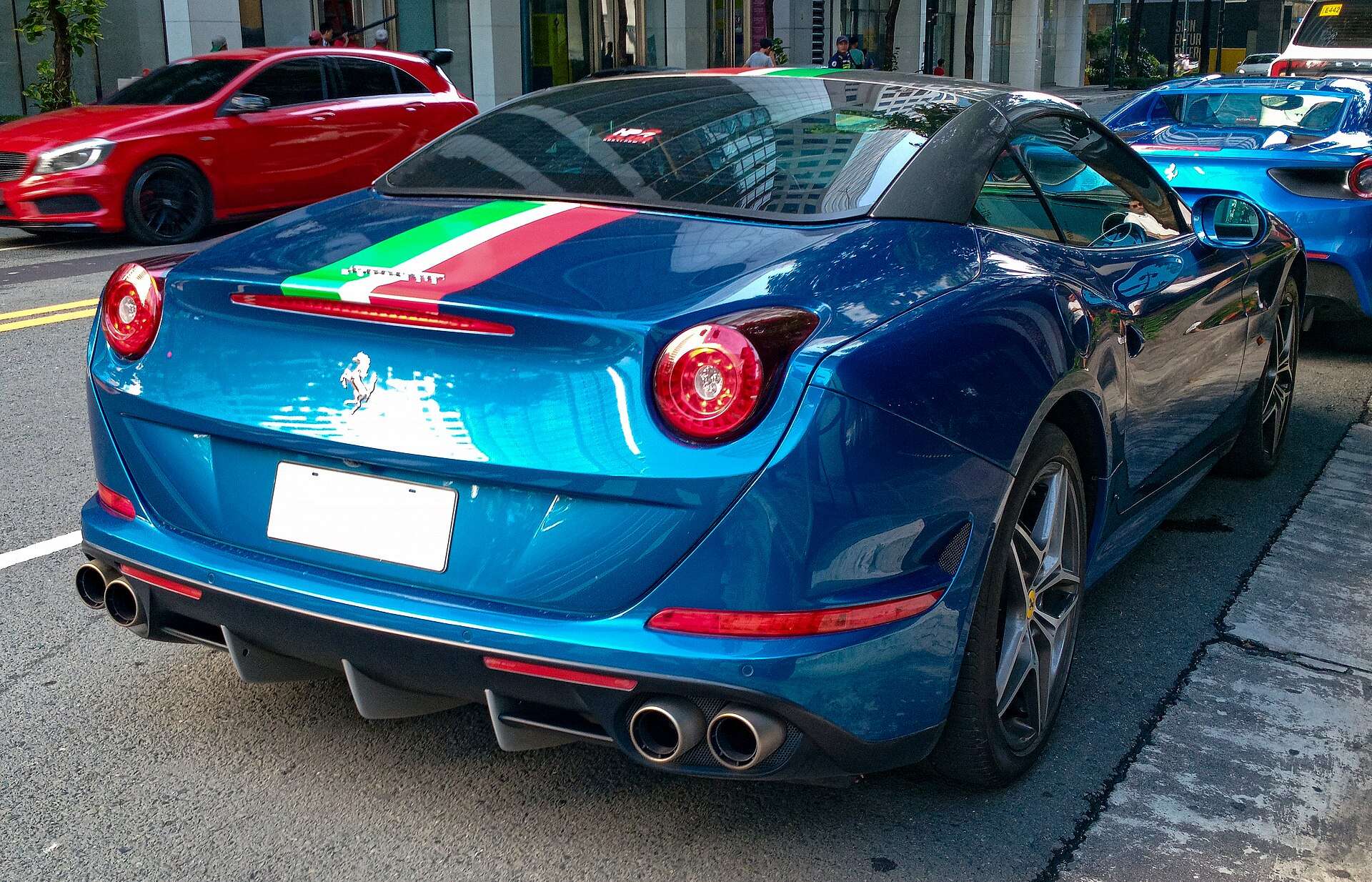
The California T was more than an engine change. New bodywork, steering, suspension, cabin and electronics accompanied the 3.9-litre twin-turbo V8. Ferrari shaped boost delivery to preserve a rising torque curve and more natural response. The T’s Handling Speciale option added firmer damping, faster gearbox settings and a louder exhaust.

Love cars you don’t see every day?
Get forgotten cars, surprising motoring stories and the most interesting finds from Unusual Cars by email.
Free to join. No spam. Unsubscribe whenever you like. See our privacy policy.
History, options and everyday evidence
Verify model year, California 30 or T status, original colours and options from the build information. Popular equipment includes magnetic dampers, carbon trim, upgraded seats, cameras and Handling Speciale. Confirm that books, both keys, tools, tyre inflator and battery conditioner remain with the car.
These Ferraris were designed to be used, so a well-maintained higher-mileage car can be safer than a neglected low-mileage example. Review annual services, fluid changes, battery history, tyres, brake work and software updates. Ask whether the gearbox, roof, engine mounts or suspension have already received repairs and insist on detailed invoices.
Roof and dual-clutch transmission
Operate the roof several times with the engine running and on level ground. It should move smoothly, latch cleanly and leave even panel gaps without warning messages. Slow, jerky or asymmetric movement can indicate weak hydraulics, damaged sliders, alignment problems or sensor faults. Inspect seals, drains, boot dividers and luggage areas for trapped water.
Early California dual-clutch gearboxes have attracted reports of speed-sensor and internal failures. A specialist scan and extended hot road test are mandatory. Engagement of drive and reverse should be prompt, changes should be clean and warning lights must remain absent. Later software and hardware are generally better developed, but no California or T should be bought on a short demonstration alone.

Engine, chassis, brakes and cabin
Start cold and check for smoke, leaks, rattles, warning lights and stable oil and coolant temperatures. Worn engine mounts can cause noticeable vibration. On the T, inspect turbocharger oil and coolant lines, intake plumbing and heat shielding. Both generations need clean radiators, functioning fans and documented maintenance.
Examine the nose, sills, undertrays and rear body for grounding or accident repair. Check wheels for cracks and tyres for age and uneven wear. Test magnetorheological dampers where fitted and listen for suspension knocks. Carbon-ceramic brakes require condition measurement; conventional discs need inspection for corrosion and vibration. Inside, check sticky switches, shrinking leather, seat mechanisms, climate control, cameras, parking sensors, navigation and every steering-wheel function.

Sources and further reading
- Ferrari: California archive and specifications
- Ferrari: California T company and technical overview
- Ferrari: return to turbocharging with the California T
- Performance Car Intelligence: California buying checks
Continue the Ferrari story
Explore the complete Ferrari hub. Continue with the Ferrari Portofino and Ferrari FF and GTC4Lusso.
Frequently asked questions
What is the difference between the Ferrari California and California T?
The original uses a naturally aspirated 4.3-litre V8. The substantially revised California T uses a 3.9-litre twin-turbo V8 and updated body, cabin, steering, suspension and electronics.
What is the California 30?
It is the 2012 update of the naturally aspirated California, with about 30cv more power and approximately 30kg less weight.
Do all Ferrari Californias have a folding metal roof?
Yes. Both California generations use a two-piece retractable hardtop that creates a closed coupé or open car.
What gearbox does the Ferrari California use?
Both generations use a seven-speed dual-clutch rear transaxle; the earliest cars need careful diagnostic and road-test scrutiny.
What should be checked before buying a California?
Cycle the roof repeatedly and inspect its hydraulics and sensors, then check gearbox operation, engine mounts, cooling, suspension, brakes, body, electronics and annual service history.