
Unusual Cars marque guide
Ford’s performance back catalogue goes far beyond the obvious heroes. From dramatic V6 Sierras and turbocharged Escorts to the fast saloons and overlooked specials that followed, this collection brings together the models, history and context that make these Fords worth knowing.
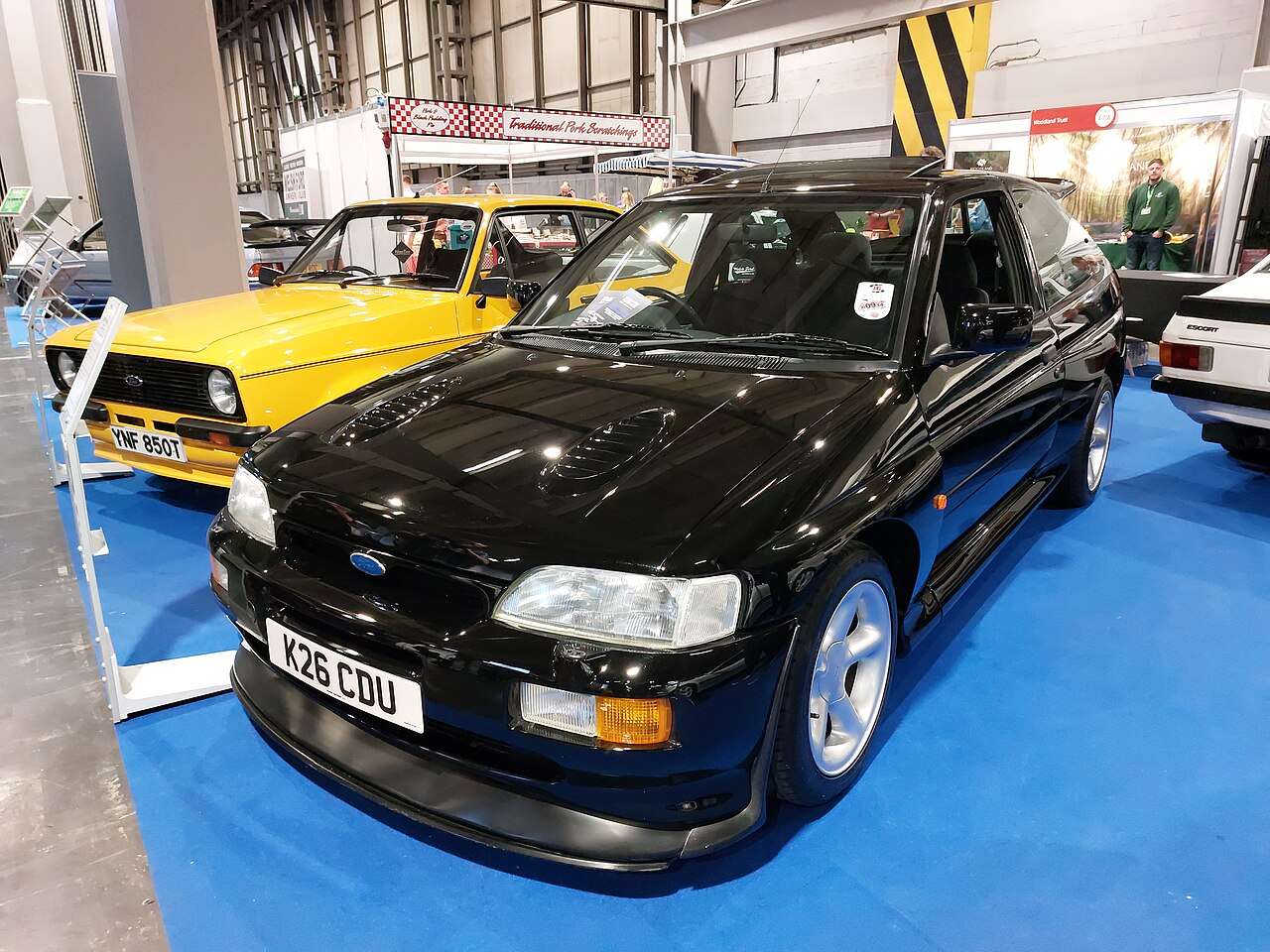
Featured image: Ford Escort RS Cosworth, photographed by kieranwhite599 at the NEC Restoration Show; Wikimedia Commons, CC BY 2.0.

Start with these full model guides. Each links to the history, technical detail and model context that explains why the car matters.
Detailed Ford guides

Ford Sierra XR4i
The bi-plane-spoilered 2.8 V6 coupe: why it mattered, how it led to the XR4x4 and why it deserves more than a Cosworth footnote.
Ford Sierra RS Cosworth
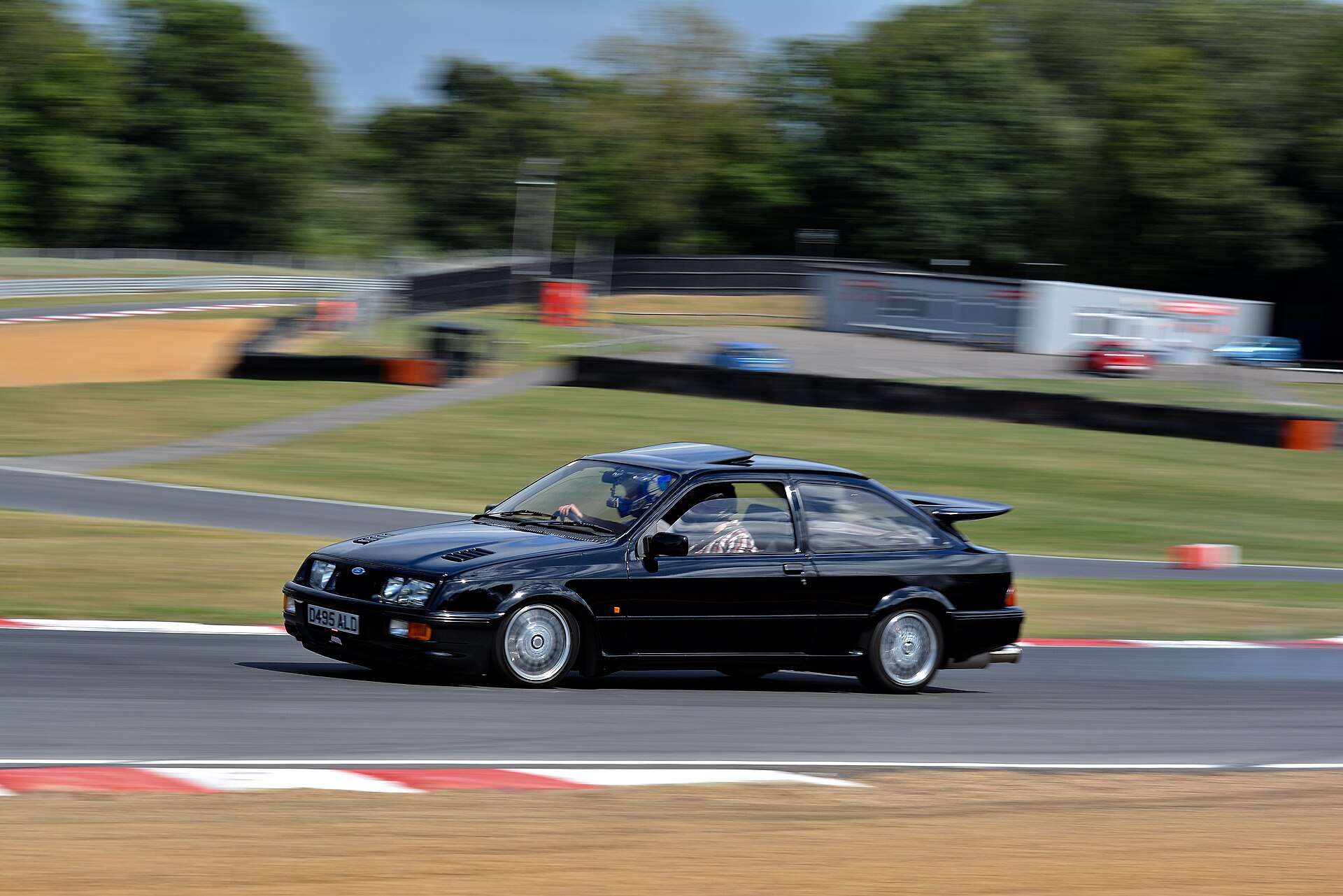
Ten well-chosen facts on the winged icon that transformed the Sierra into one of the defining homologation-era Fords.
Ford Escort RS Cosworth
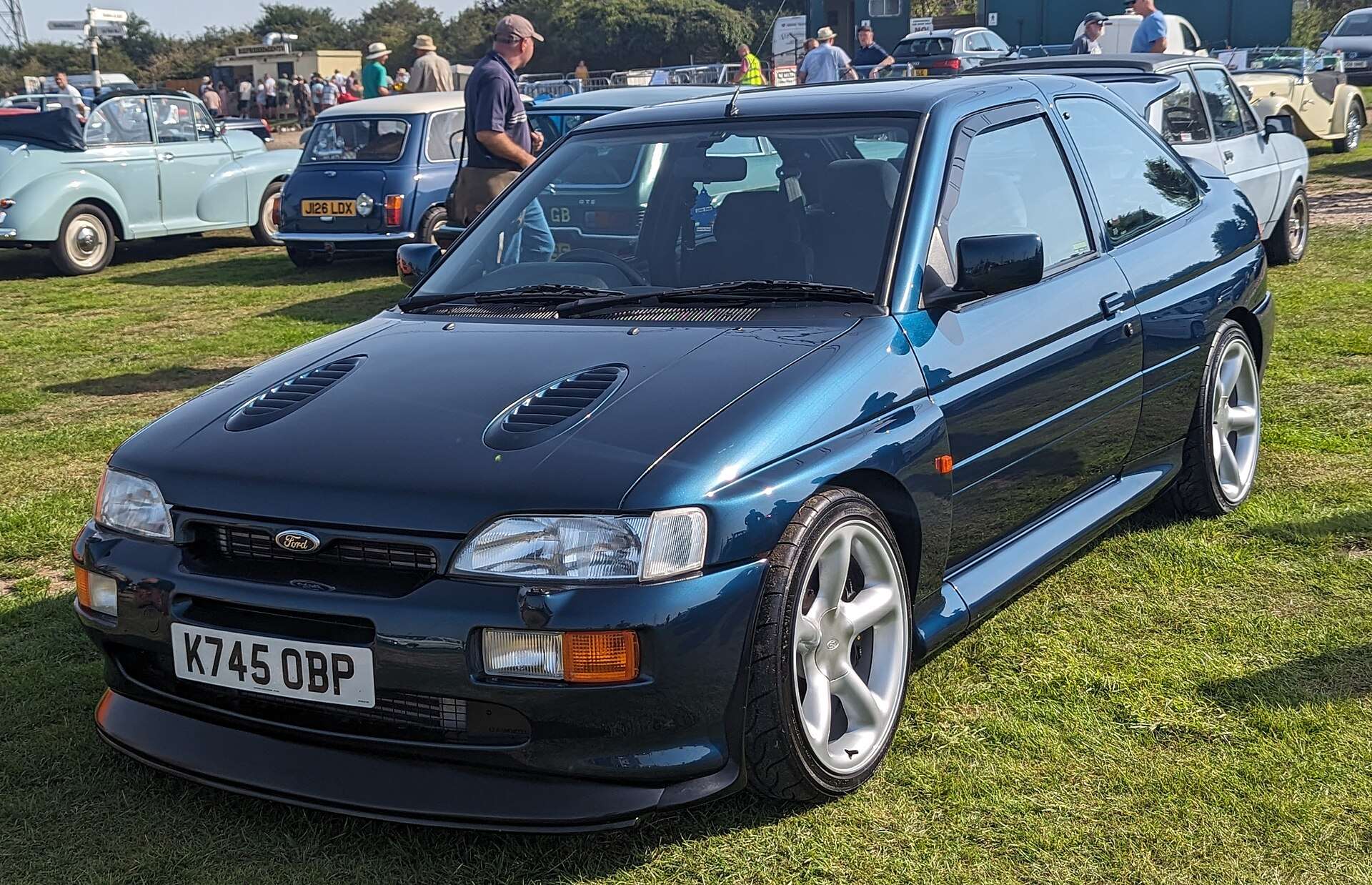
The complete story of Ford’s Sierra-based, four-wheel-drive homologation special: engineering, turbo variants and rally history.
Ford Escort RS2000 Mk5 & Mk6
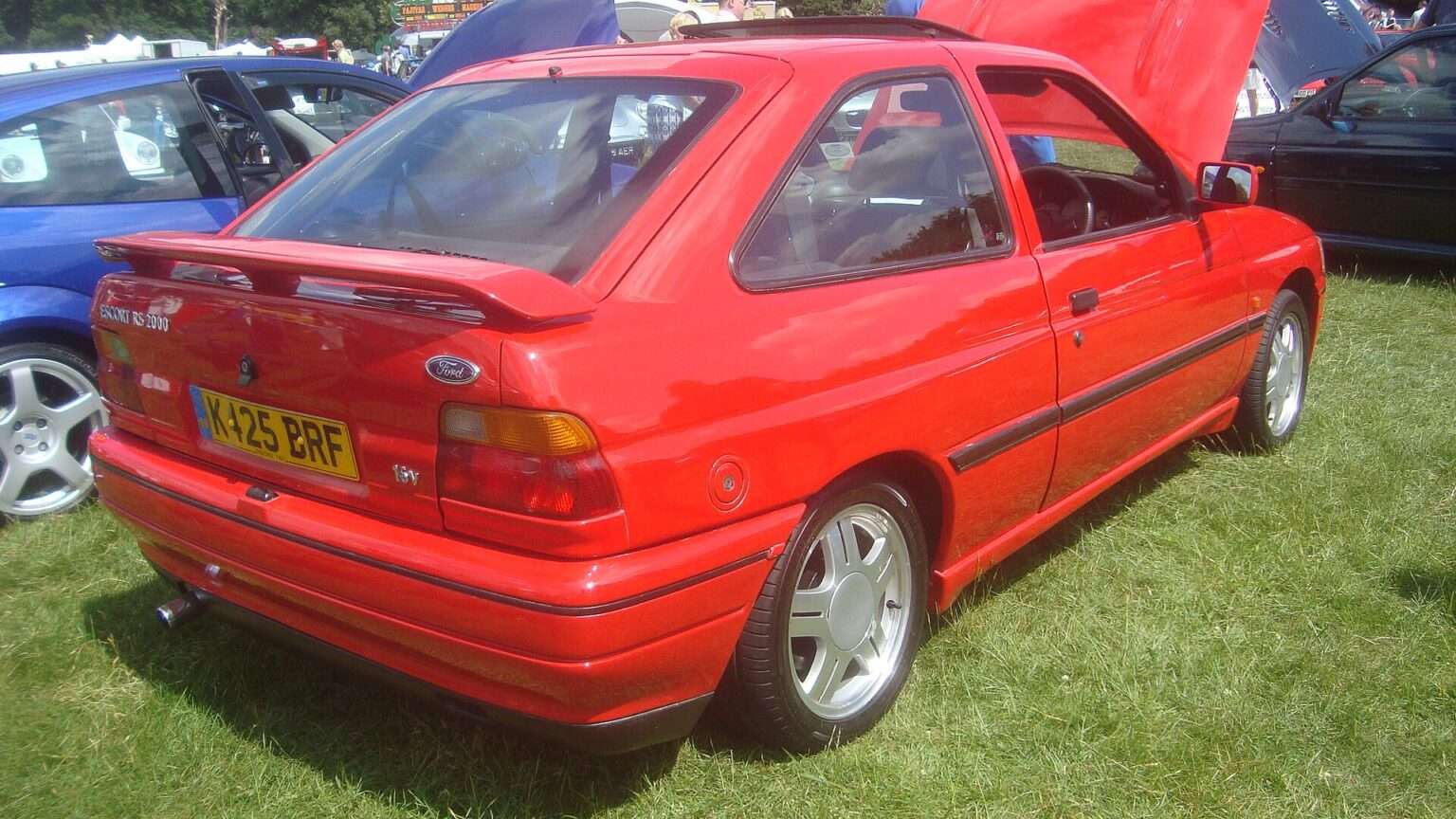
The overlooked 1990s RS: its 150PS 16-valve engine, chassis development, rare four-wheel-drive version and place between the RS Turbo and Focus RS.
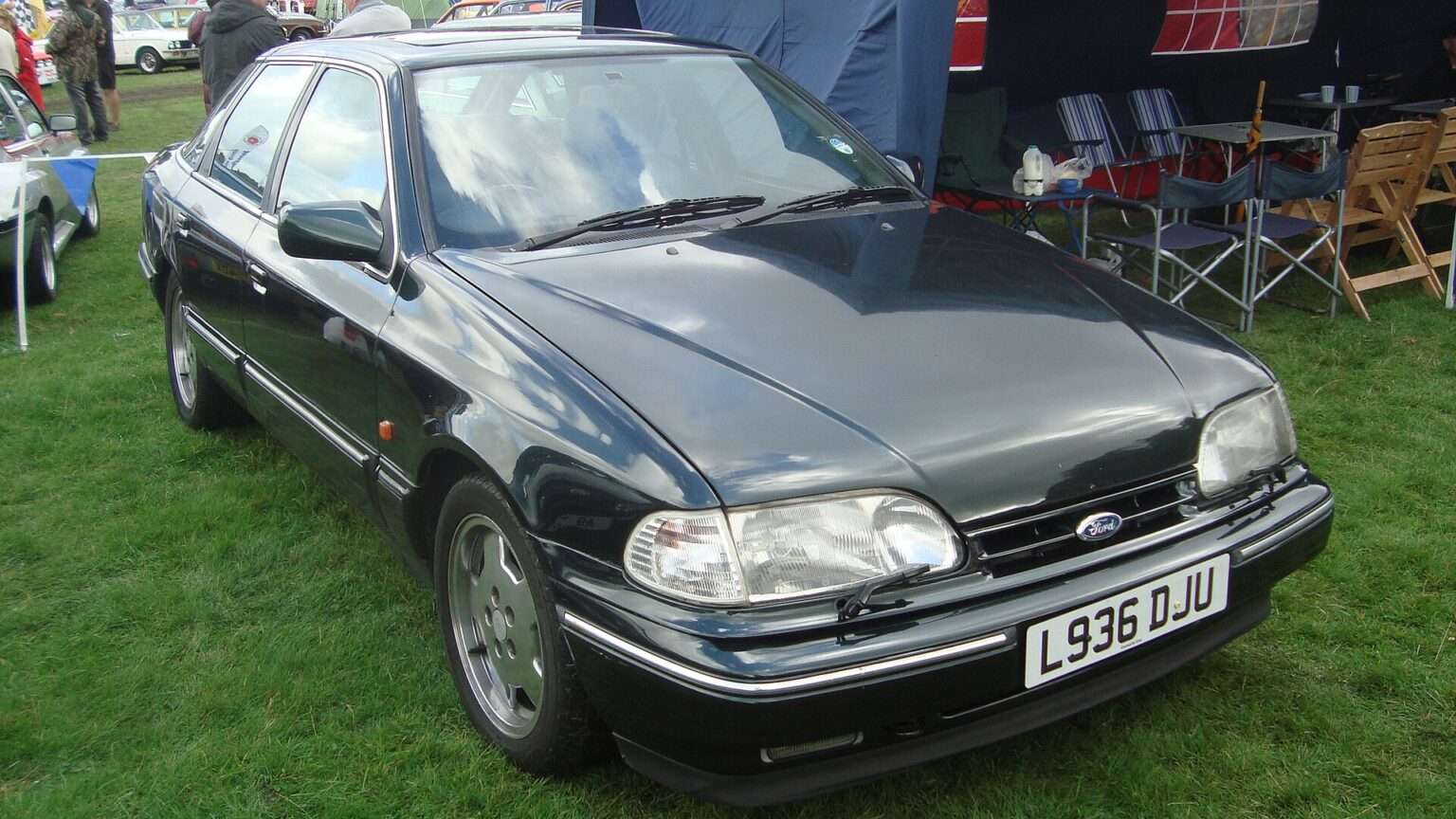
Ford Scorpio 24V Cosworth
The discreet executive Ford with a Cosworth-developed quad-cam V6: from the 195PS BOA Granada Scorpio to the 210PS BOB-engined final flagship.

Sierra XR4i Turbo Technics
The period turbo conversion that made an already distinctive V6 Sierra even more unusual.
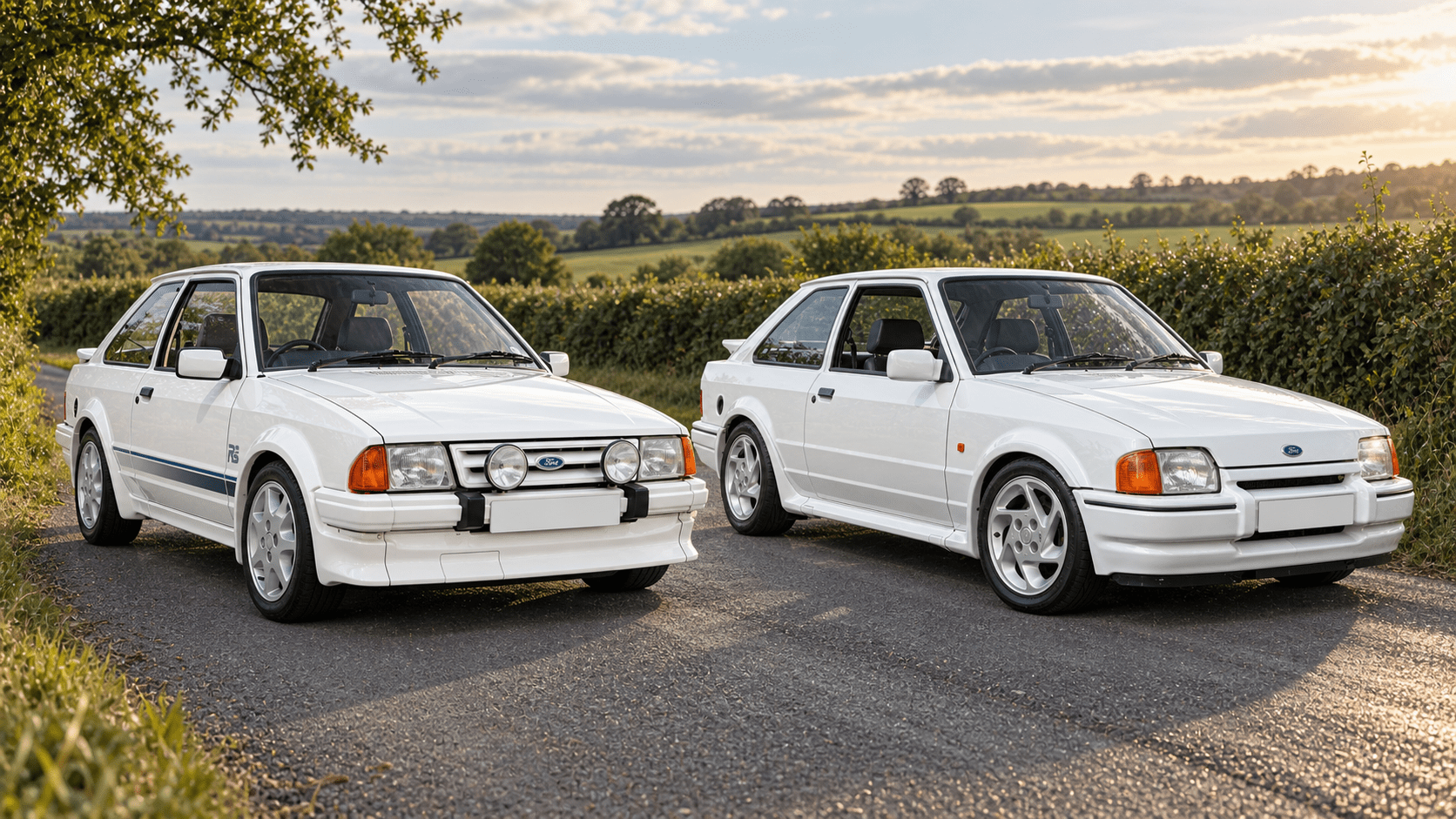
Ford Escort RS Turbo
Series 1 and Series 2 explained: two generations of a defining turbocharged hot hatch.

Ford Orion
The Ford saloon that deserves to be read as more than an Escort with a boot, from sensible mainstream models to memorable injected versions.
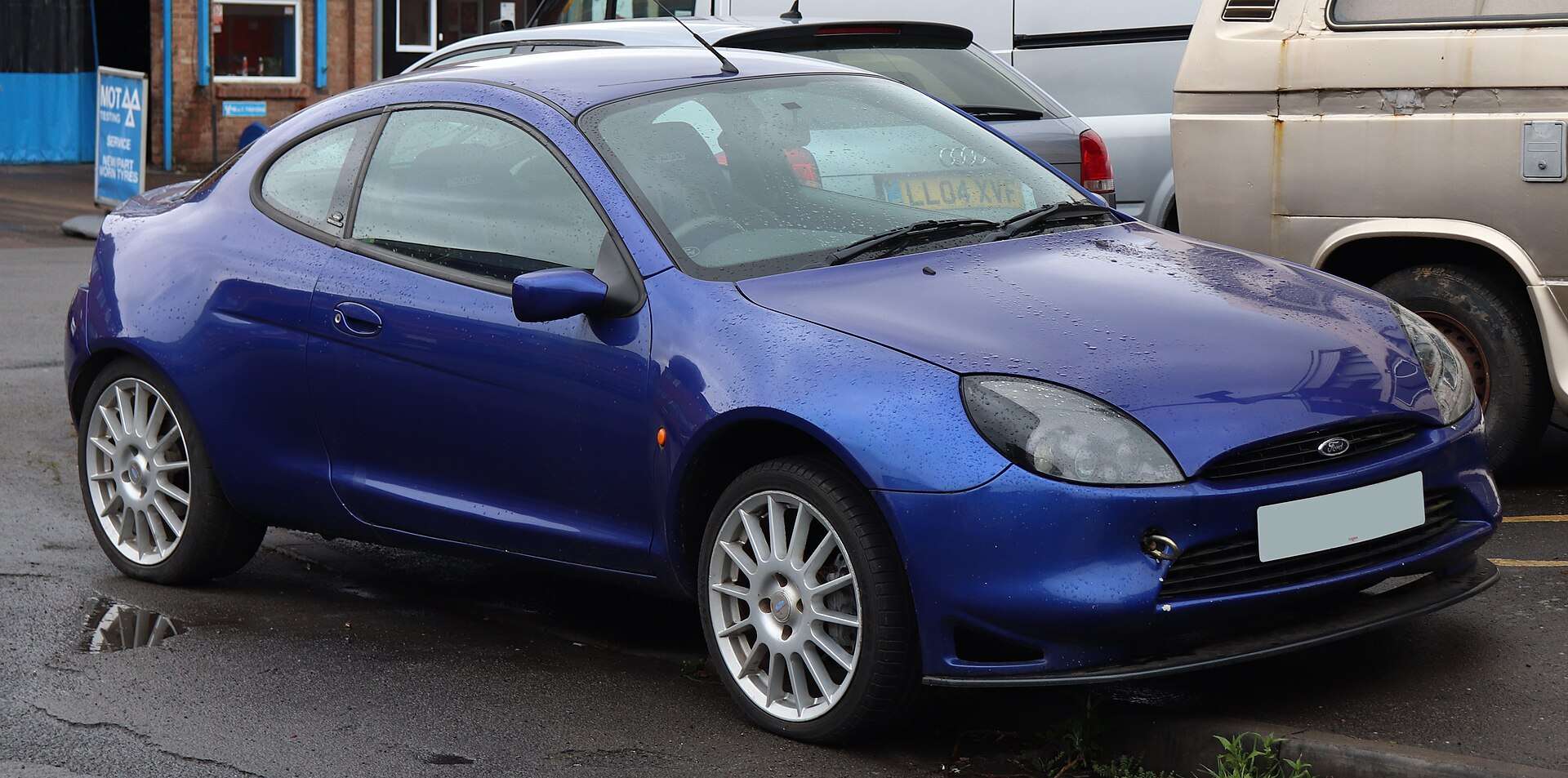
Ford Racing Puma
Tickford’s 500-car wide-body special: hand-finished bodywork, Alcon brakes, a tuned 1.7-litre engine and one of Ford’s finest front-wheel-drive chassis.

Ford Fiesta RS Turbo
The short-lived Mk3 RS flagship: Garrett T2 boost, CVH engineering and the story behind one of Ford’s most distinctive early-1990s hot hatches.
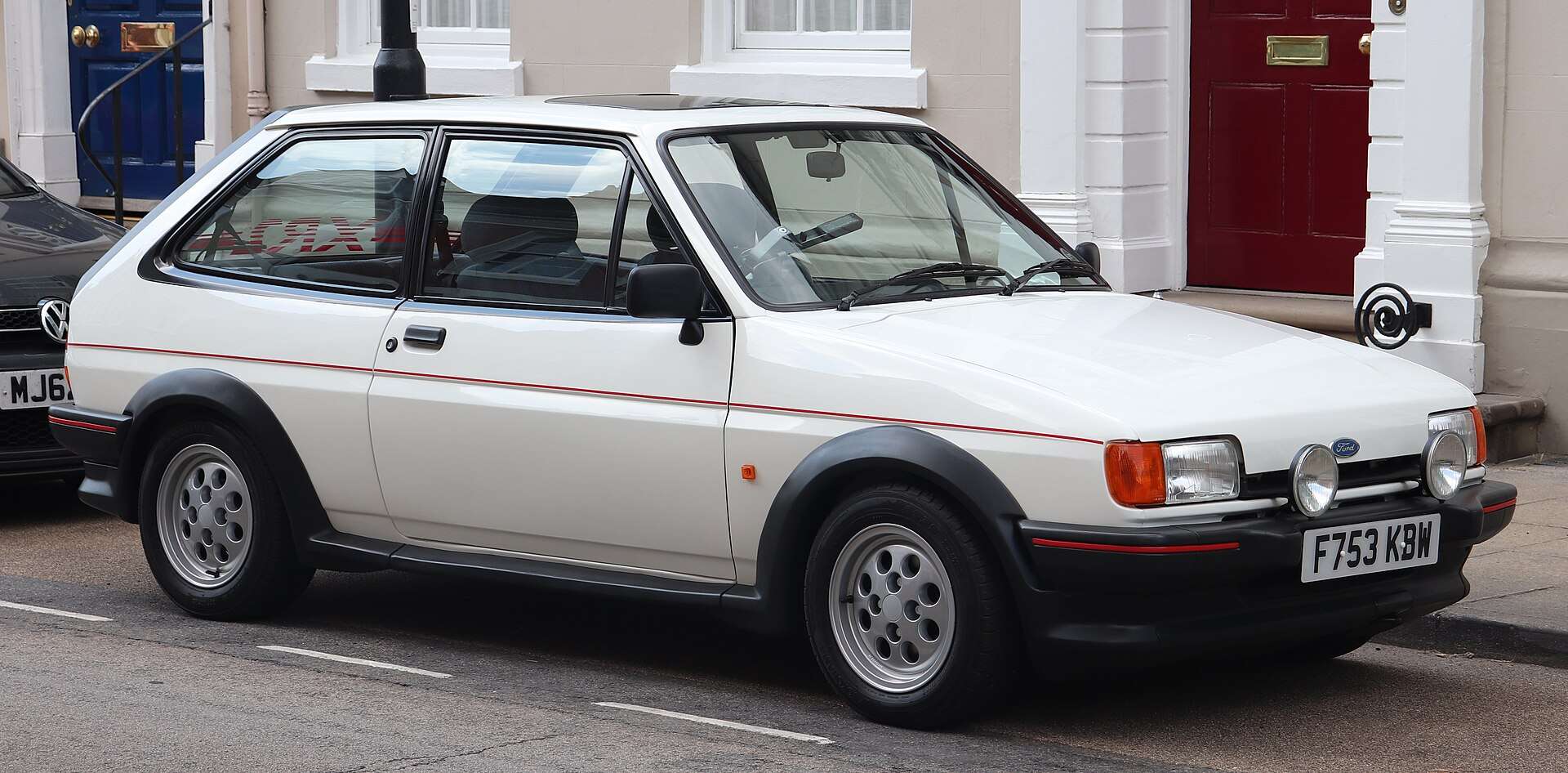
Ford Fiesta XR2 & XR2i
Three generations of fast Fiesta, from the original 100mph Mk1 through the five-speed Mk2 to the injected Mk3 XR2i.
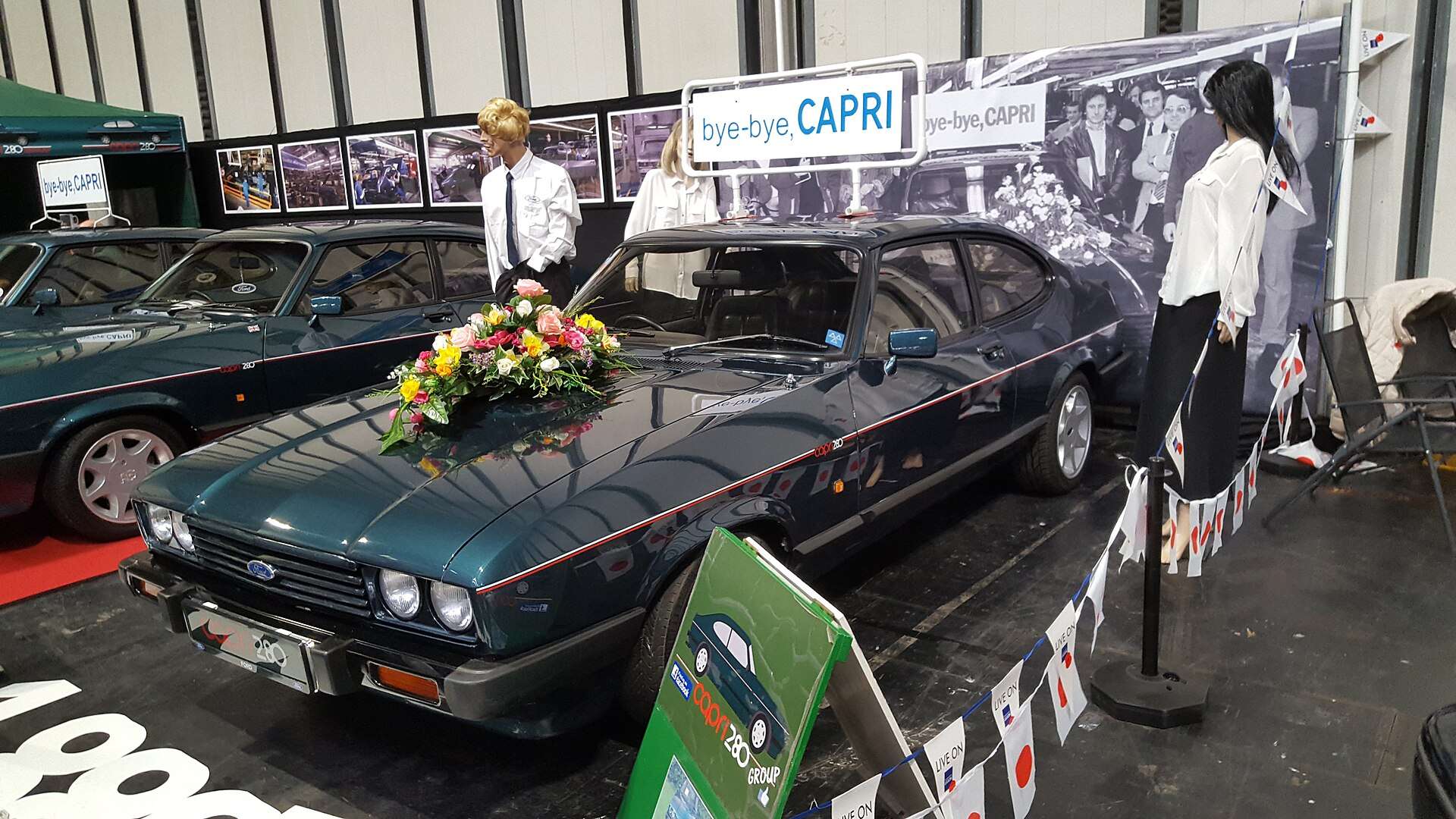
Capri 2.8 Injection & 280
The SVE-developed 160PS V6 Capri and the Brooklands Green final edition that closed Ford’s European coupé story.
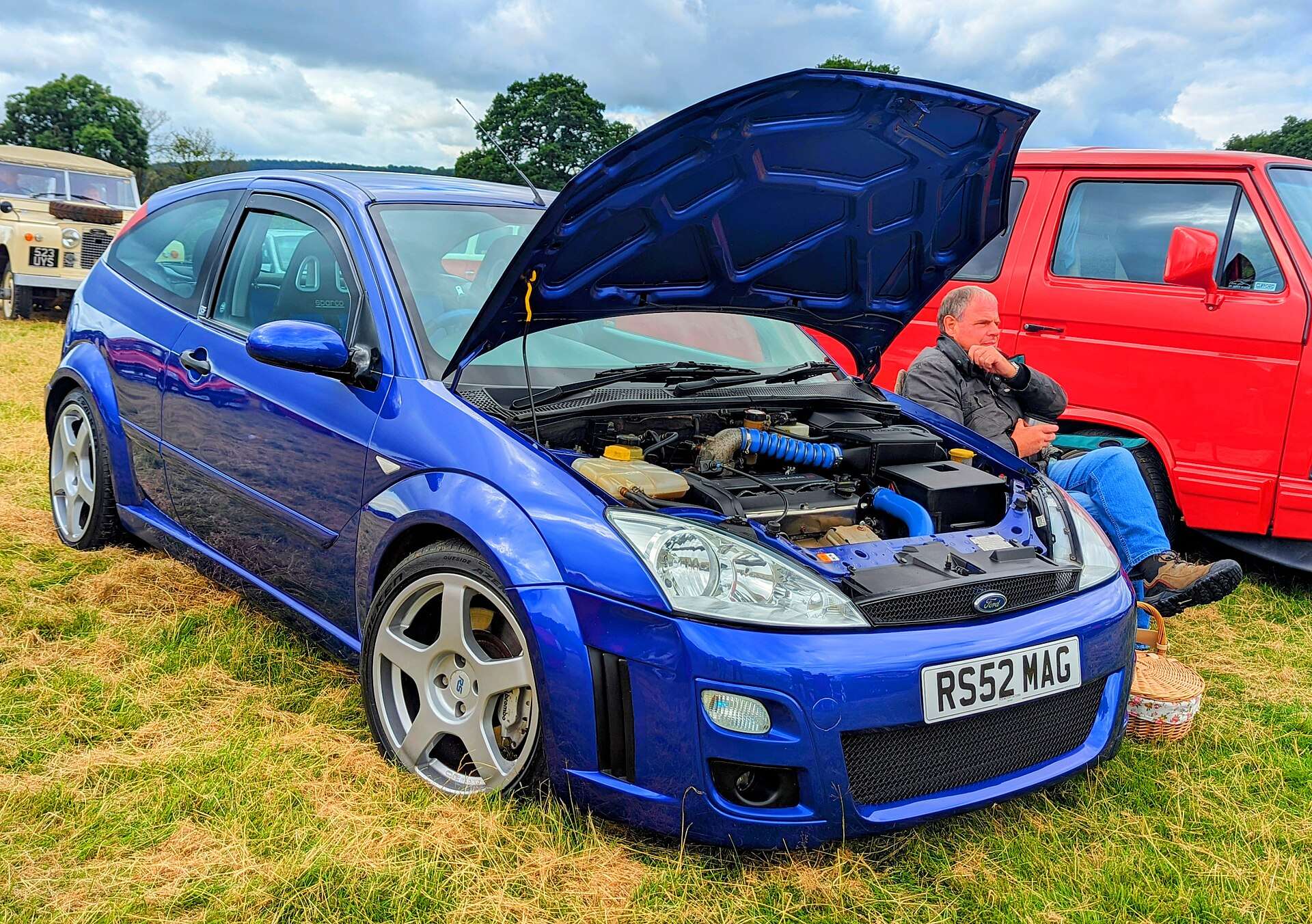
Ford Focus RS Mk1
The limited-run 215PS car that revived Rallye Sport: Quaife differential, Brembo brakes, specialist chassis engineering and unmistakable Imperial Blue bodywork.
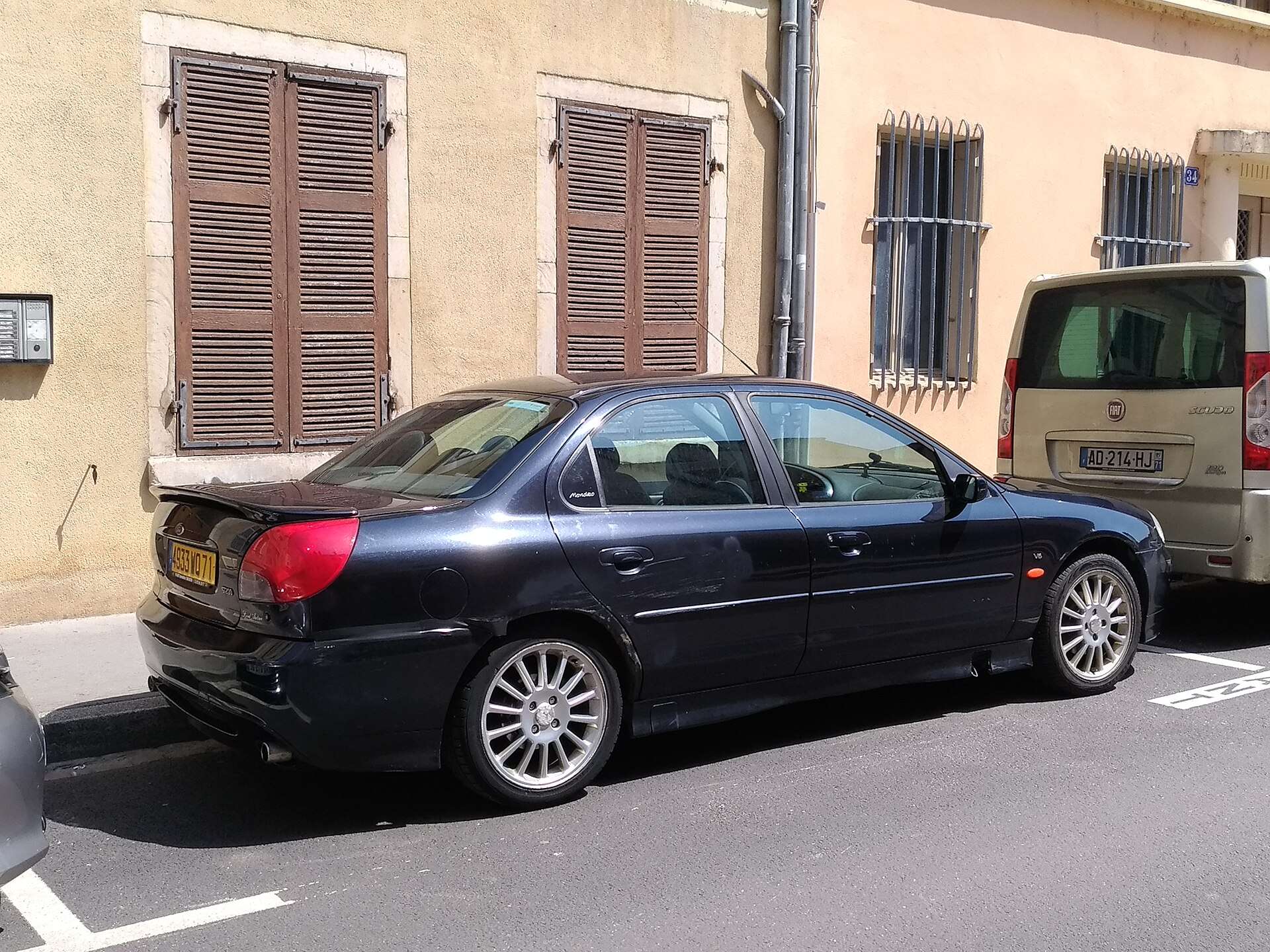
Ford Mondeo ST200 & ST220
Two generations of naturally aspirated V6 fast Mondeo: the rare ST200 and the larger, faster ST220 in hatchback, saloon and estate forms.
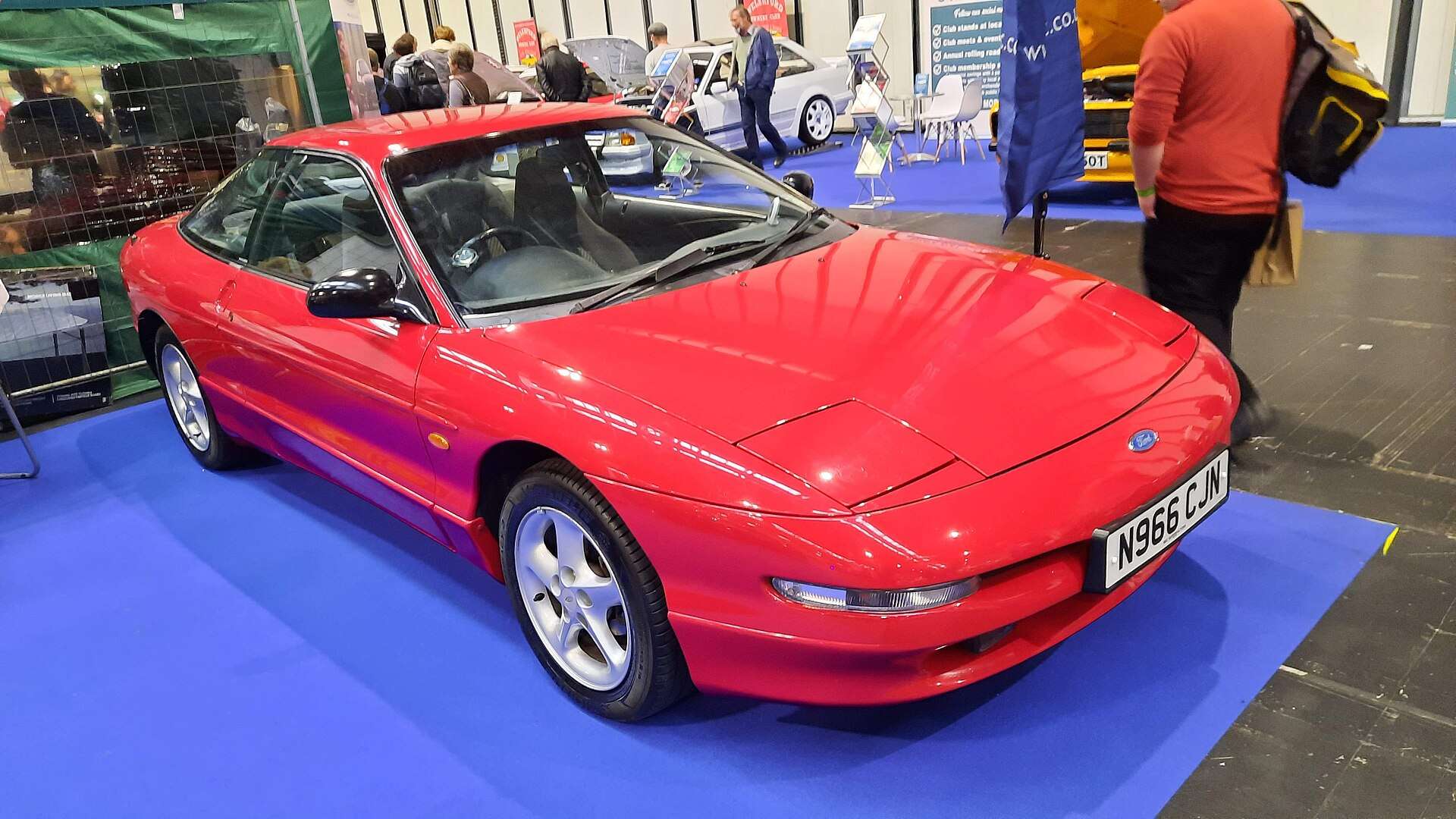
Ford Probe 24V
The misunderstood Ford–Mazda V6 coupé: pop-up headlights, KL-series power and a much more interesting story than the old Capri comparison suggests.

Tickford Capri Turbo
Aston Martin Tickford’s 205bhp coachbuilt flagship: turbocharged Cologne V6, bespoke bodywork, uprated chassis and one of the rarest fast Fords of the 1980s.
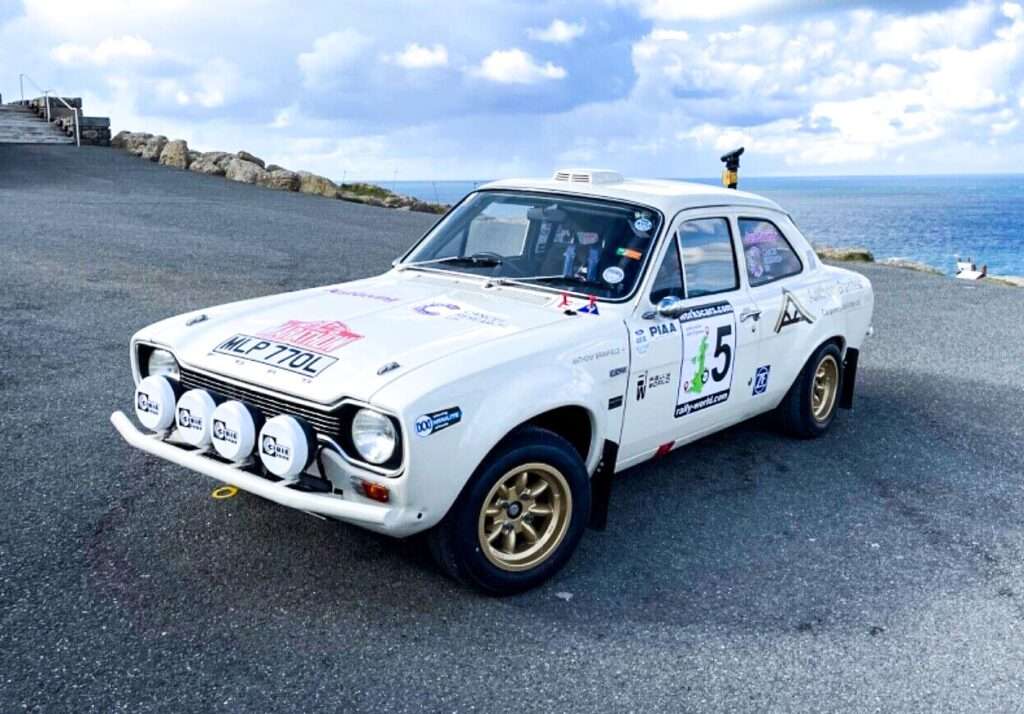
Ford Escort RS1600
The BDA-powered Mk1 that launched Ford’s RS dynasty: Cosworth engineering, AVO production, FIA homologation and competition legacy.
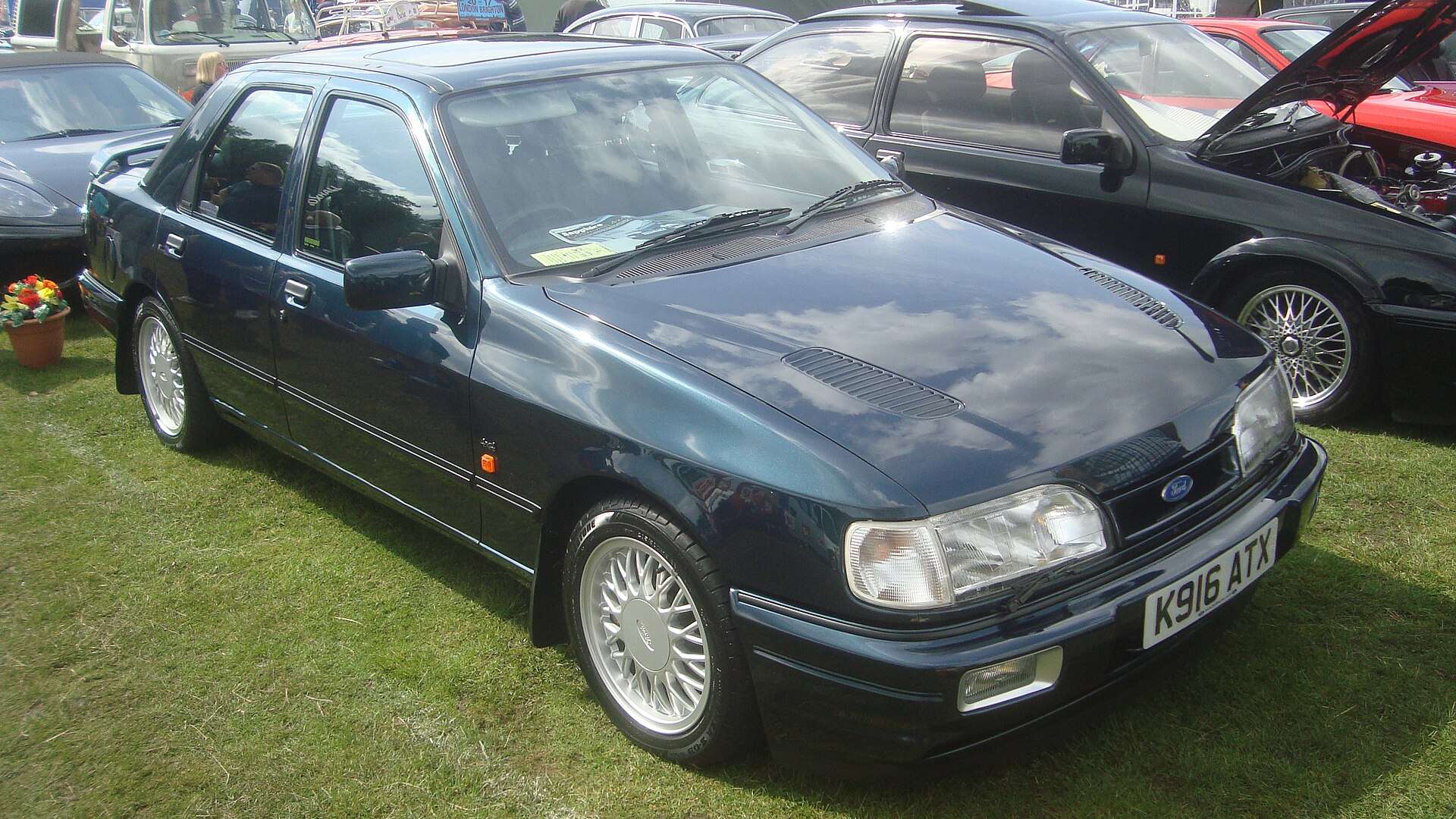
Sierra Sapphire RS Cosworth 4×4
The discreet four-door, all-wheel-drive evolution of the Cosworth Sierra: YBG power, competition engineering and everyday usability.
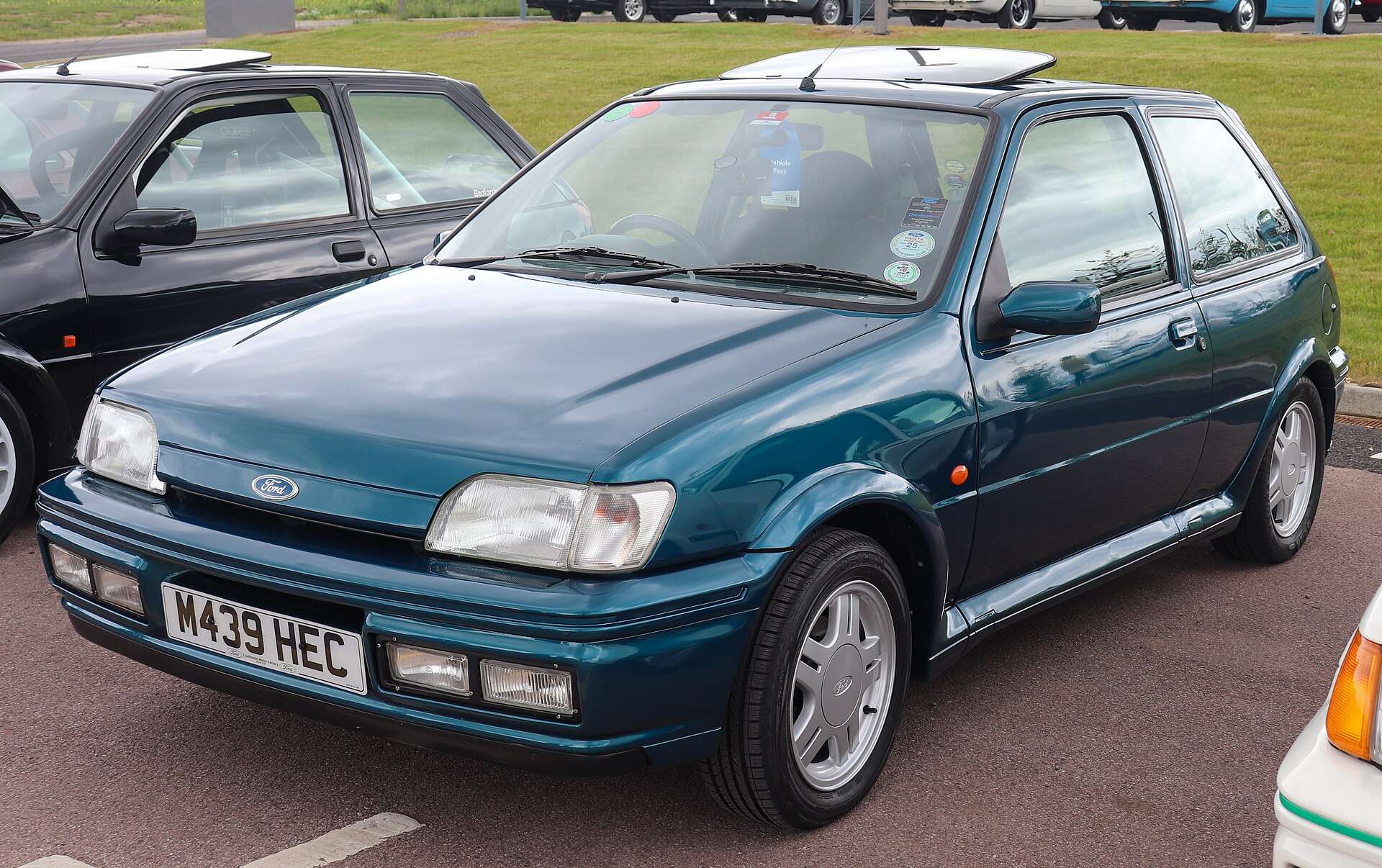
Ford Fiesta RS1800
The naturally aspirated Mk3 RS that followed the turbo: 1.8-litre Zetec power, subtle styling and genuine rarity.

Lotus Cortina Mk1 & Mk2
How Ford and Lotus turned the Cortina into a twin-cam touring-car and rally legend across two distinct generations.
Where this Ford collection goes next
The collection now stretches from classic Capri and Sierra performance cars to the limited-run Focus RS Mk1. Further additions will fill the remaining gaps around Ford’s overlooked sporting saloons, homologation specials and small fast hatchbacks, with every new guide linked here and to its closest relatives.
Unusual Cars writes independent enthusiast guides. Model details and the condition of any individual car should always be checked against its own history and documentation.